
Frequently Asked Questions
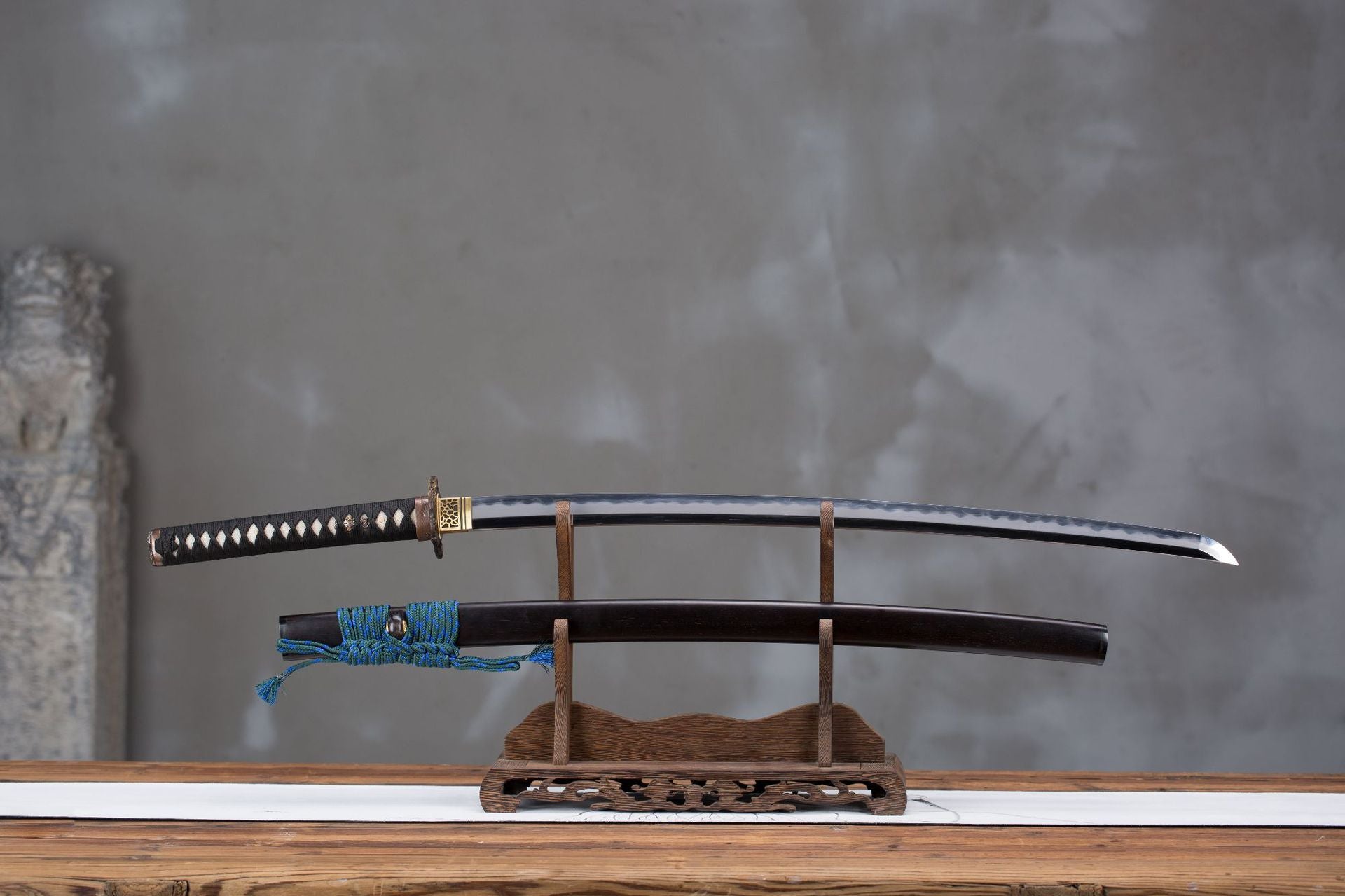
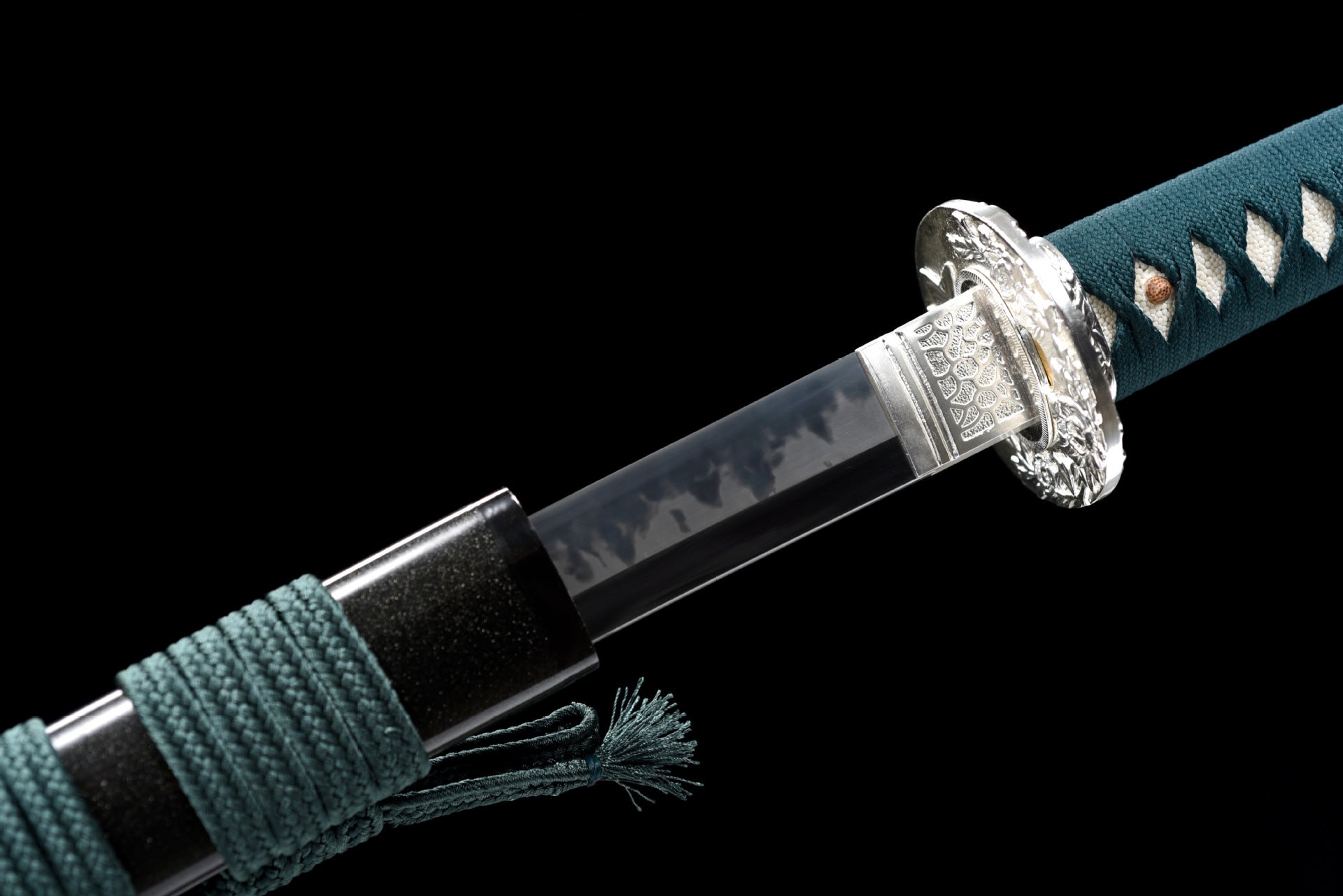
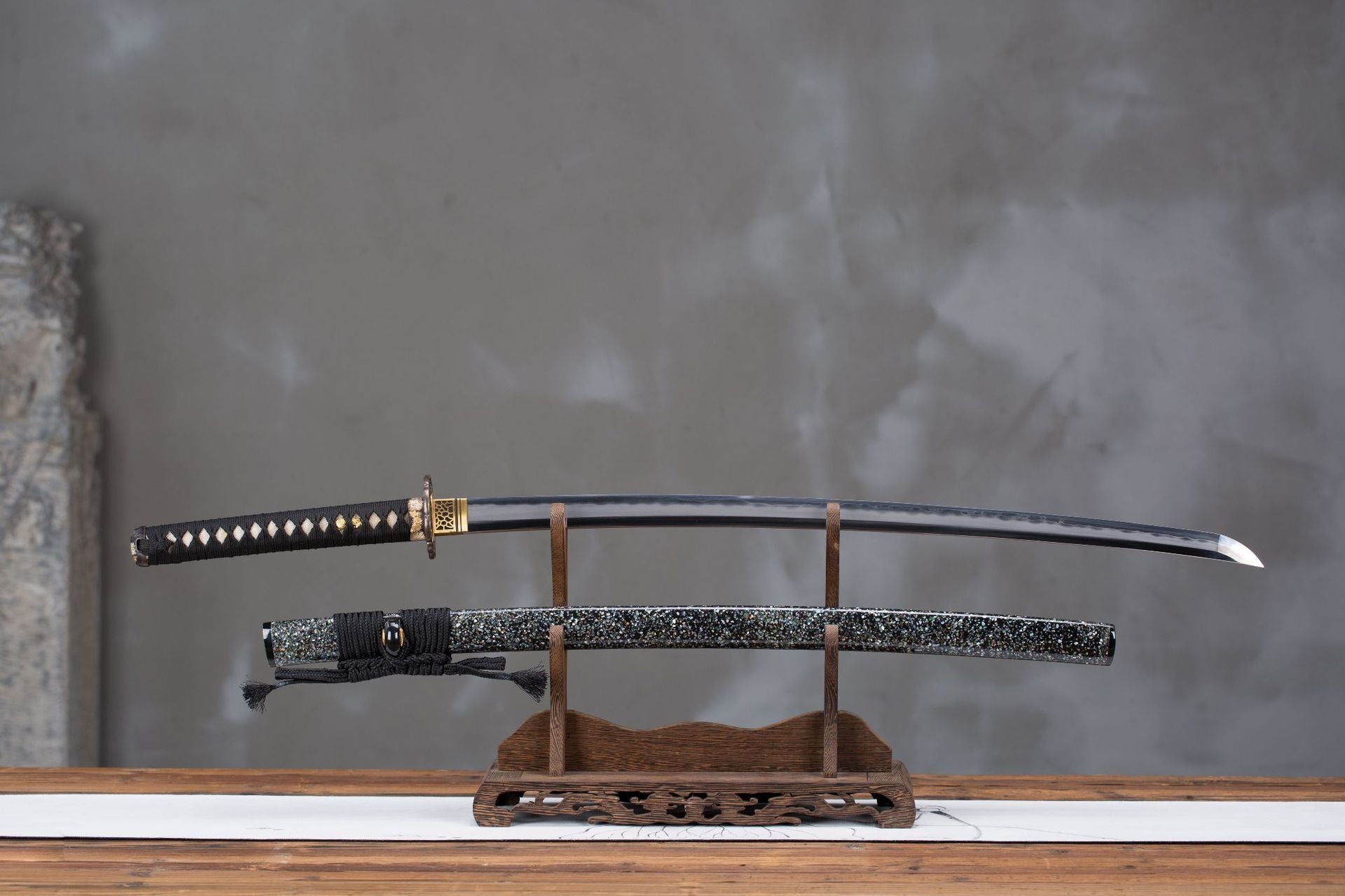
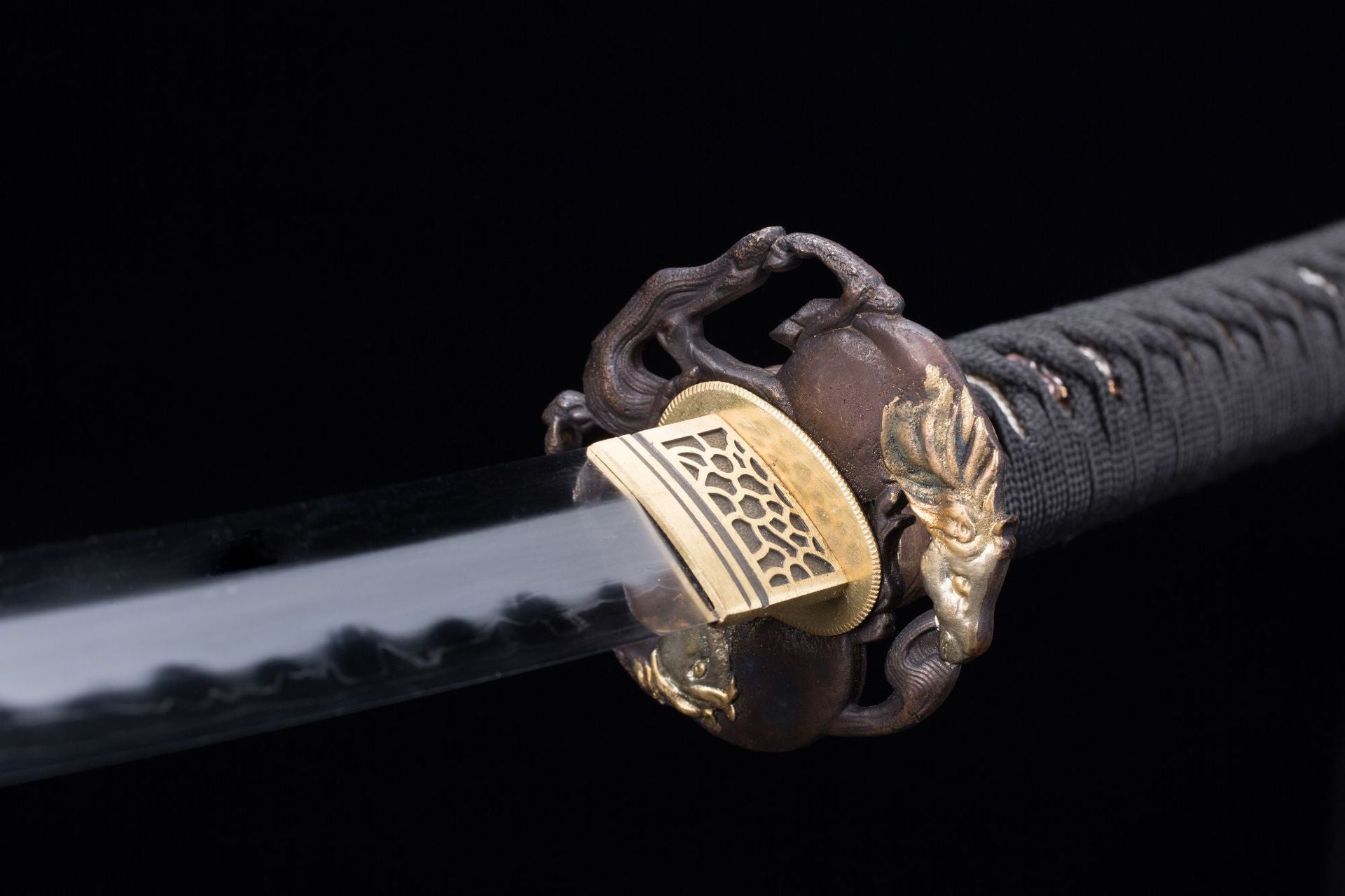
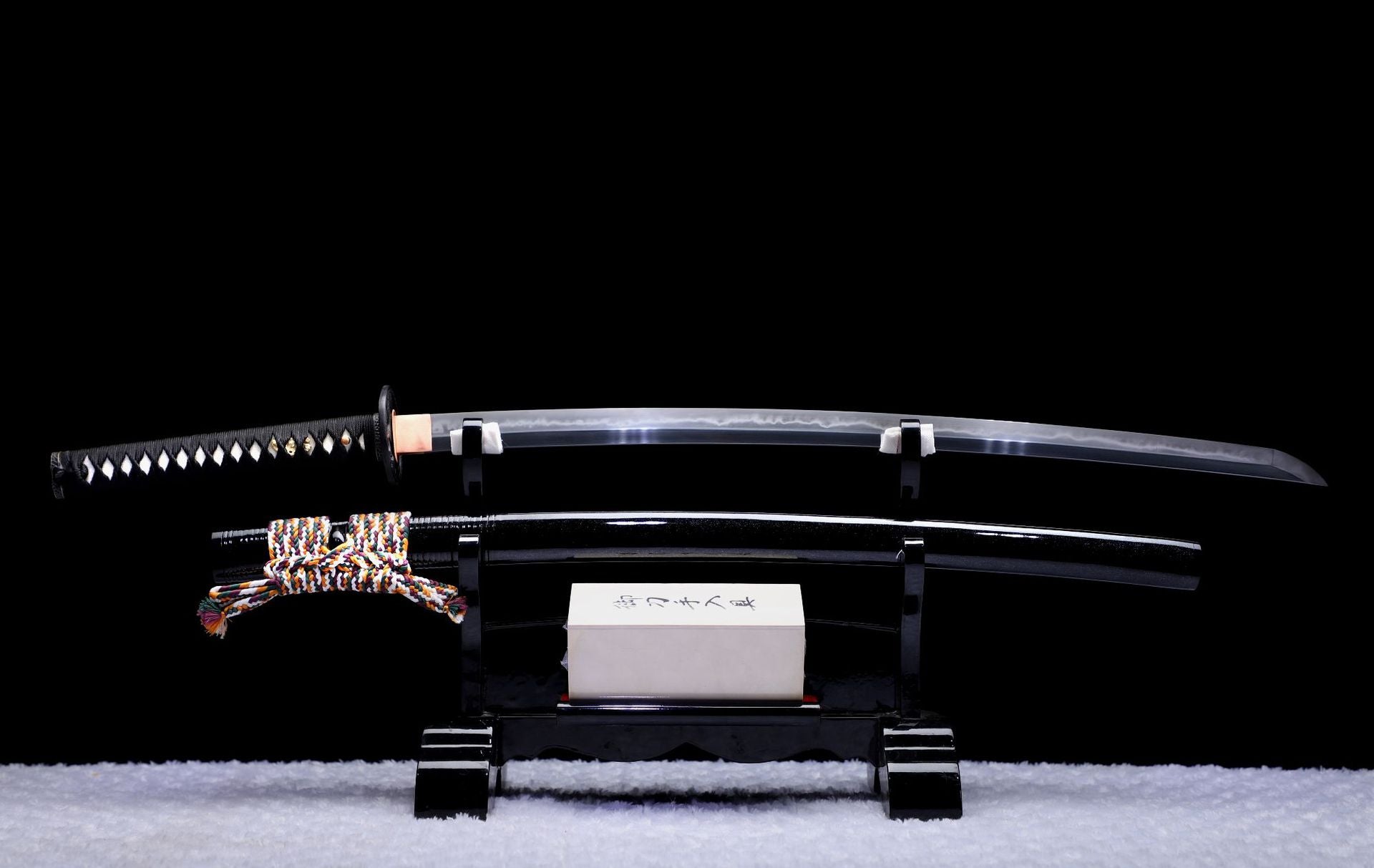
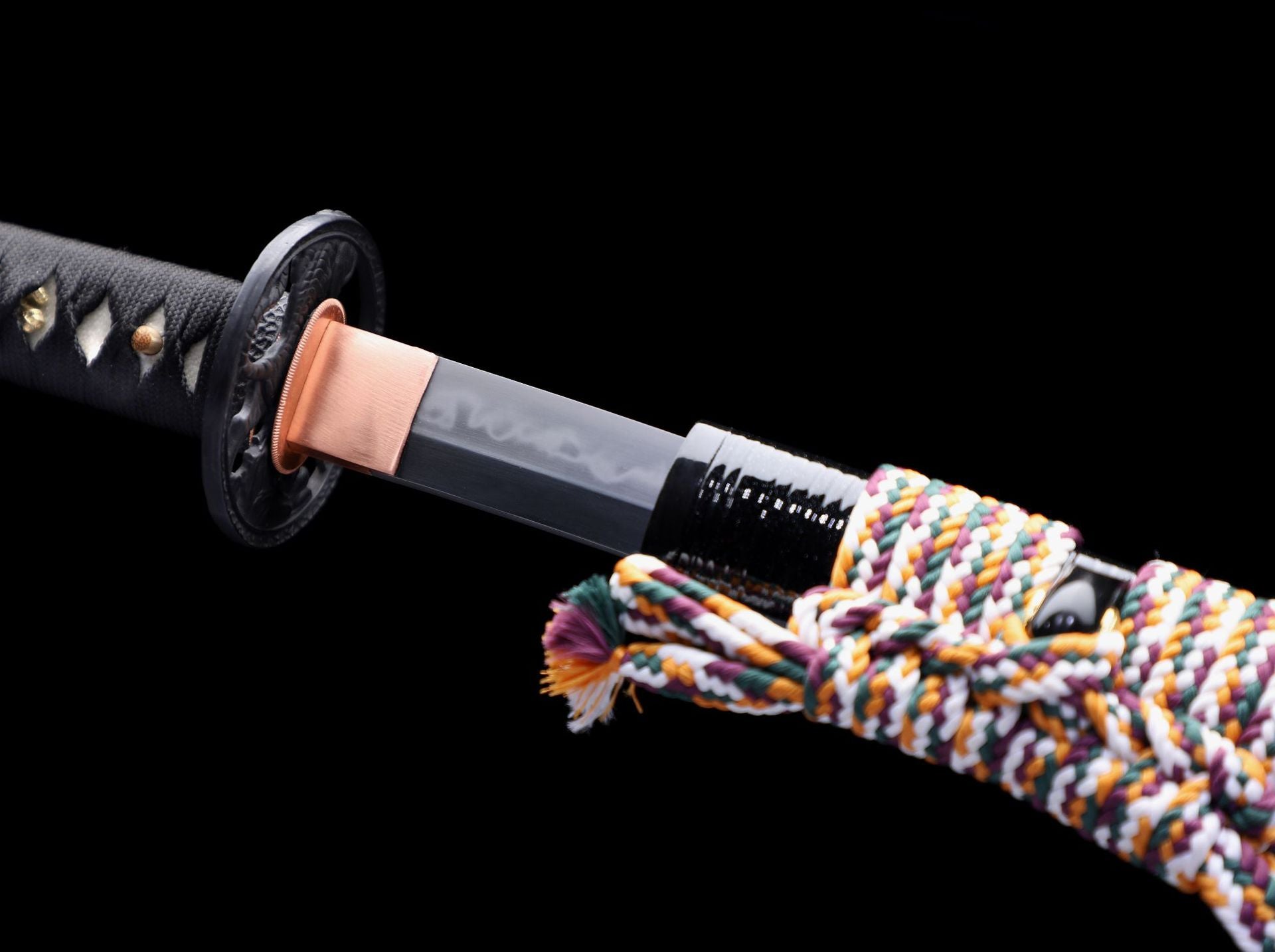
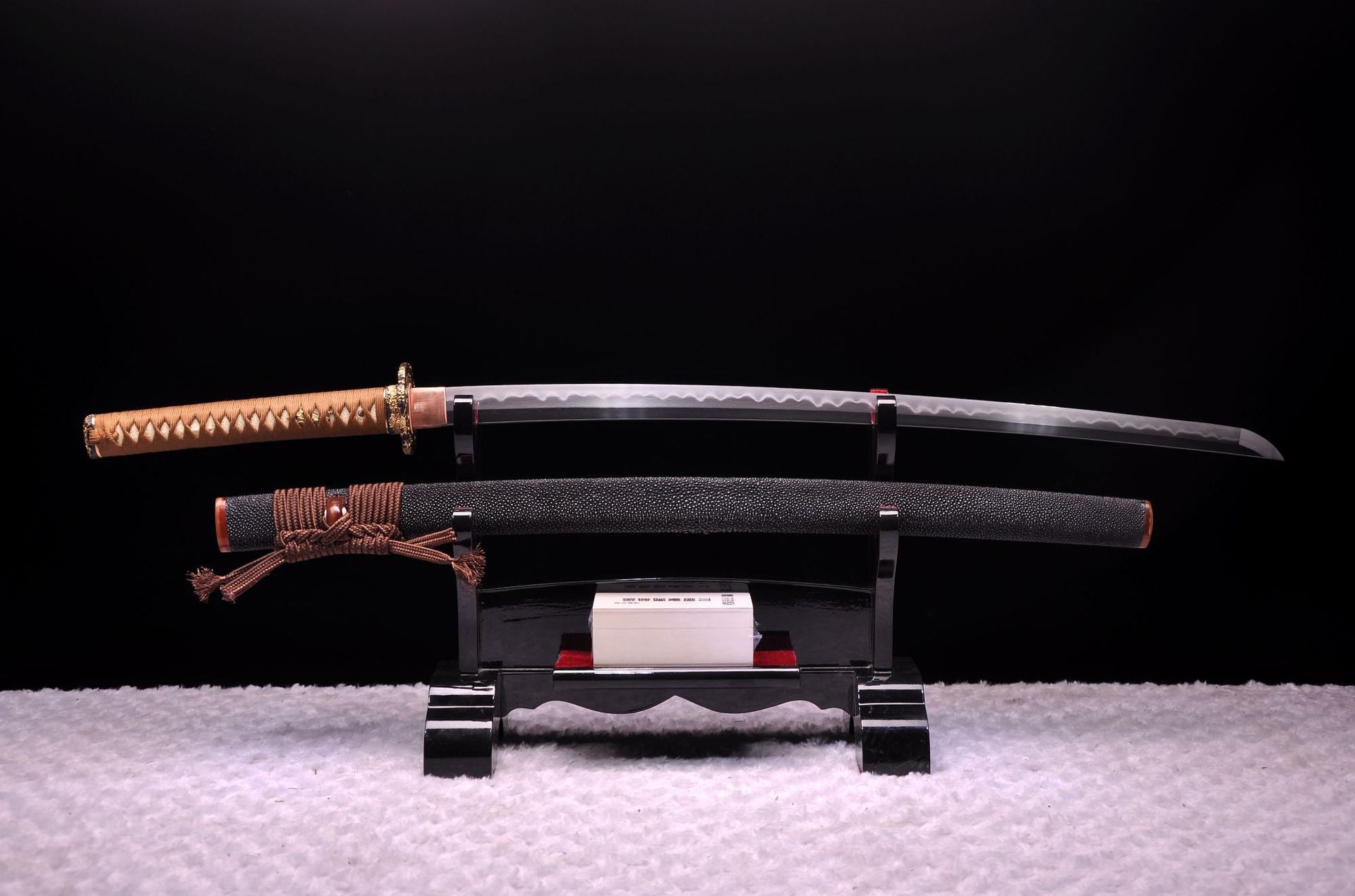
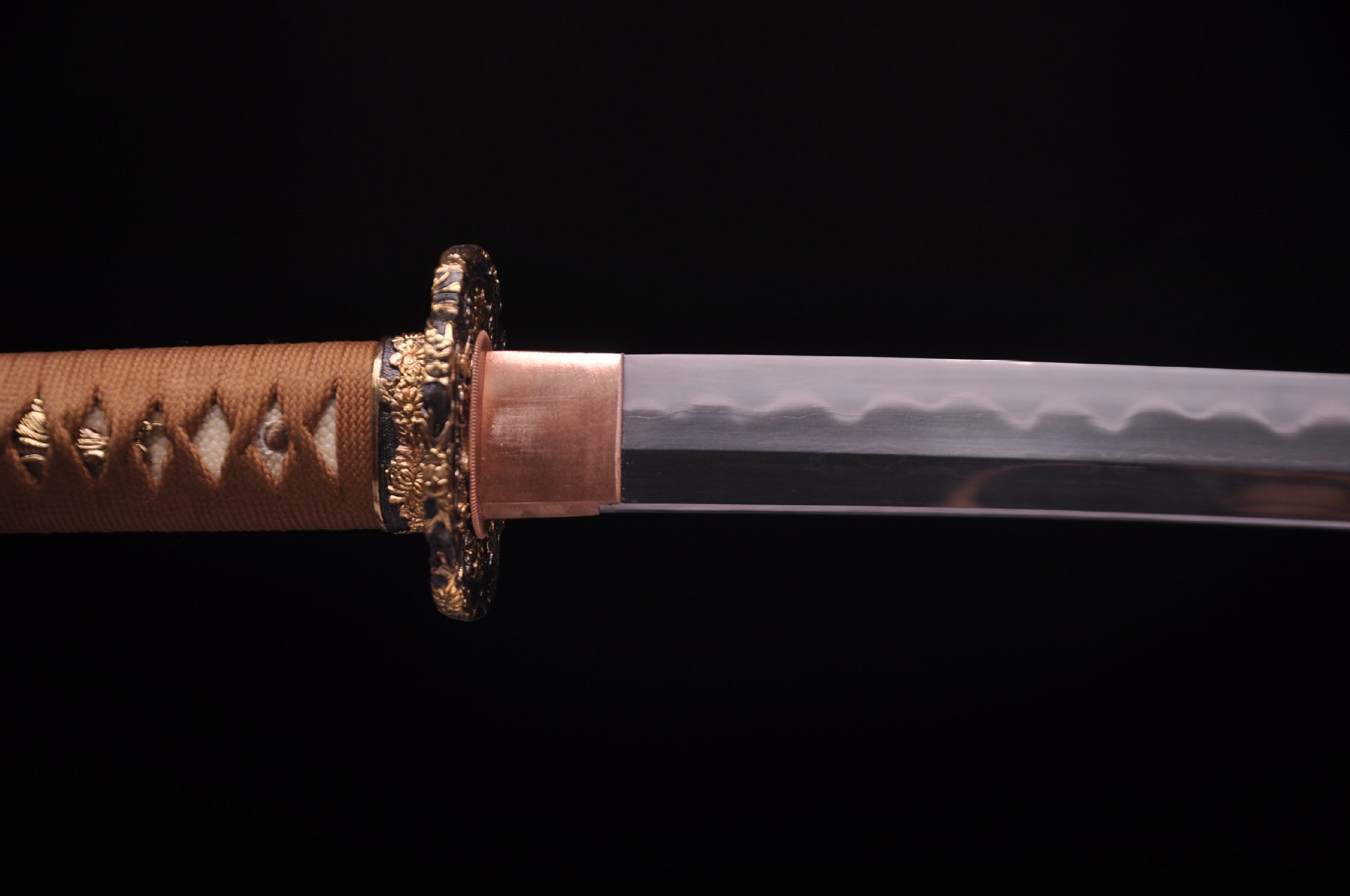
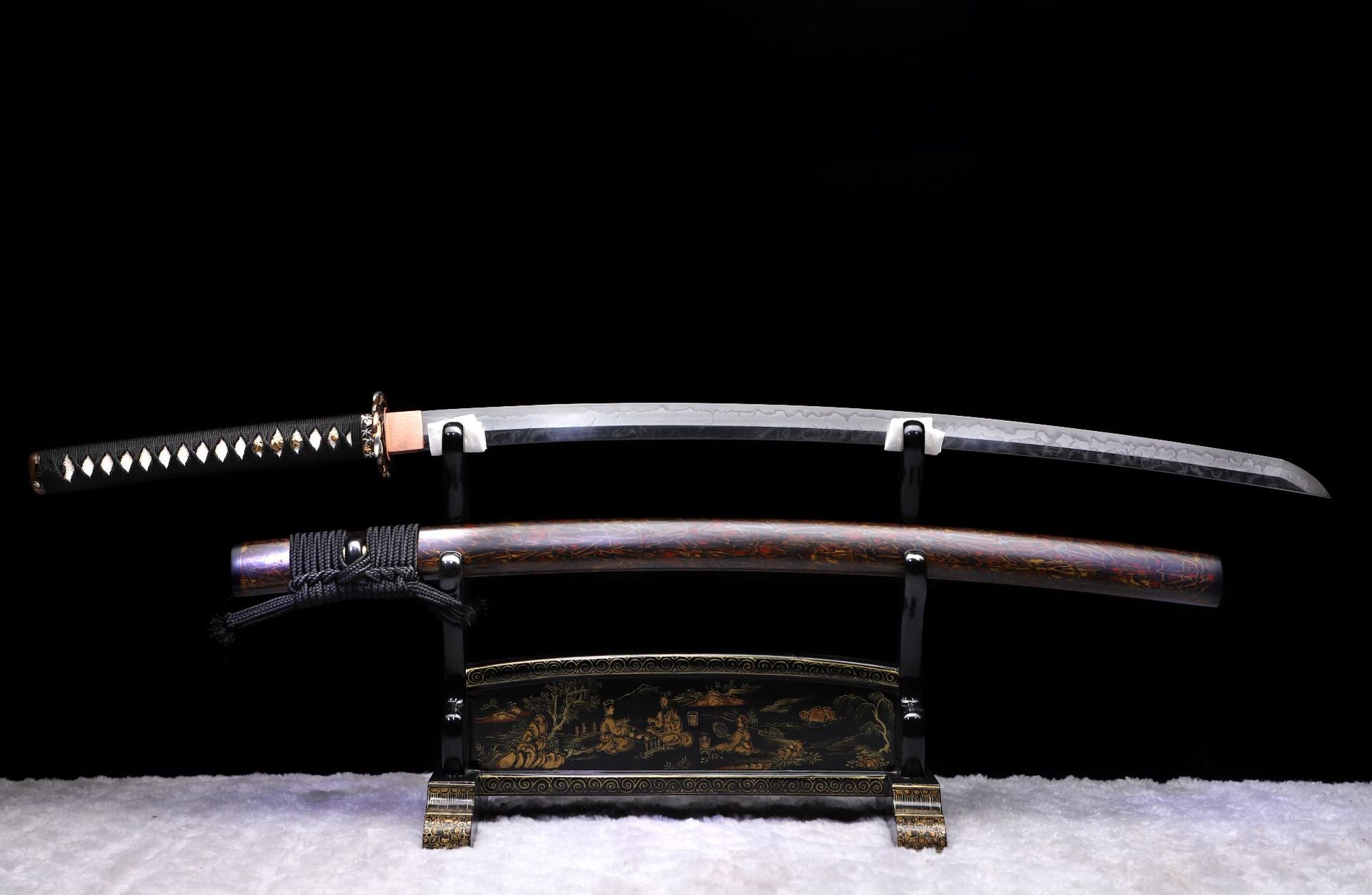
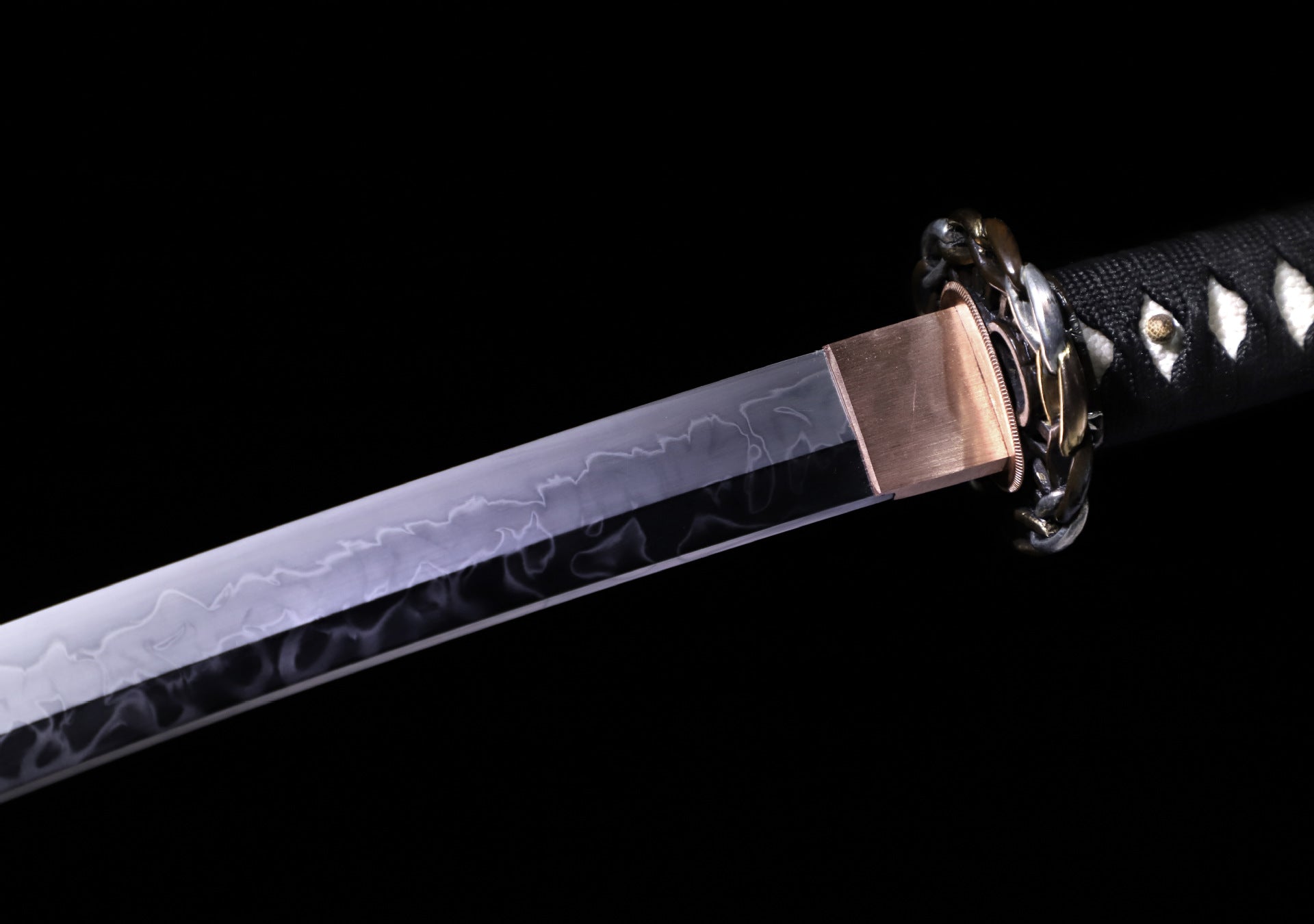
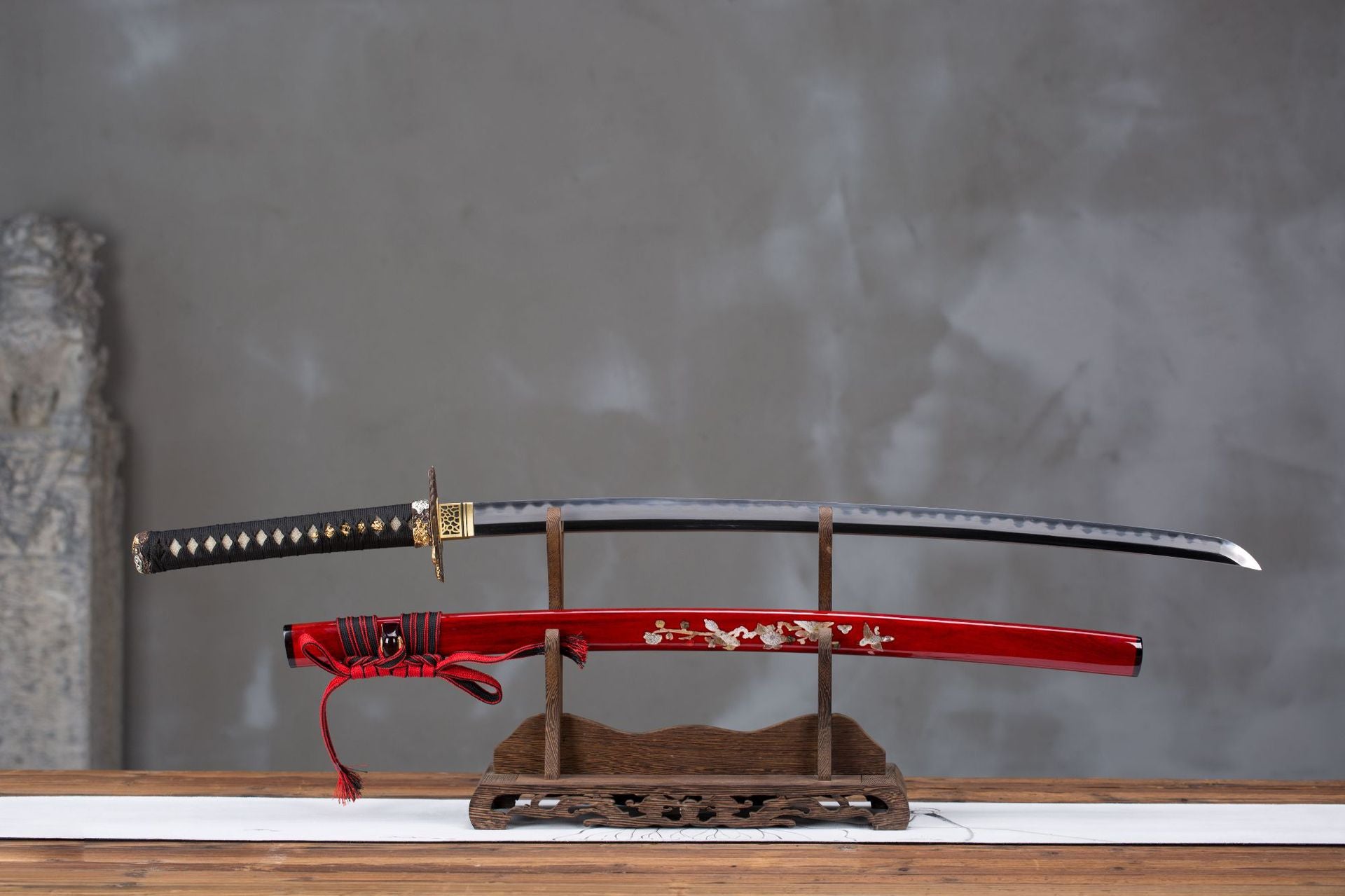
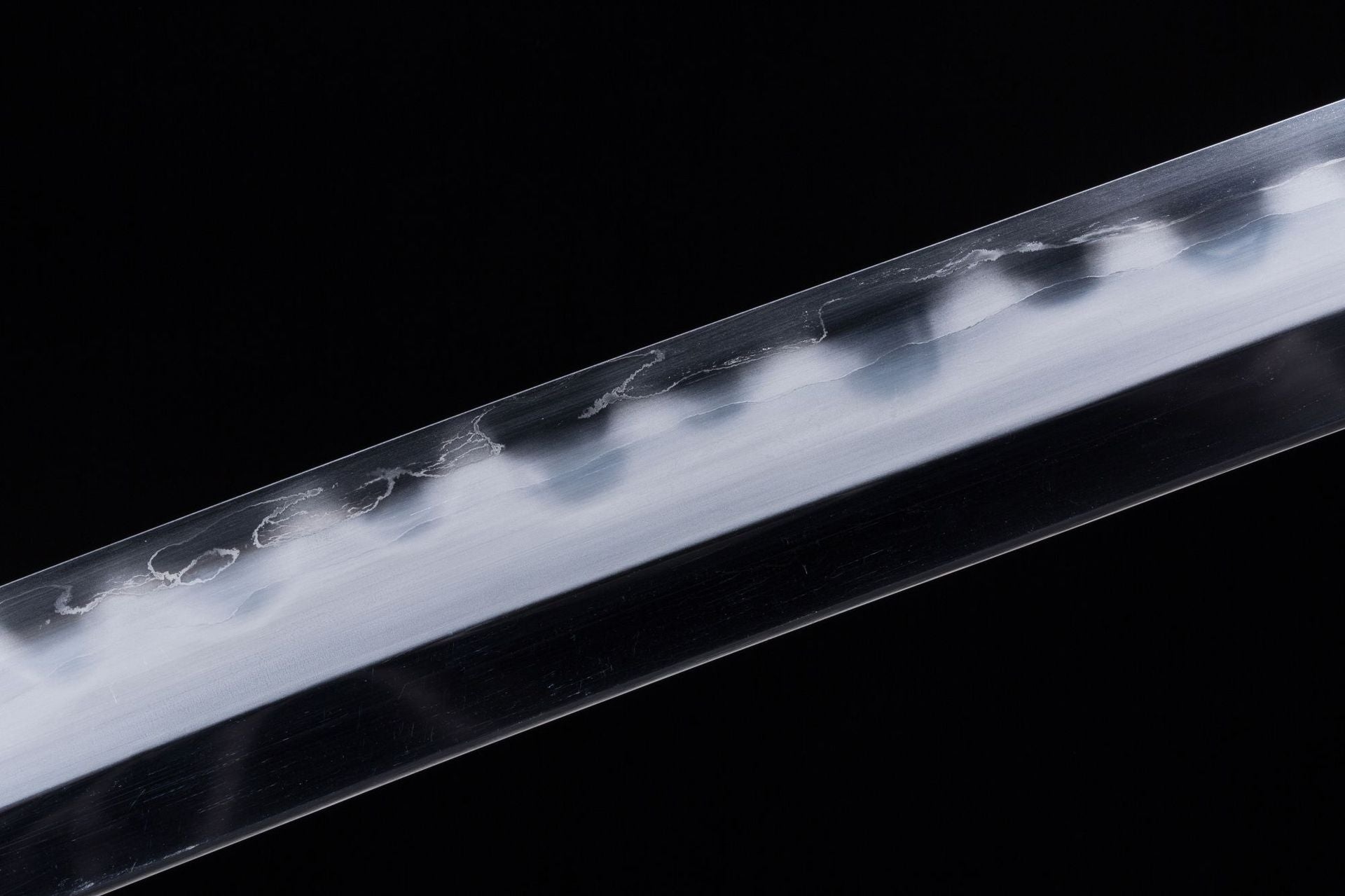
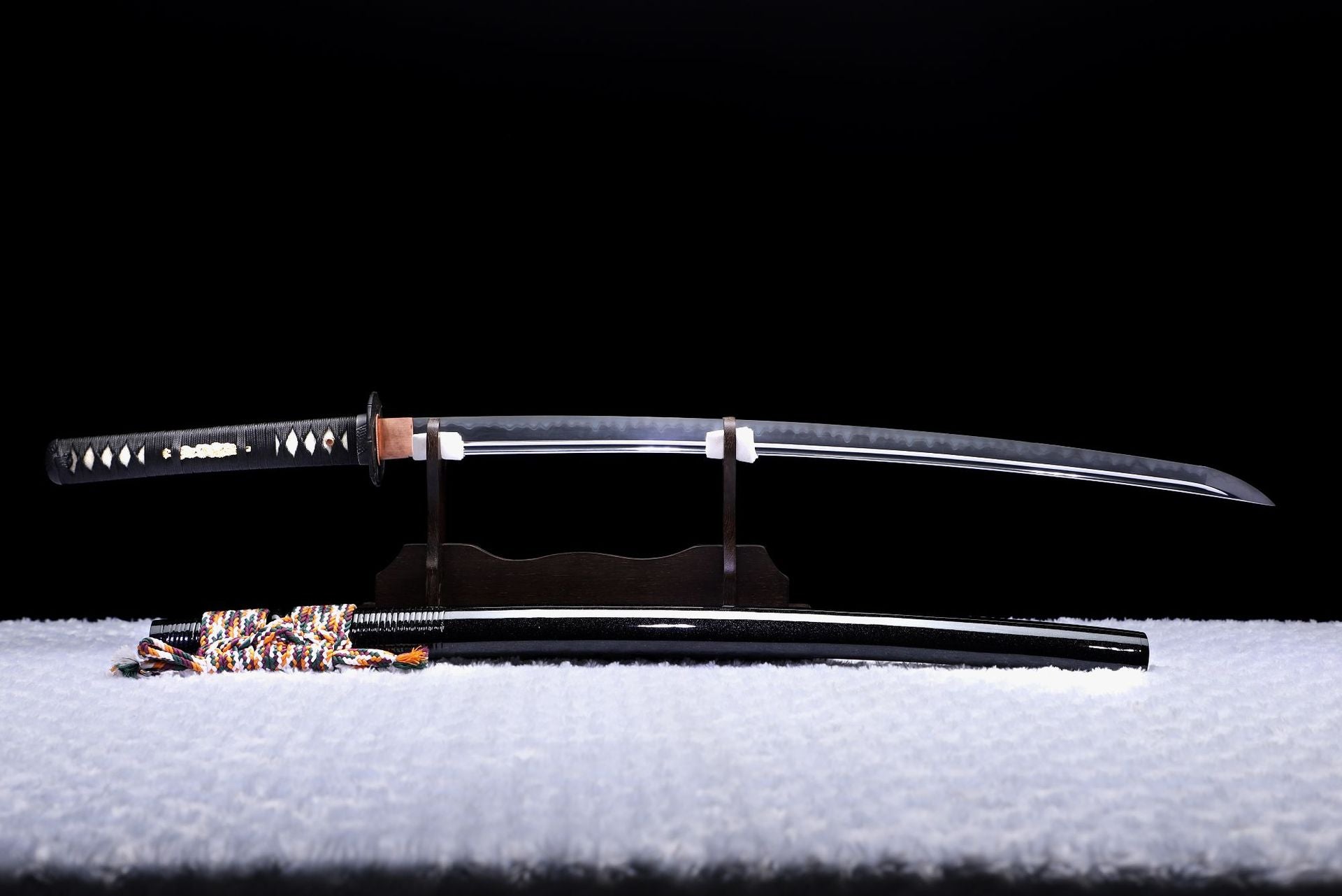
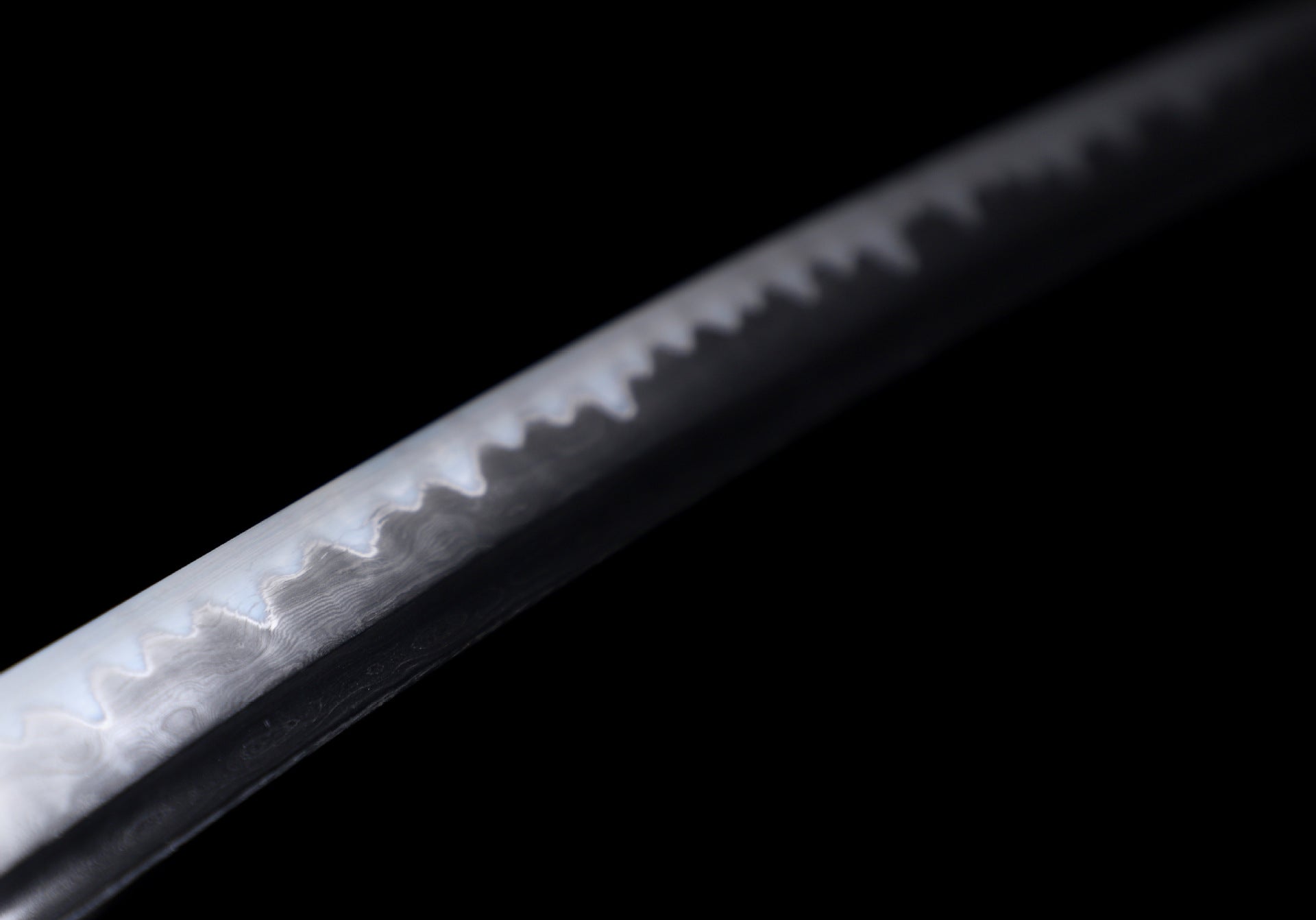
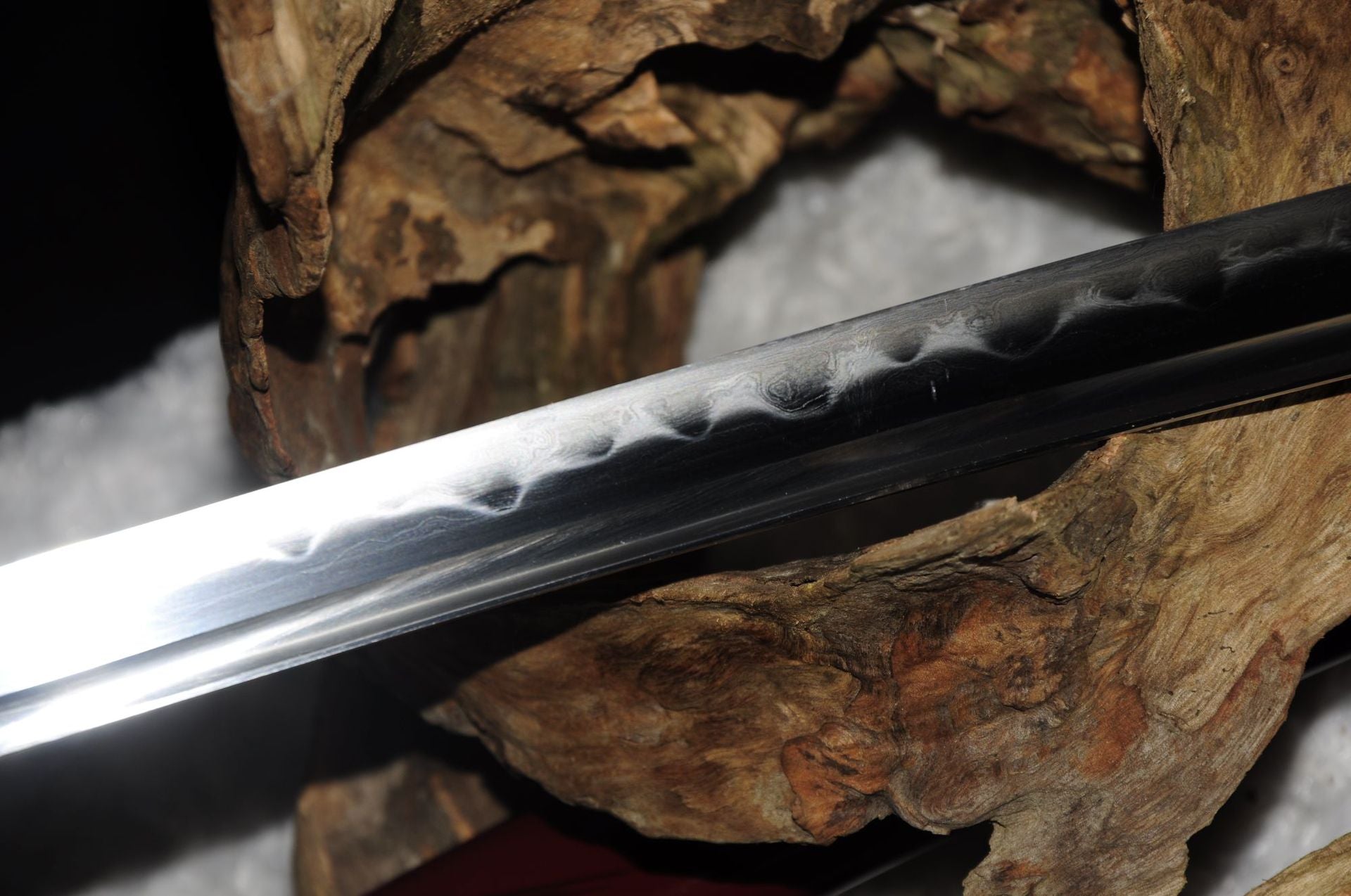
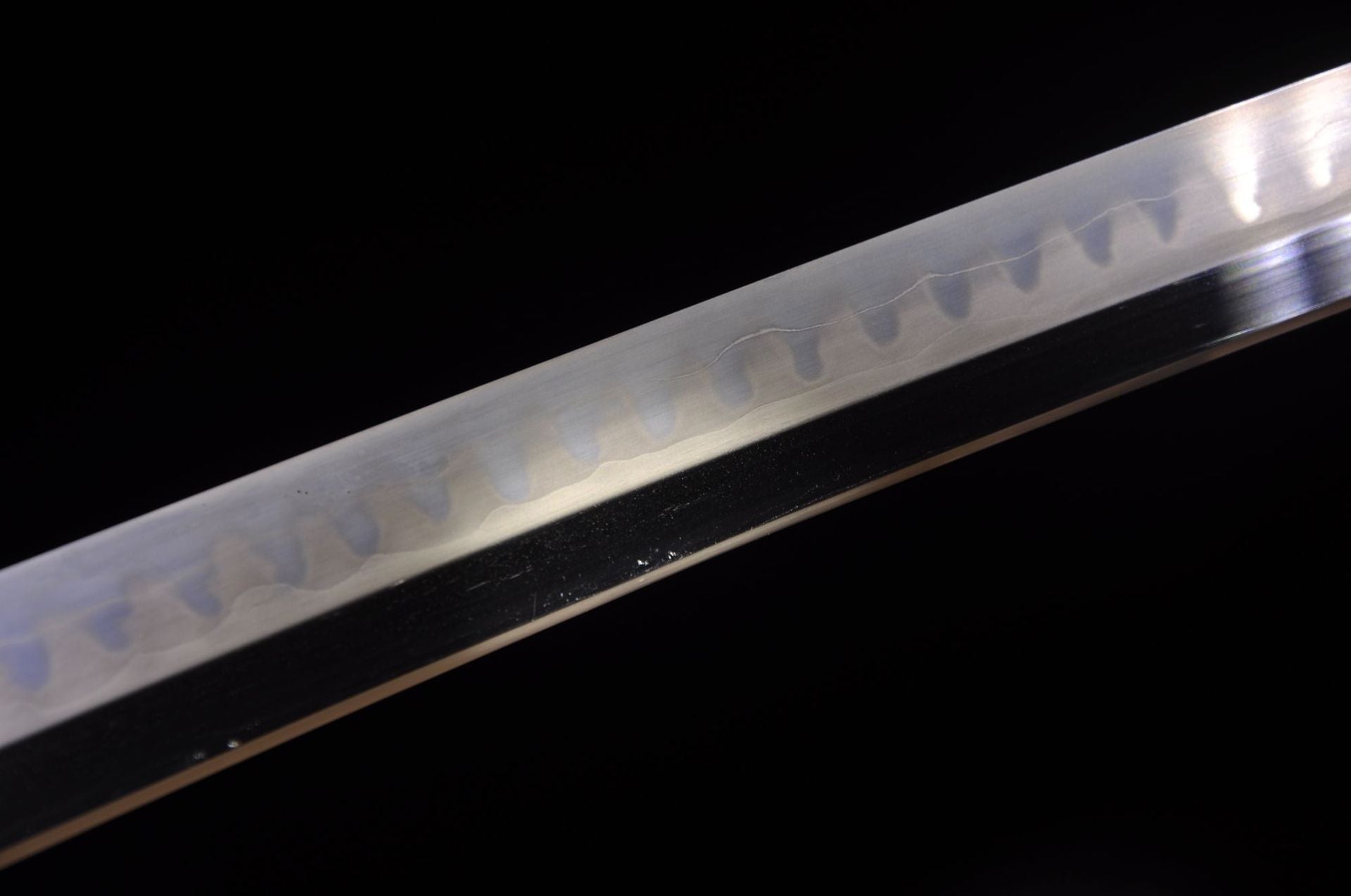
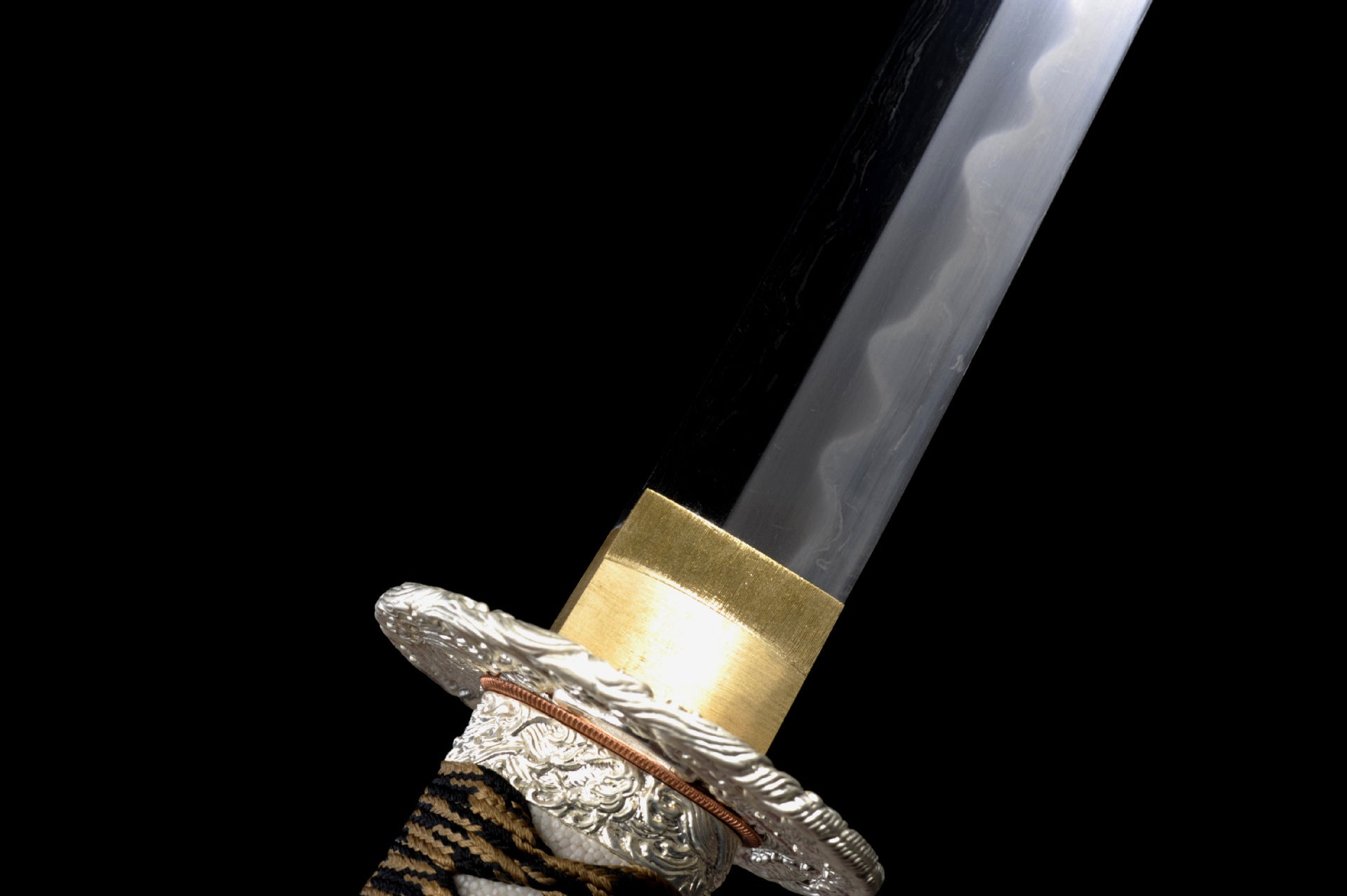
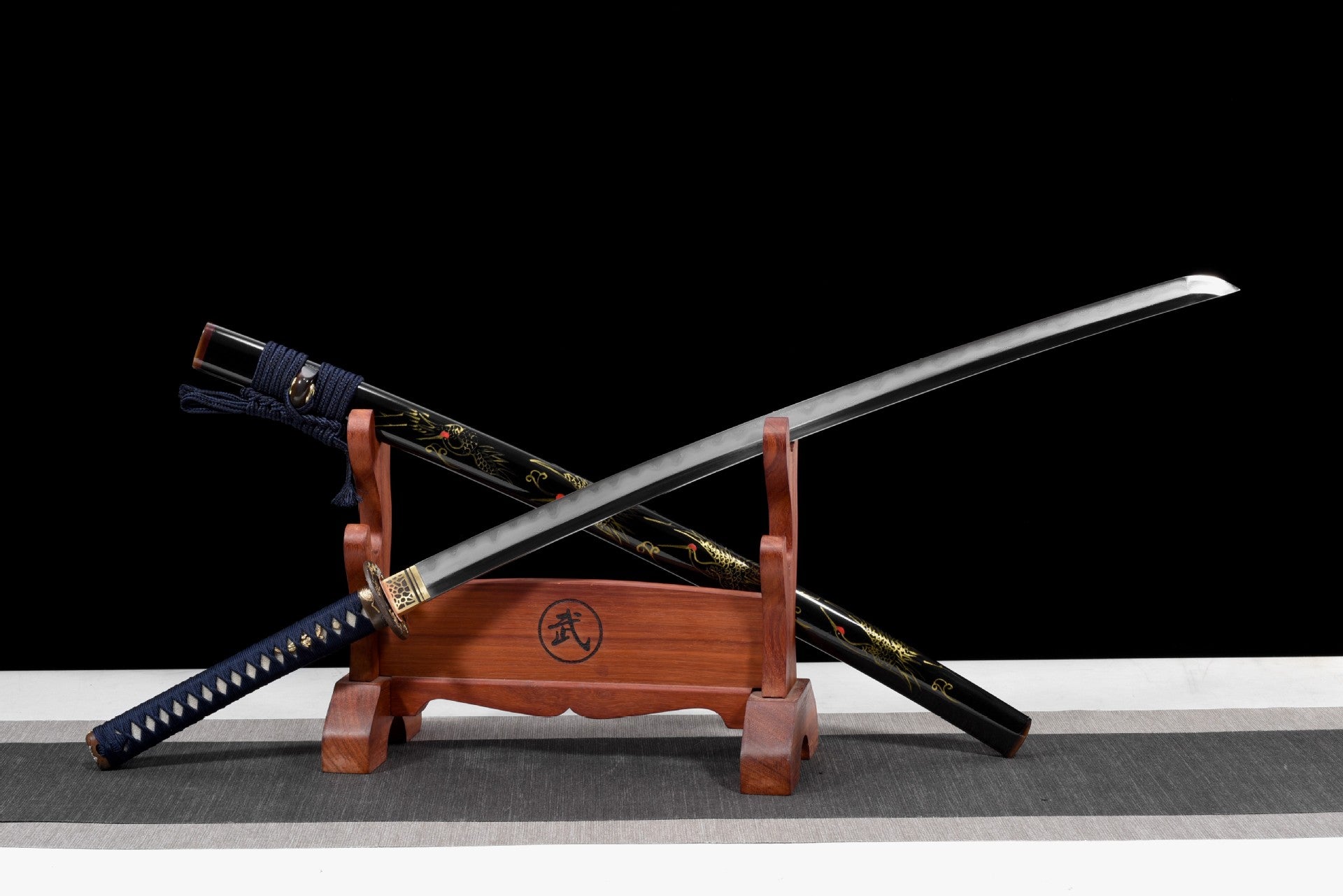
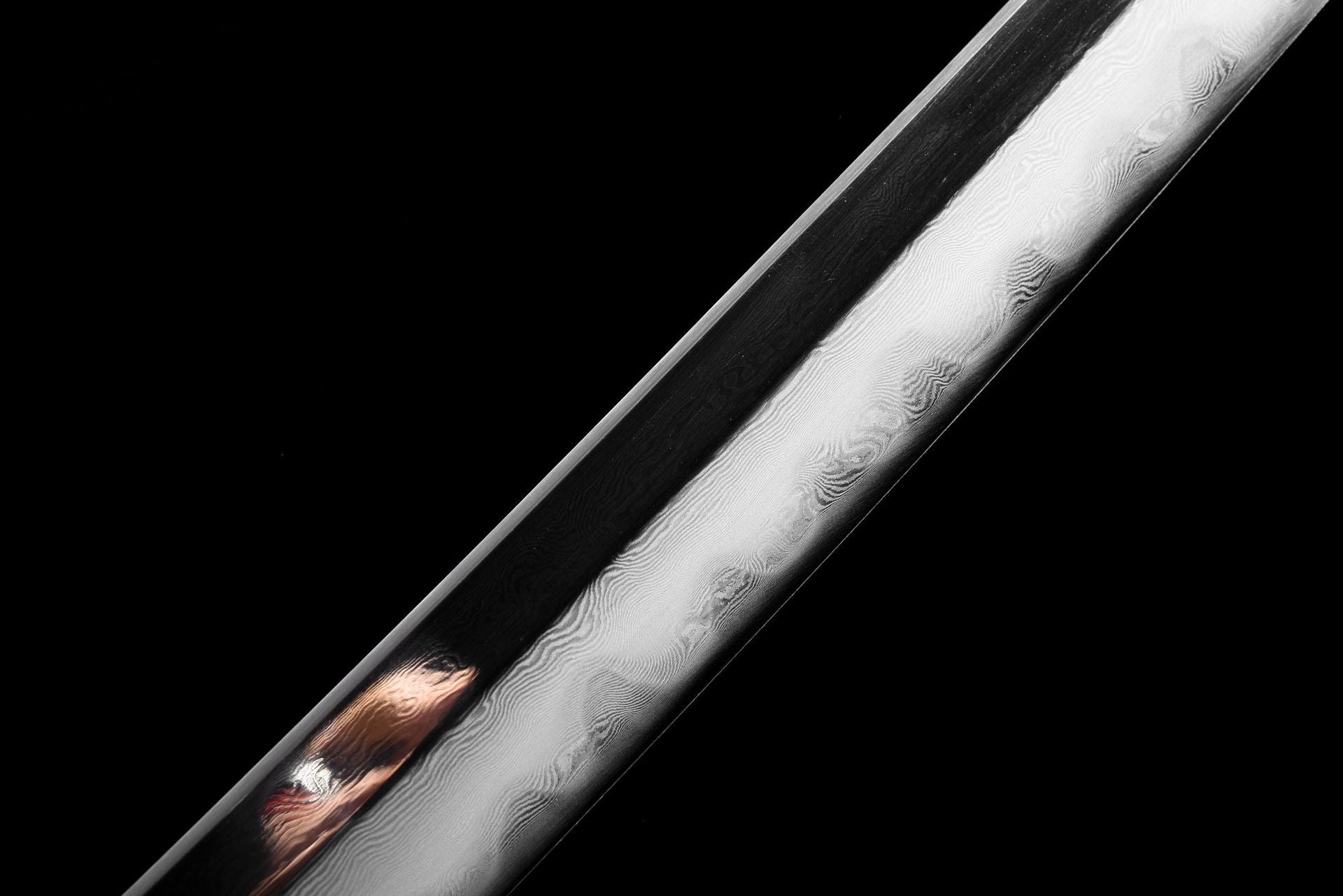
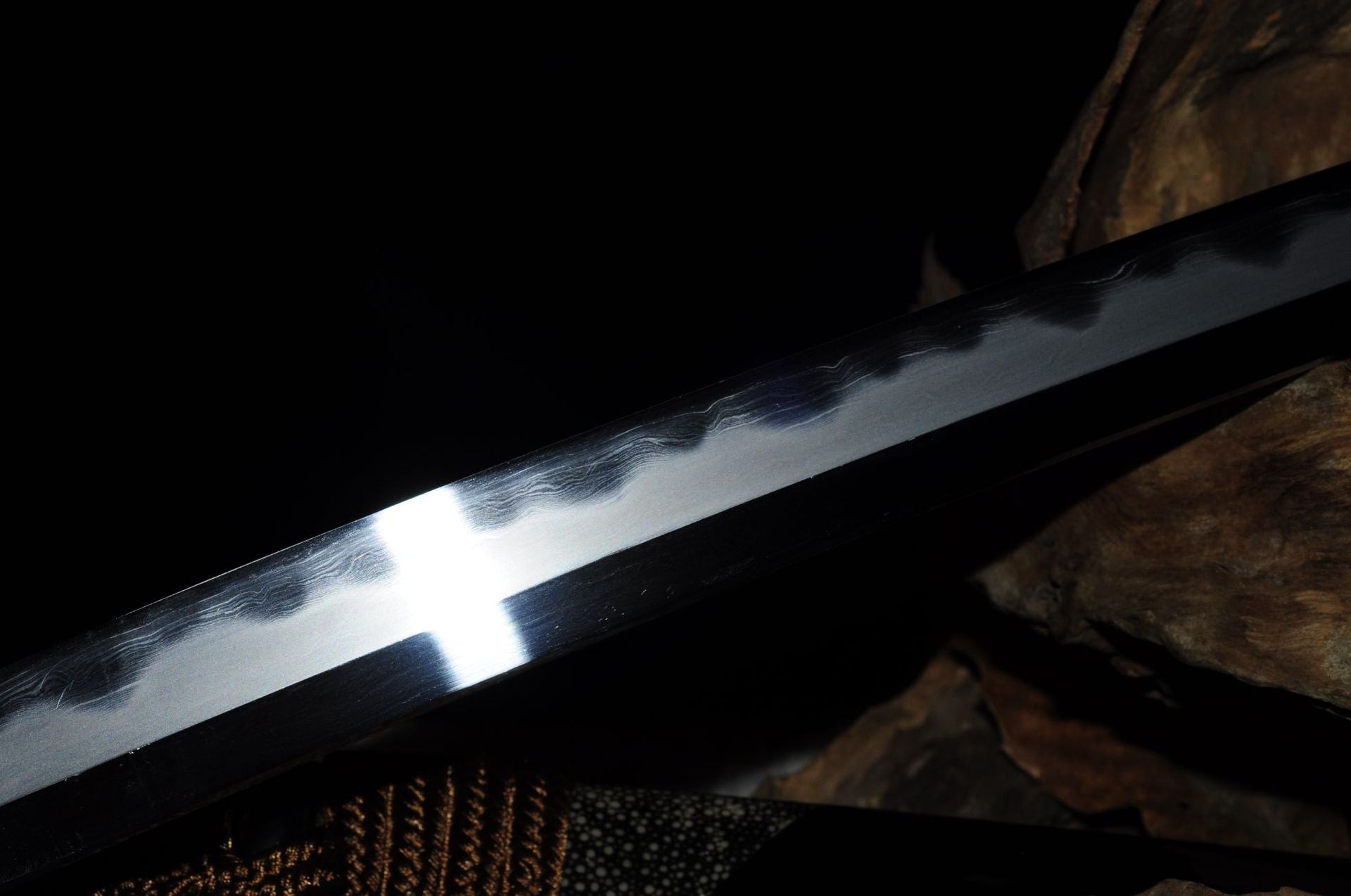
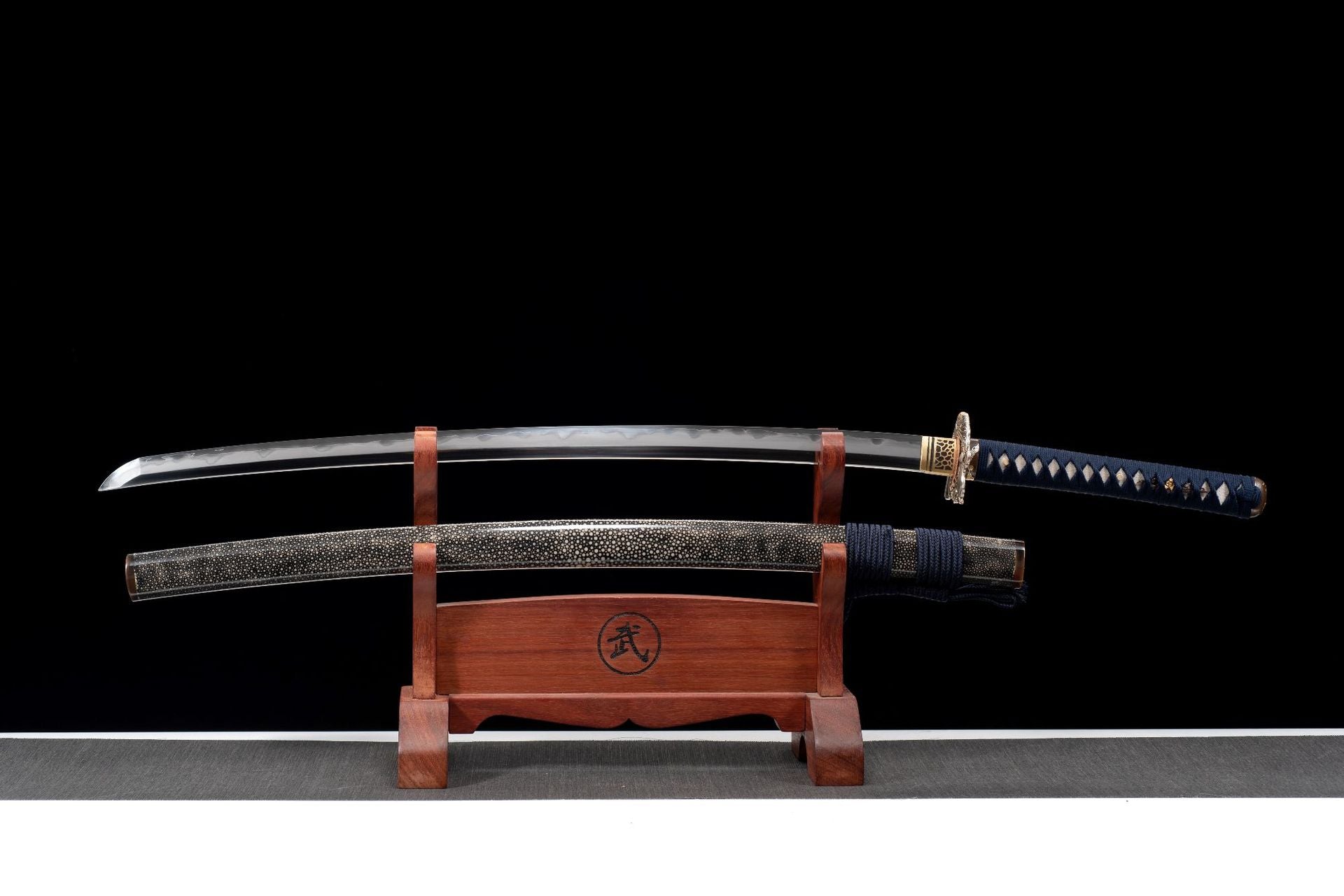
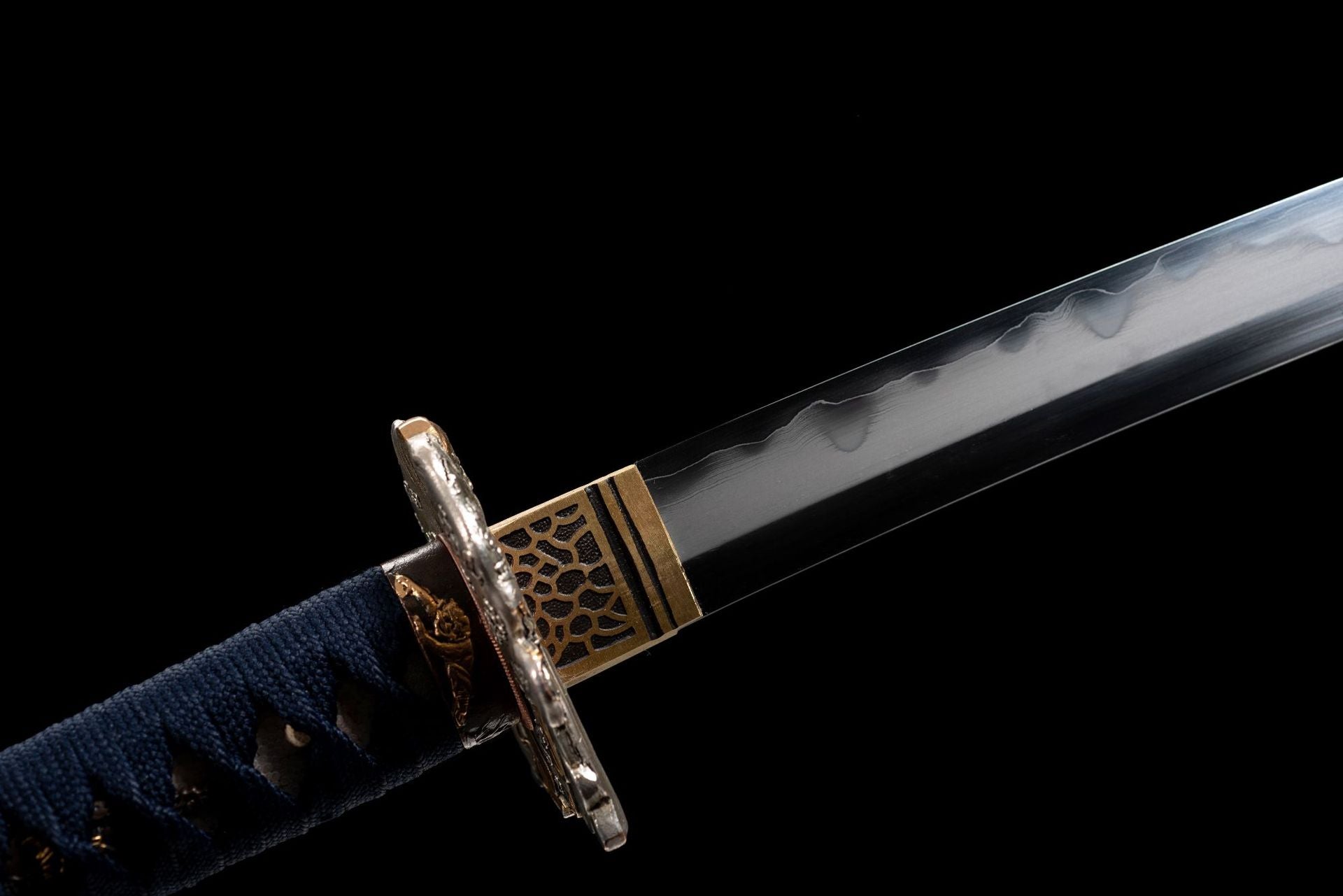
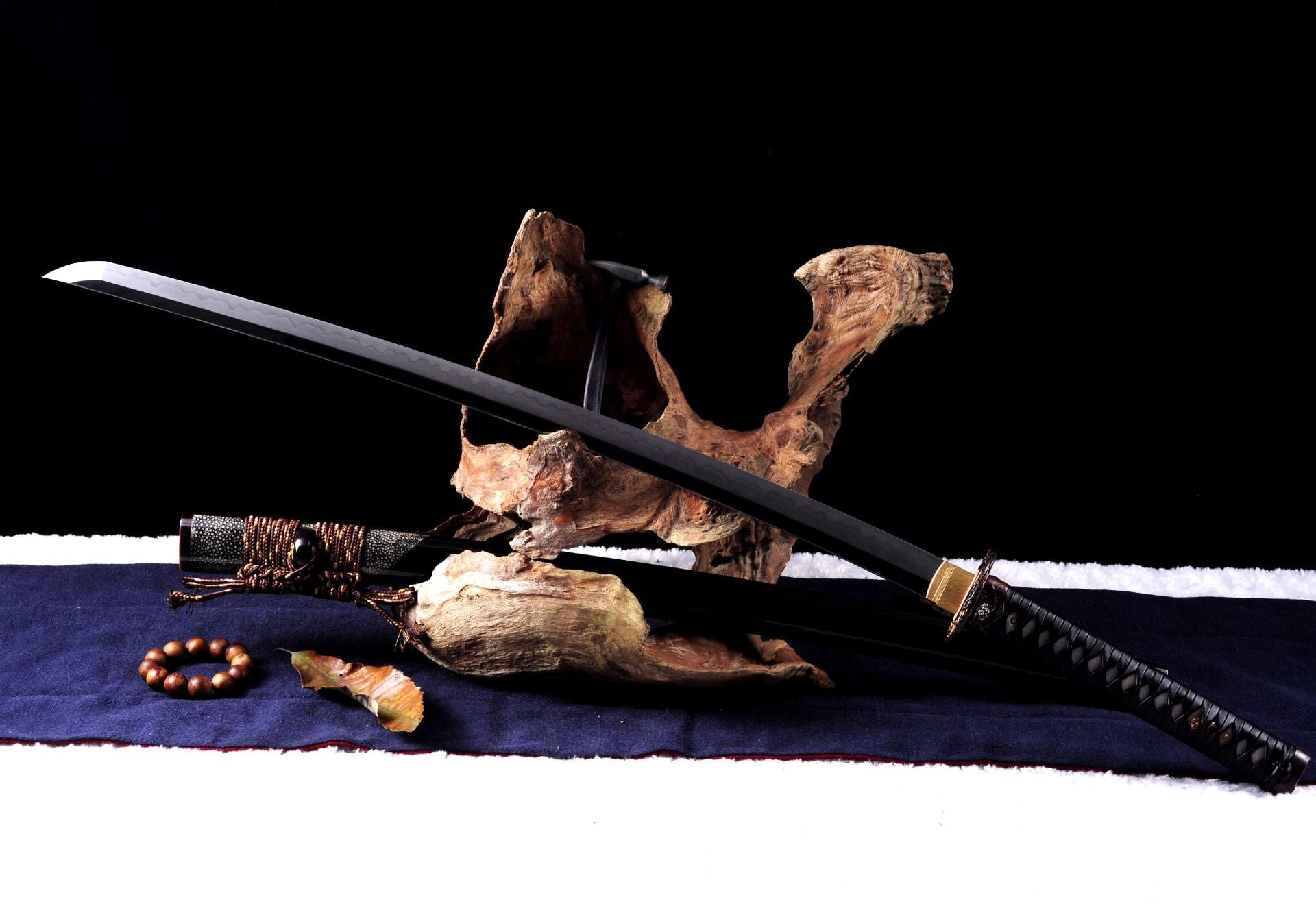
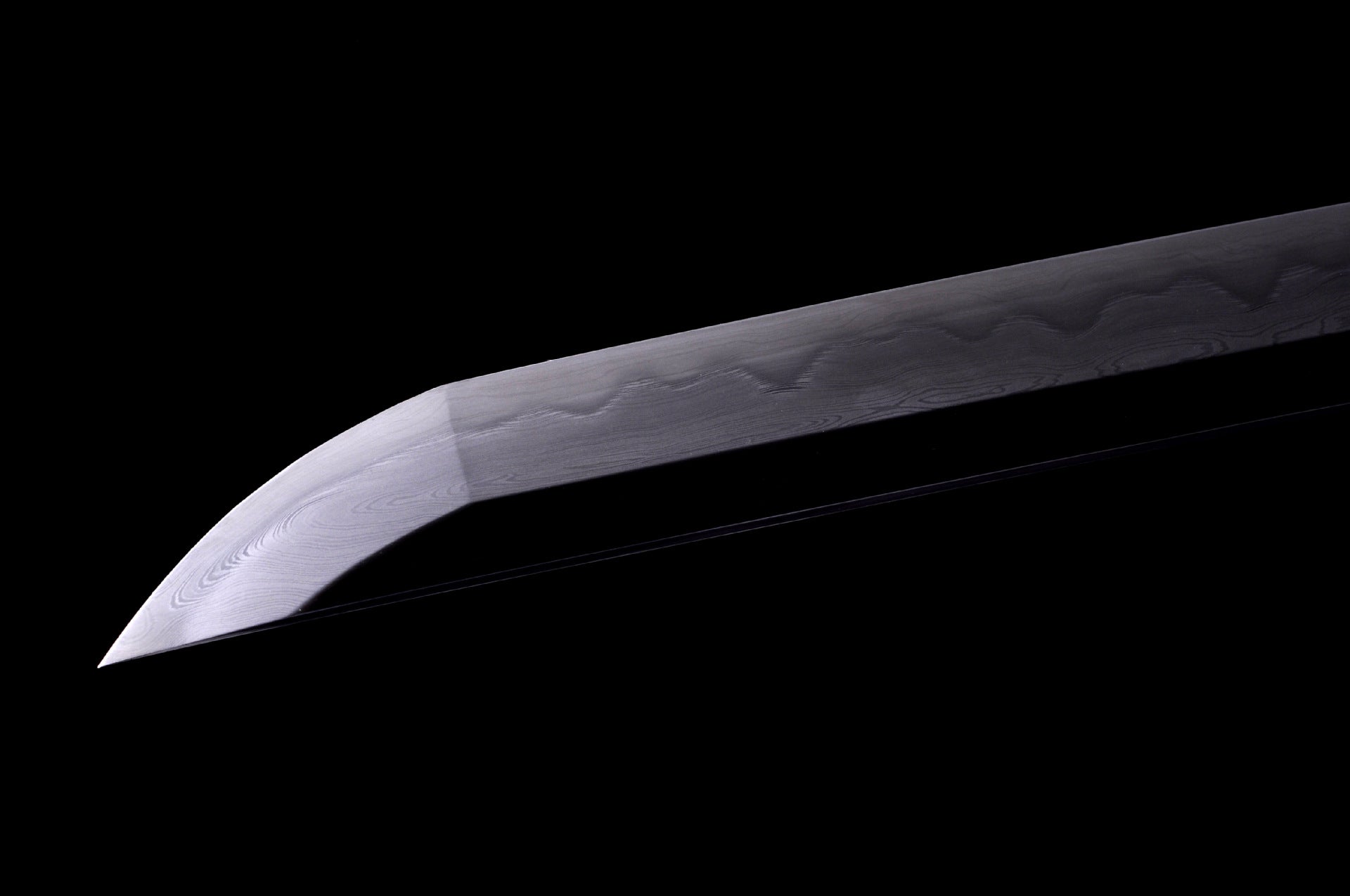
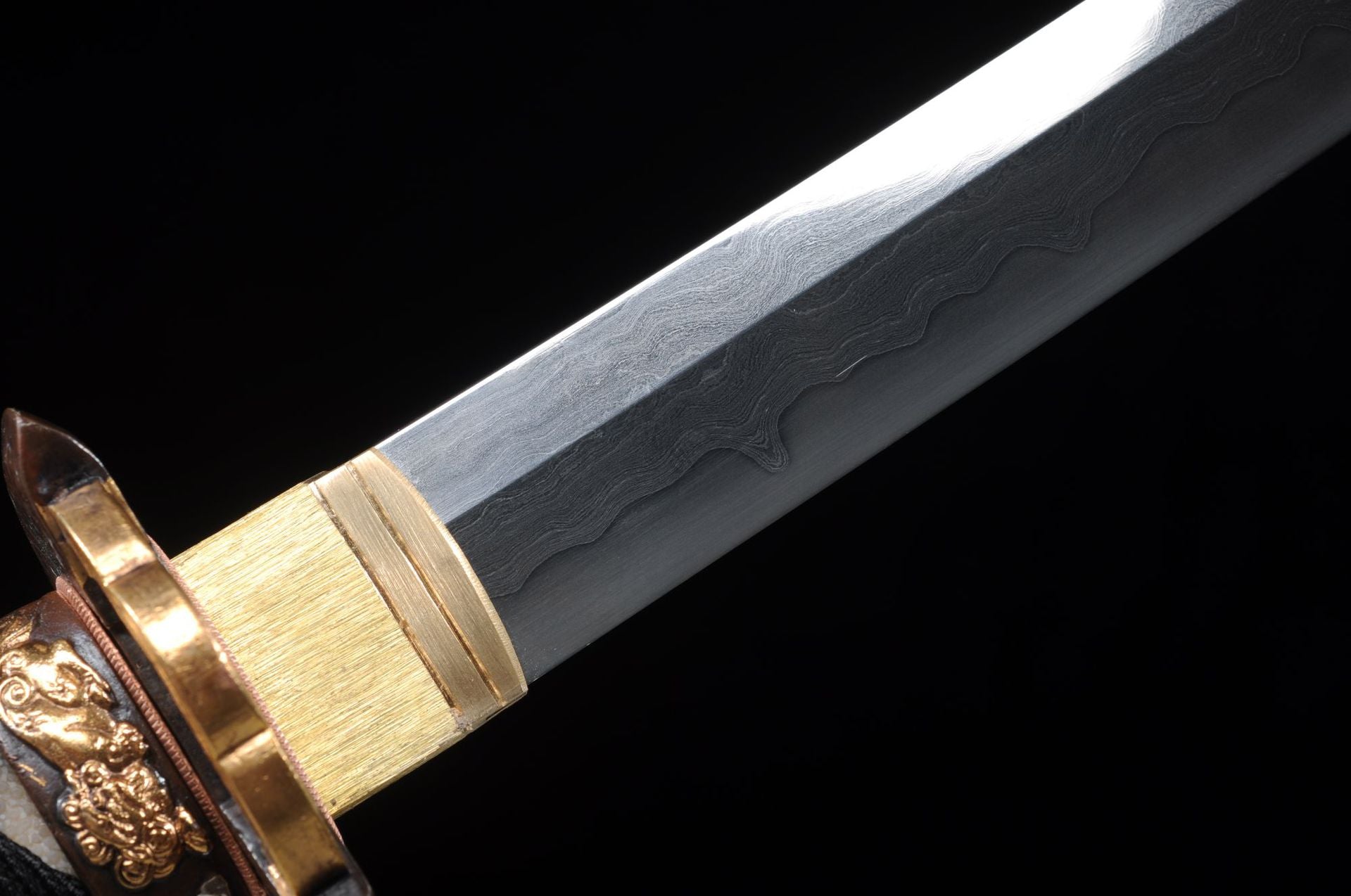
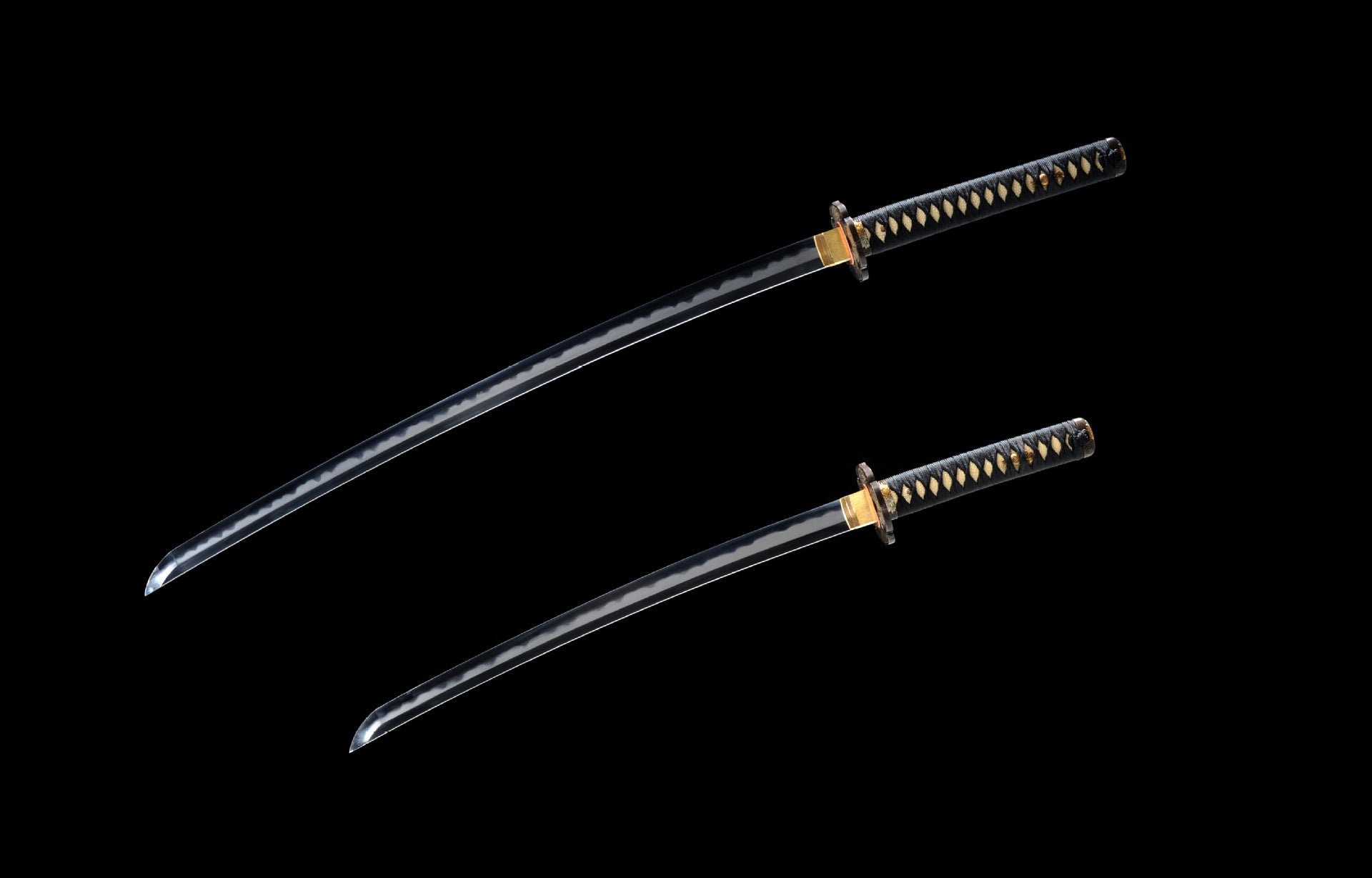
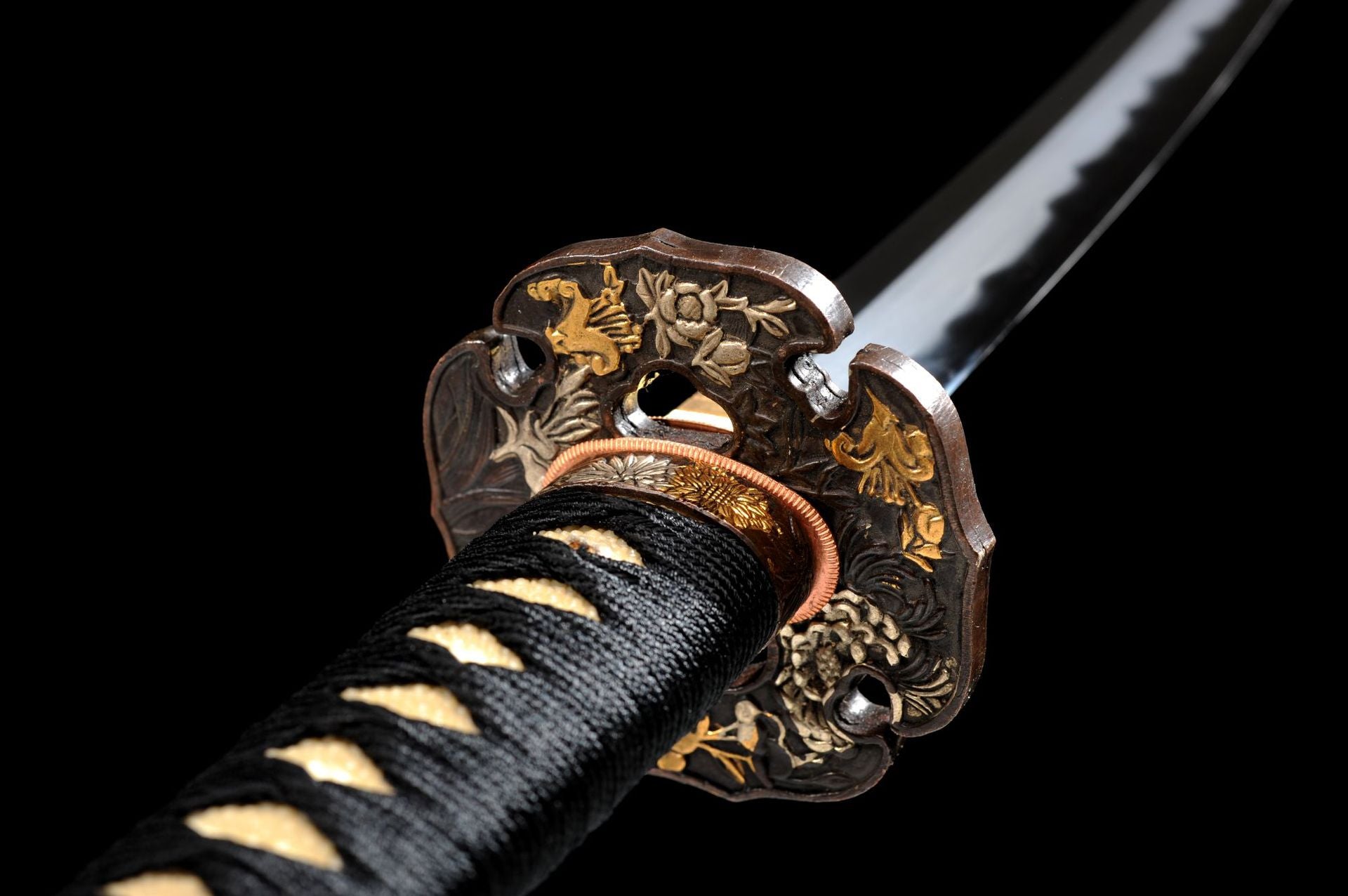
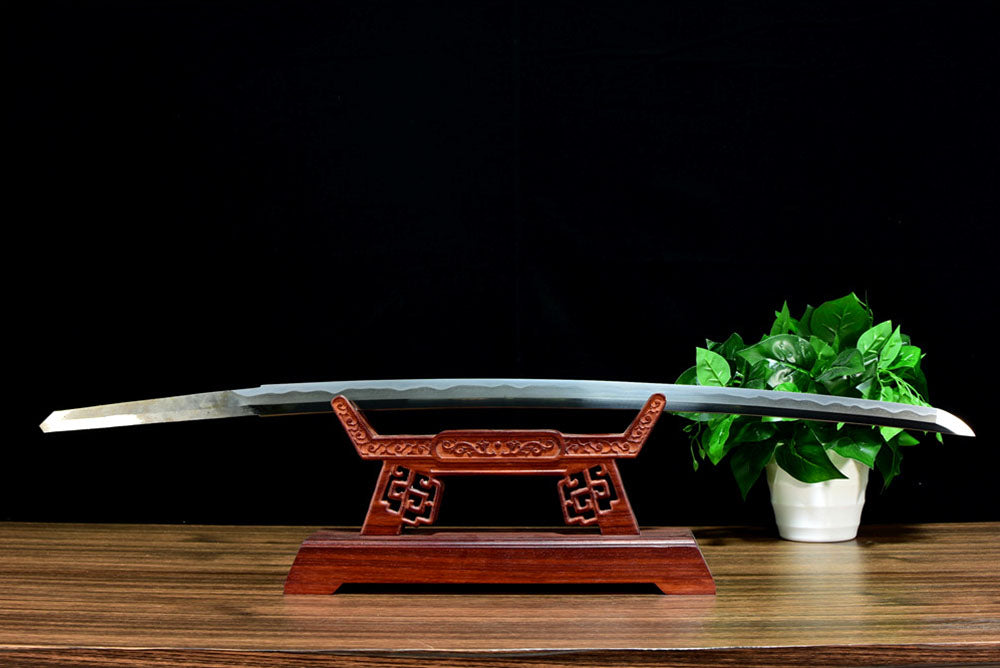
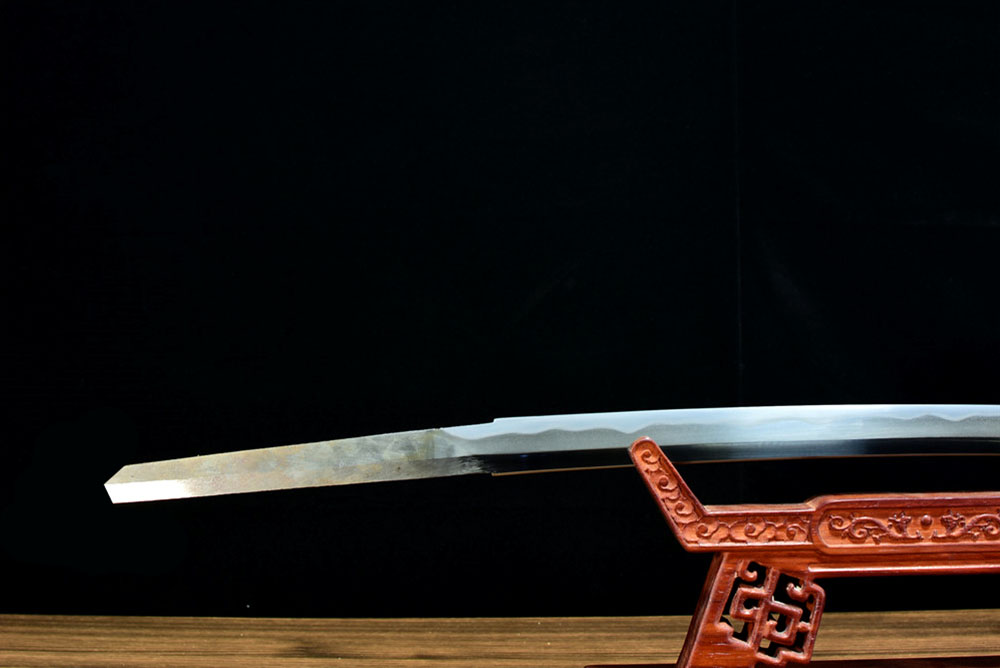
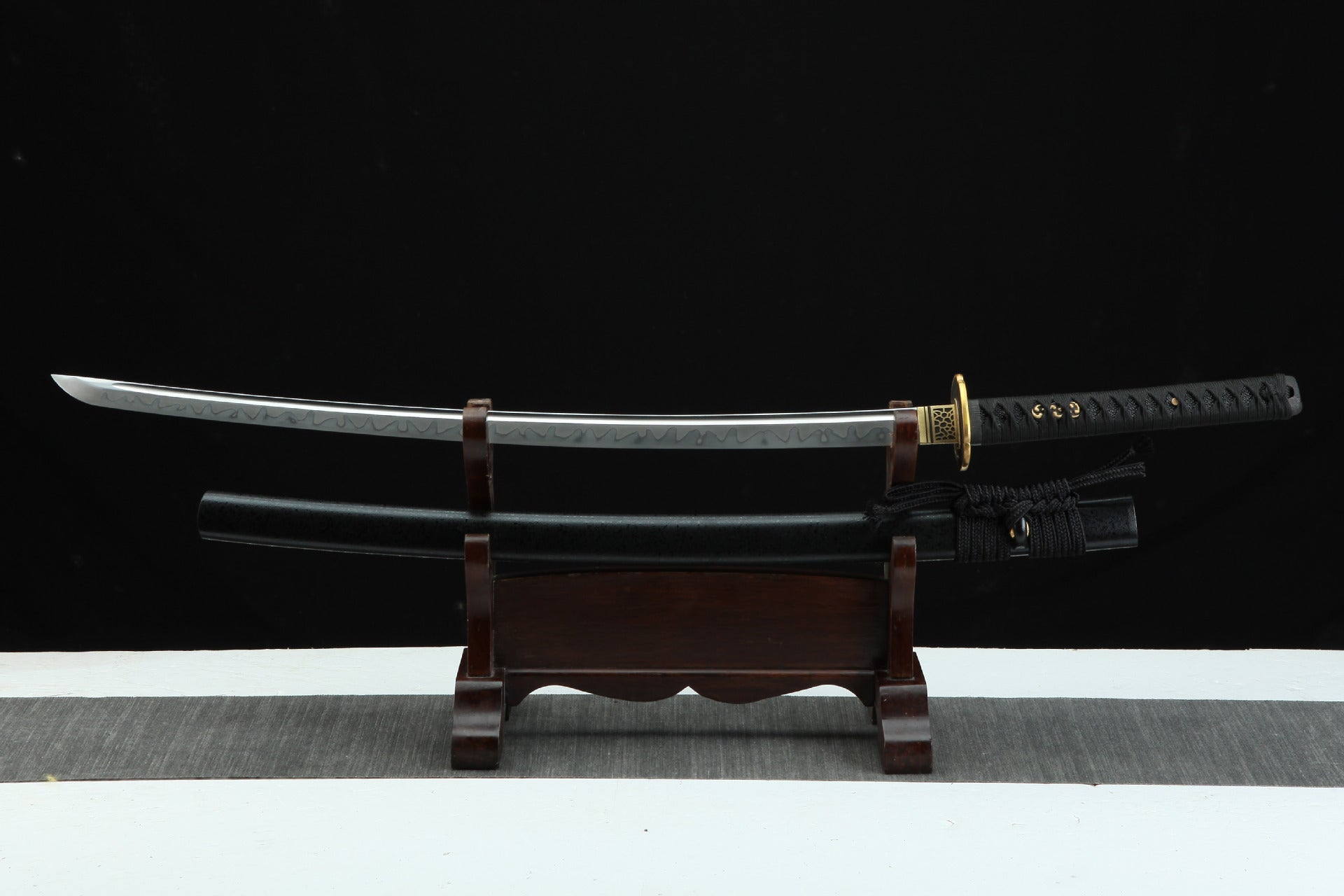
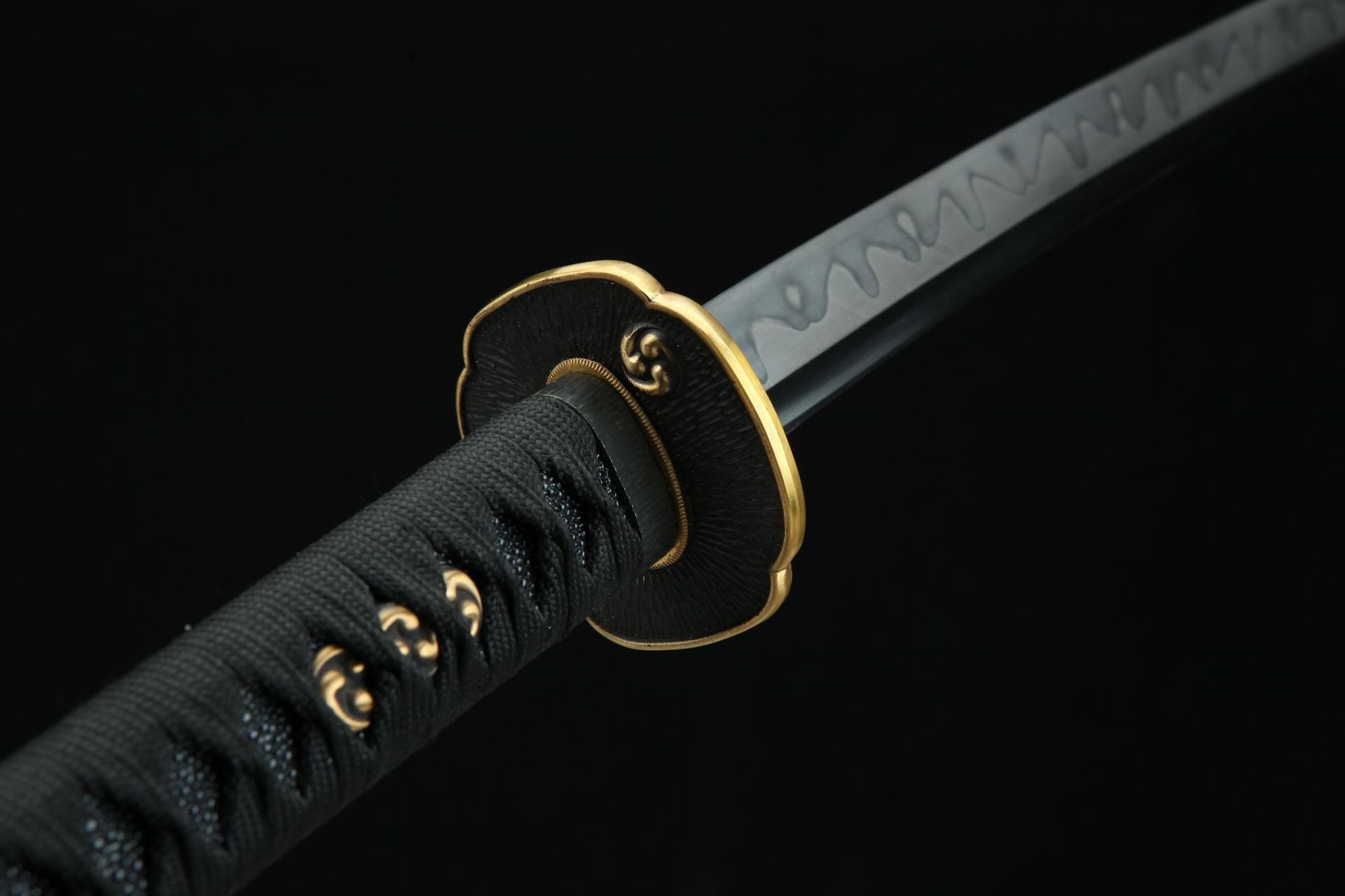
A genuine hamon is created by differential hardening during heat treatment. A decorative or enhanced hamon is produced or emphasized through surface finishing instead.
No. A visible hamon-style line does not always mean the blade was differentially hardened. Check the product specifications if the heat-treatment method matters to you.
No. Hamon is the visible pattern associated with differential hardening, while clay tempering describes a method used to produce that differential hardening. They are closely related, but one describes the visible result and the other describes the heat-treatment approach.
Yes. T10 steel can be differentially hardened and can show a genuine hamon when that heat-treatment process is used. However, T10 describes the steel grade, not the heat treatment, so a T10 blade should not automatically be assumed to have a genuine hamon.
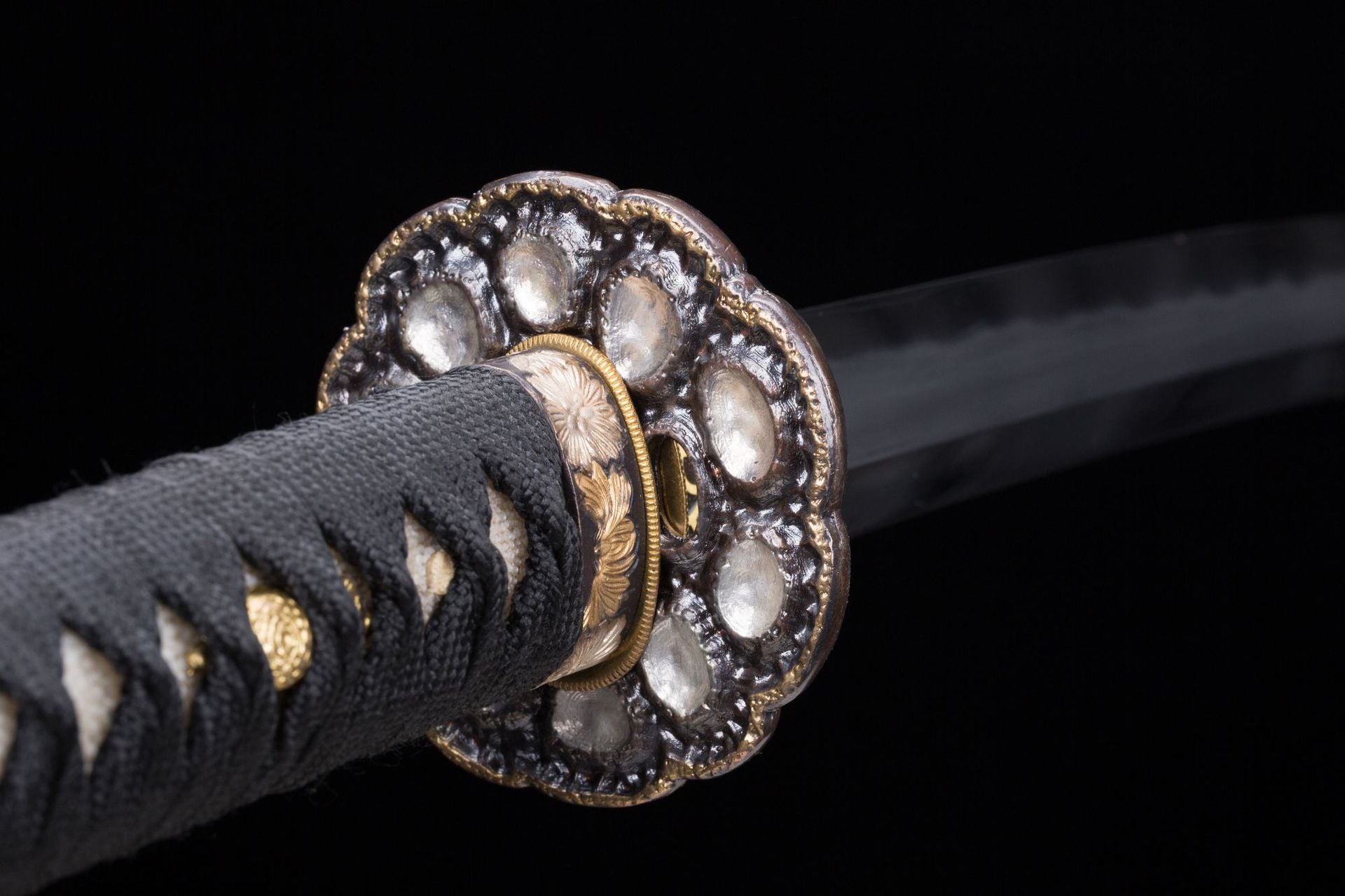
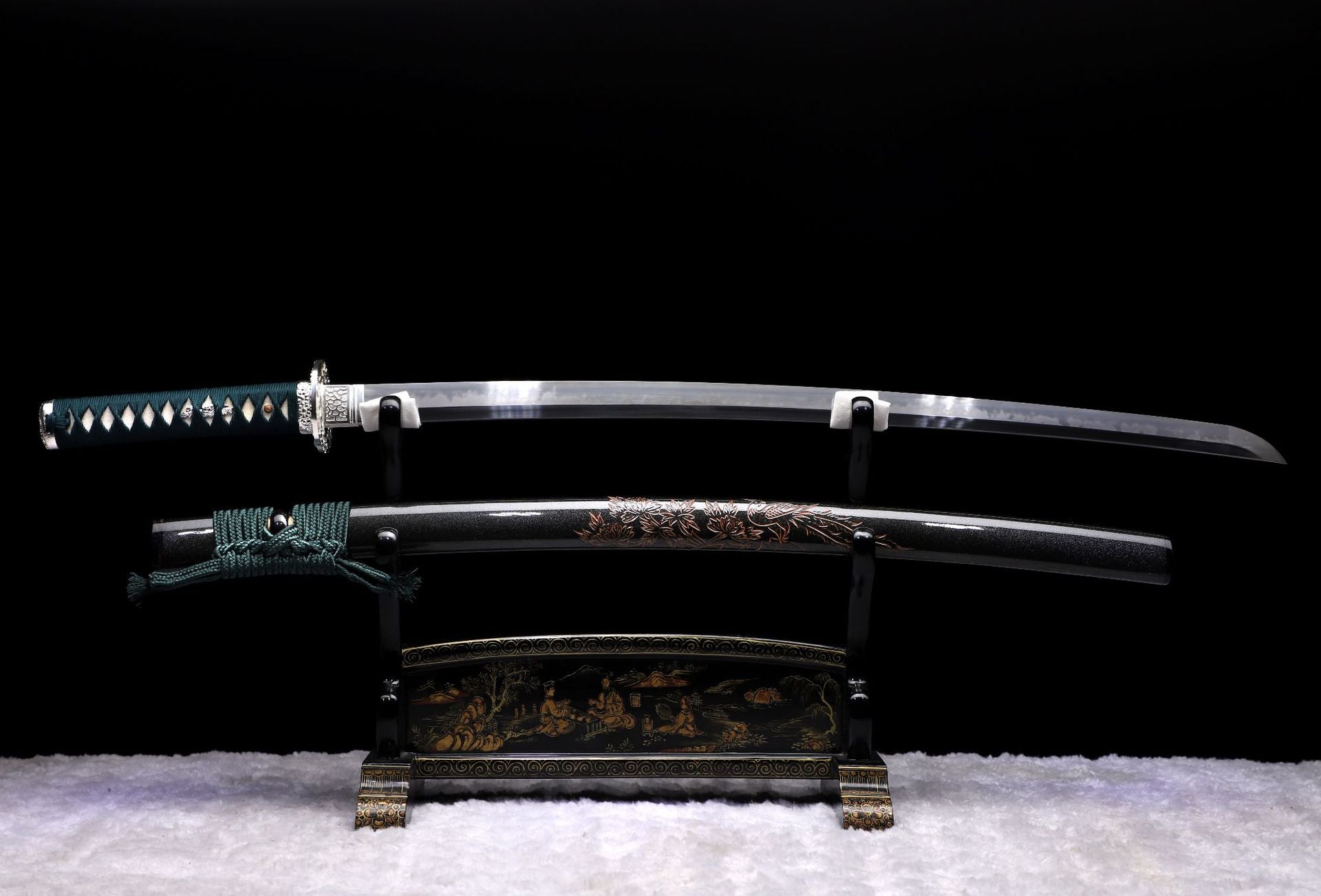
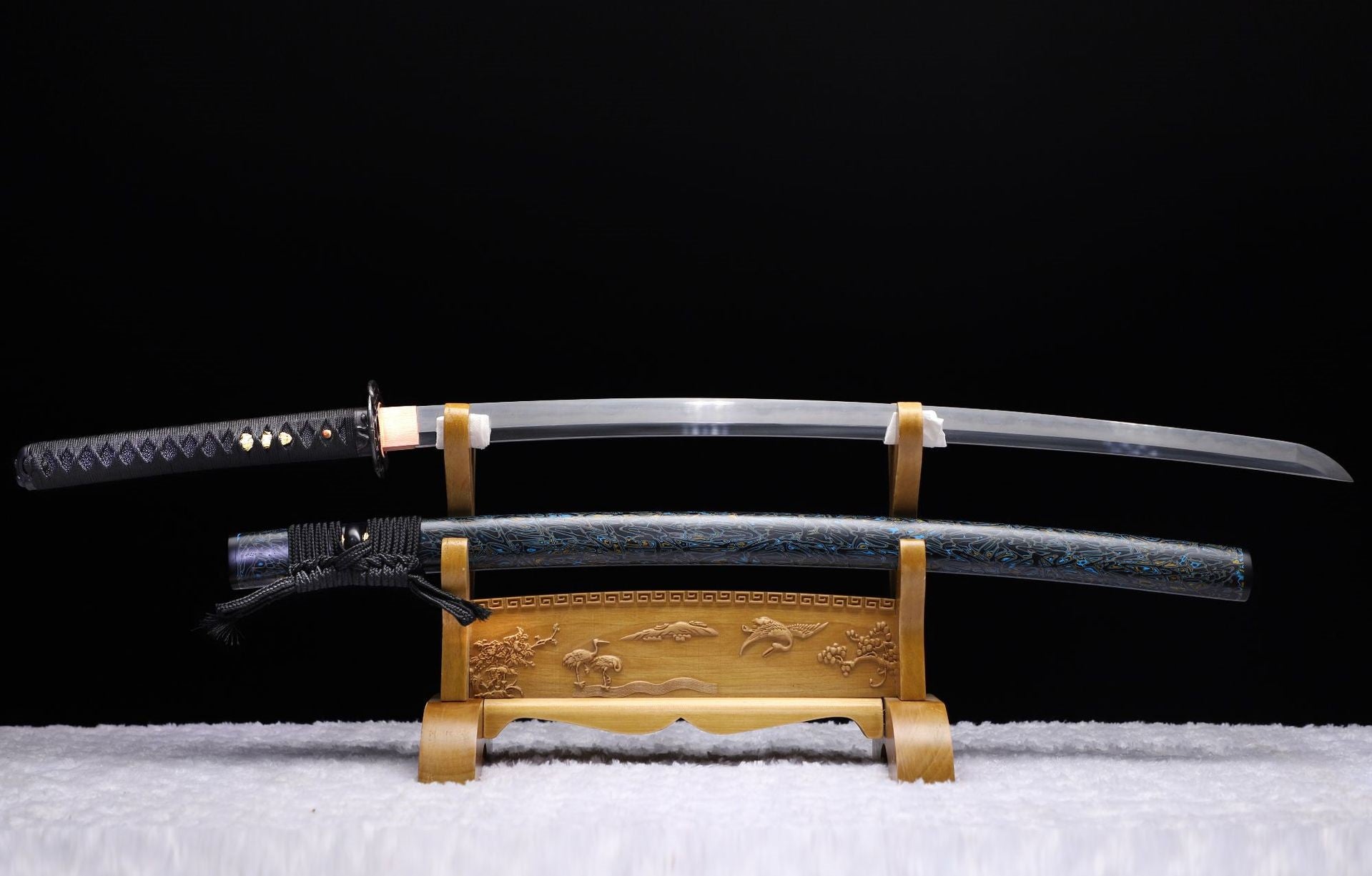
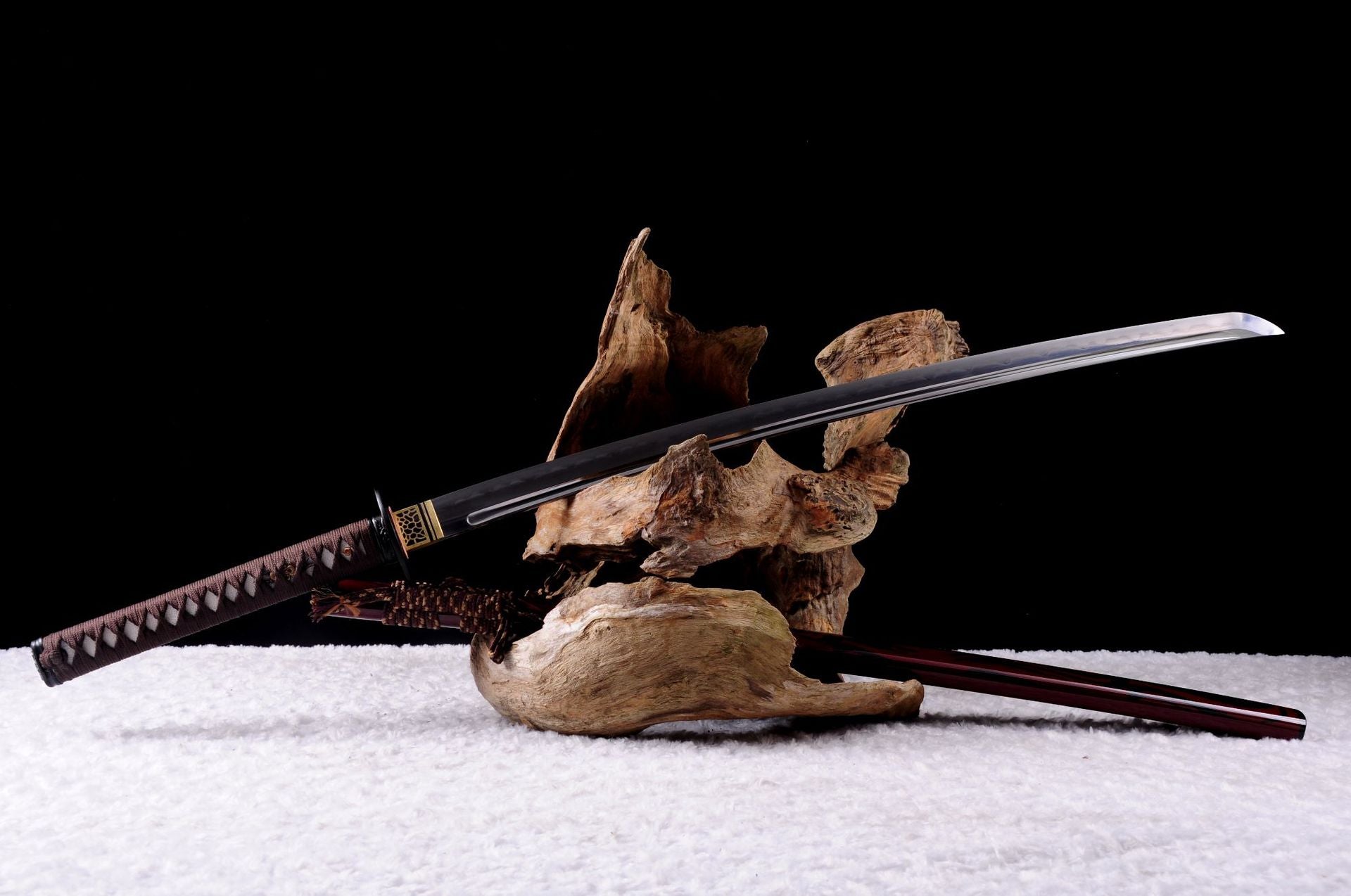
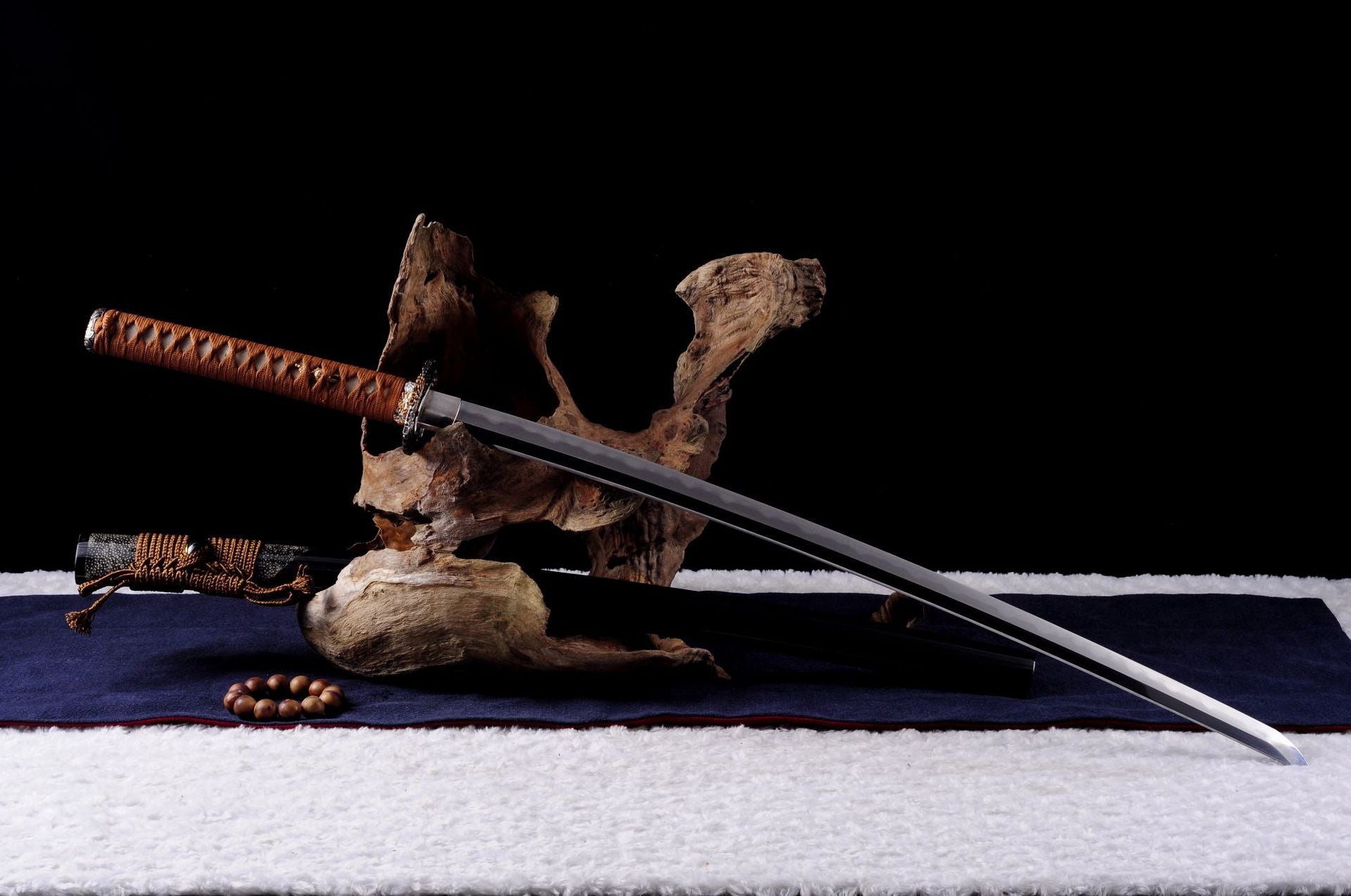
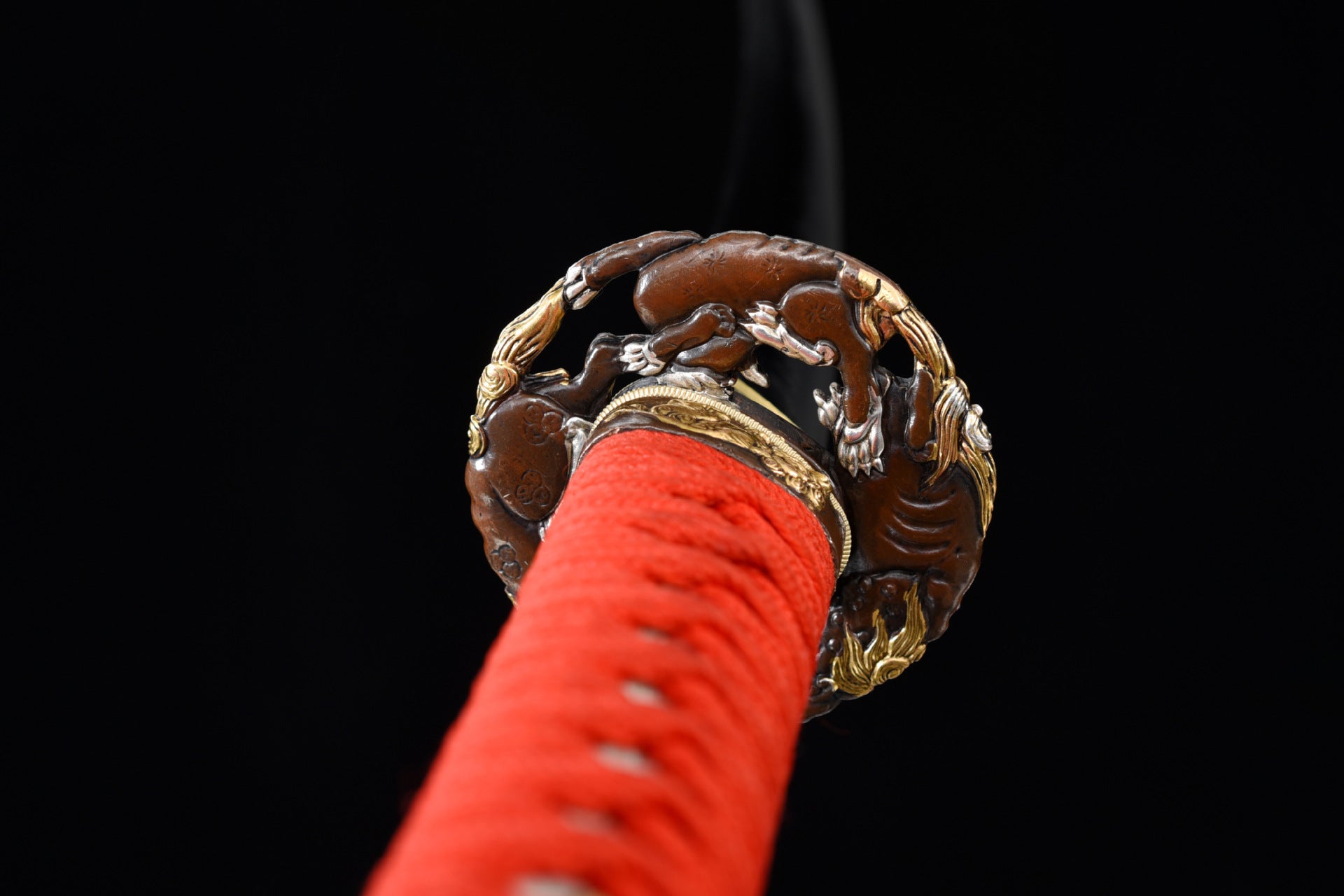
Not automatically. A genuine hamon can tell you something about how the blade was heat-treated, but hamon itself is not a quality grade. Two katana with visible hamon can still differ significantly in construction, polish, fittings, and overall finish.
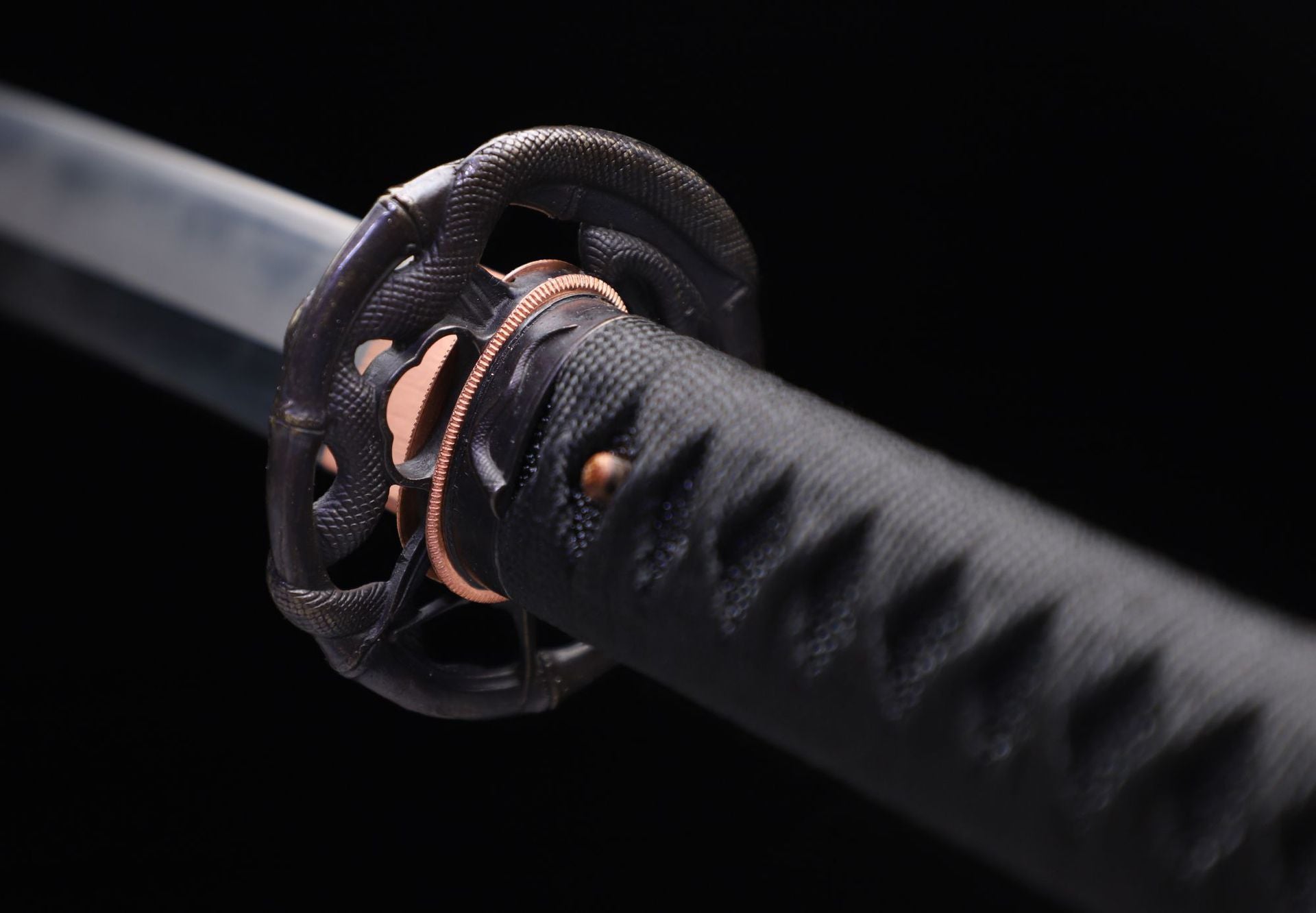
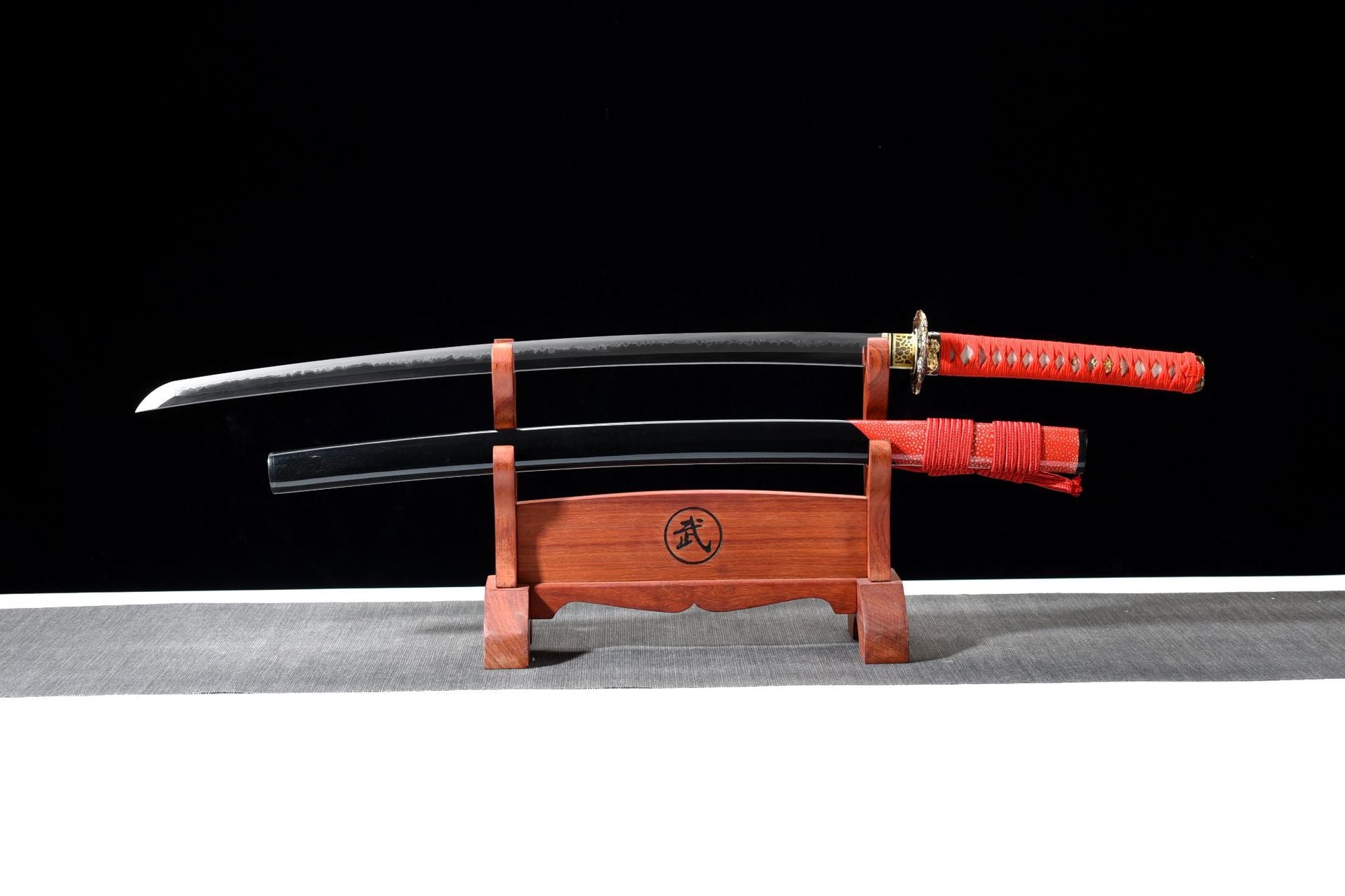
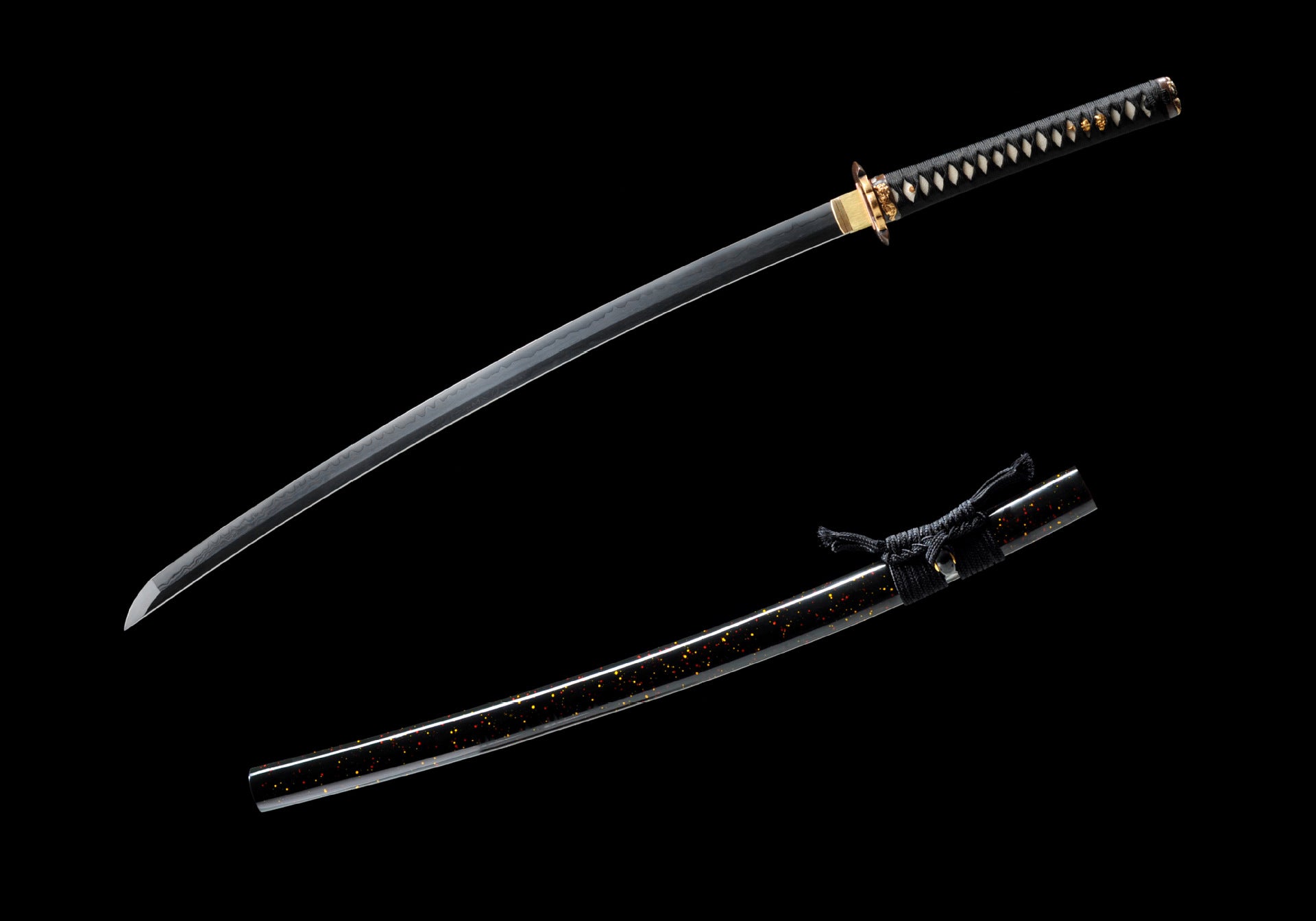
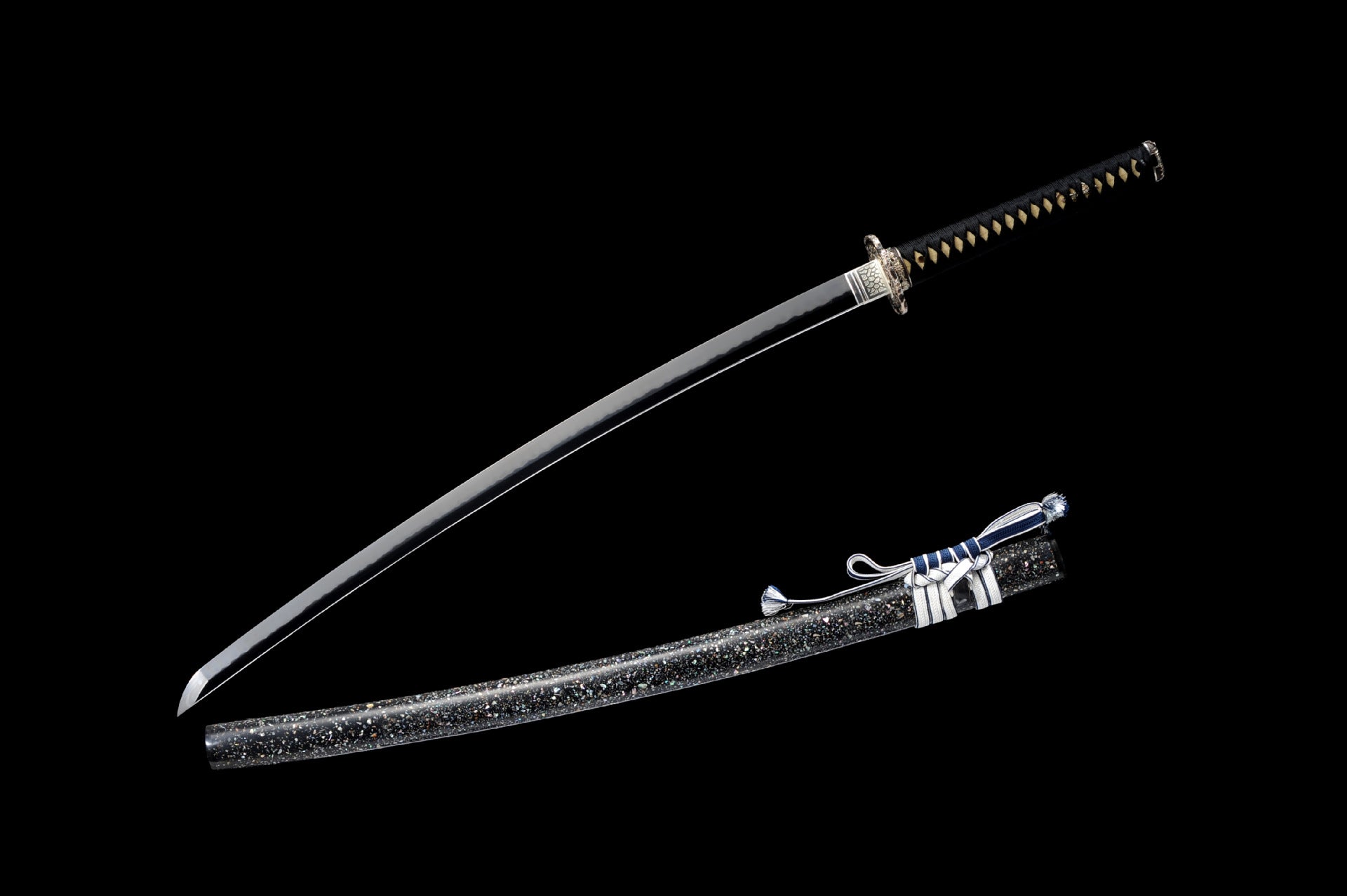
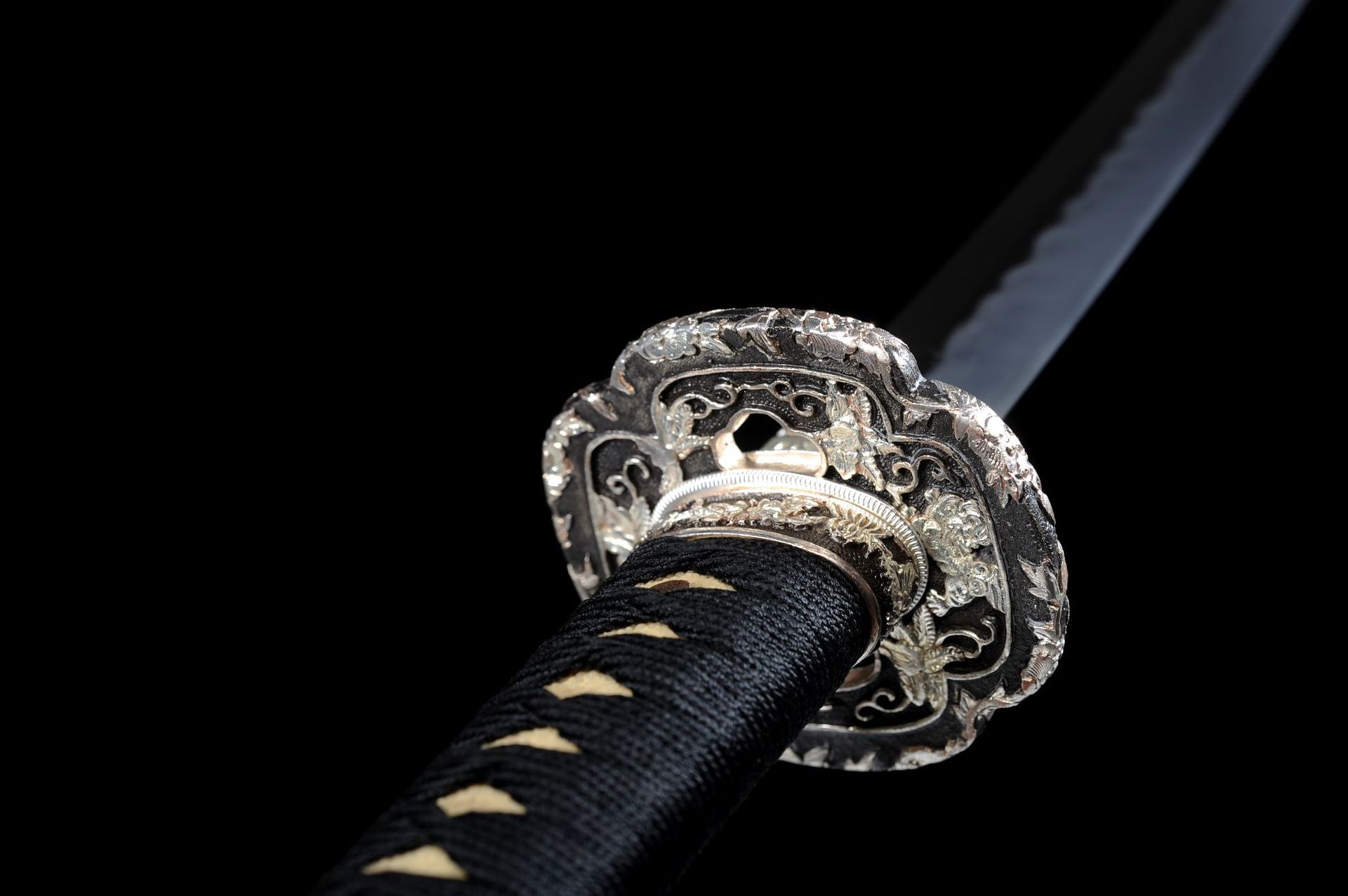
Start by confirming how the hamon is described, then compare the blade, polish, dimensions, fittings, saya, and overall finish.