
Frequently Asked Questions
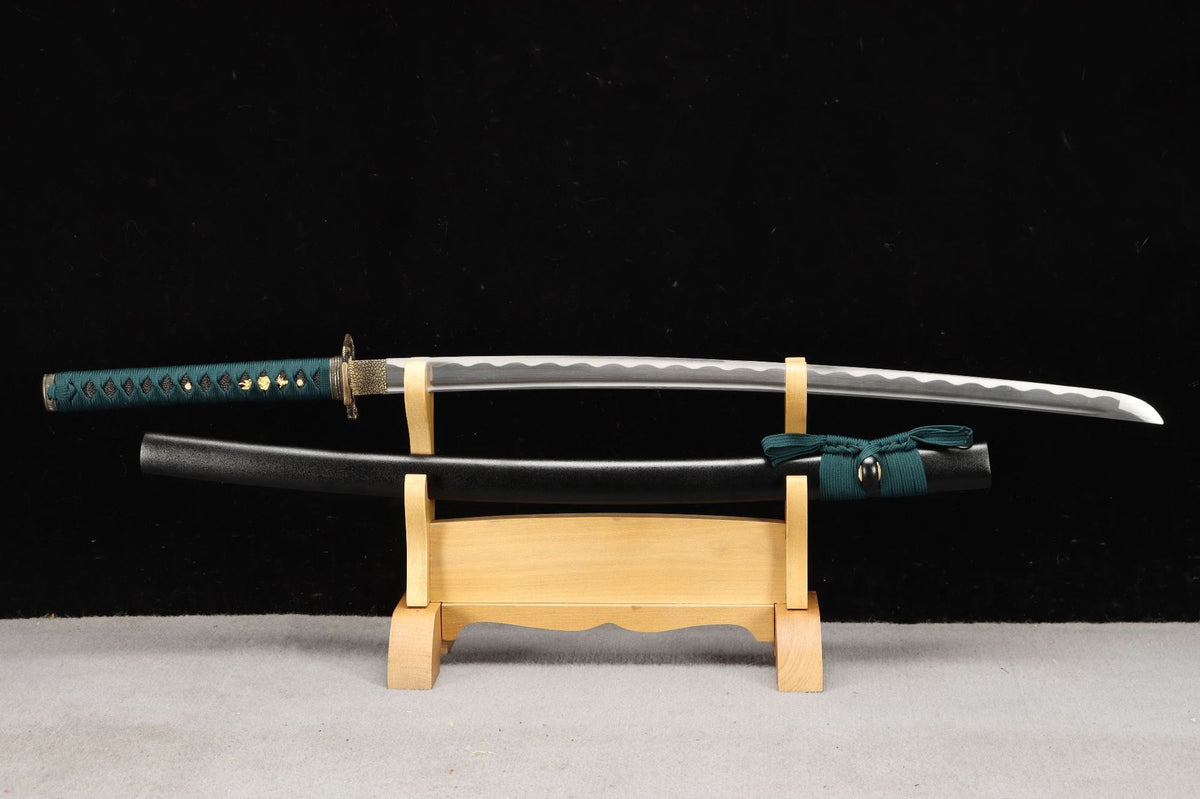
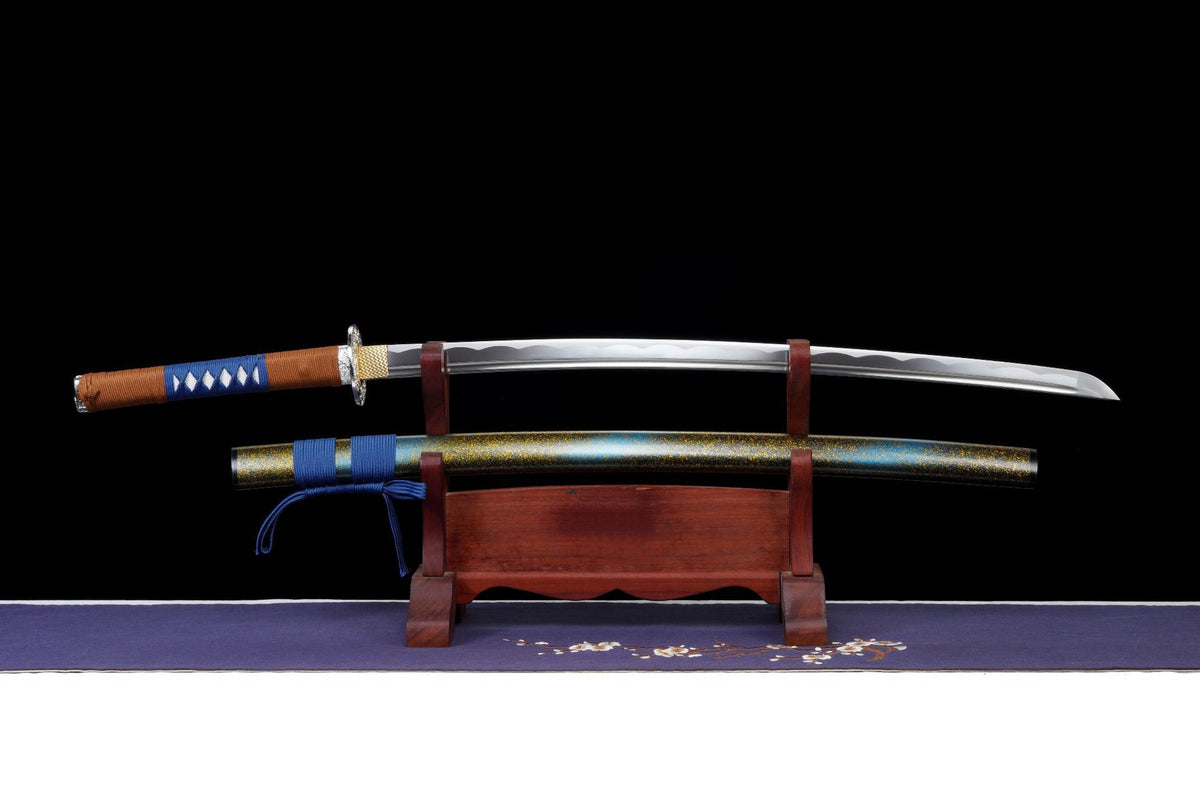
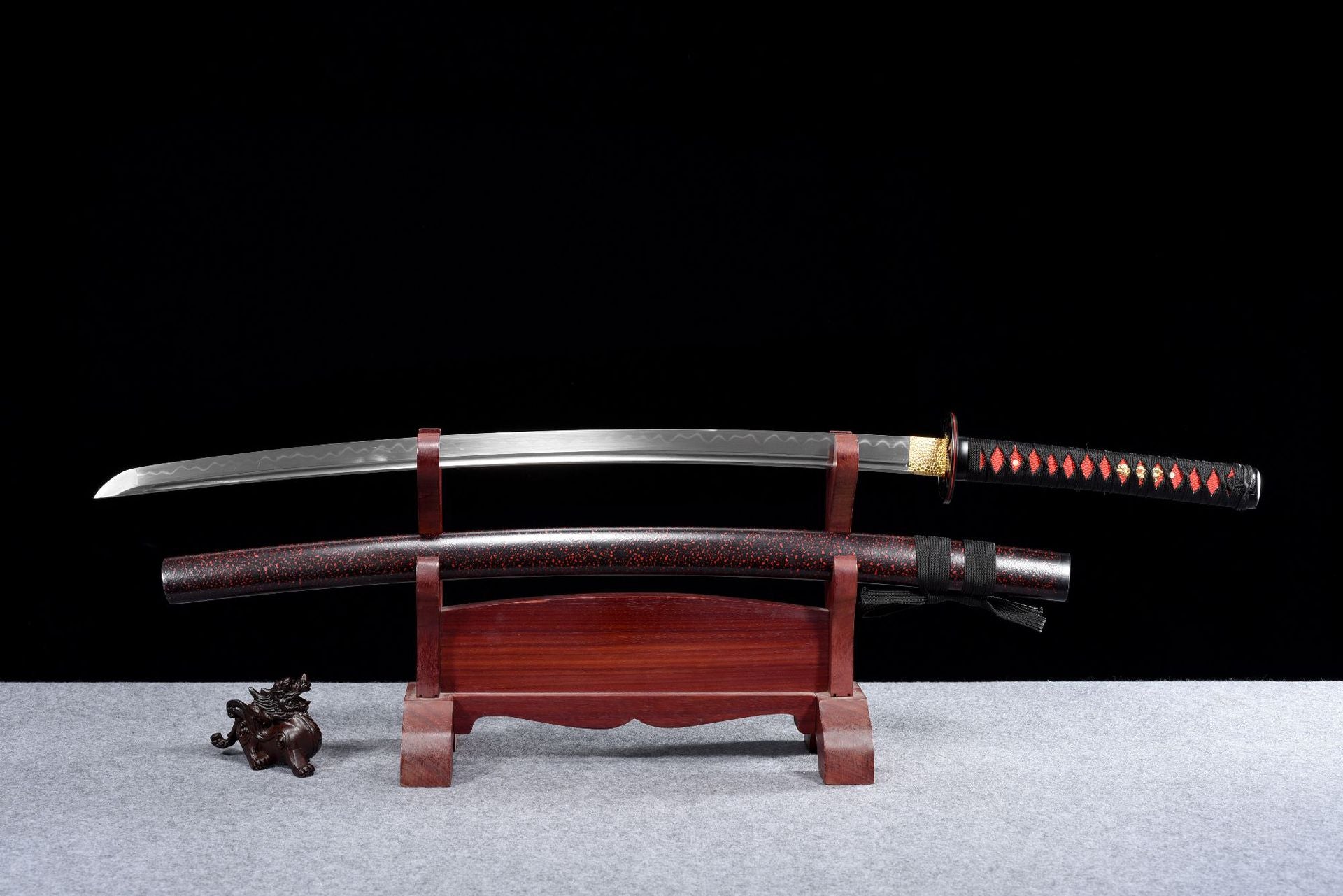
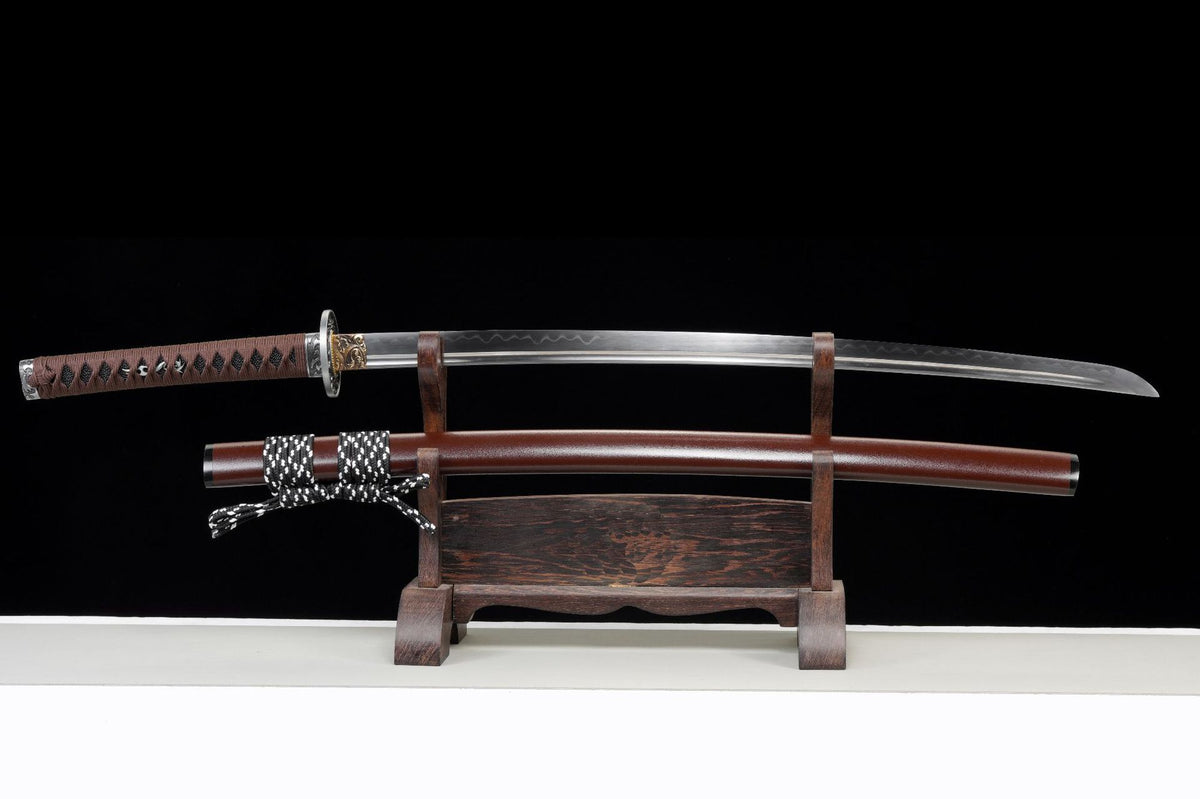
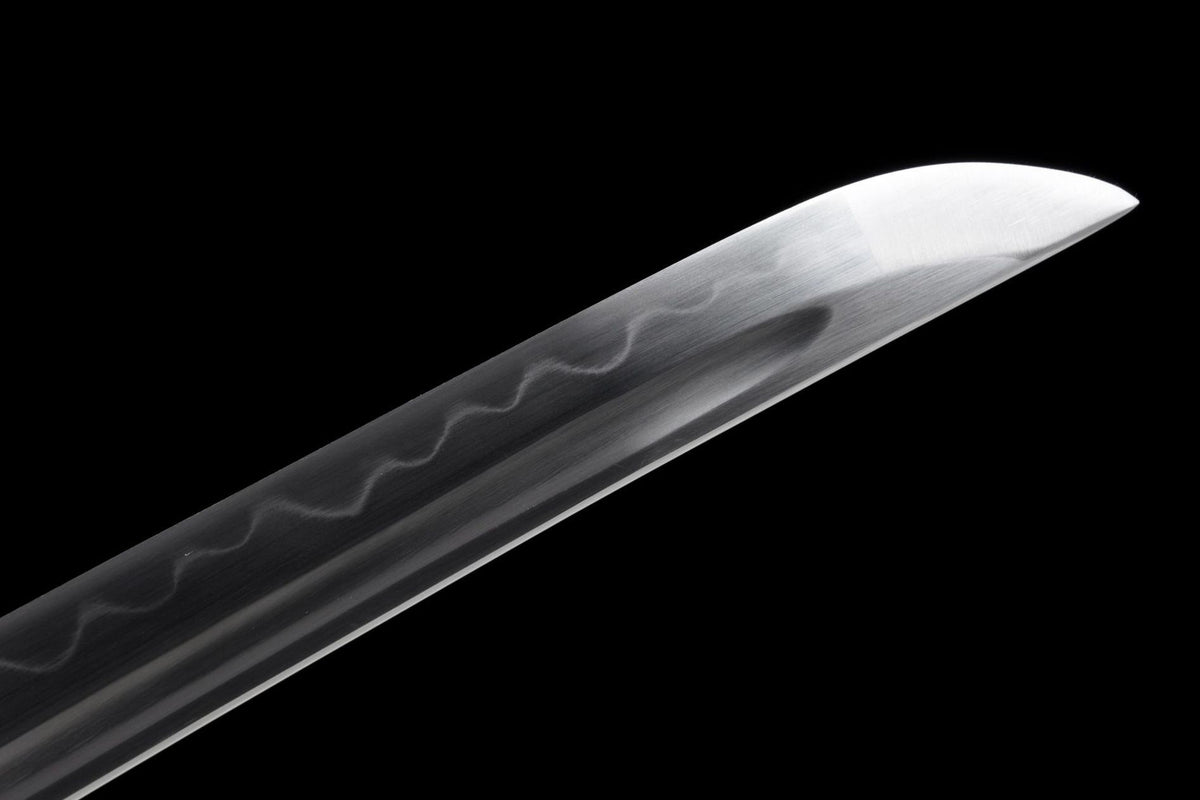
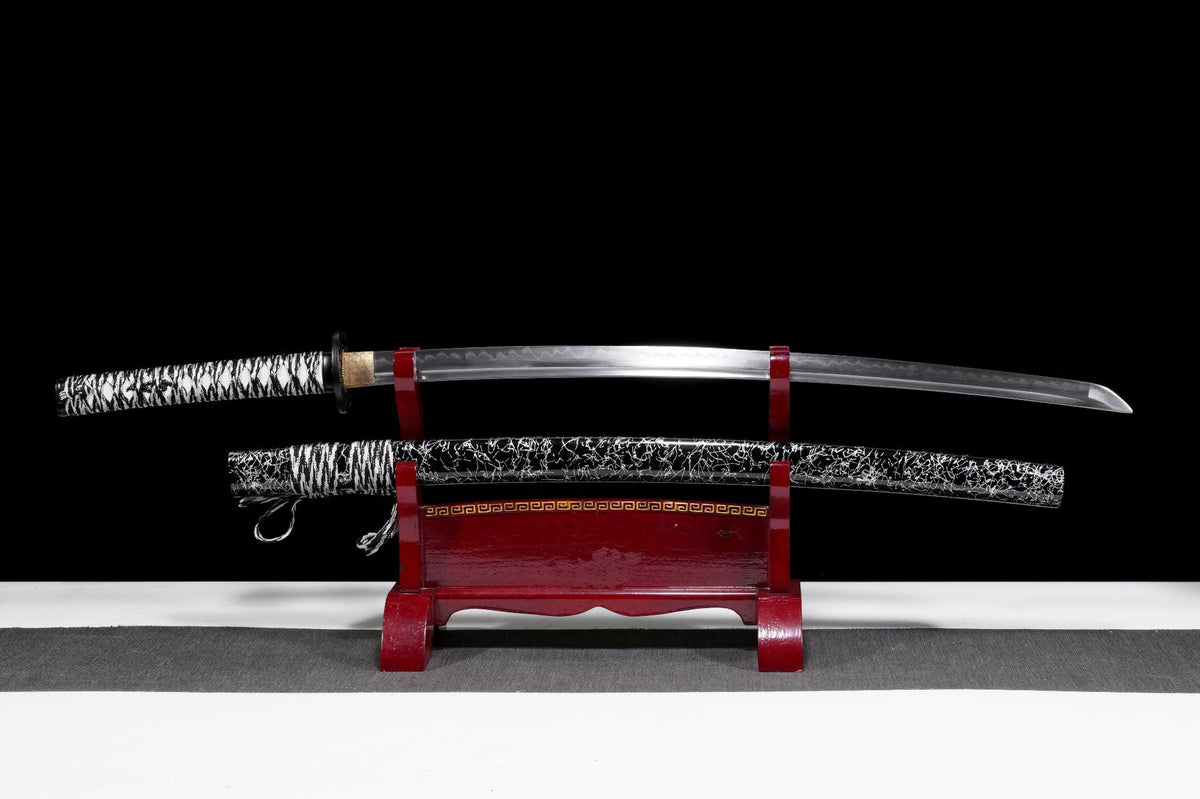
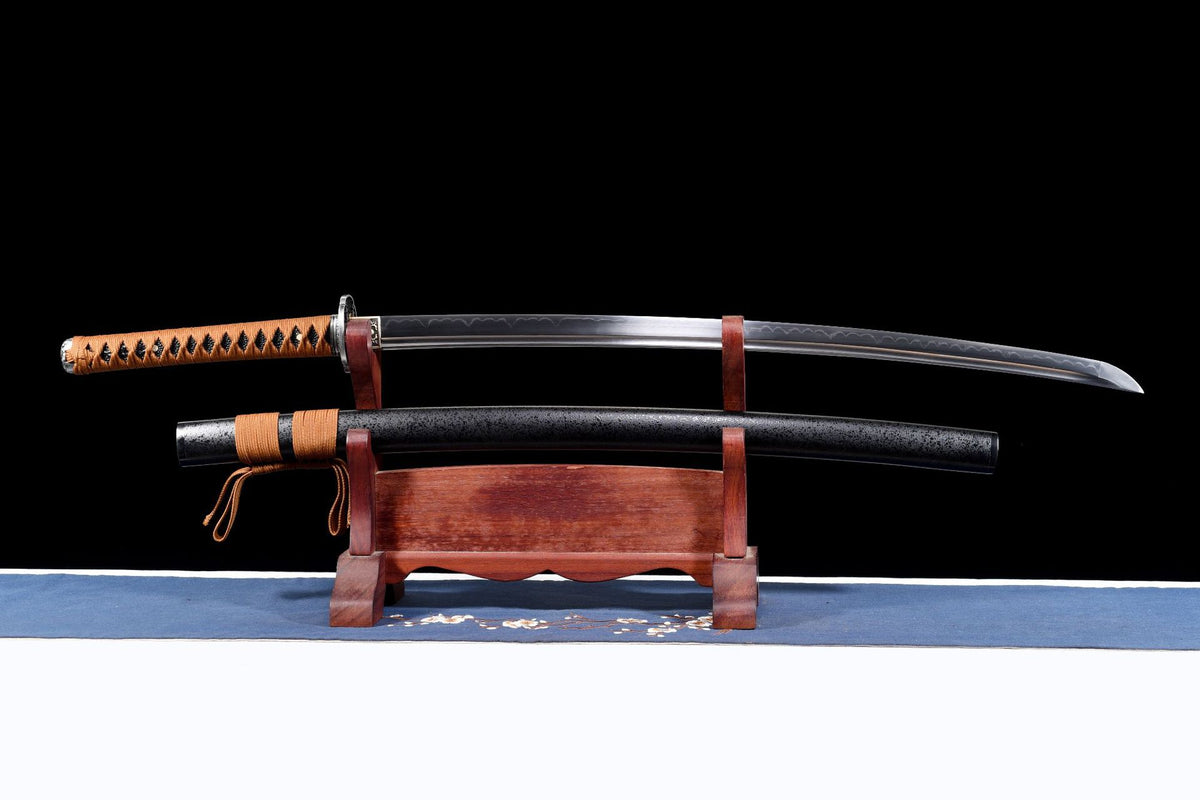
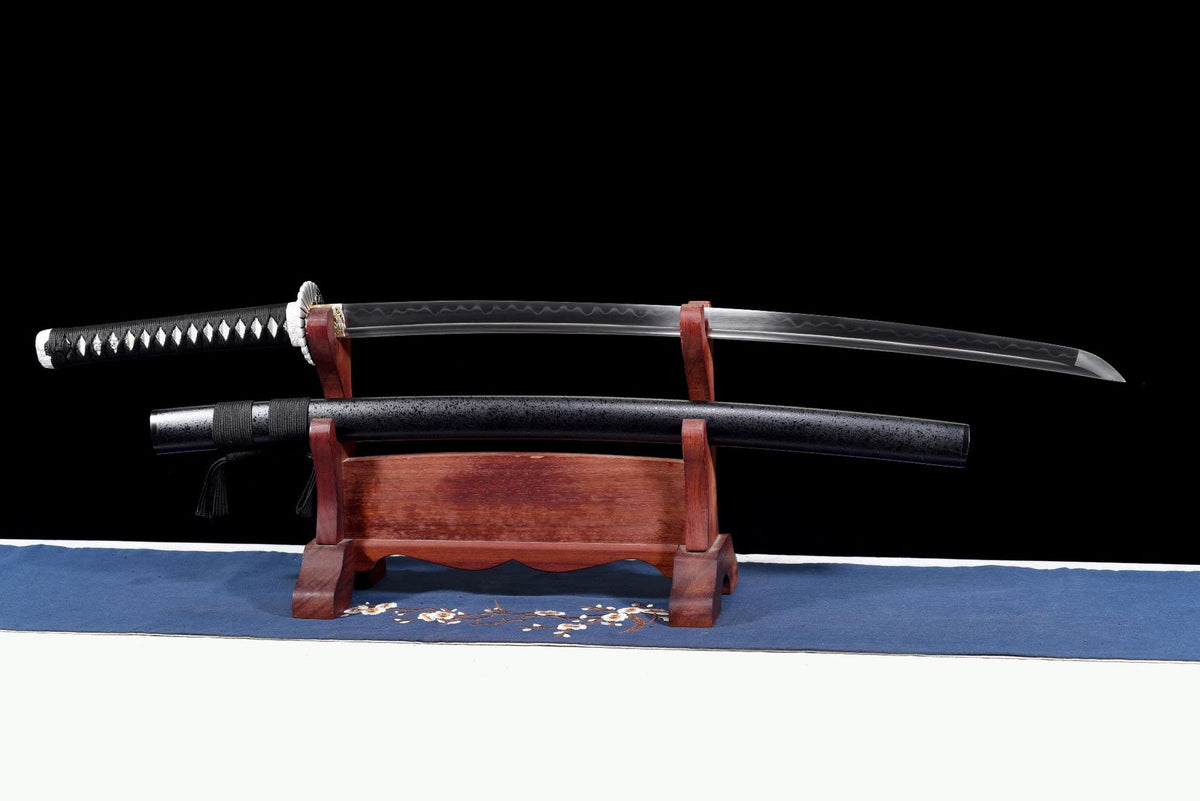
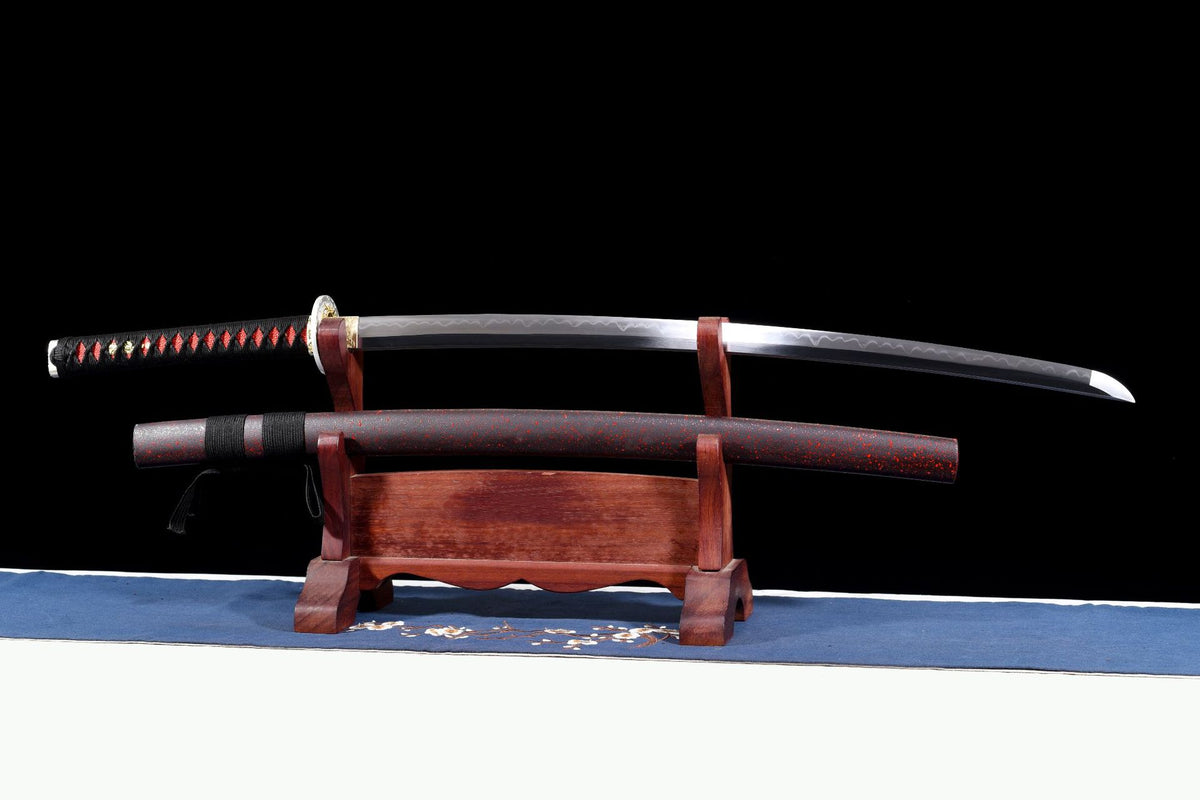
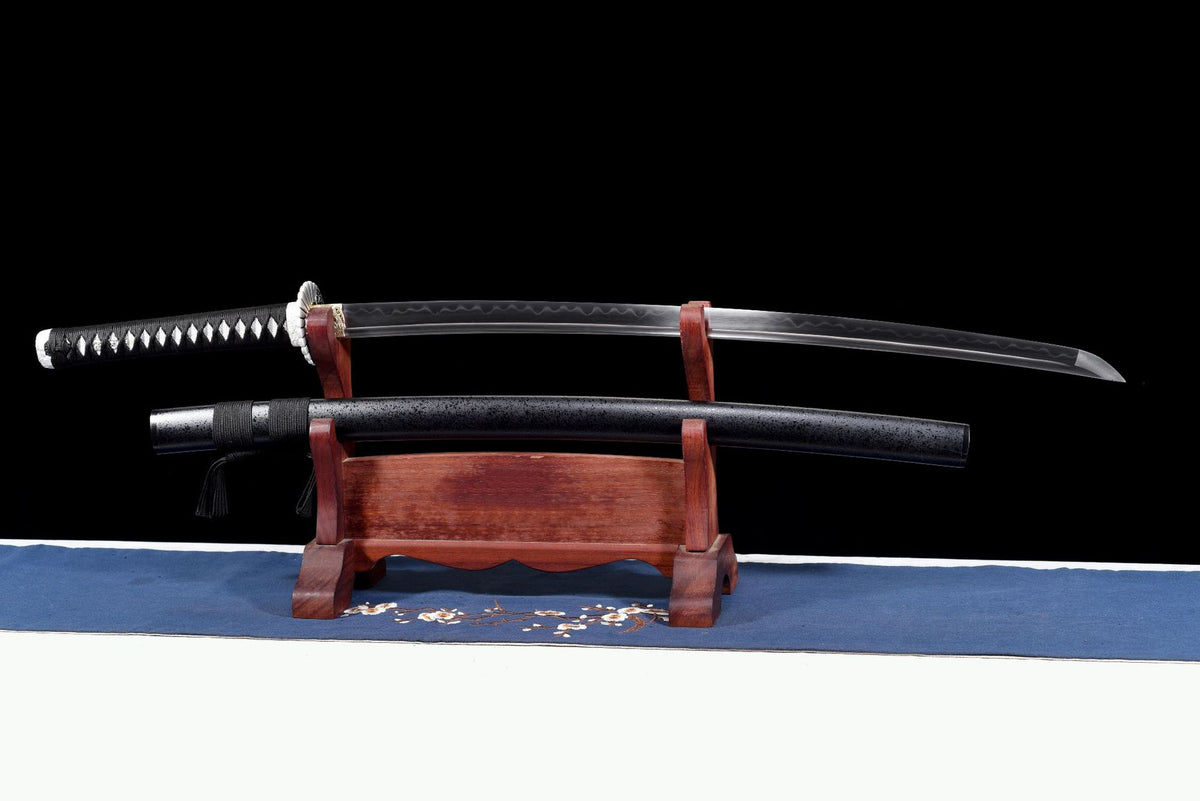
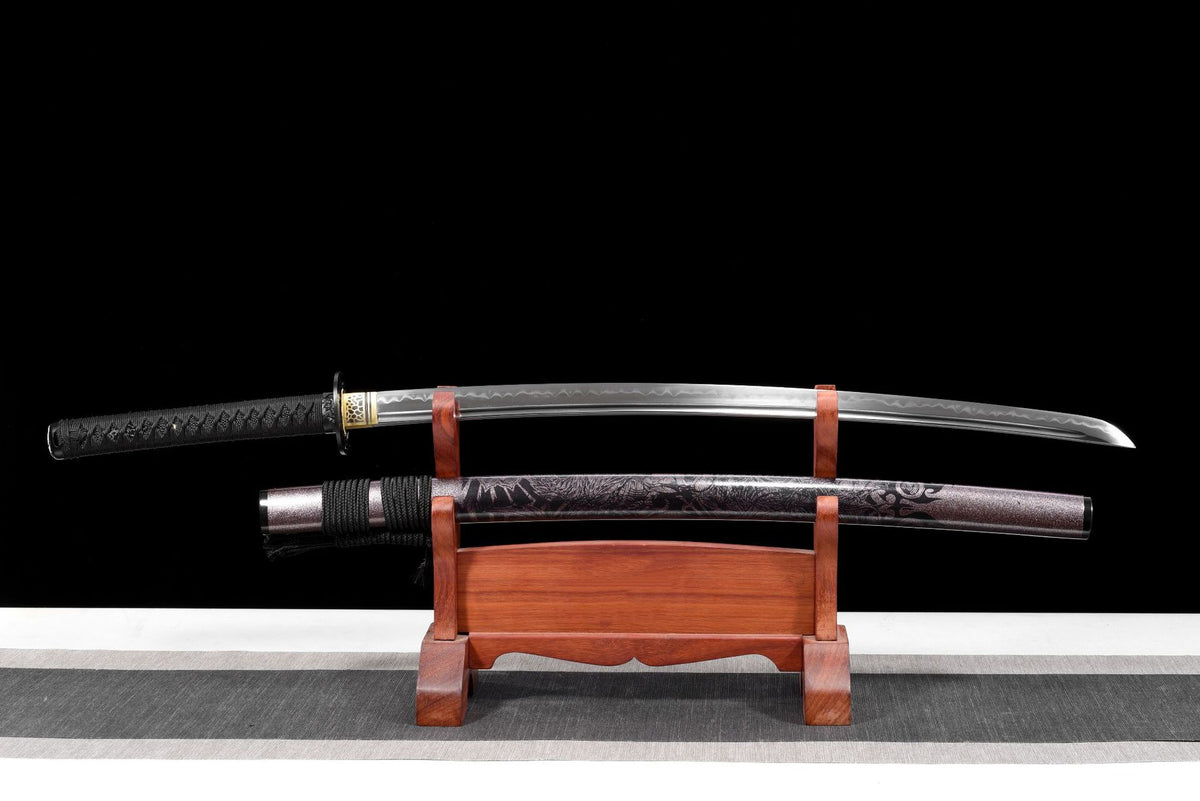
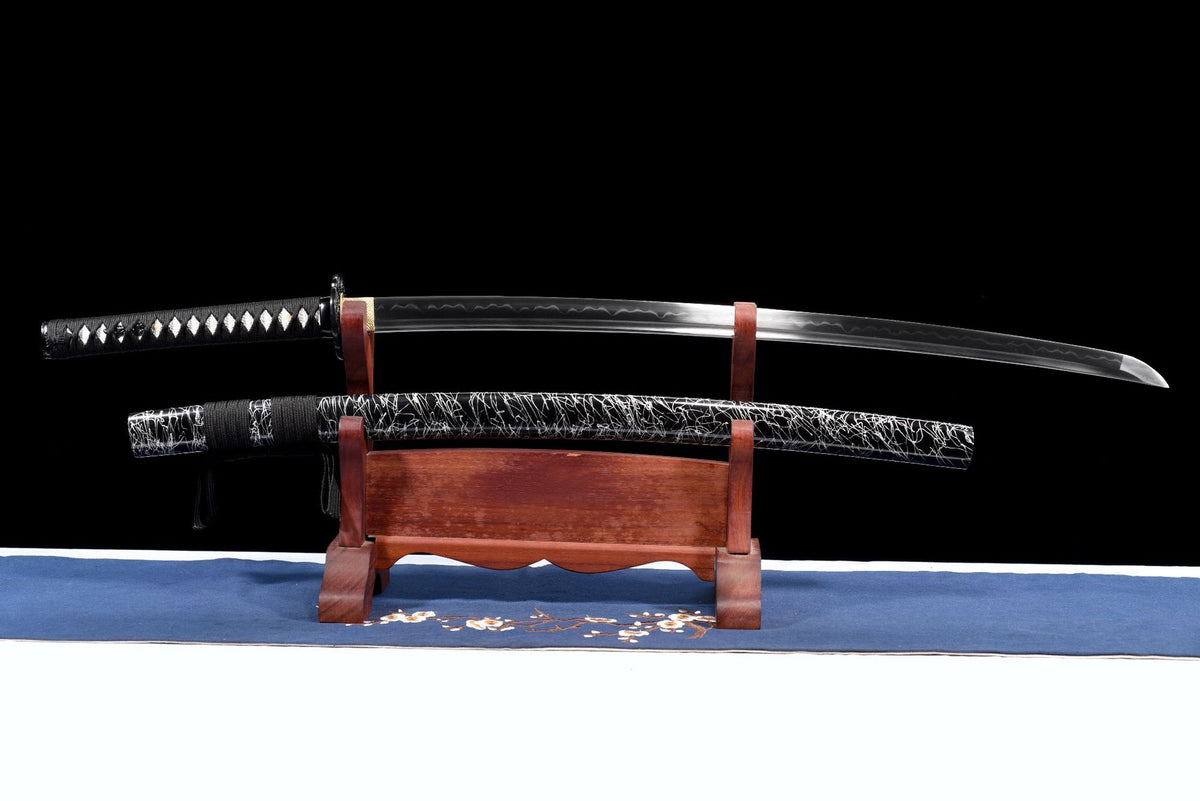
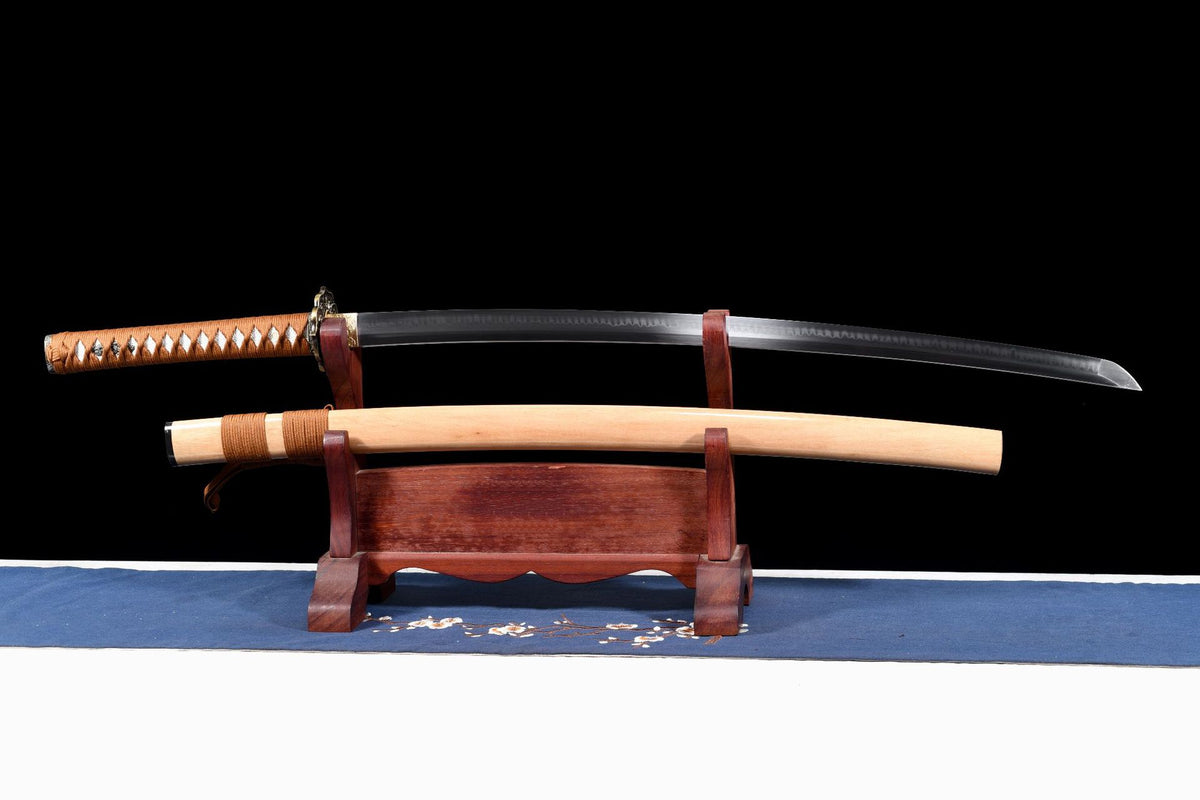
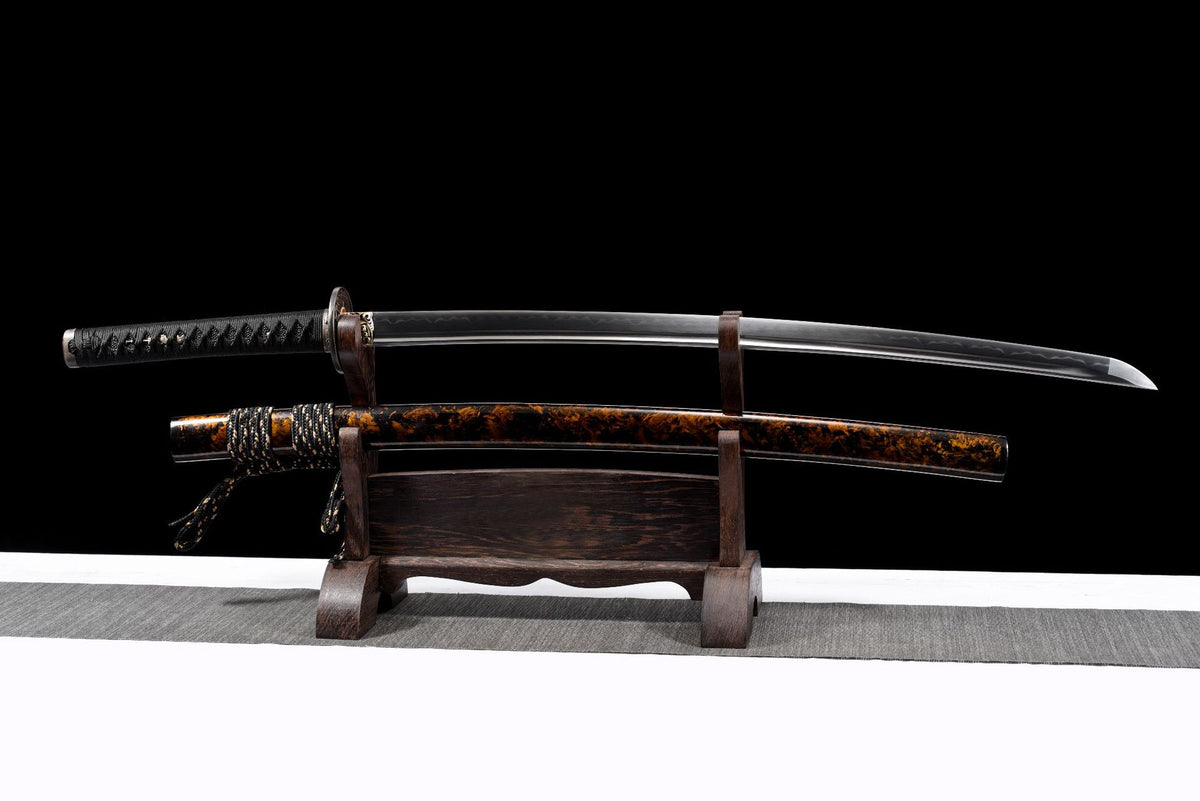
They are closely related, but not exactly the same term. Clay tempering is commonly used in modern katana listings to describe a clay-assisted differential hardening process. The key idea is that different areas of the blade are hardened differently during heat treatment.
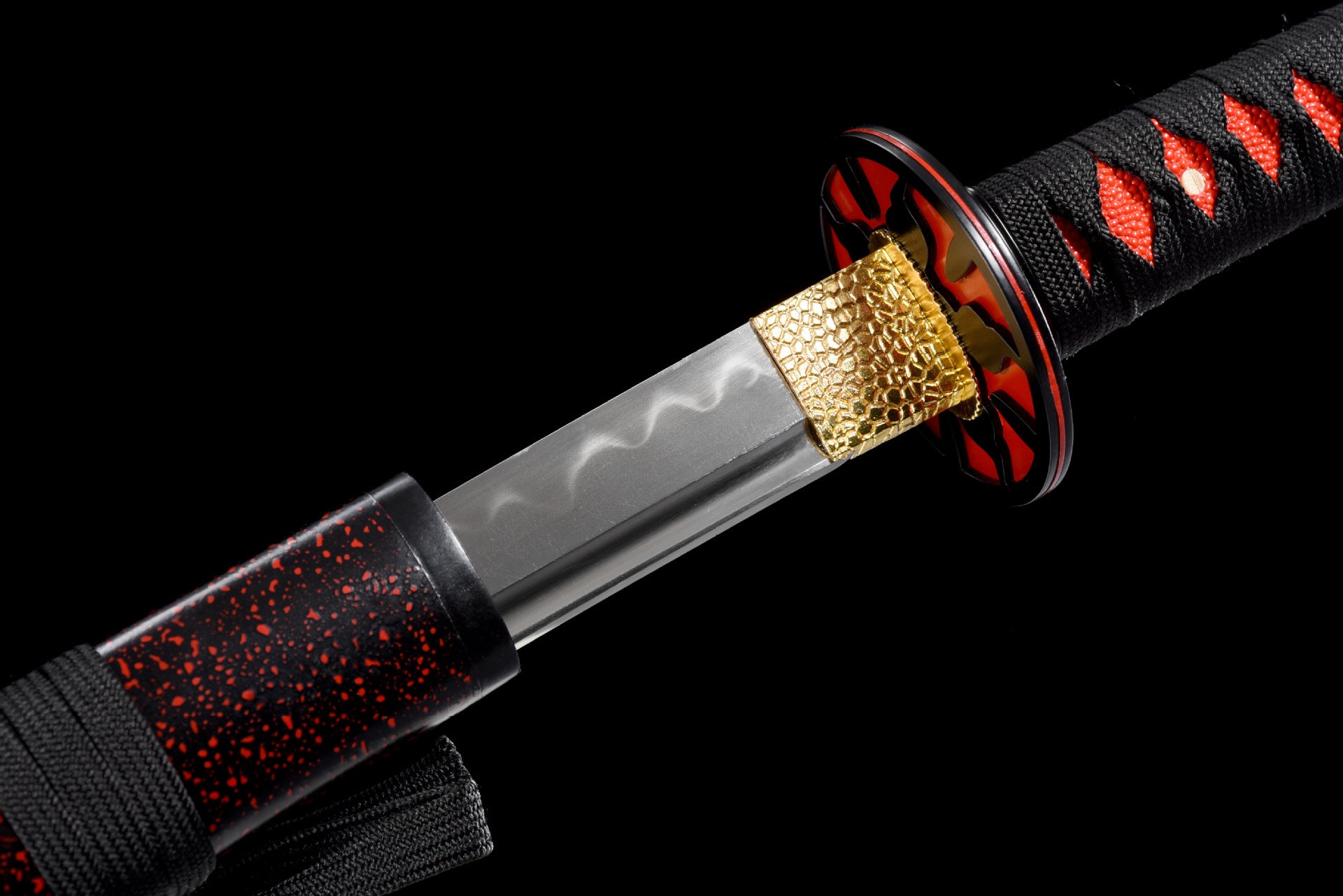
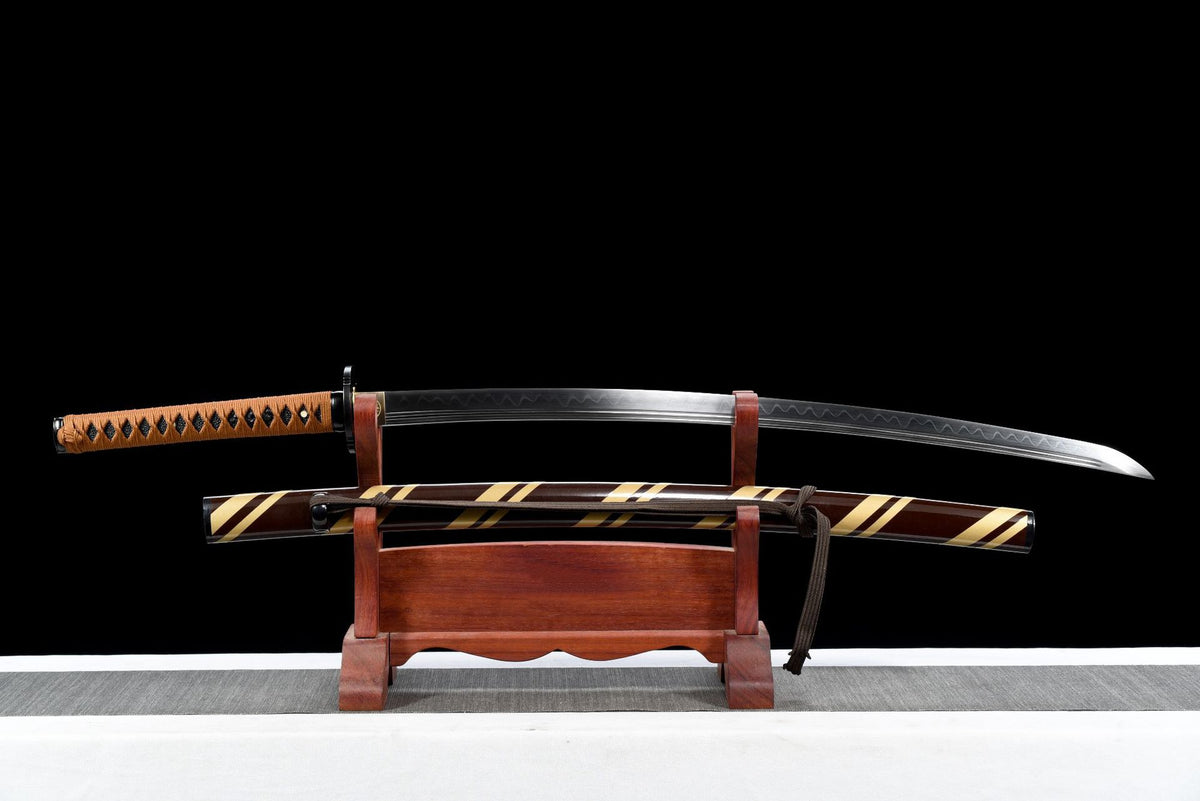
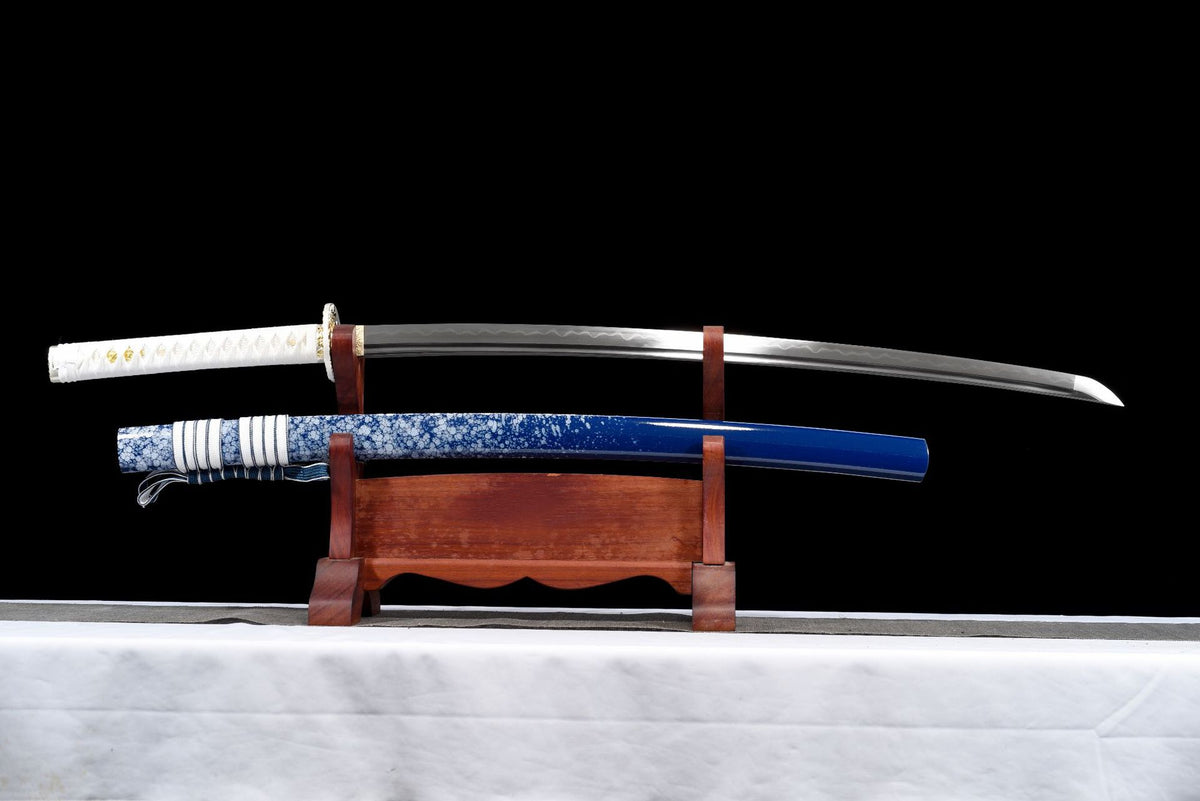
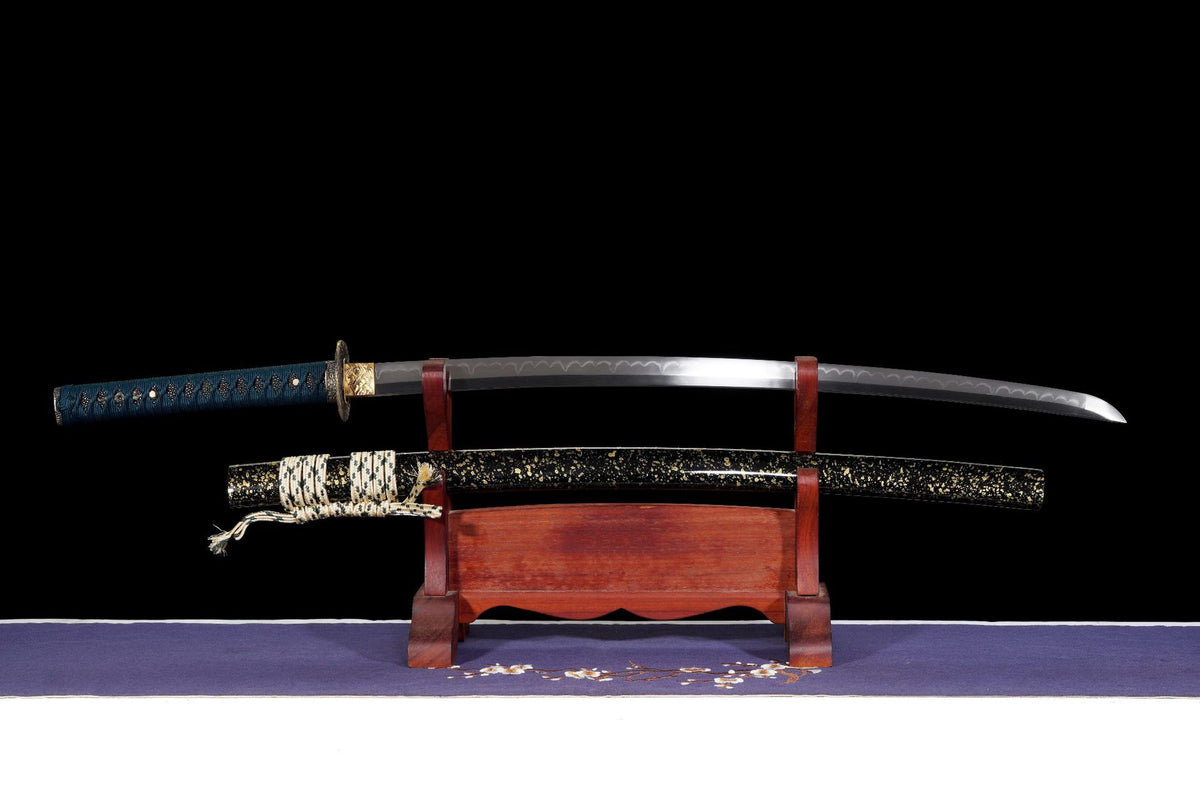
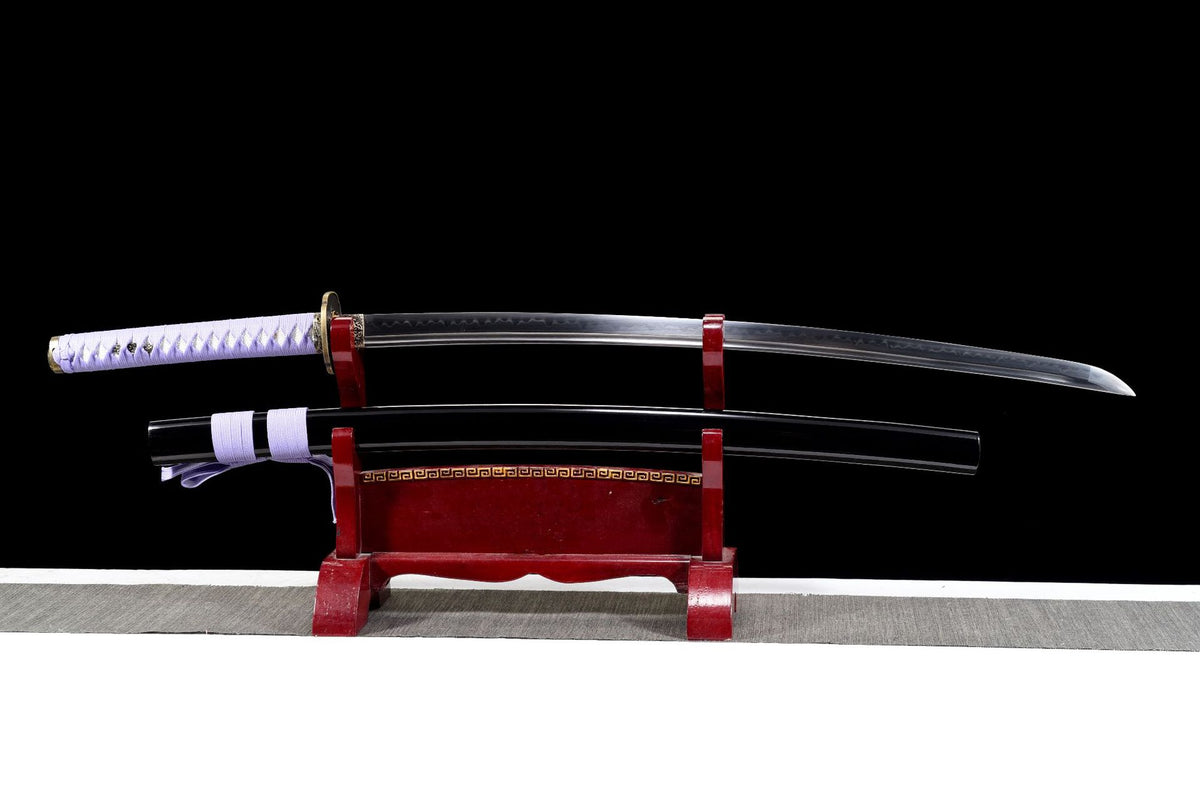
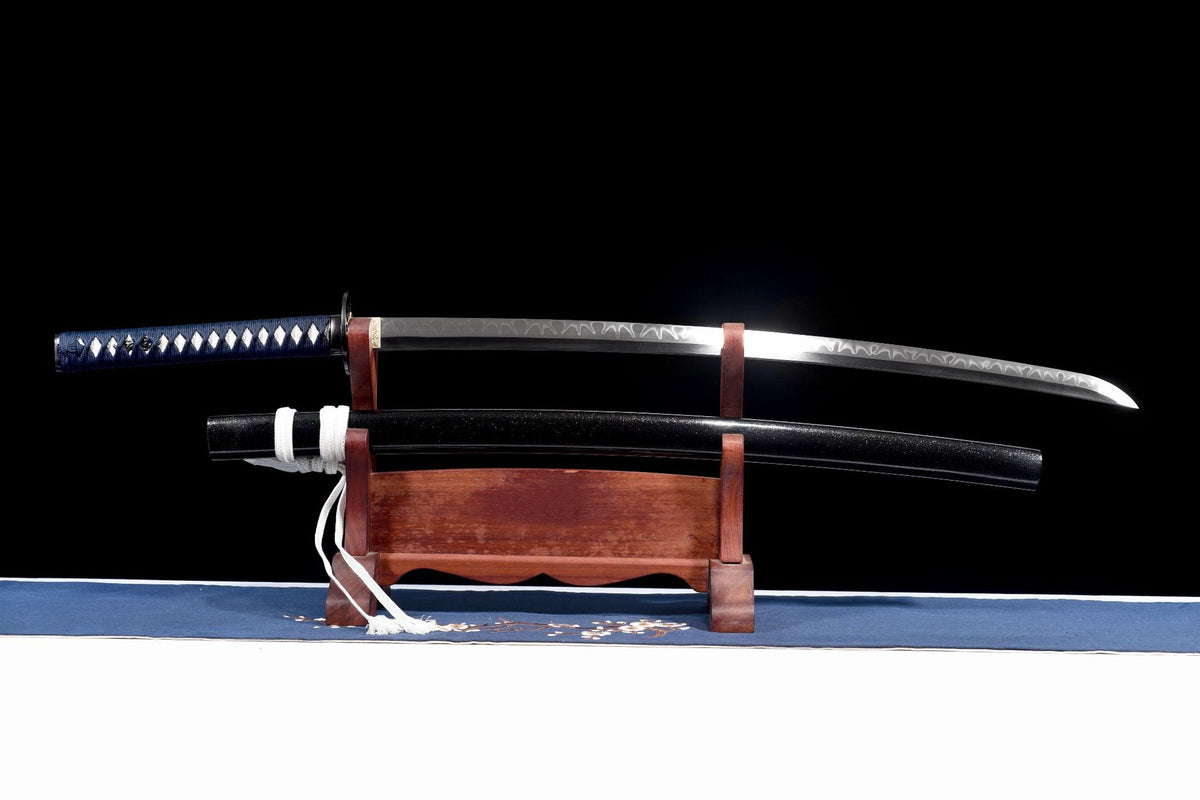
A genuine hamon is commonly associated with differential hardening, but the product description should still confirm how the visible line was formed. Do not assume every visible hamon-style line proves the same heat-treatment process.
Not automatically. They are different heat-treatment approaches, each with its own characteristics. Clay tempering should not be treated as a higher quality grade.
Yes, T10 can be used in clay-tempered katana, but T10 is the steel grade while clay tempering describes the heat-treatment approach. One does not automatically imply the other.
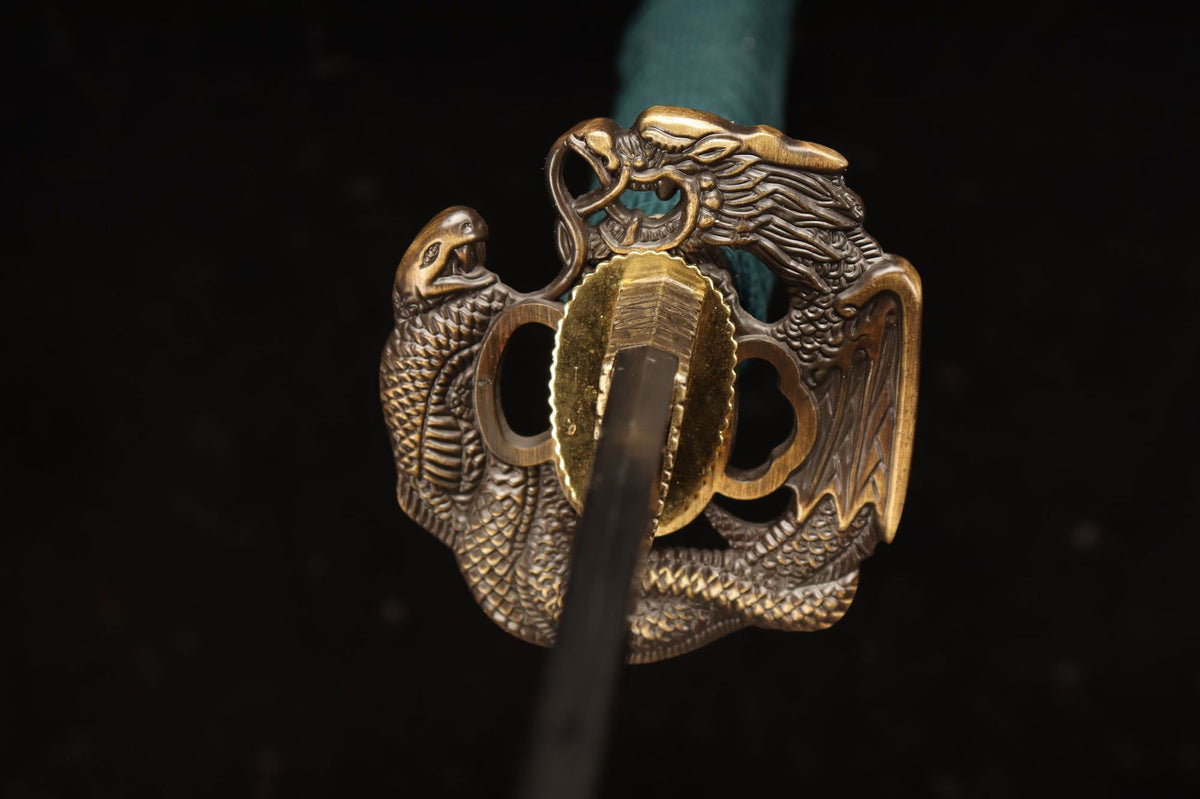
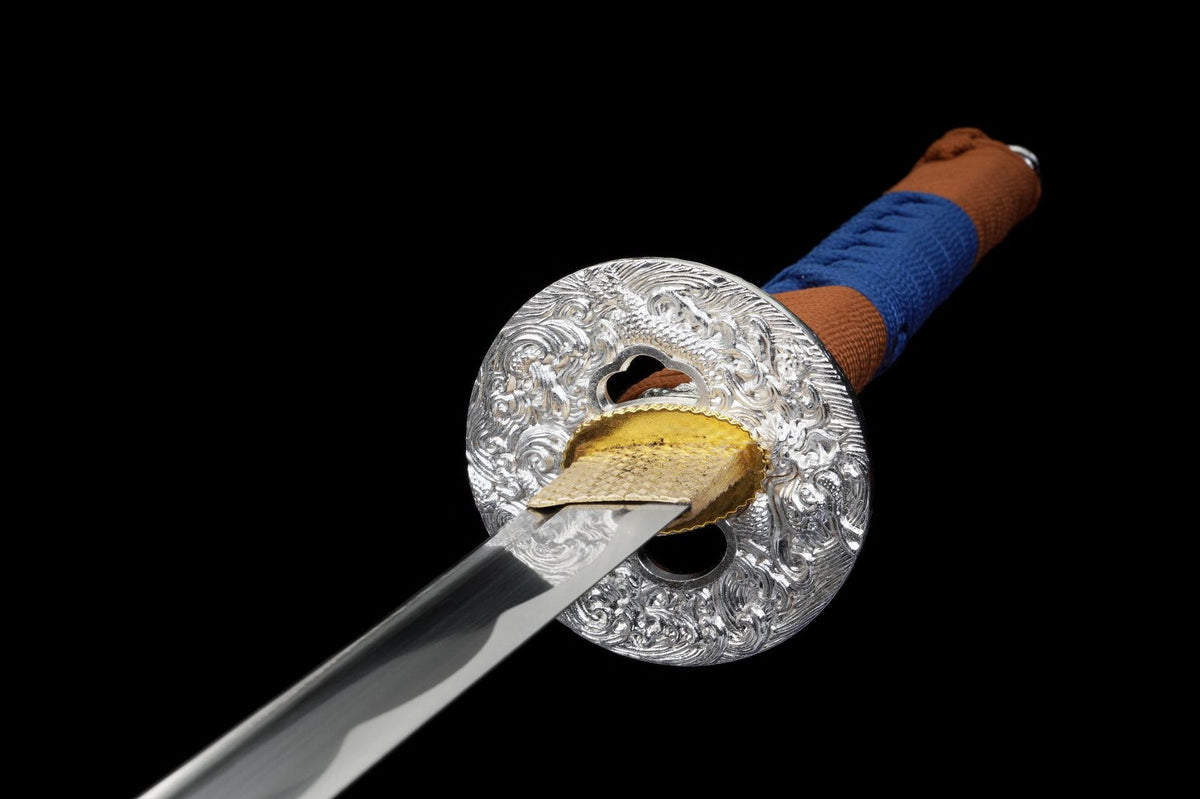
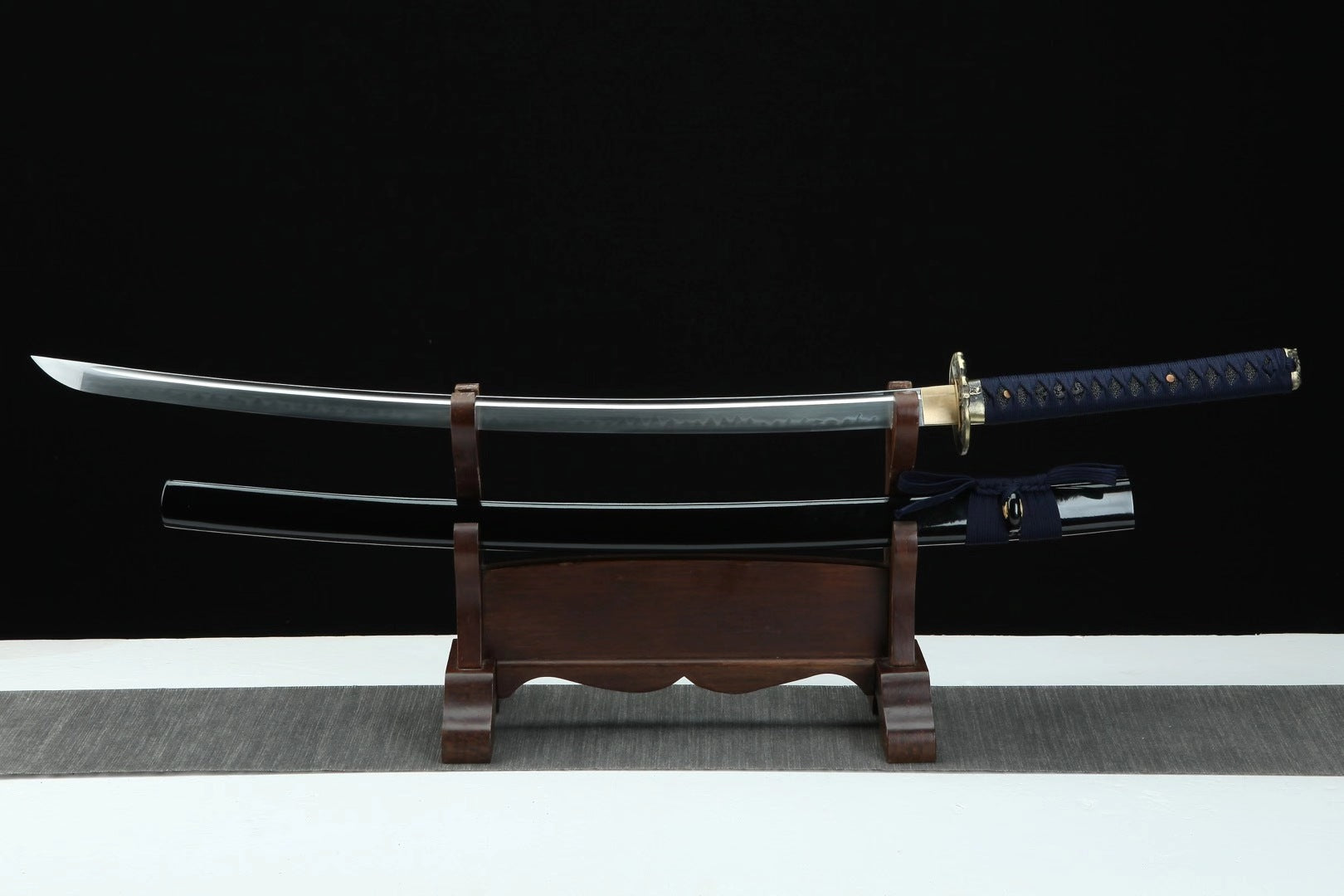
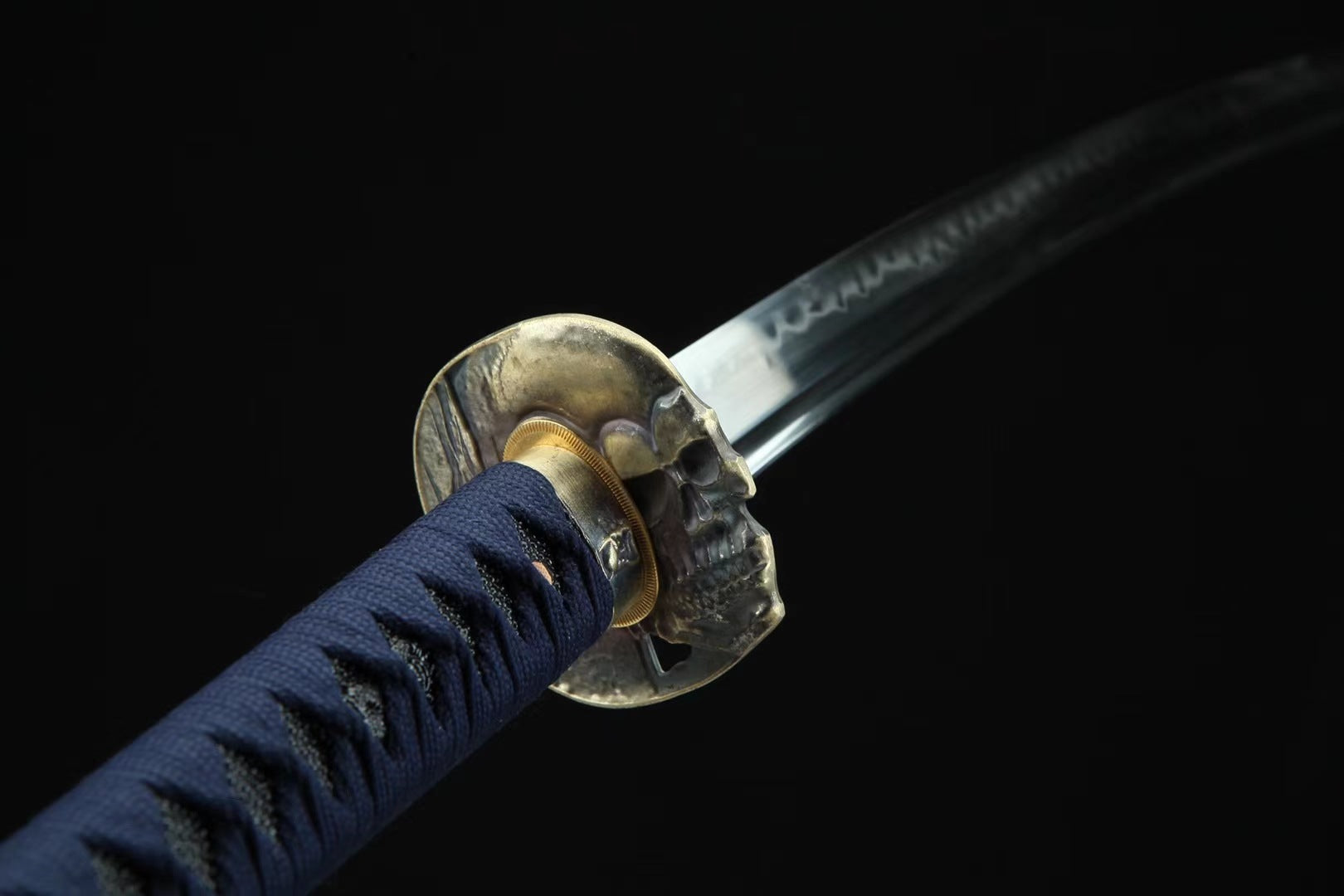
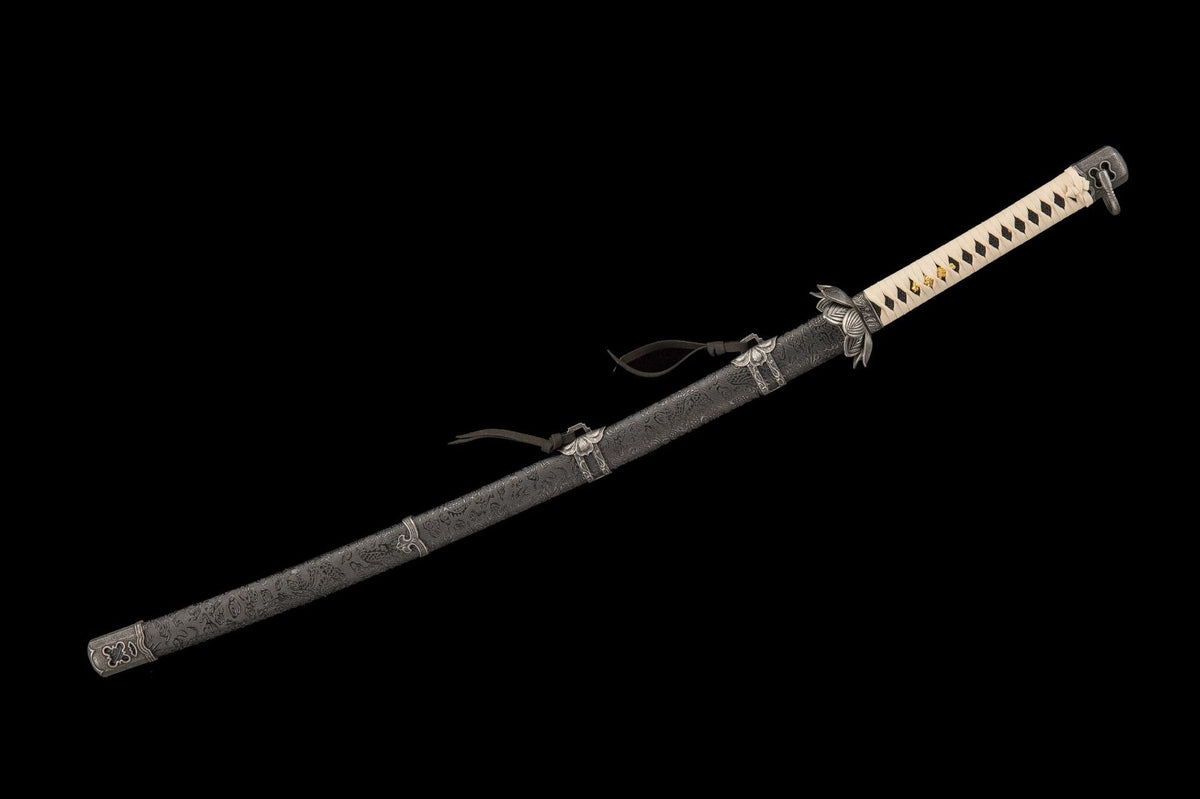
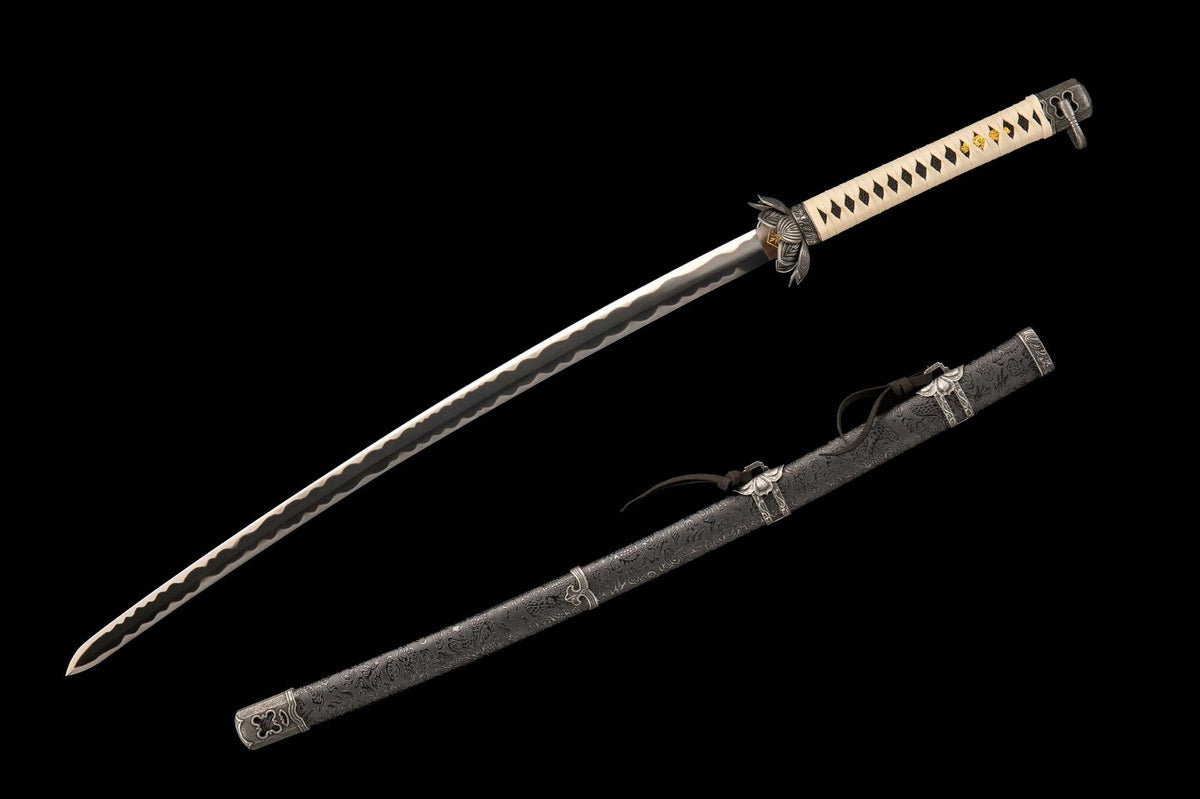
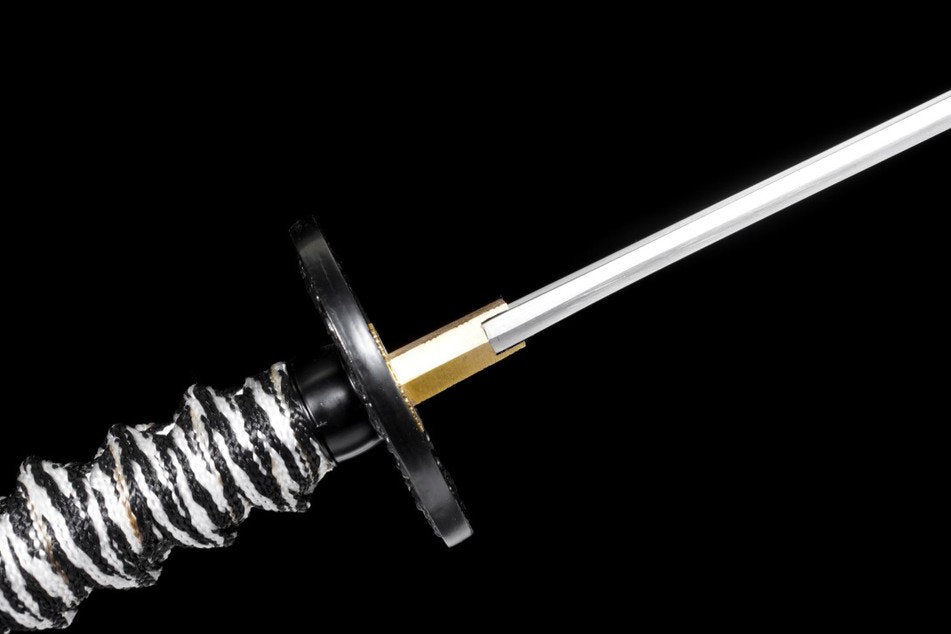
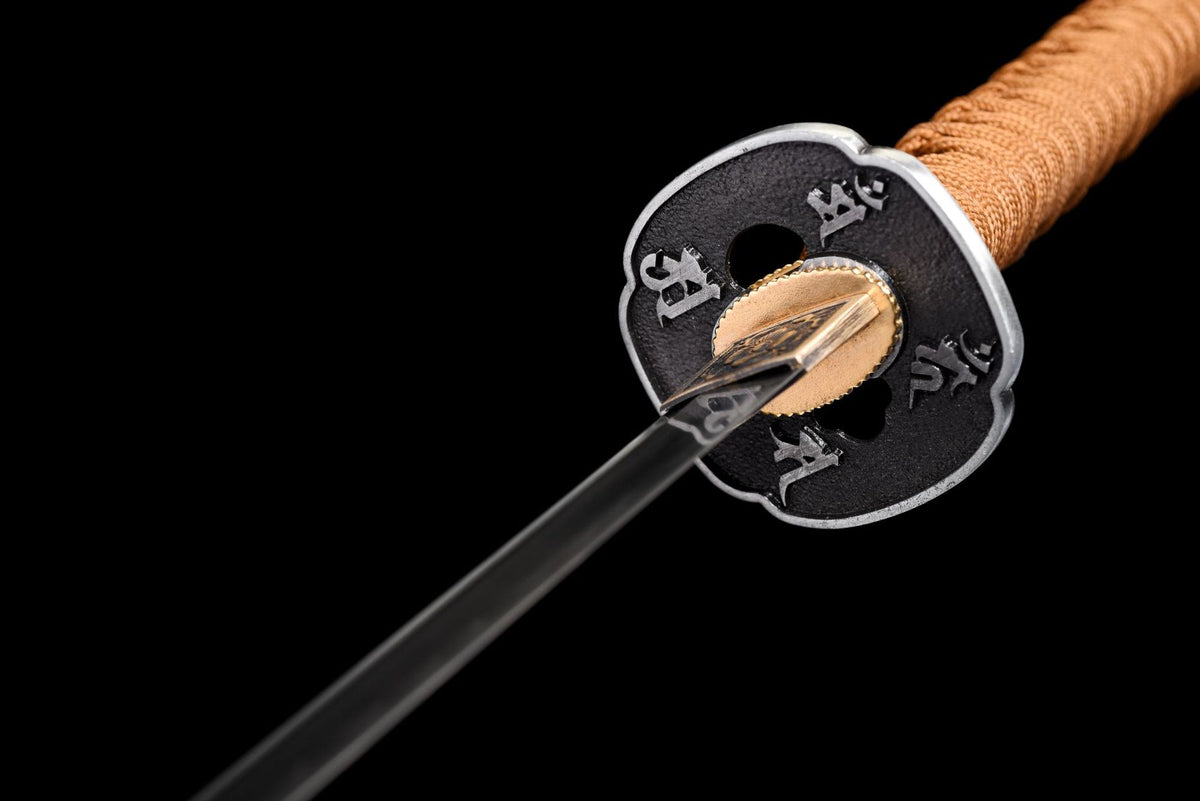
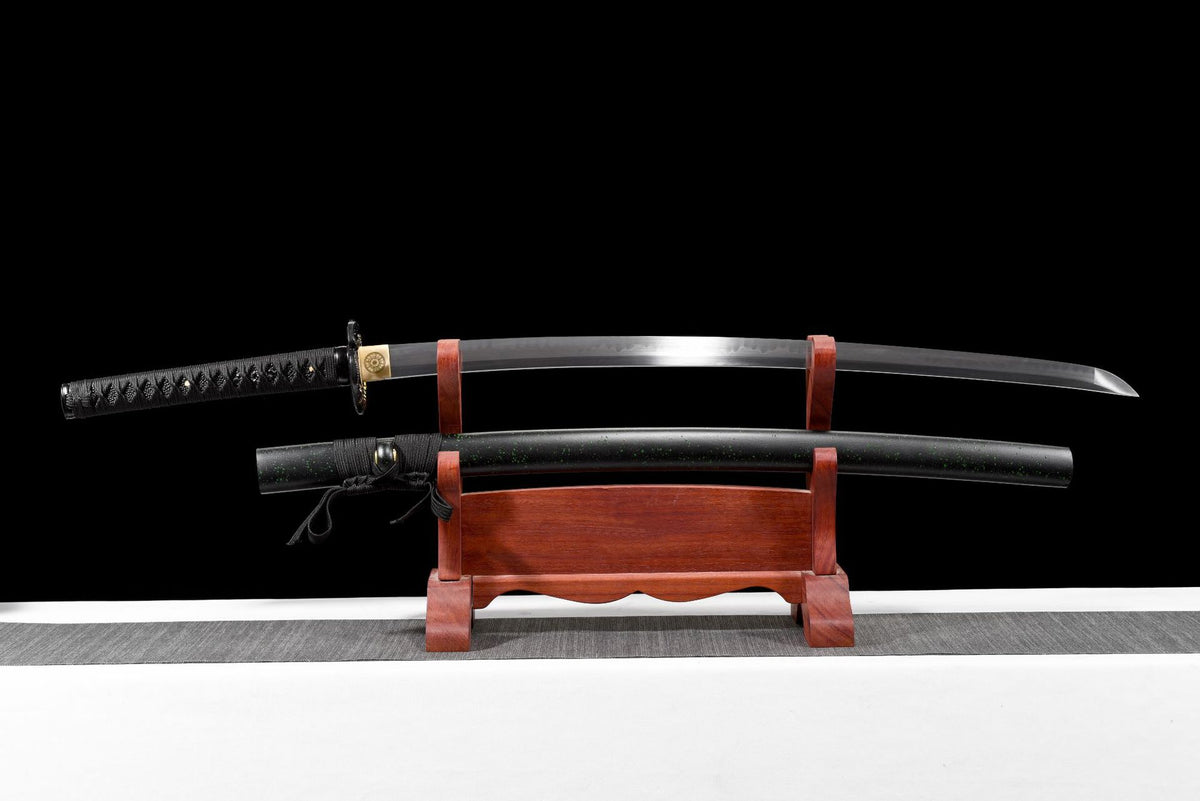
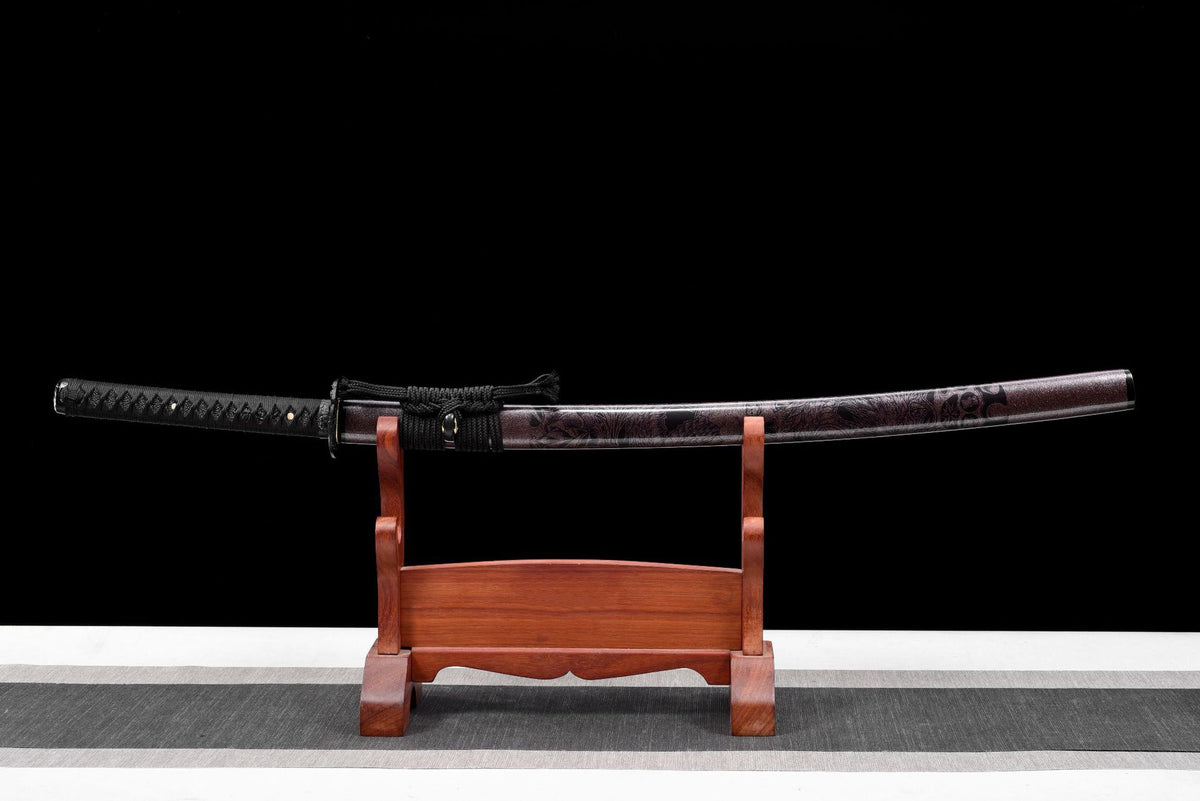
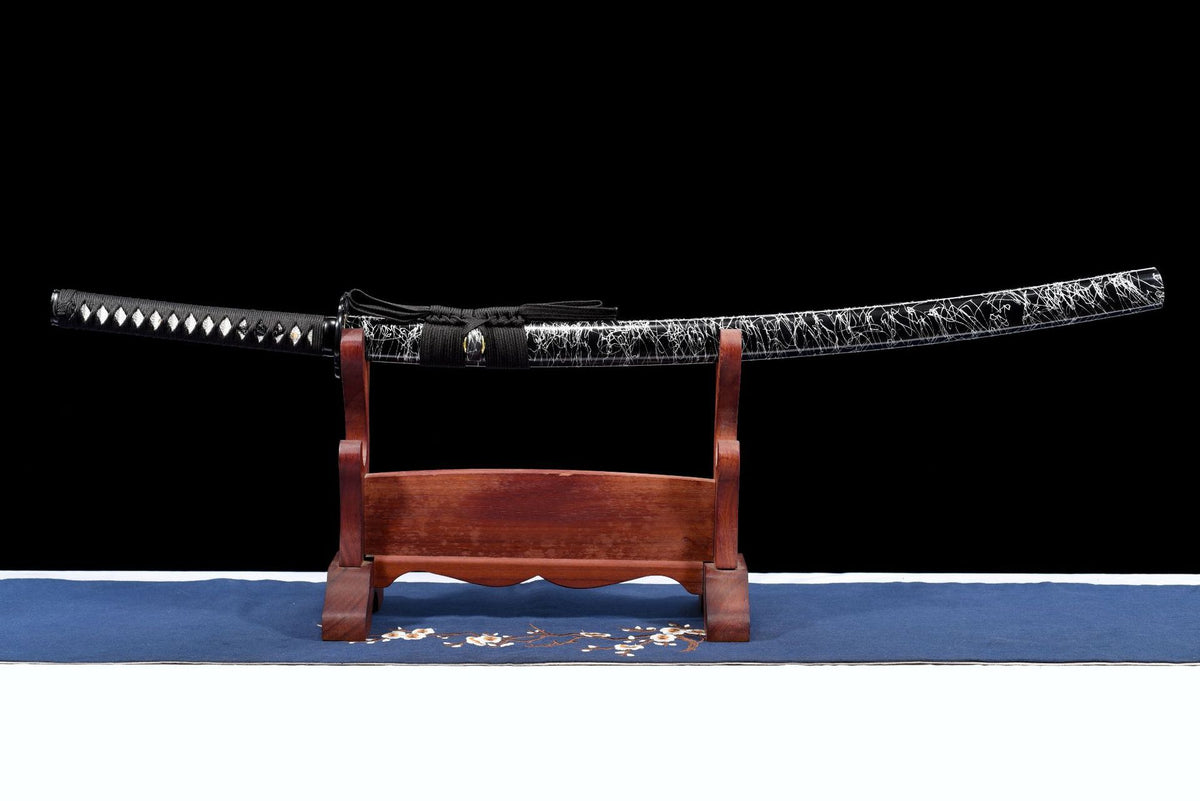
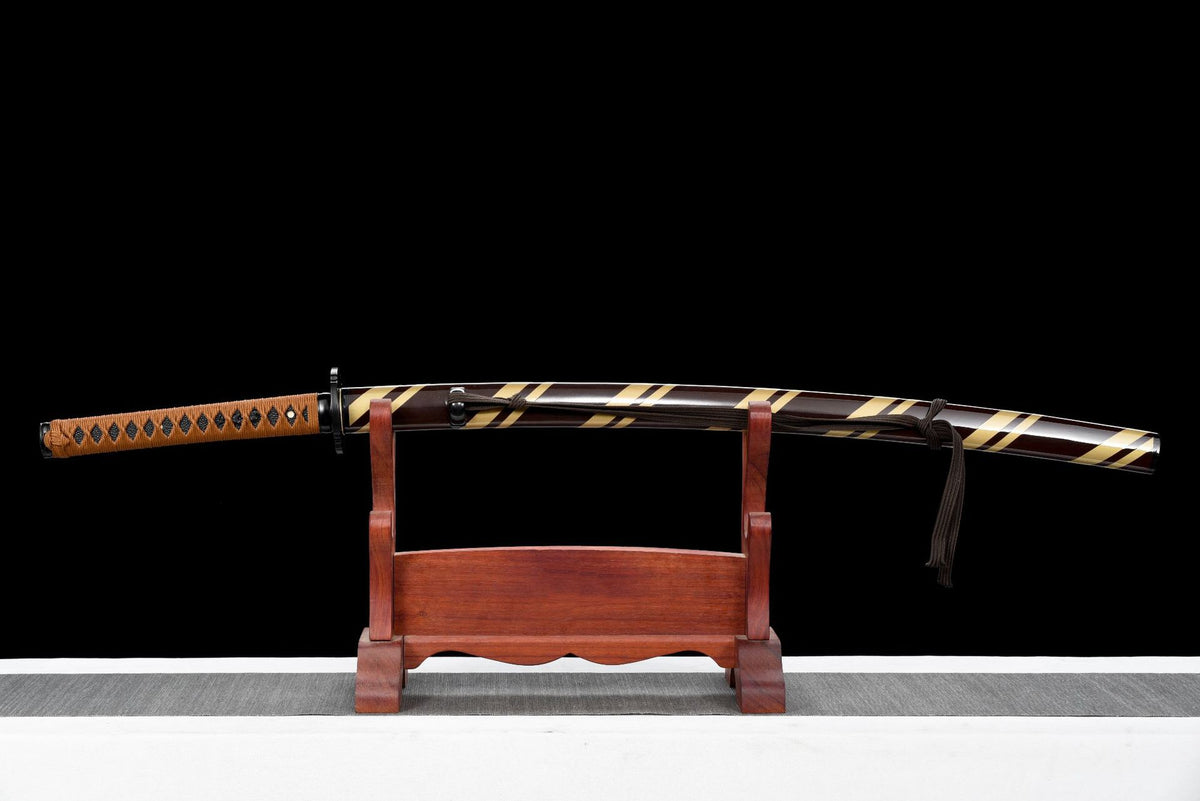
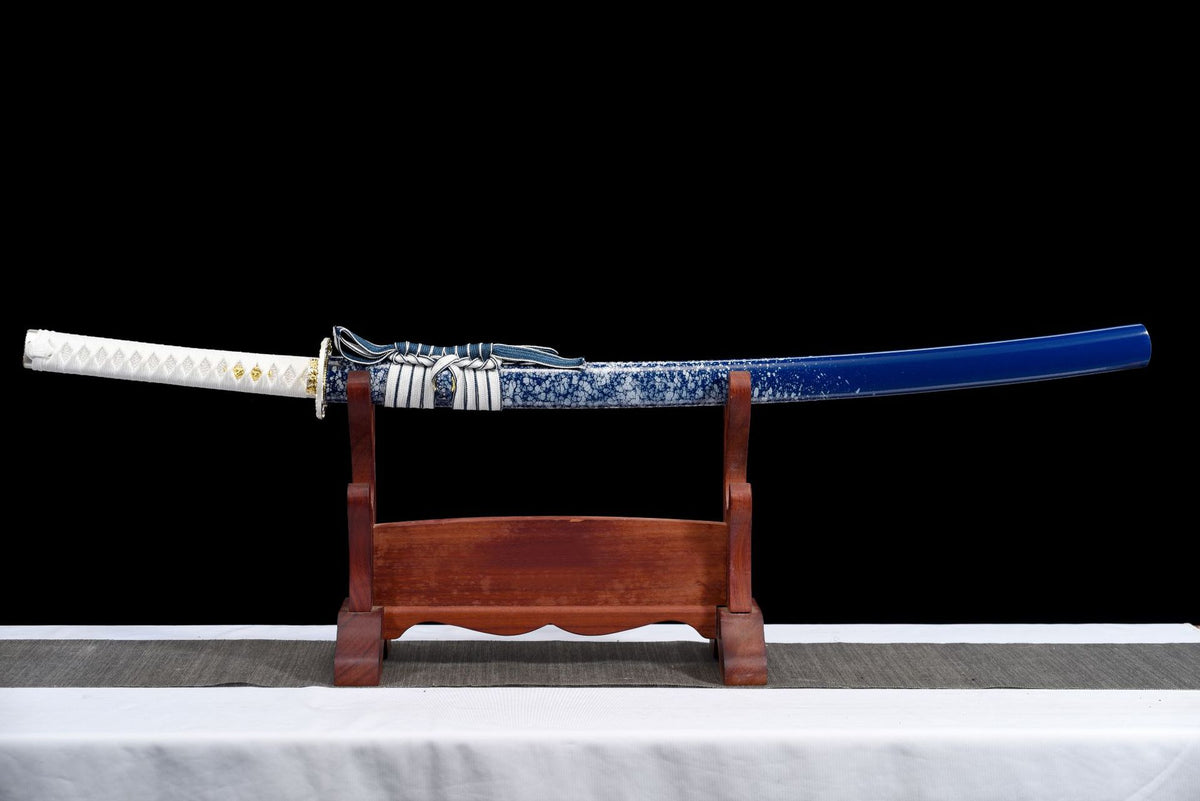
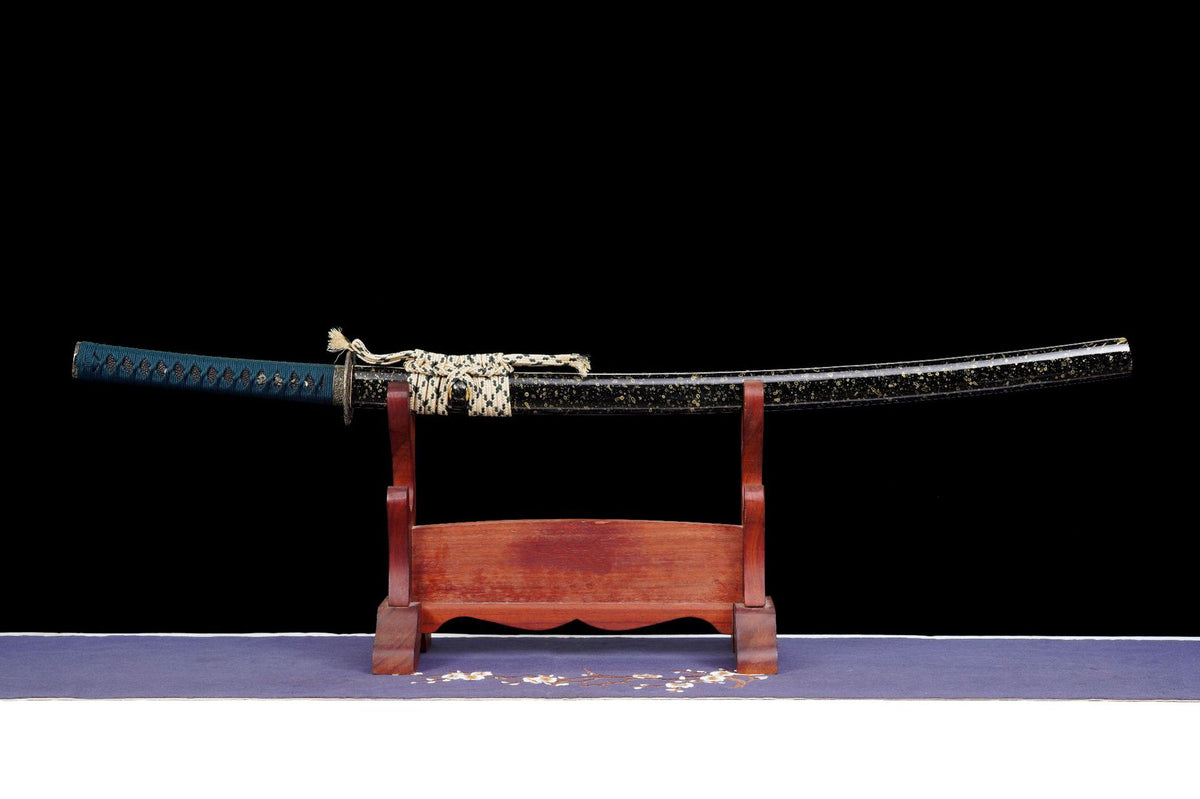
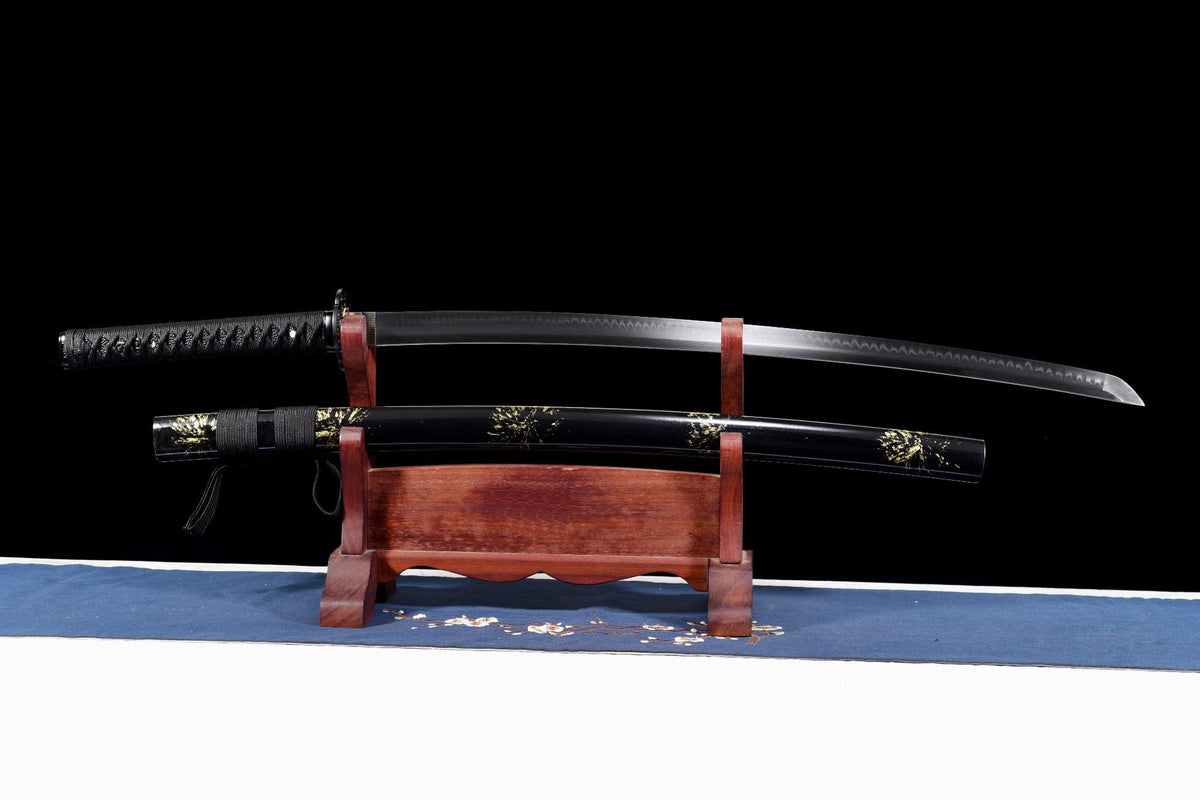
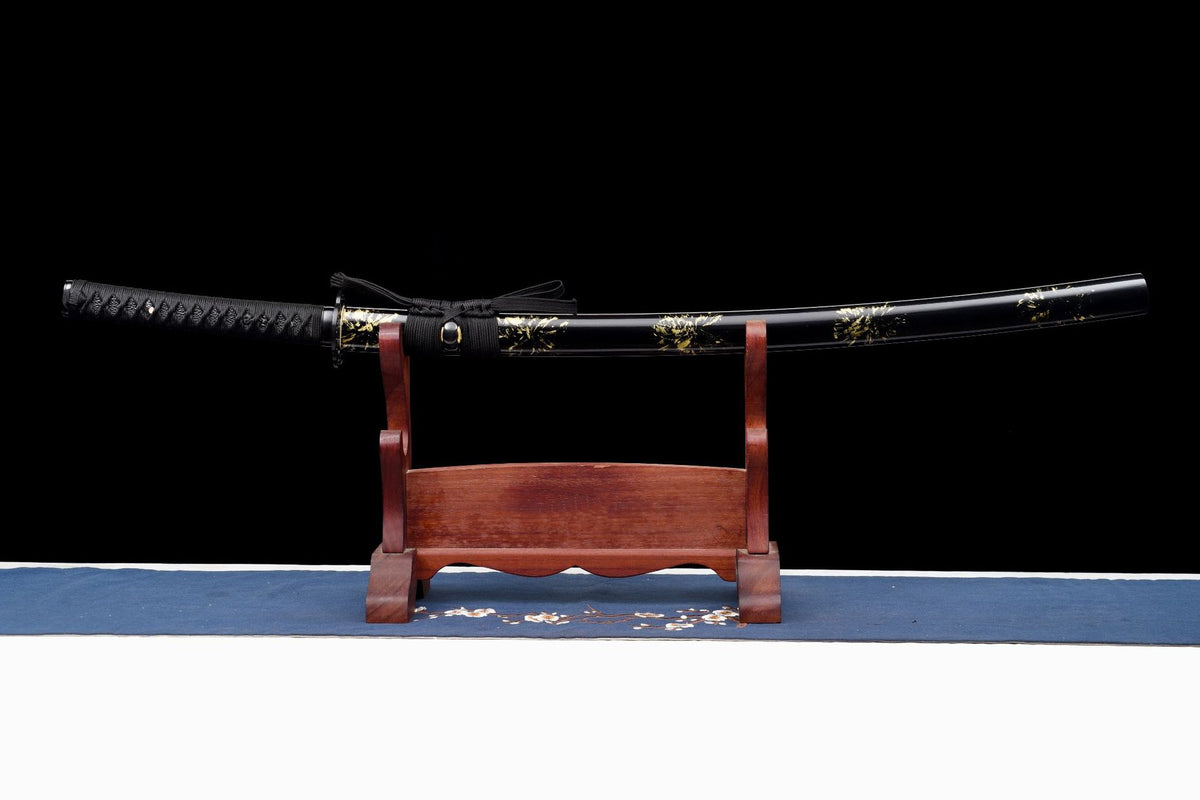
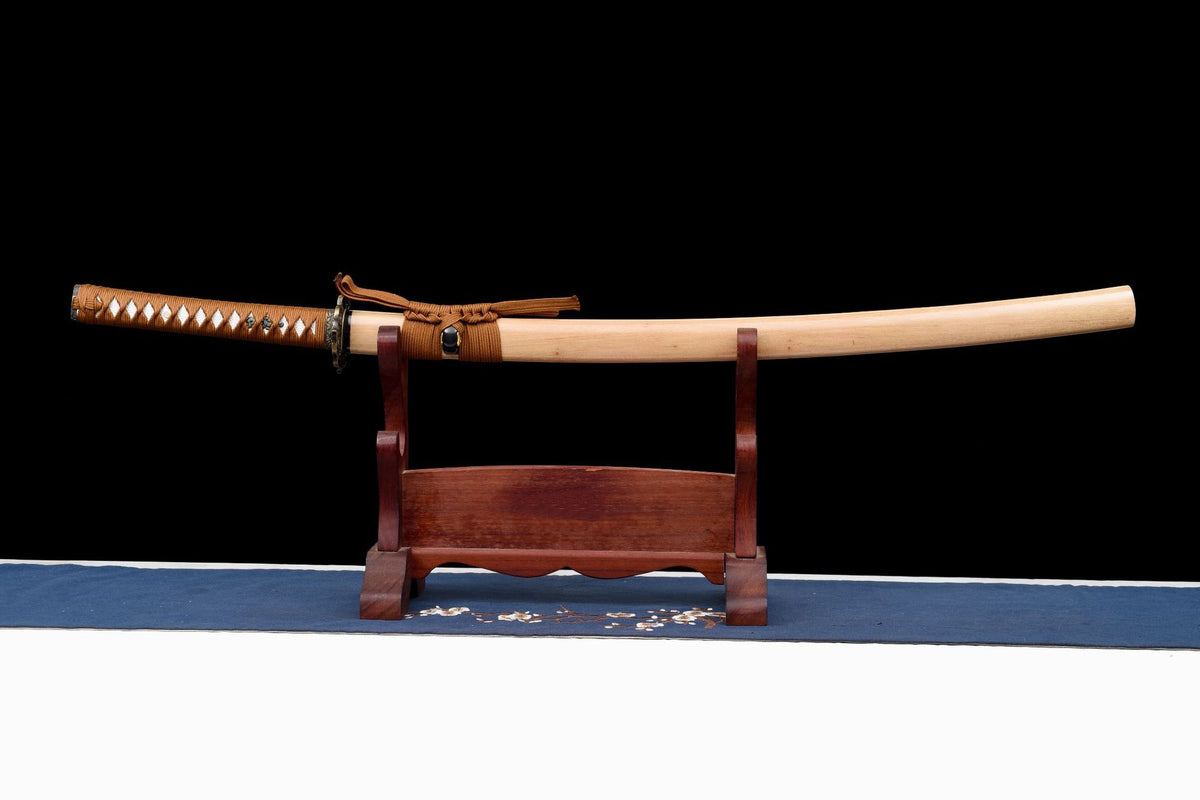
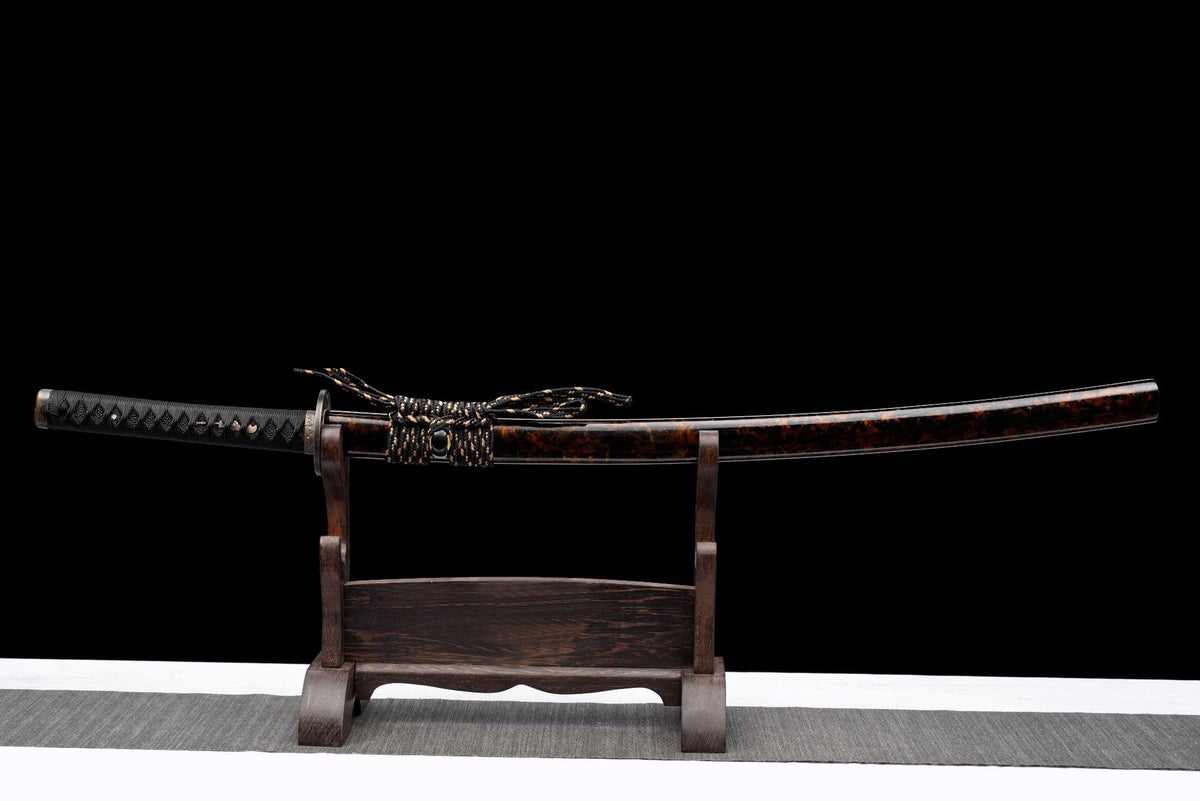
Compare the steel, heat-treatment details, hamon where applicable, blade geometry, polish, tsuka, tsuba, saya, fittings, wrapping, and overall finish. The heat-treatment label should be one part of the decision, not the only part.
Price can reflect differences in steel, polishing, fittings, finishing, materials, and craftsmanship. Two swords described as clay tempered can still differ substantially in construction and finish.