
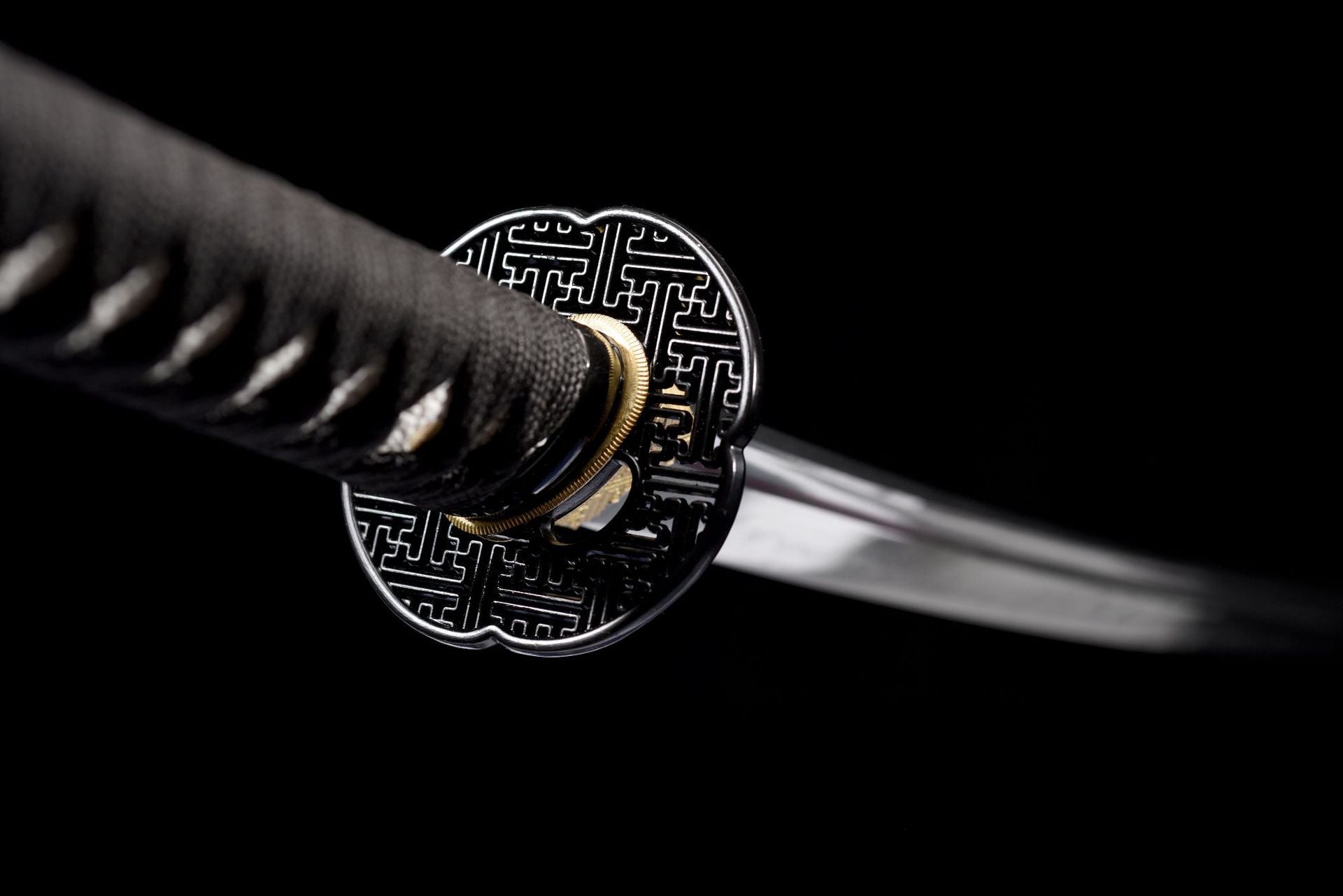
A Sword Should Be Understood, Not Just Admired.
IronPoet is a place for people who appreciate Japanese swords—not only for how they look, but for the materials, craftsmanship, history, and details that give each sword its character.
Choosing a Sword Shouldn’t Feel Complicated.
When I started looking closely at Japanese swords, I noticed how difficult it could be to understand what you were actually buying.
Steel types, heat treatment, fittings, blade geometry, craftsmanship, and historical terminology were often buried beneath marketing language.
I created IronPoet with a simpler idea: show the sword clearly, explain what matters, and make it easier to choose the one that feels right for you.
The Values Behind IronPoet
IronPoet is built on a few simple principles.
They guide everything we do, from the swords we choose to the way we present them.
01. Clear Information
Materials, construction, dimensions, and details should be easy to understand before you buy.
02. Thoughtful Selection
Not every sword needs to be here. I prefer a smaller, more considered collection over endless repetition.
03. Respect for the Sword
Japanese swords have centuries of history behind them. Even modern reproductions deserve to be presented with care and context.
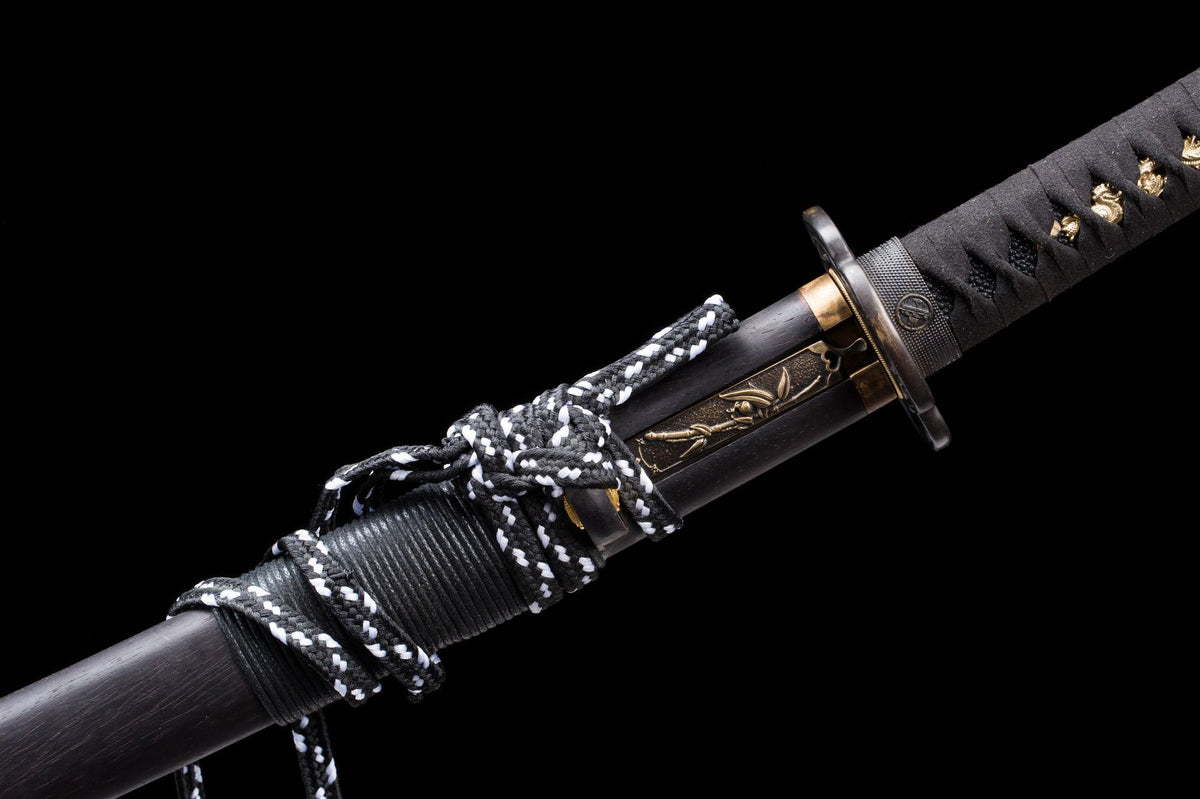
Details matter when the object itself is built from details.
The Things That Make a Sword Feel Right
Saya
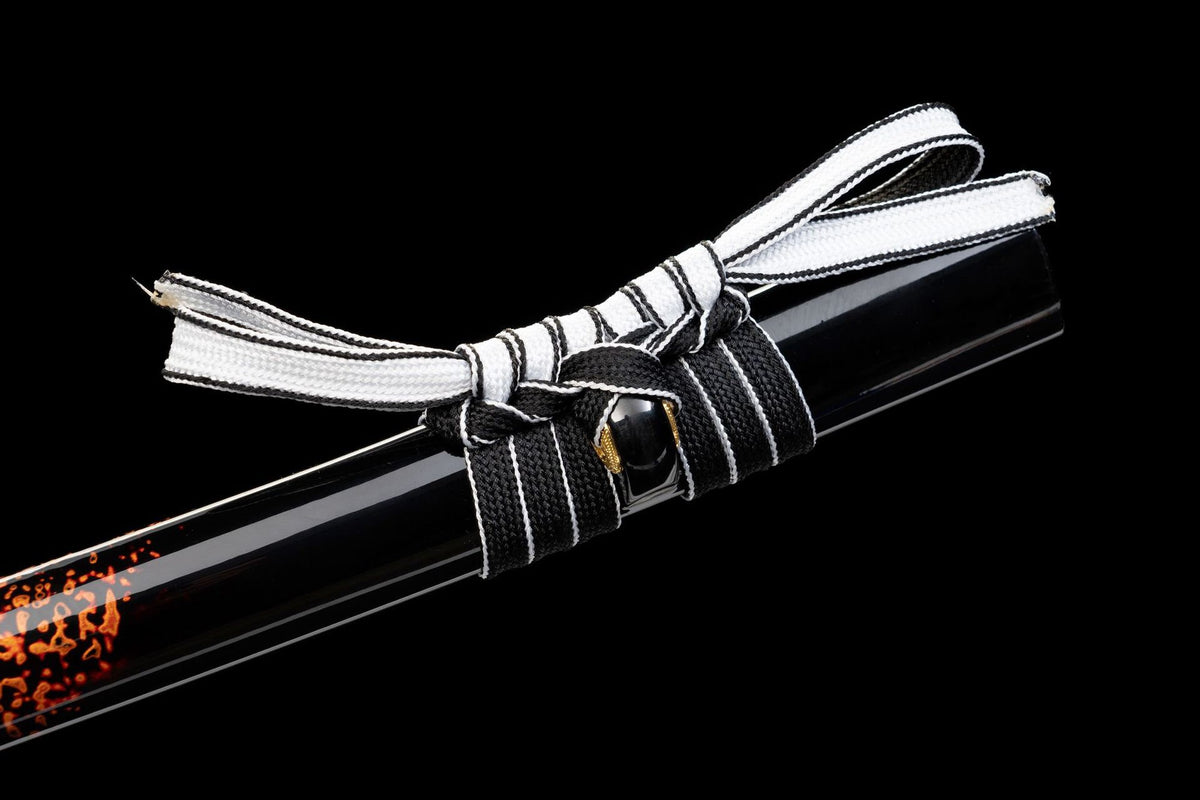
More than a cover for the blade, the saya completes the proportions and visual balance of the sword.
Tsuka
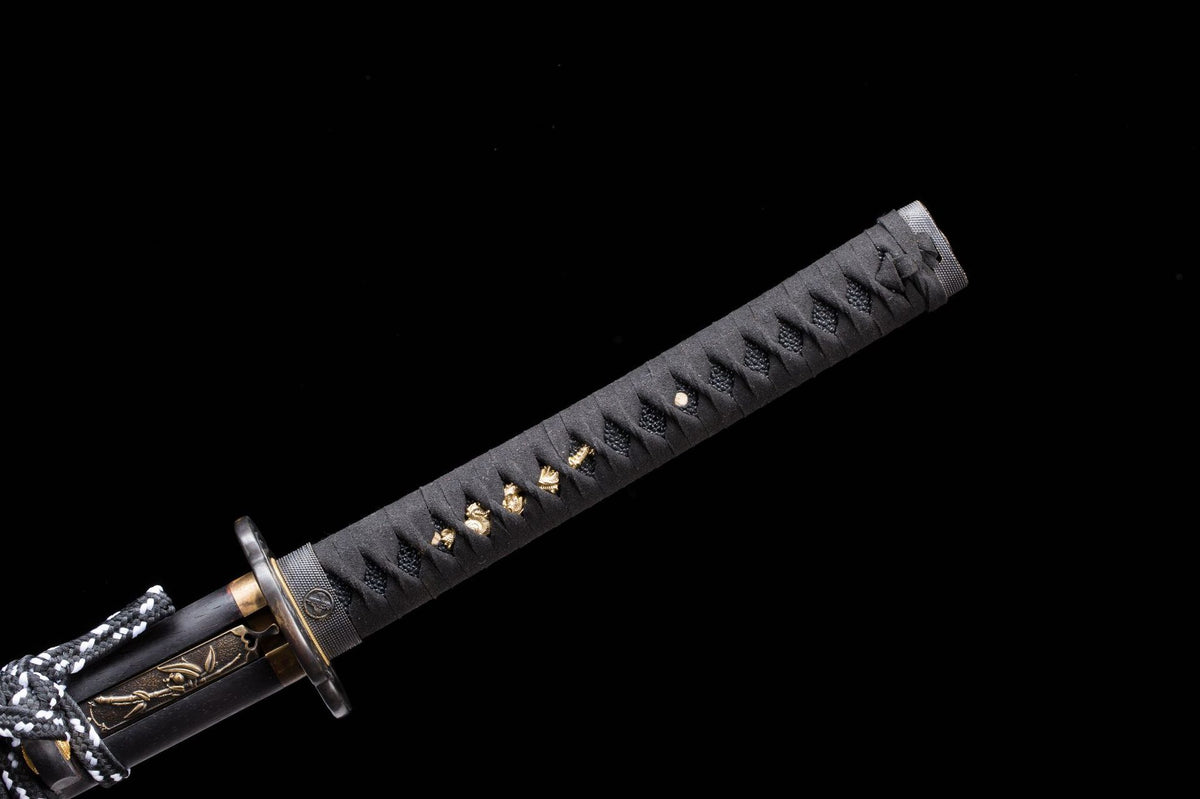
A sword begins with the grip. Shape, wrapping, fittings, and construction all matter.
Tsuba
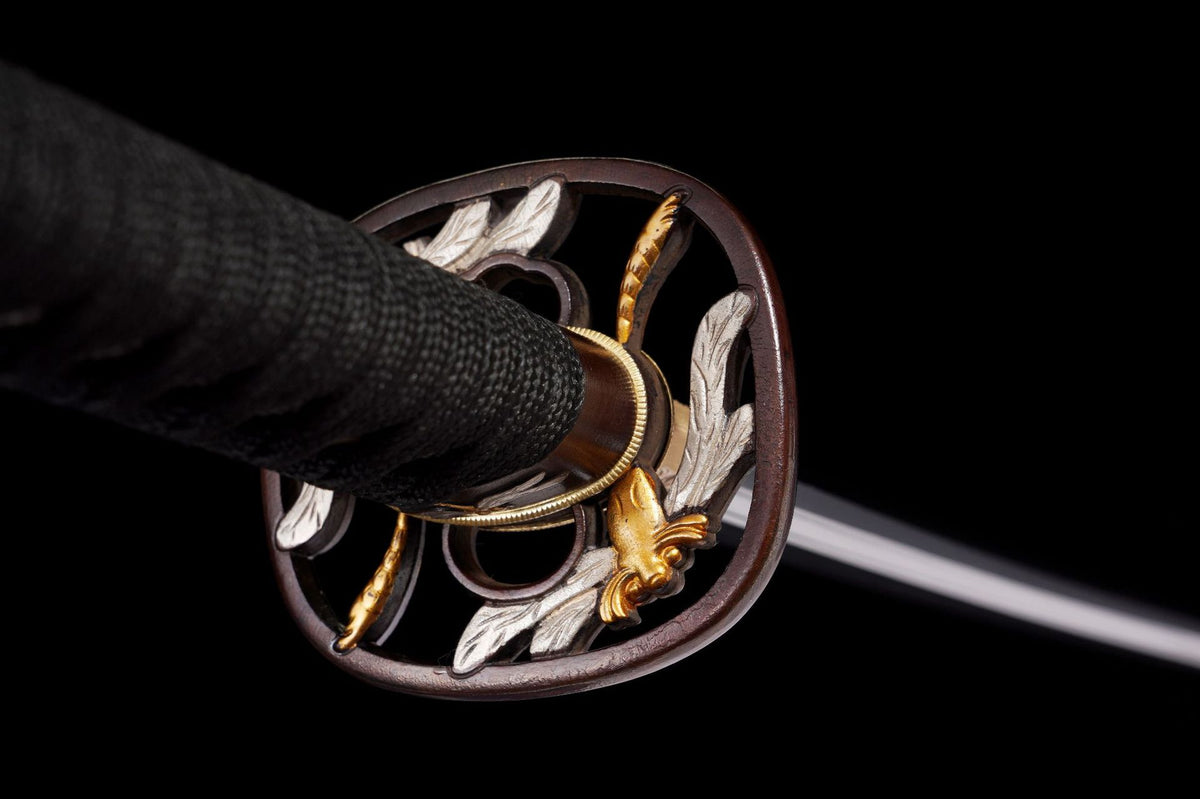
Often the first detail you notice—and one of the strongest expressions of a sword’s personality.
Blade
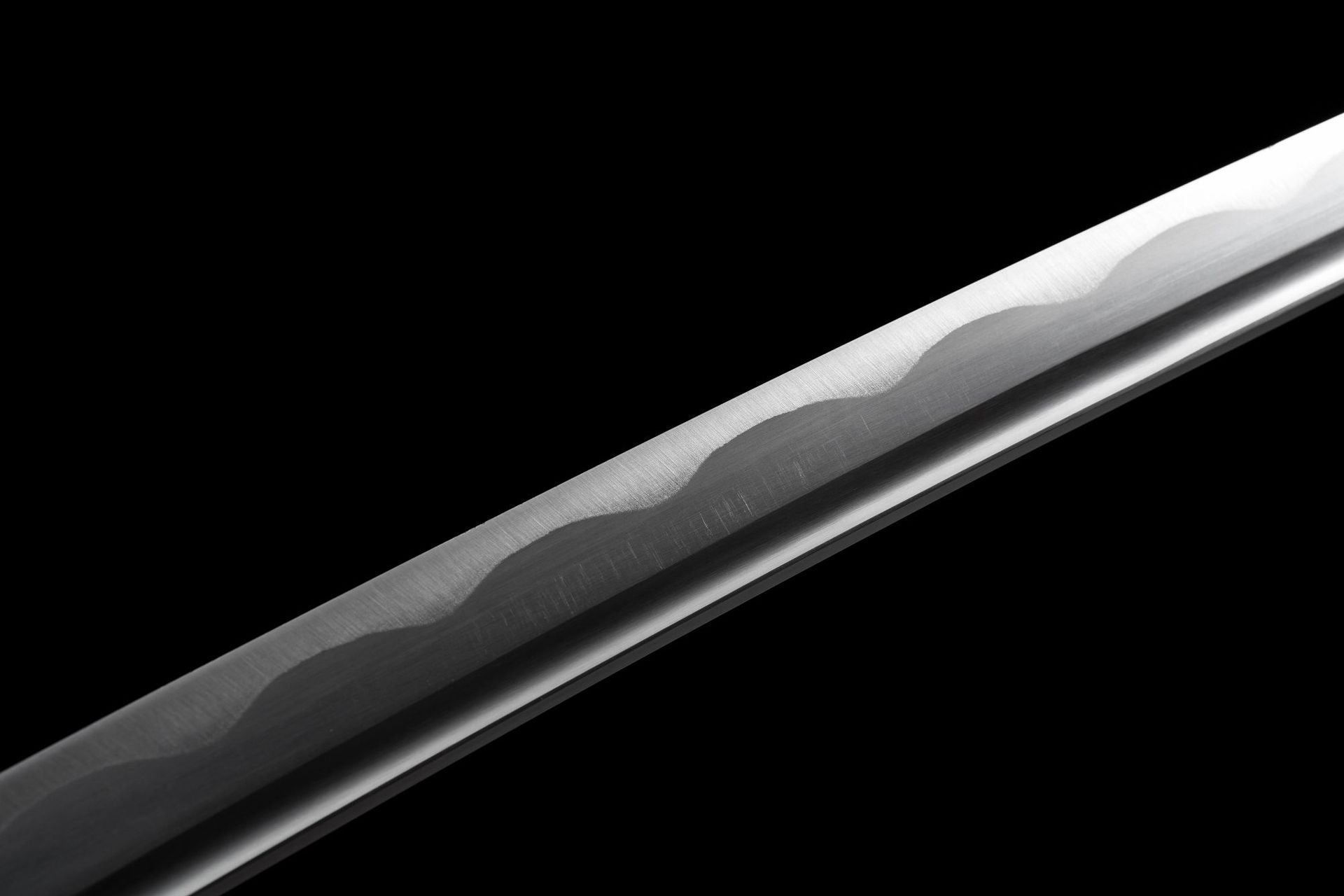
Steel, geometry, heat treatment, polish, and the character of the hamon.
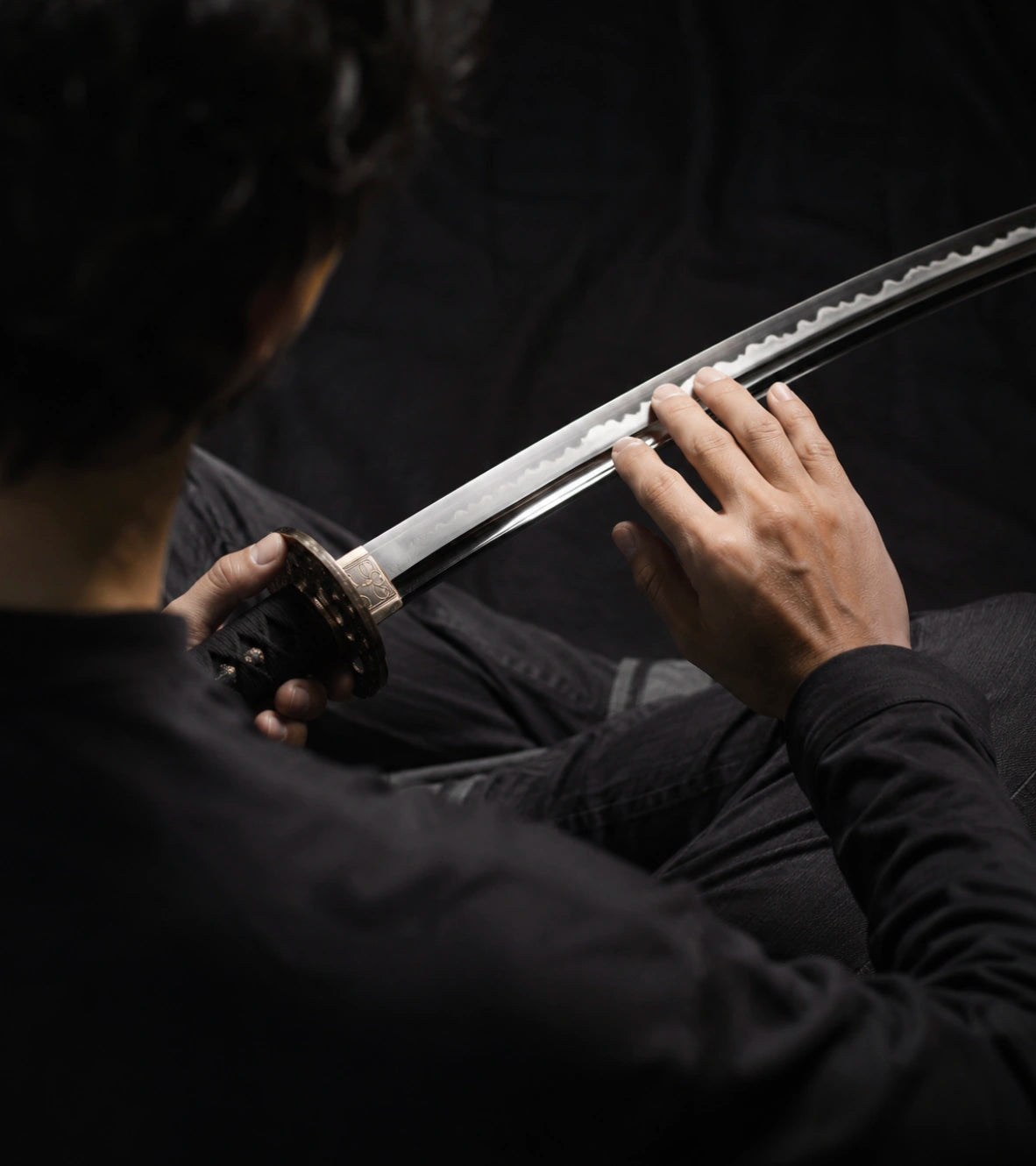
There Isn’t One Right Reason to Own a Sword.
Some people come to Japanese swords through history. Some through martial arts, anime, games, craftsmanship, or simply the beauty of the object itself.
I don’t think one reason is more legitimate than another.
What matters is understanding what you’re buying and finding something you genuinely enjoy owning.

Not Every Sword Needs a Legend
Sometimes, it simply needs to be well made, clearly understood, and right for you.
Looking for your first sword?
Already know what you’re looking for?