
Frequently Asked Questions
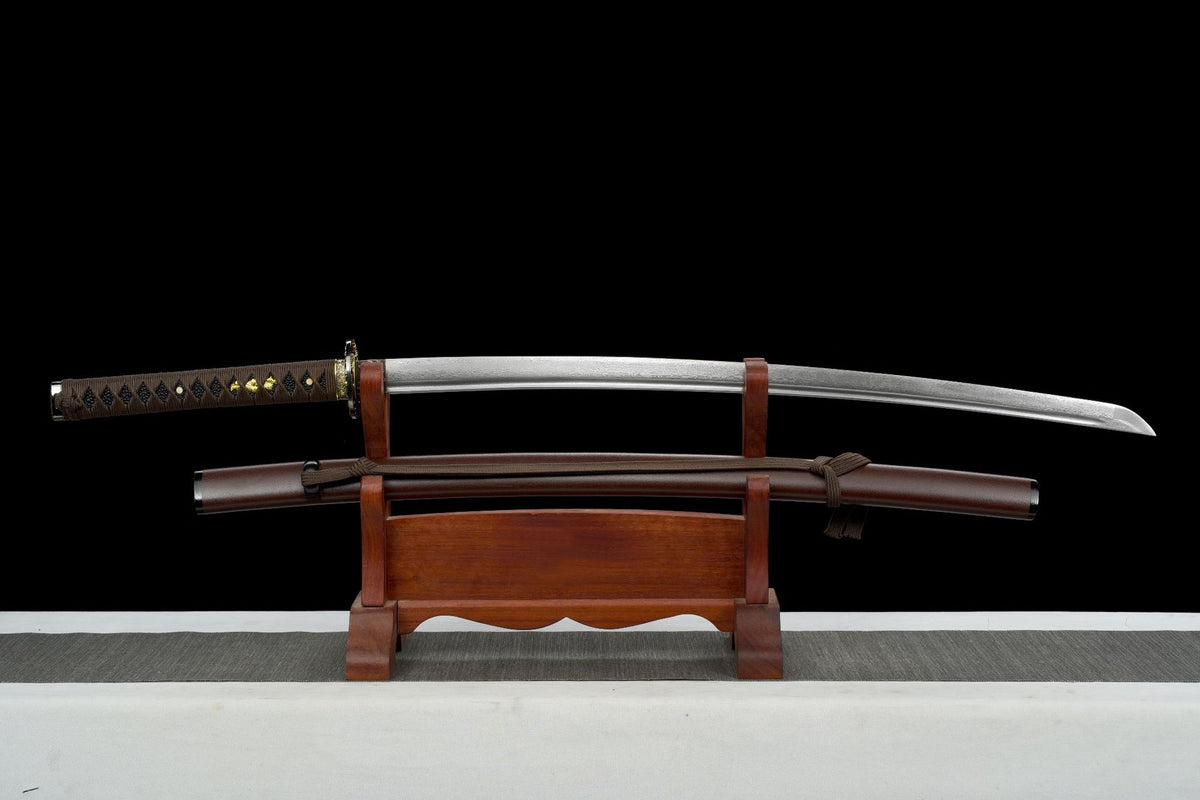
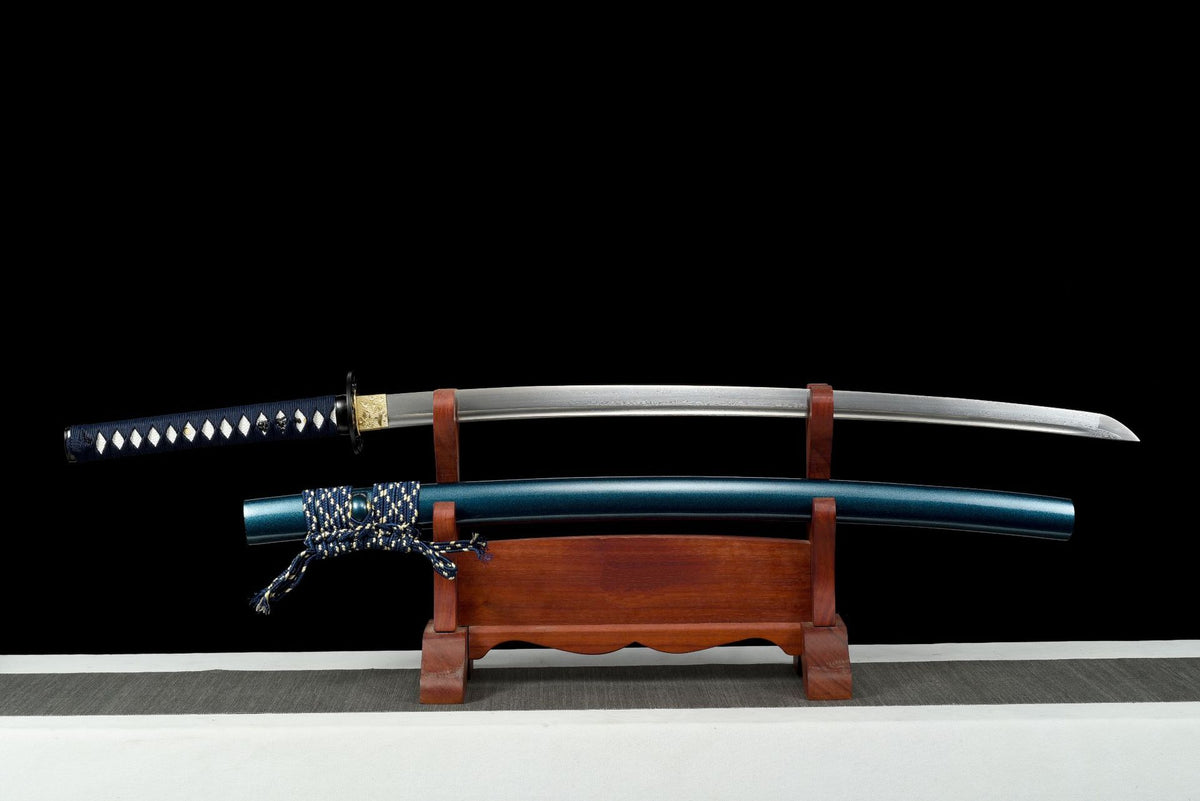
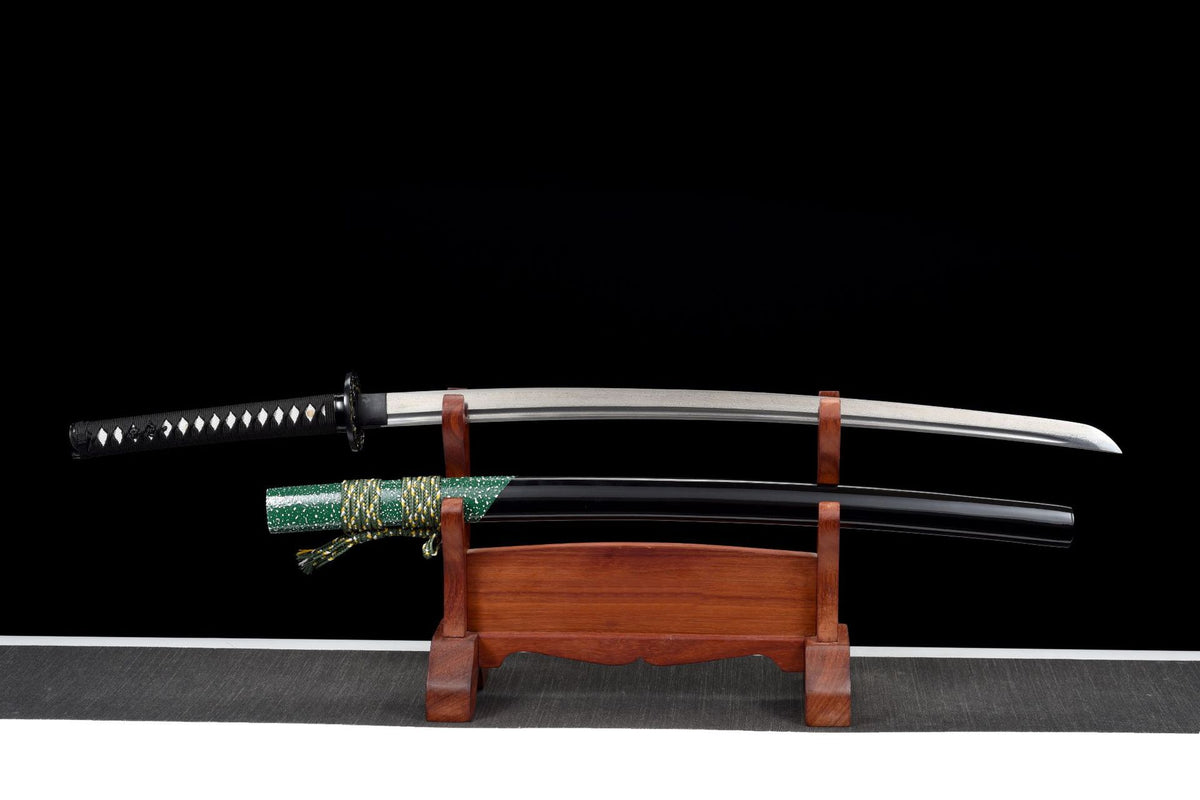
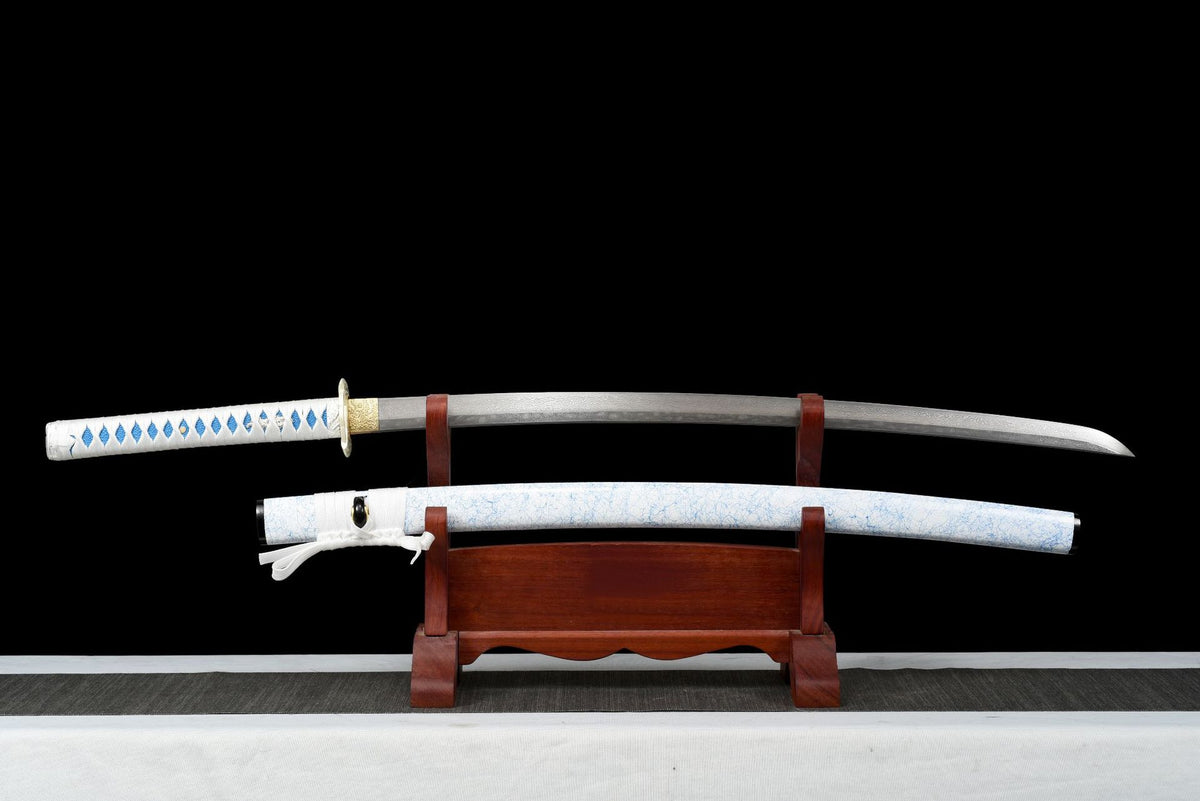
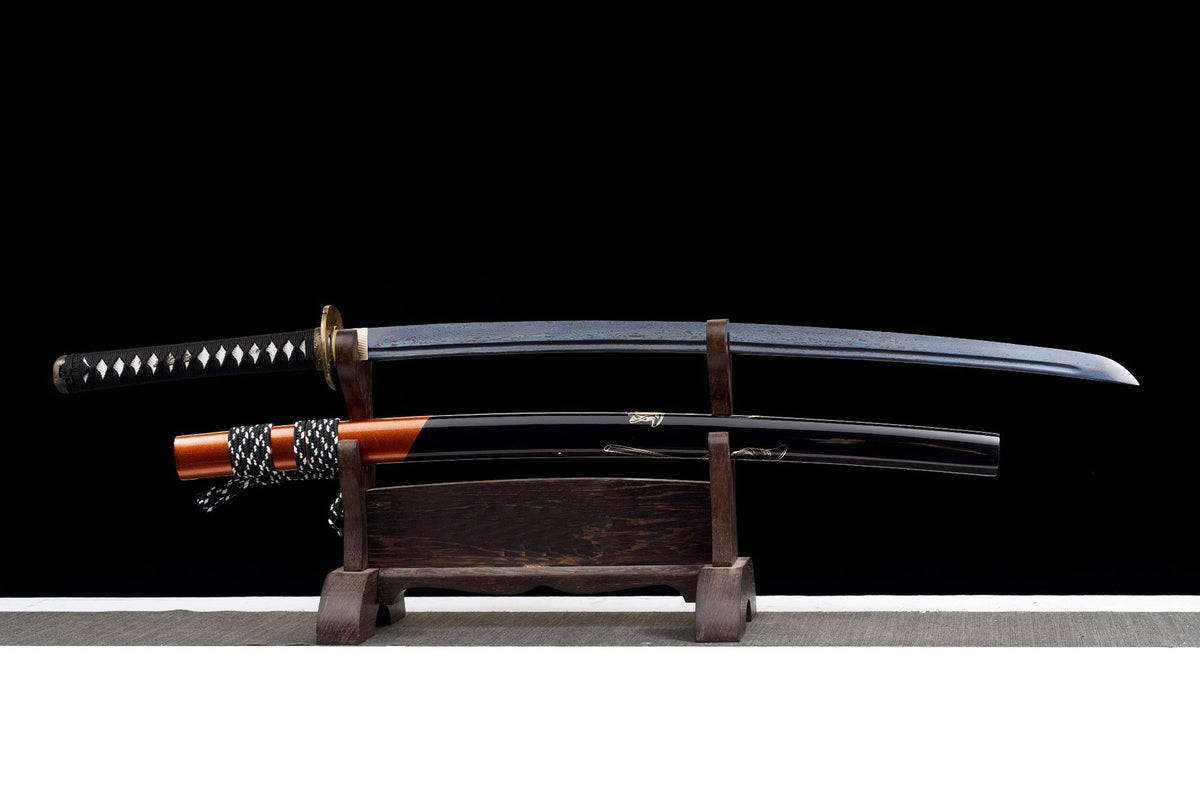
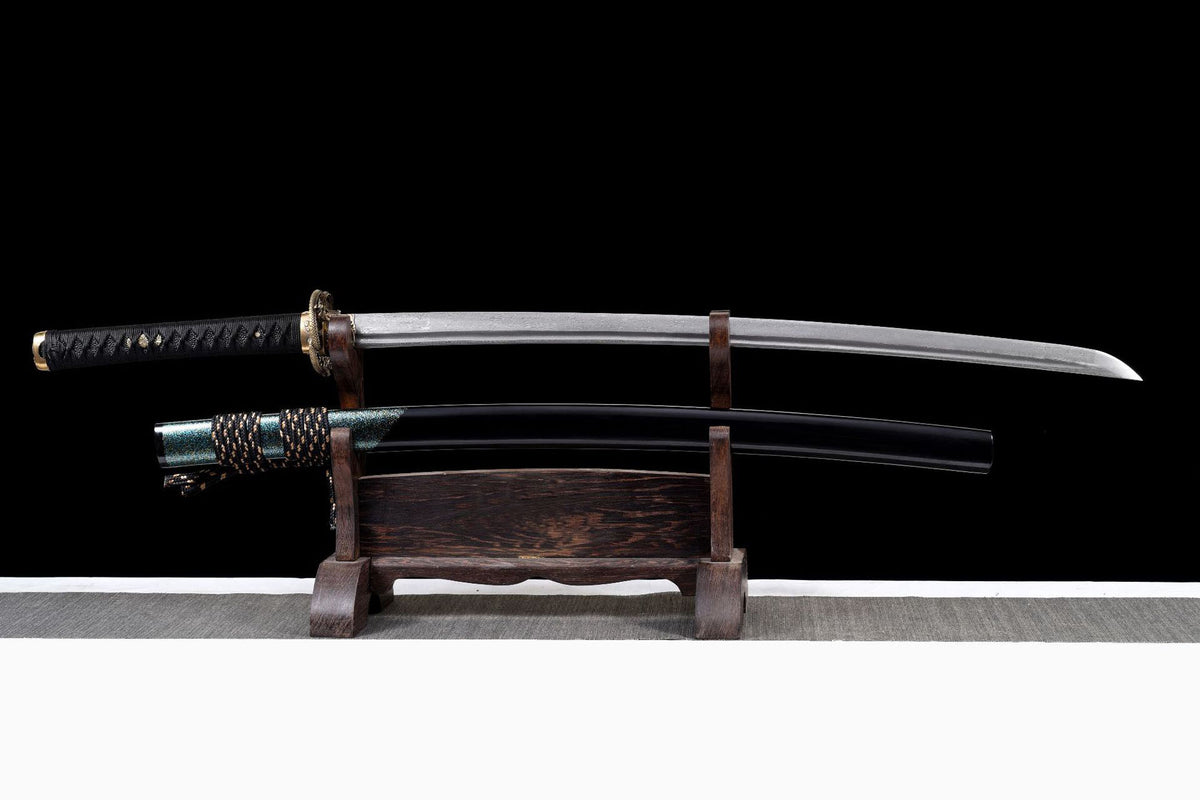
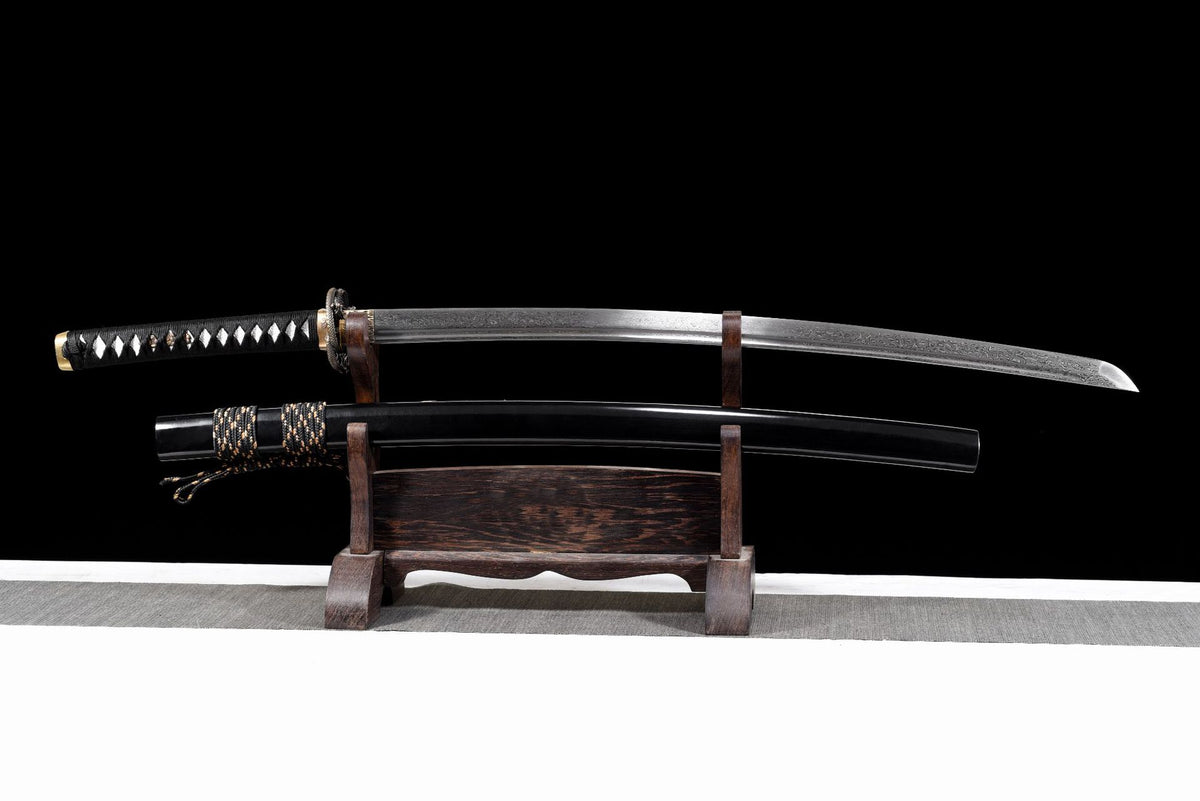
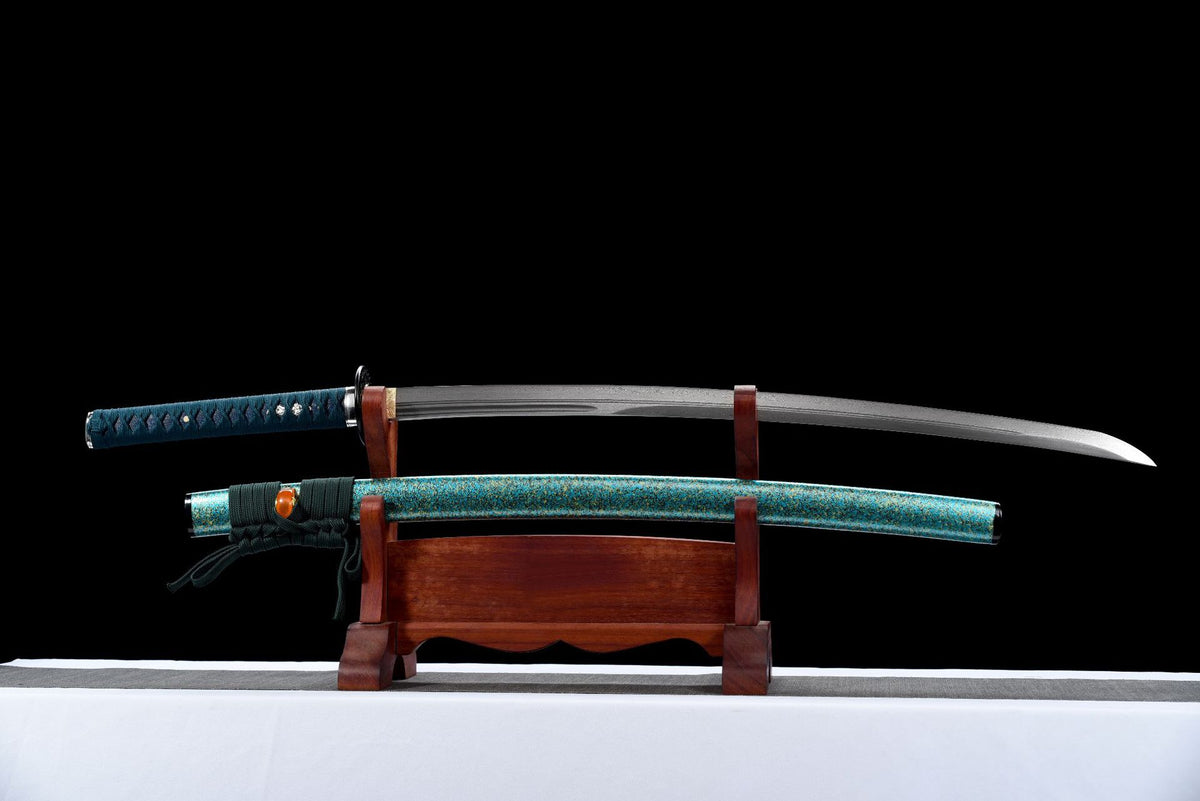
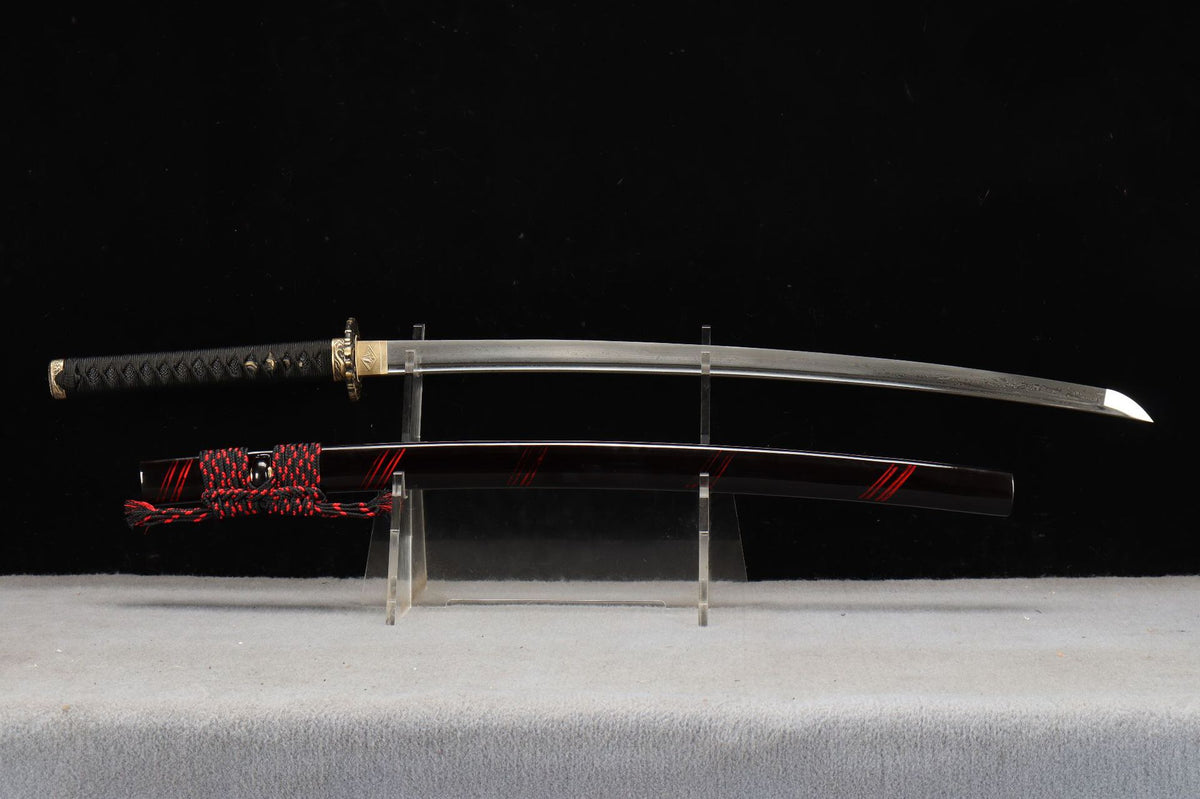
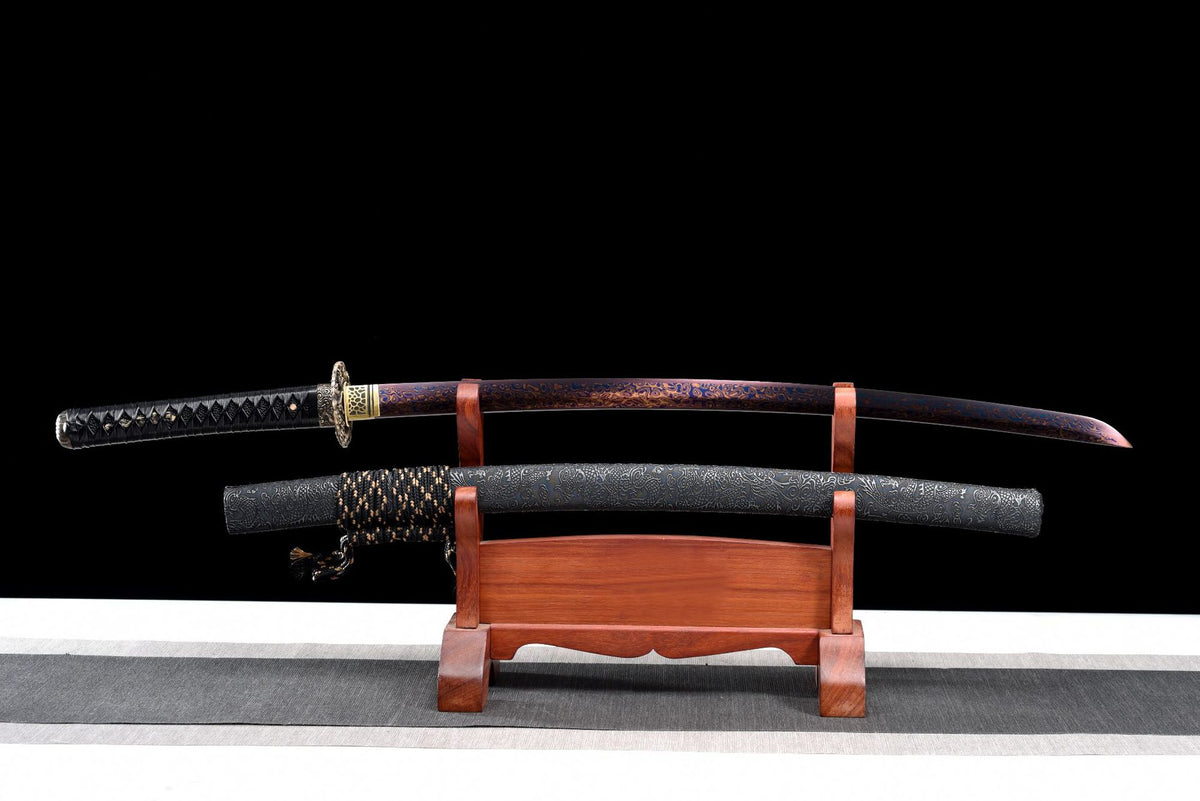
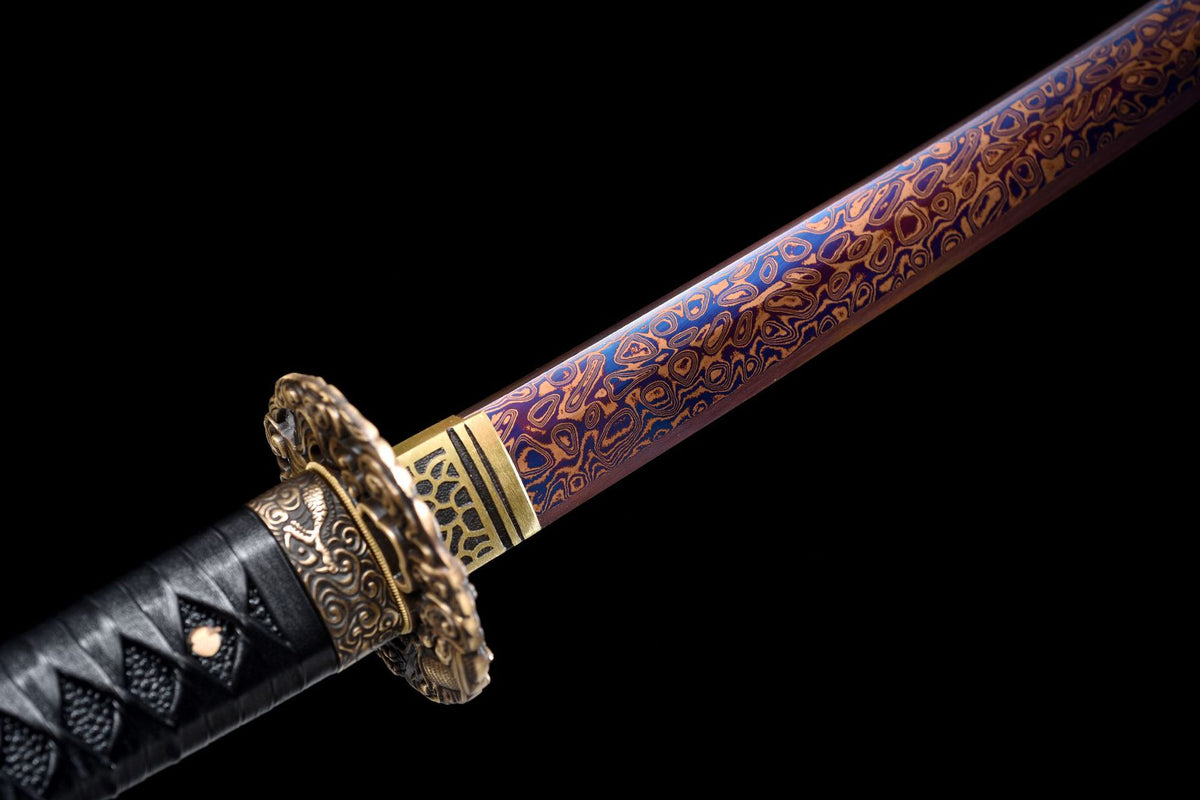
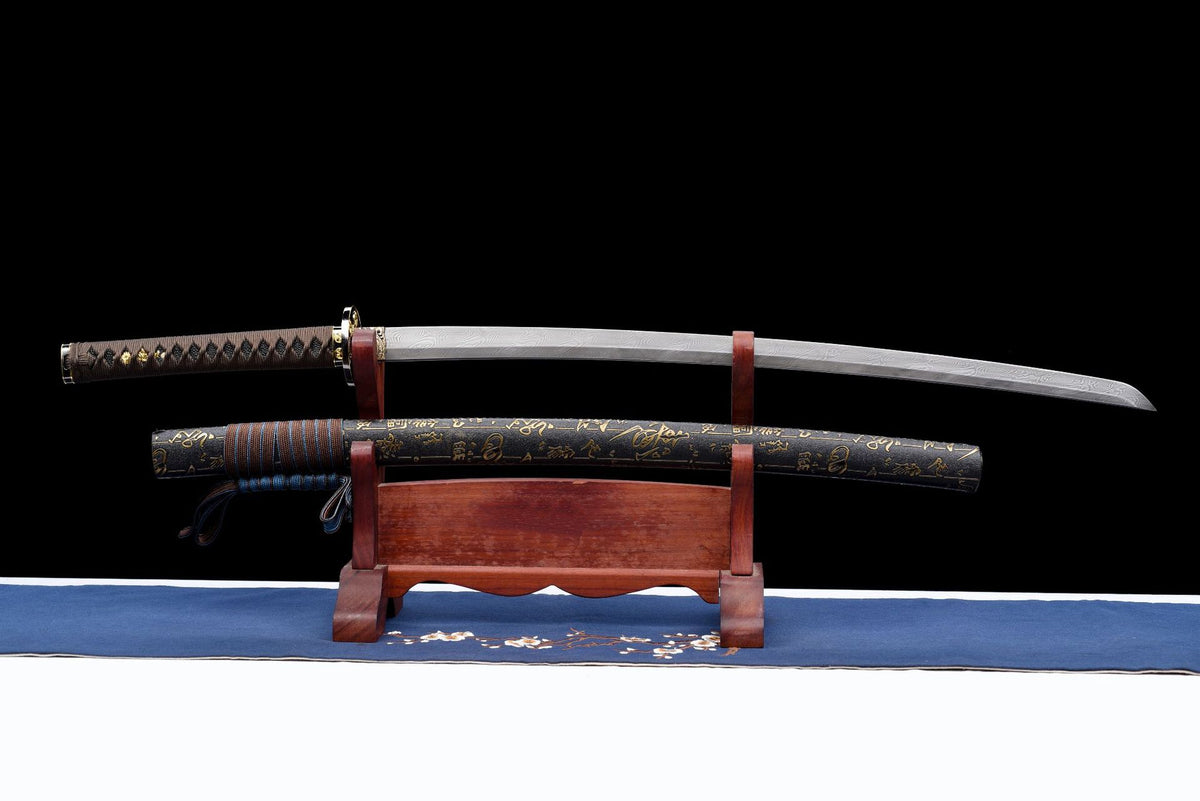
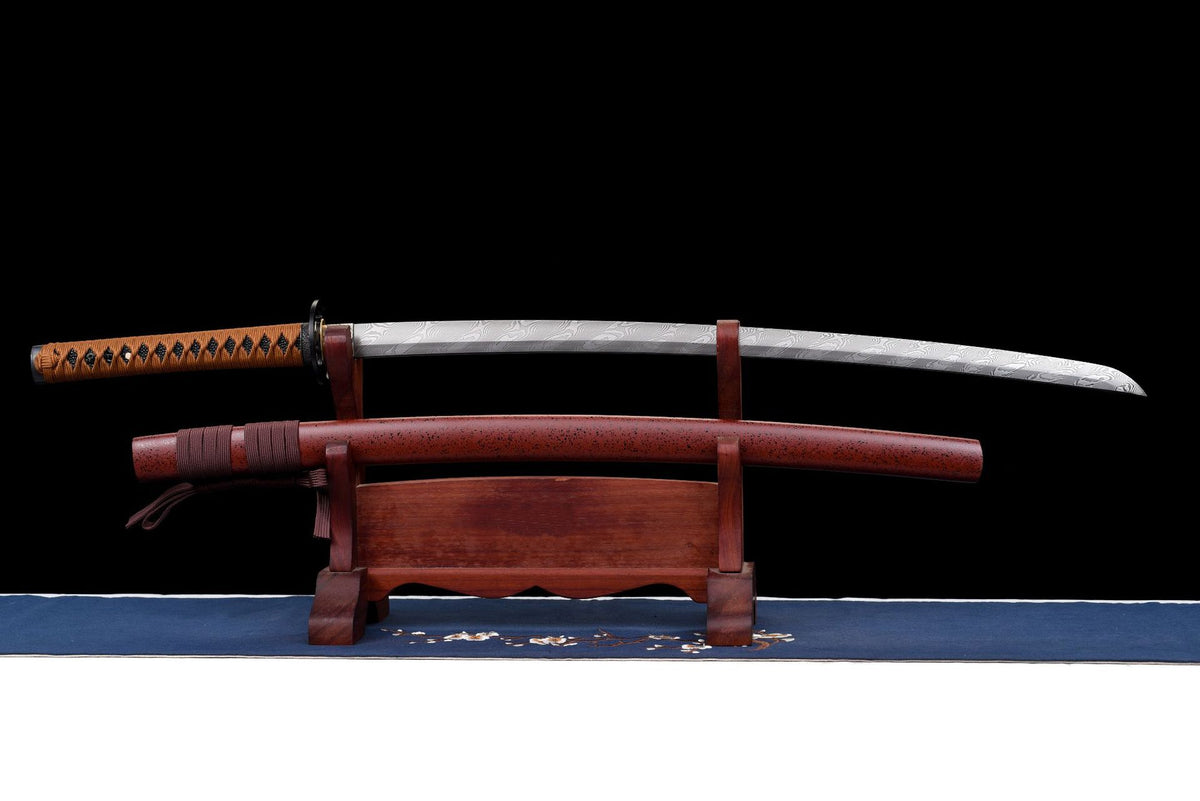
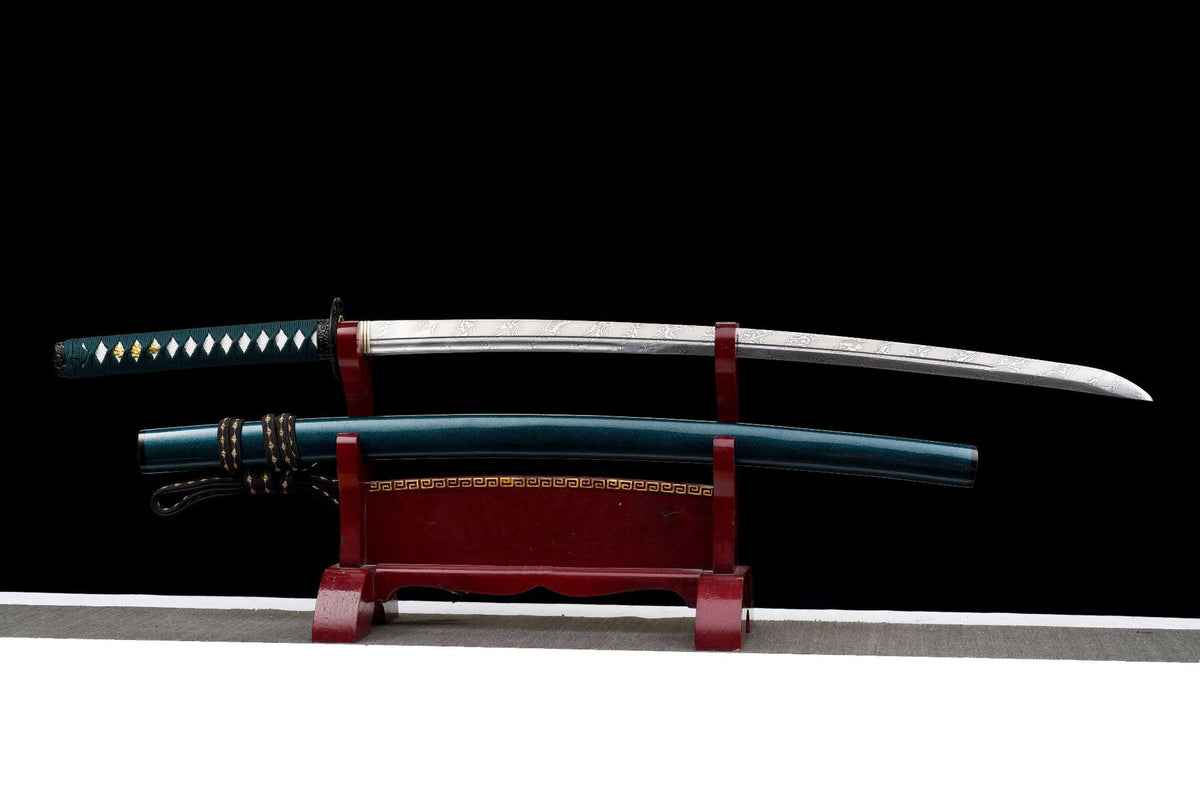
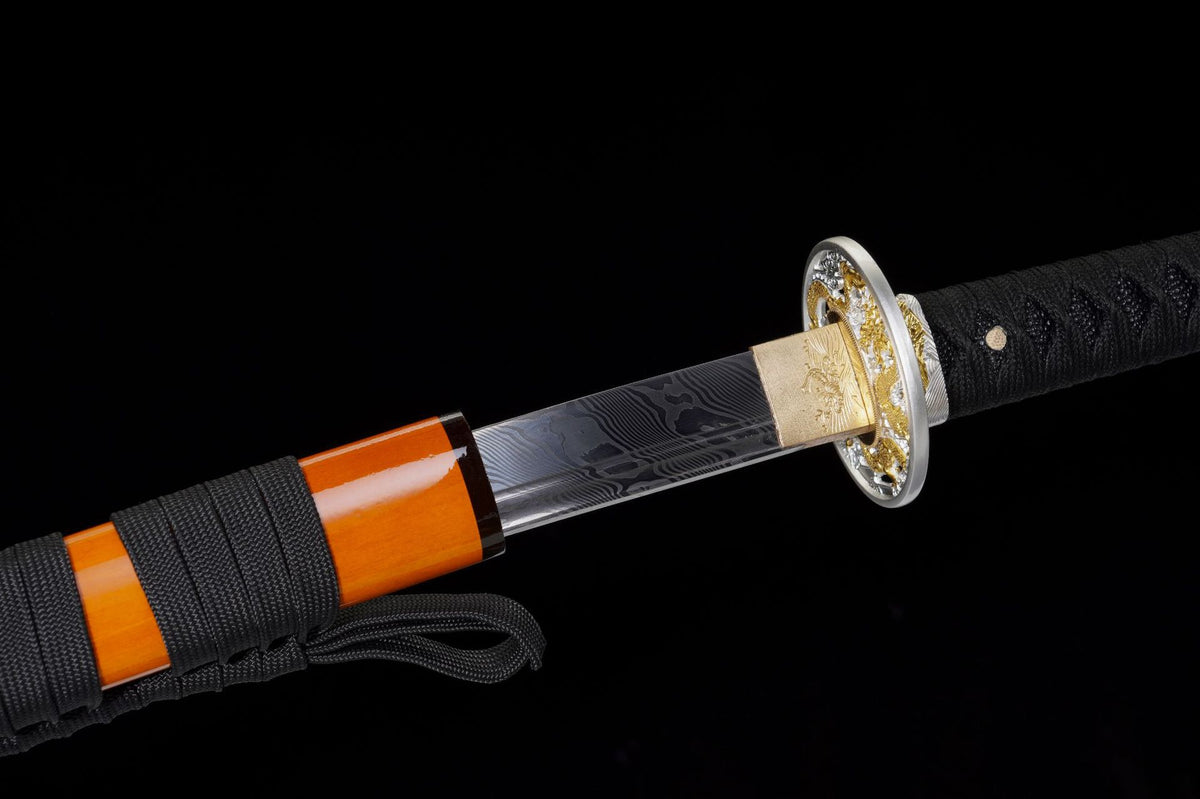
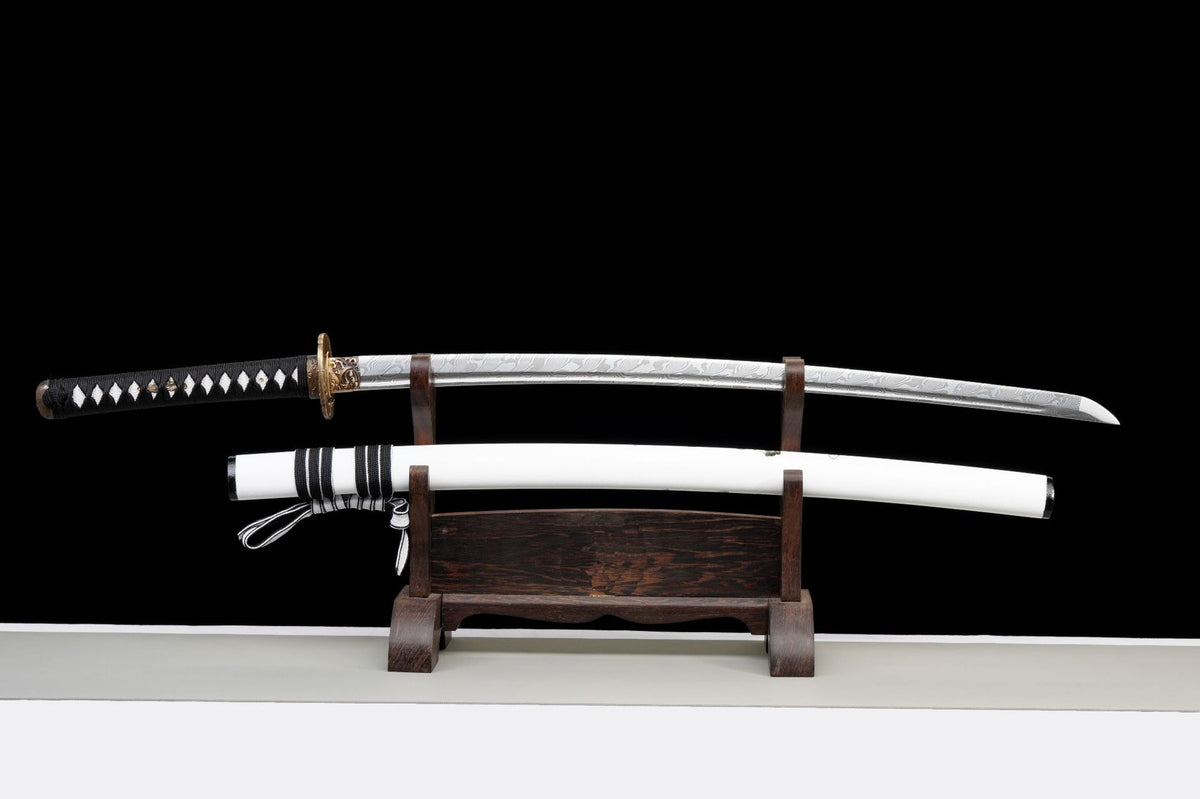
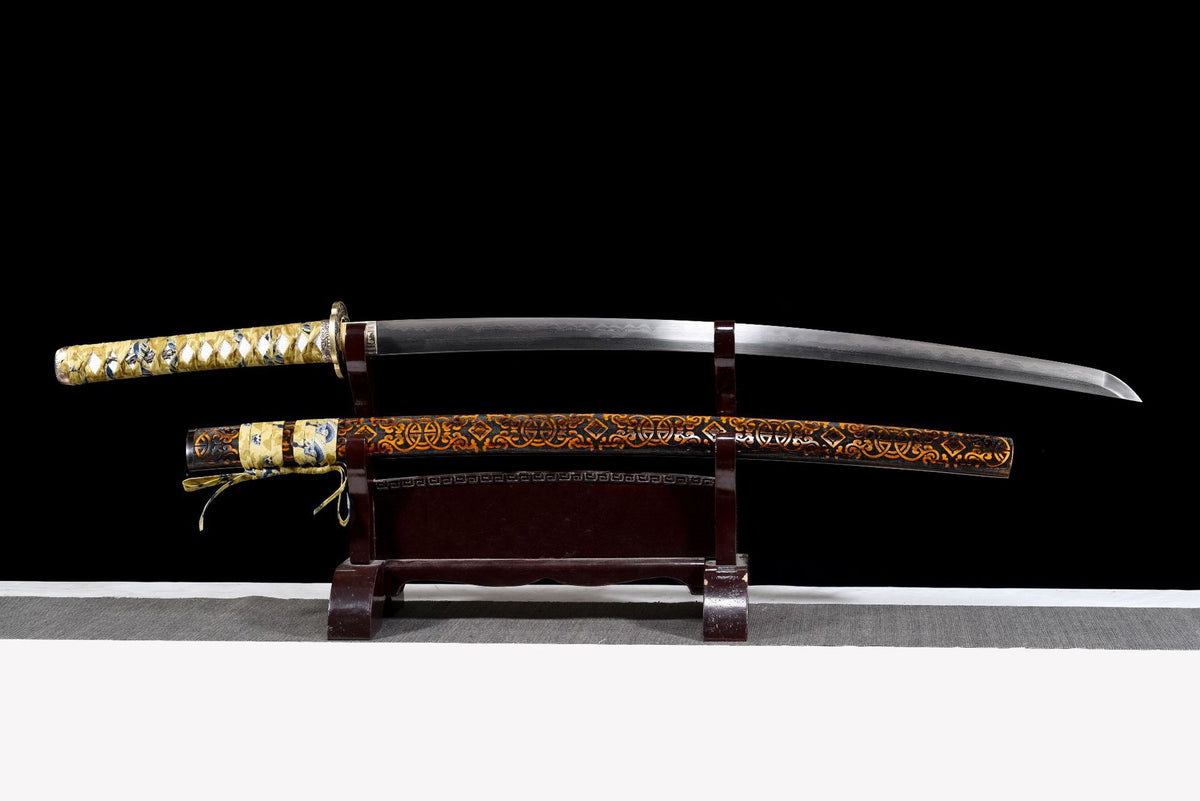
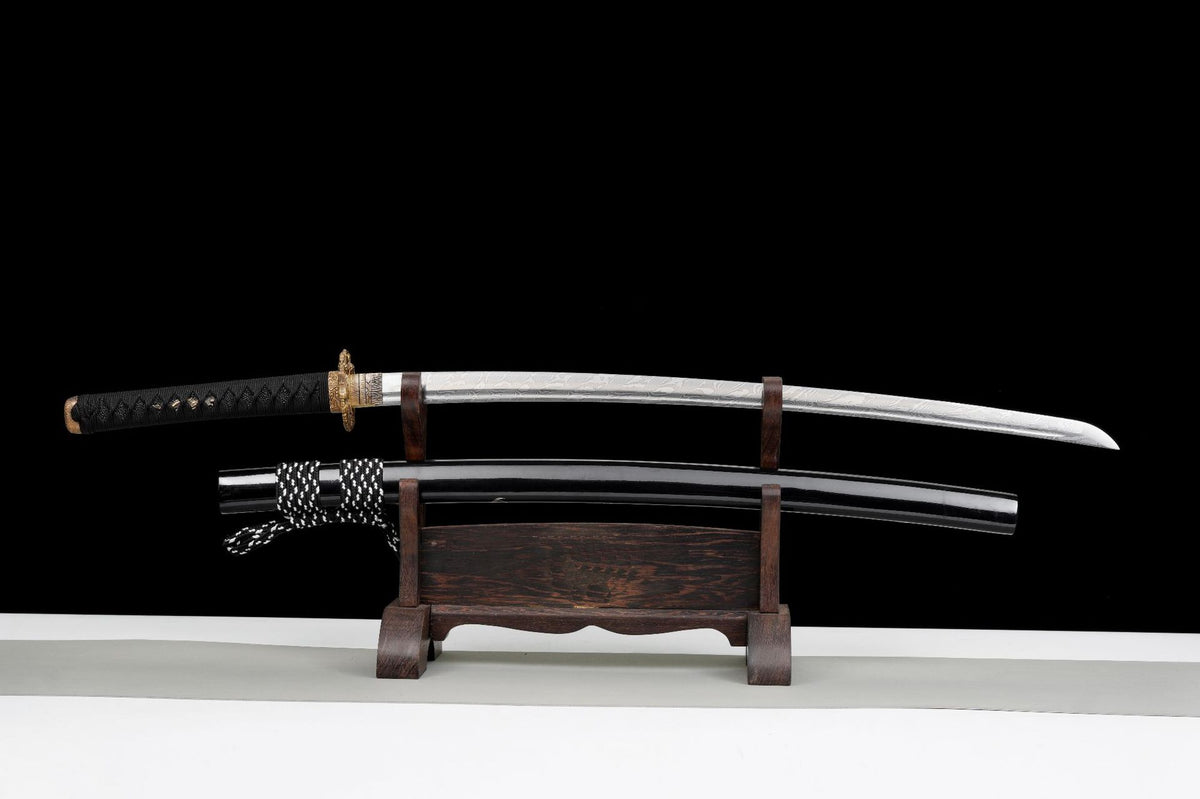
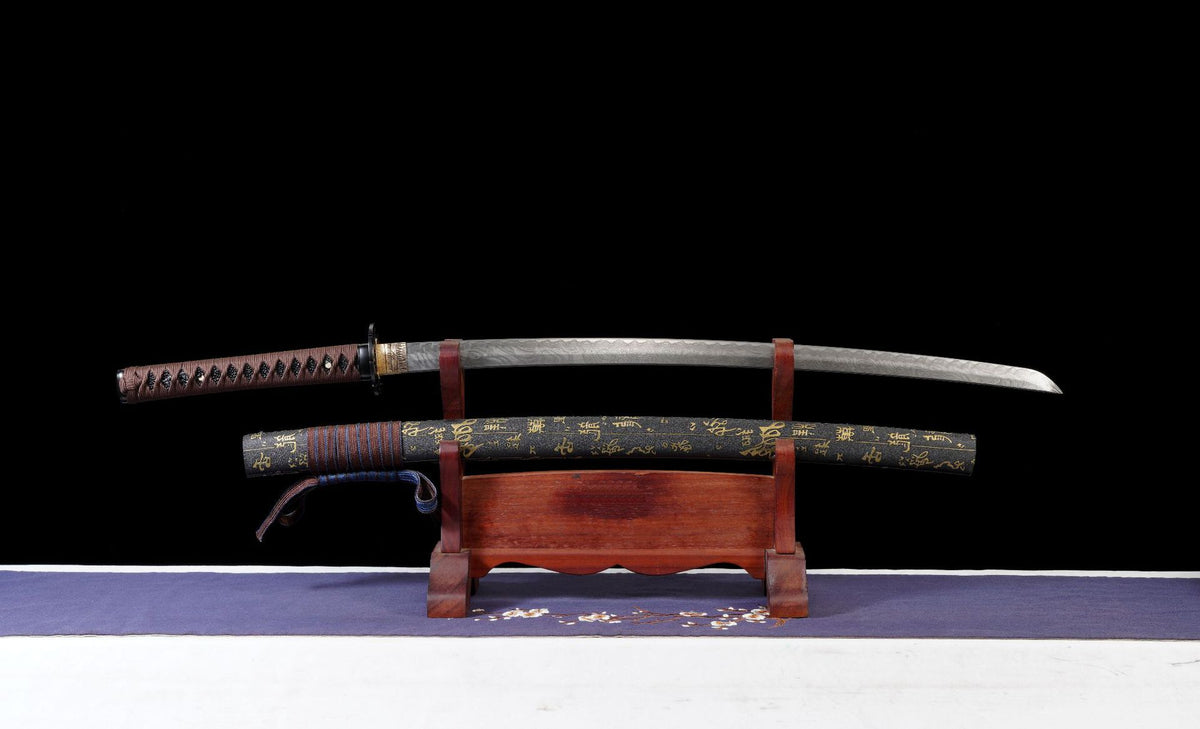
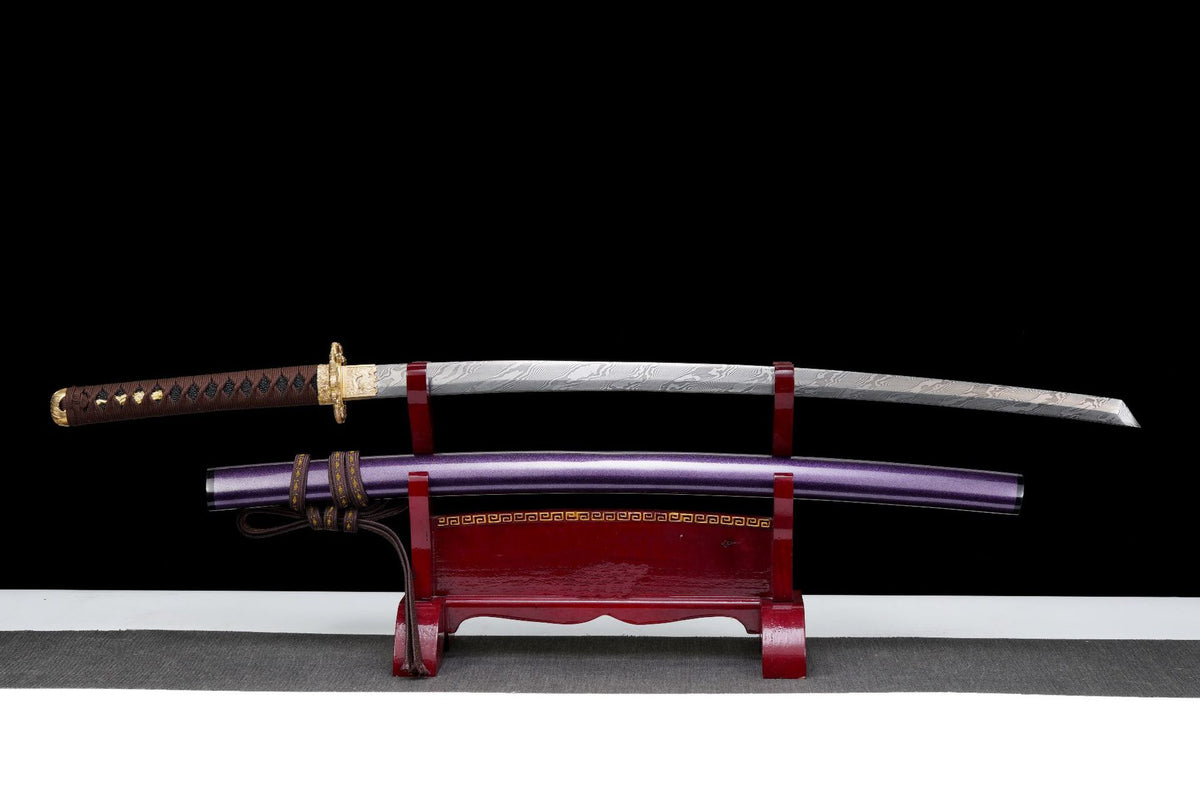
No. The appearance can vary widely depending on how the steel layers are arranged, manipulated, and finished. Some patterns are subtle and linear, while others appear more flowing or high-contrast.
Not exactly. Both can involve layered metal, but they come from different traditions and can be produced for different reasons. On a modern katana product page, “Damascus” should be read as a description of the visible pattern-welded blade style unless the maker provides a more specific construction description.
Many modern Damascus blades use carbon-based steels and can develop surface corrosion if exposed to moisture and left unprotected. Care requirements should therefore follow the blade material and product instructions rather than assuming the visible pattern makes the steel corrosion-resistant.
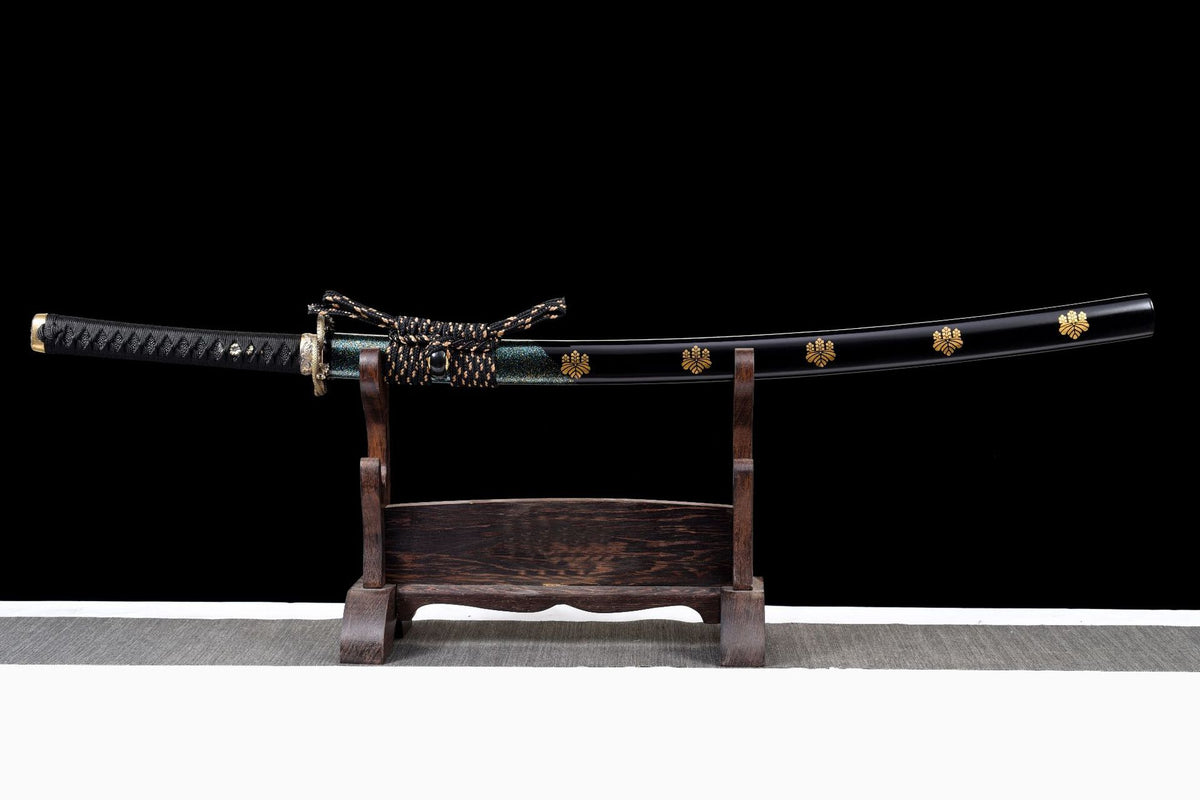
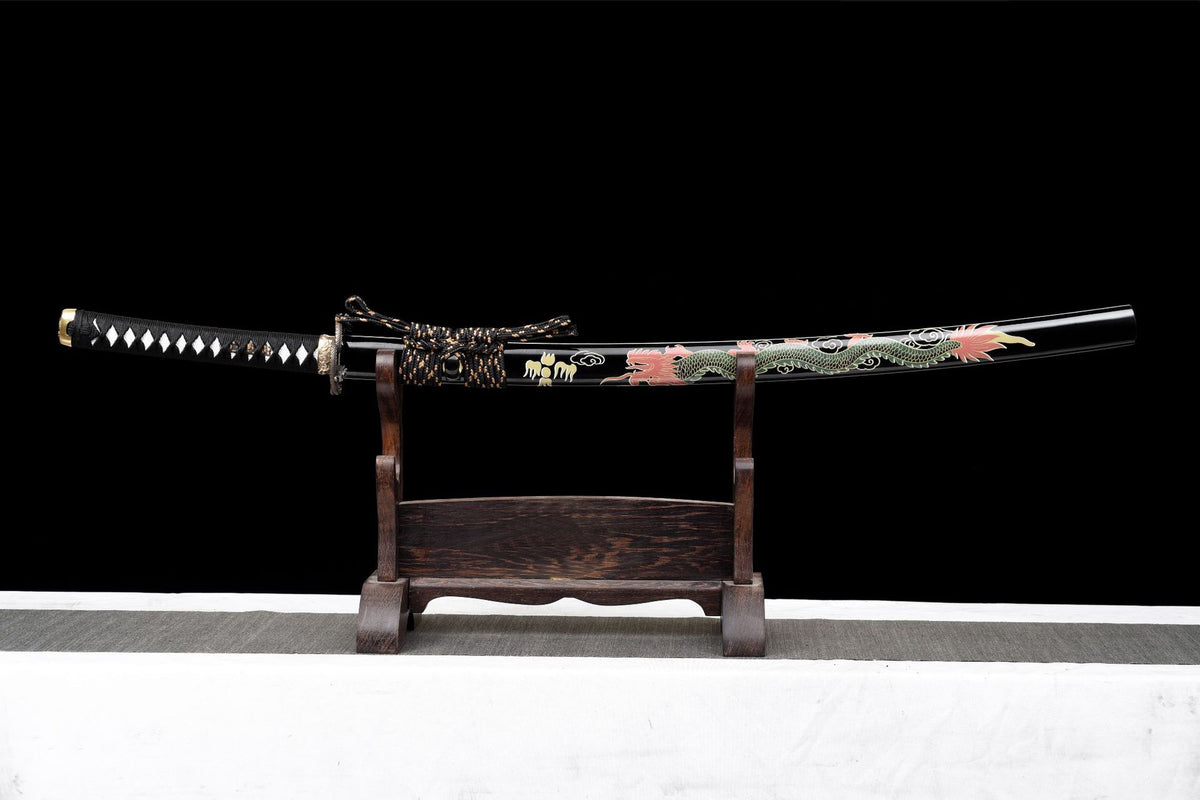
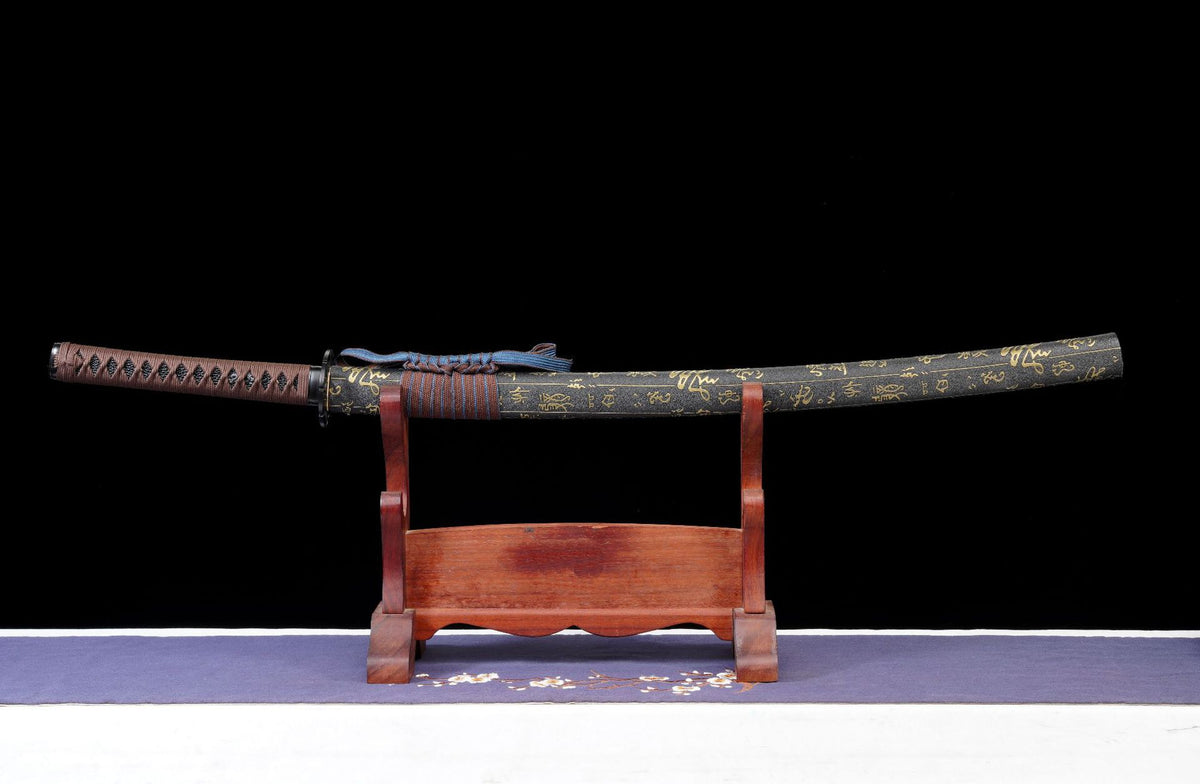
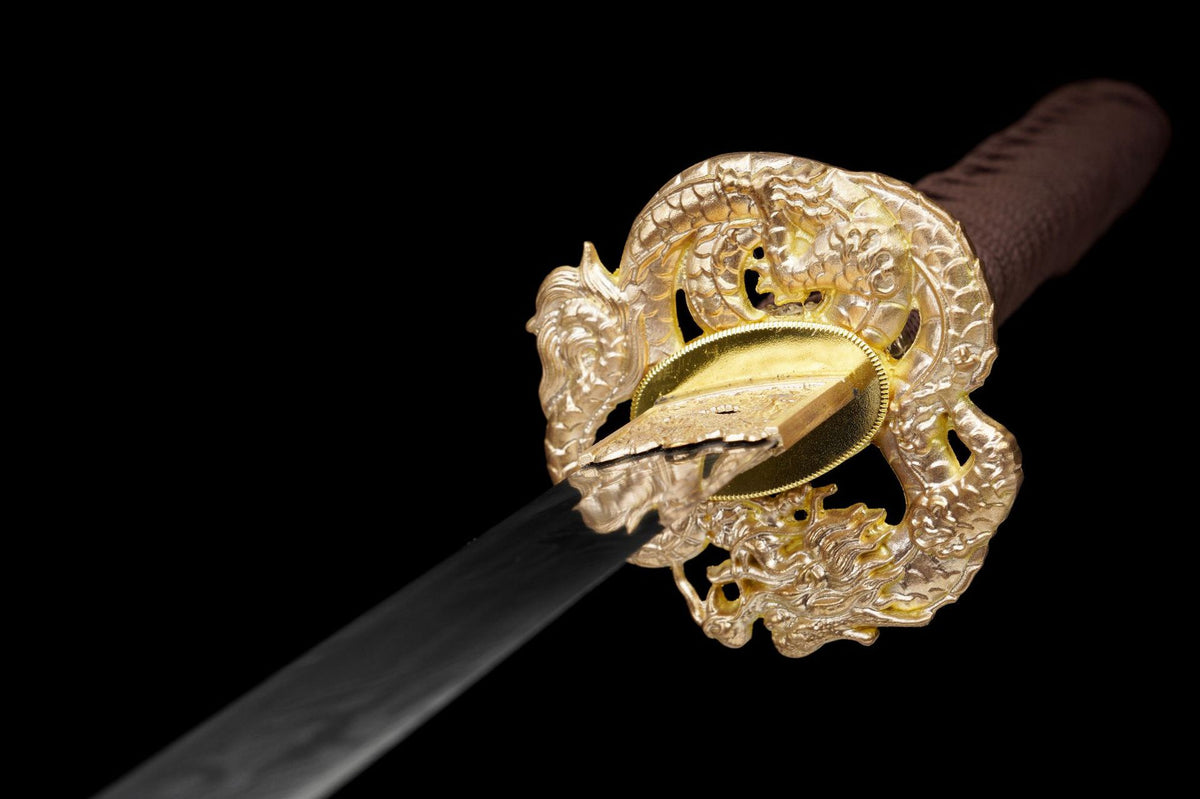
Start with whether you actually like the blade pattern, then check the individual product page for the blade material, heat treatment, finish, dimensions, and mounting details. Treat “Damascus” as one feature of the sword rather than a complete quality rating.