
Katana Buying Guide for Beginners: How to Choose the Right Sword
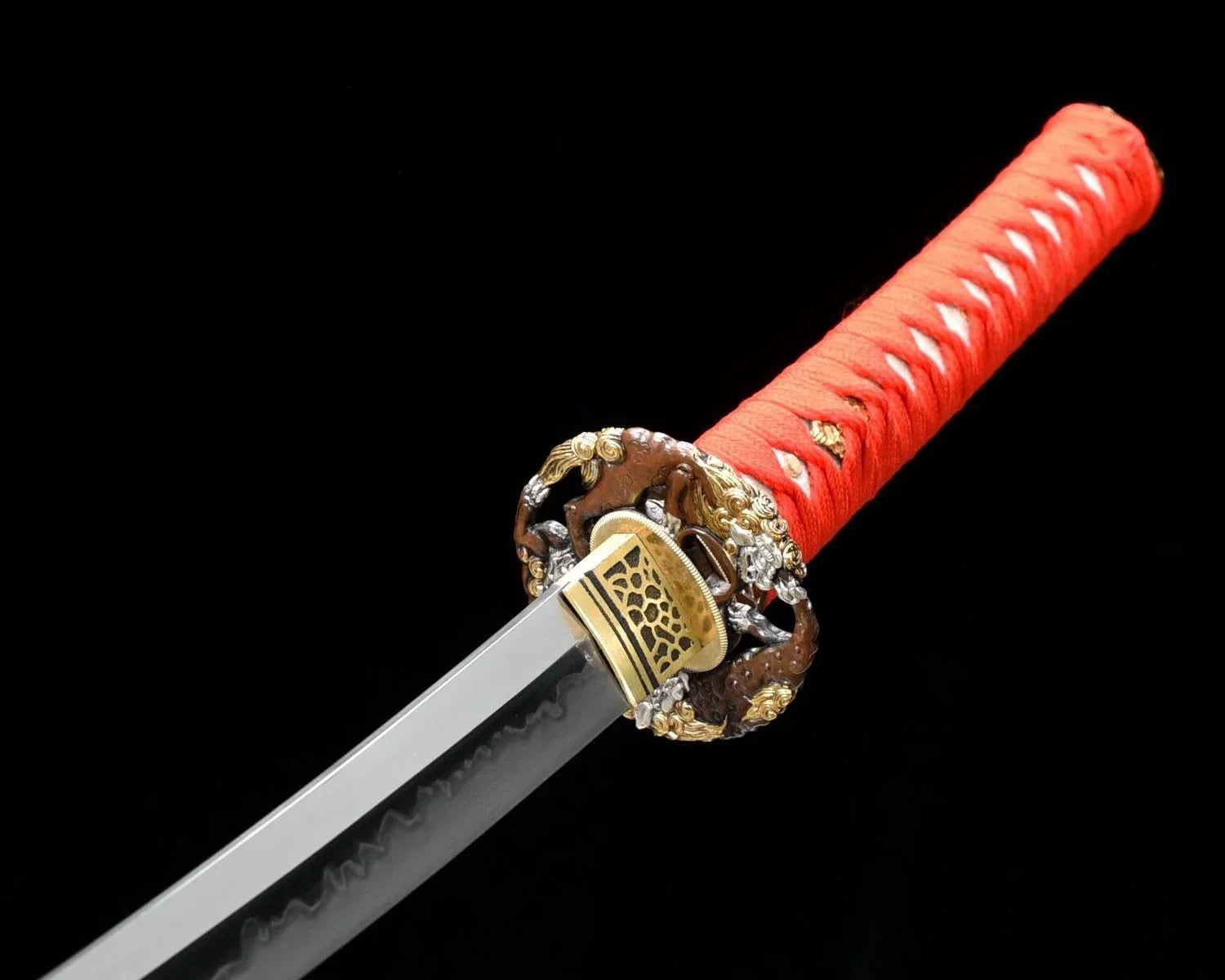
Buying your first katana is easy to overthink.
You see a sword with a striking hamon, another with a black saya and gold fittings, then a third described as T10 clay-tempered Full Tang pattern-welded steel. It can start to sound as if every technical term is telling you which sword is “best.”
Usually, it is not that simple.
A good katana is one that suits what you actually want it for. Before comparing steel names or decorative details, decide whether you want a sword for display, collection, practice, or lawful controlled use. That one decision makes the rest of the buying process much clearer.
Start with the purpose, not the specification list
Different buyers need different things from a katana.
For display, you may care most about the overall look: the color and finish of the saya, the tsuba design, the handle wrapping, and whether the sword fits the atmosphere of your room.
For collection, you may be more interested in the steel, the hamon, the fittings, or a particular historical or fantasy-inspired style.
For practice, balance and manageable proportions matter more than visual drama. A sword that feels too long, too heavy, or too awkward in your hands will quickly become frustrating.
For a sharpened sword, the first question is not “How sharp is it?” but “Do I have a lawful reason to own it, a safe place to keep it, and the responsibility to handle it properly?”
Once you know the purpose, you can stop treating every feature as equally important.
Sharp or unsharpened: which should you choose?
Sharpness is one of the biggest dividing lines between katana options.
A sharpened katana is for an adult buyer who has a legitimate reason to own one, understands the added responsibility, and can store it securely. It is not simply a more serious version of a display sword.
An unsharpened katana is often the better first choice for display, collecting, costume use, and many forms of practice. You can still appreciate the blade shape, construction, fittings, and balance without bringing a live edge into your home.
Before choosing a sharp katana, answer these questions honestly:
-
Can I store it in a secure place?
-
Will children, visitors, or people unfamiliar with swords be able to reach it?
-
Are possession, delivery, and transport permitted where I live?
-
Do I have a real reason to choose a live edge instead of an unsharpened blade?
If you are uncertain, unsharpened is usually the more sensible option.
That does not make it a toy. Even an unsharpened katana is a long, rigid metal object with weight, fittings, and a pointed tip. It still deserves careful handling and secure storage.
Why choose a Full Tang katana?
Full Tang refers to the way the blade extends through the handle.
In a Full Tang katana, the steel continues inside the tsuka, or handle. The hidden portion is called the nakago, and the handle is traditionally held in place with mekugi, usually bamboo pegs.
For a buyer, the reason to choose Full Tang is straightforward: it creates a more complete connection between the blade and handle.
A katana should feel like one object when you hold it. The grip should not feel like a decorative sleeve attached to a blade. A Full Tang construction gives the sword a more solid, grounded feel and is the better choice if you care about sturdy overall construction.
If you only want a decorative piece, you may put more weight on visual details. But if you want a katana that feels substantial in the hand, or you may want to use it for appropriate practice later, Full Tang is the sensible foundation.
Katana steel: what the common options mean
Steel names can be helpful, but they are not a scorecard. Each option has a different appeal.
| Steel type | Best for | Why choose it |
|---|---|---|
| 1060 carbon steel | A balanced first katana | Good mix of toughness, price, and straightforward care |
| Manganese steel, often 65Mn-type | Buyers who prefer a resilient, practical feel | Often associated with toughness and spring-like properties |
| T10 carbon steel | Buyers who value clay tempering and hamon | Often chosen for a more striking blade finish |
| Pattern-welded steel | Display and collection | Creates visible layers and flowing blade patterns |
1060 carbon steel
1060 carbon steel is a popular first choice because it sits in the middle of the market in a useful way. It offers a practical balance of toughness, maintenance, and price.
Choose 1060 if you want a katana that feels like a well-rounded first purchase. It is a good option when you would rather spend your budget on solid construction and a design you enjoy than on chasing the most dramatic steel label.
It may not have the most elaborate hamon or the most eye-catching description. That is fine. For many beginners, 1060 is appealing precisely because it does not ask you to make the purchase more complicated than it needs to be.
Manganese steel
“Manganese steel” is a broad term often used for 65Mn-type spring steel. Buyers usually choose it because they want a blade associated with toughness and a slightly more resilient, spring-like character.
It suits someone who prefers a practical-looking katana and cares more about a sturdy feel than a highly decorative blade.
Manganese steel is not automatically better than 1060. It simply serves a different preference. If a visible hamon and a traditional clay-tempered look are what draw you in, manganese steel is usually not the first direction to take.
T10 carbon steel
T10 is often associated with clay tempering and a visible hamon. It is a good fit for buyers who want the blade itself to be a major part of the sword’s visual appeal.
Choose T10 when you care about the details of heat treatment and want a katana with a more expressive blade finish. A clear hamon can give the sword a distinct personality, especially under natural light.
T10 makes less sense if you are simply looking for the least expensive way to own a first katana. It is better for someone who values the blade’s appearance enough to make that part of the budget worthwhile.
Pattern-welded steel
Pattern-welded steel is mostly about visual texture. The blade can show layered lines that look like waves, water, or wood grain. Each pattern has small variations, so the sword can feel more individual.
Choose pattern-welded steel if you want close-up detail that makes the blade interesting even when it is not being held or displayed from a distance.
It is not an automatic performance upgrade. A layered pattern does not, by itself, tell you how the sword was heat-treated or how well the fittings are assembled. It is best understood as a design choice. If you love the look, it is worth choosing. If you do not care about the look, there is no need to pay for it.
Clay tempering and hamon: should you care?
Clay tempering is a heat-treatment method used to create a visible hamon, the temper line that runs along the blade.
Before quenching, clay is applied at different thicknesses across the blade. The edge and spine cool differently, which can create contrast in the hardening and leave a hamon behind.
Choose clay tempering if you enjoy both the process and the visual result. The hamon can make a katana feel less uniform and more alive, particularly when the light catches the blade from different angles.
But clay tempering is not a requirement for a good katana.
A through-hardened blade may make more sense if you prefer a simpler buying decision, a less decorative look, and a sword chosen mainly for its overall construction rather than its blade pattern.
The right question is not “Does this sword have a hamon?” It is “Do I want the hamon to be one of the reasons I am buying this sword?”
Choosing the right size and weight
A katana can look balanced in a product photo and still feel completely wrong in your hands.
Four measurements matter most:
-
Blade length
-
Overall length
-
Handle length
-
Weight
For a first katana, manageable is usually better than oversized. A very long blade may look dramatic, but it can be harder to move, position, and store. A heavier sword can feel impressive at first, but the weight becomes much more noticeable when you hold it for more than a few minutes.
If you are buying for display, measure the wall, shelf, rack, or cabinet where the sword will live. This simple step prevents a surprisingly common problem: owning a beautiful katana that is too large for the space you had in mind.
Handle length matters as well. A longer tsuka gives you more room for a two-handed grip. A shorter one creates a more compact feel. The better choice is the one that feels natural in your hands and fits the visual proportions you prefer.
A simple way to narrow down your choices
You do not need to find one katana that does everything. You need to choose one whose features make sense together.
A first katana purchase becomes much easier when you can answer these questions:
-
Is it mainly for display, collection, practice, or lawful controlled use?
-
Do I need a sharp blade, or is unsharpened the better fit?
-
Do I want the stronger, more complete feel of Full Tang construction?
-
Would I rather have a balanced 1060 blade, a resilient manganese steel blade, a T10 hamon, or a pattern-welded visual effect?
-
Is clay tempering important to me, or would I be happier with a simpler blade?
-
Can I comfortably handle and store this length and weight?
-
Do I like natural variations in wood, wrapping, and hand-finished blade details?
-
Can I store the sword securely and comply with local requirements?
The point is not to collect the longest feature list. It is to understand what each feature gives you, then choose the ones you will genuinely appreciate.
When your katana arrives
Inspect the katana before making adjustments or using it.
The handle, guard, and scabbard should feel secure. Listen for unusual rattling. Confirm that the edge condition matches what you ordered. If there is shipping damage, photograph it before throwing away the packaging or trying to fix anything yourself.
For storage, keep the sword dry, secure, and away from children or casual access. Local rules can differ around ownership, transport, shipping, and storage, so treat those practical details as part of the purchase, not something to deal with later.
Frequently asked questions
Is Full Tang worth it for a first katana?
Yes, if you want a more solid connection between the blade and handle. It is a good choice for buyers who value sturdier construction and want a sword that feels substantial in the hand.
What steel is best for a beginner katana?
1060 carbon steel is often the easiest starting point because it offers a practical balance of toughness, maintenance, and price. Choose another steel when you have a specific reason, such as wanting a more visible hamon, a resilient spring-like feel, or a patterned blade.
Is clay tempering worth paying more for?
It is worth it if you care about the hamon and enjoy the visual character created by the heat-treatment process. It is not essential if you prefer a simpler, more straightforward katana.
Should my first katana be sharp?
Not necessarily. An unsharpened katana is often the better choice for display, collection, and many kinds of practice. A sharp blade should come with a lawful purpose, safe storage, and a clear understanding of the responsibility involved.
How do I choose katana length?
Choose a length that feels manageable for your body and practical for your storage space. Avoid assuming that longer always means better. A katana should feel balanced and comfortable, not oversized for the sake of appearance.
Your first katana does not need to be the most expensive, the longest, or the most heavily advertised. It needs to suit your purpose, your space, and the details you actually care about.
Read more
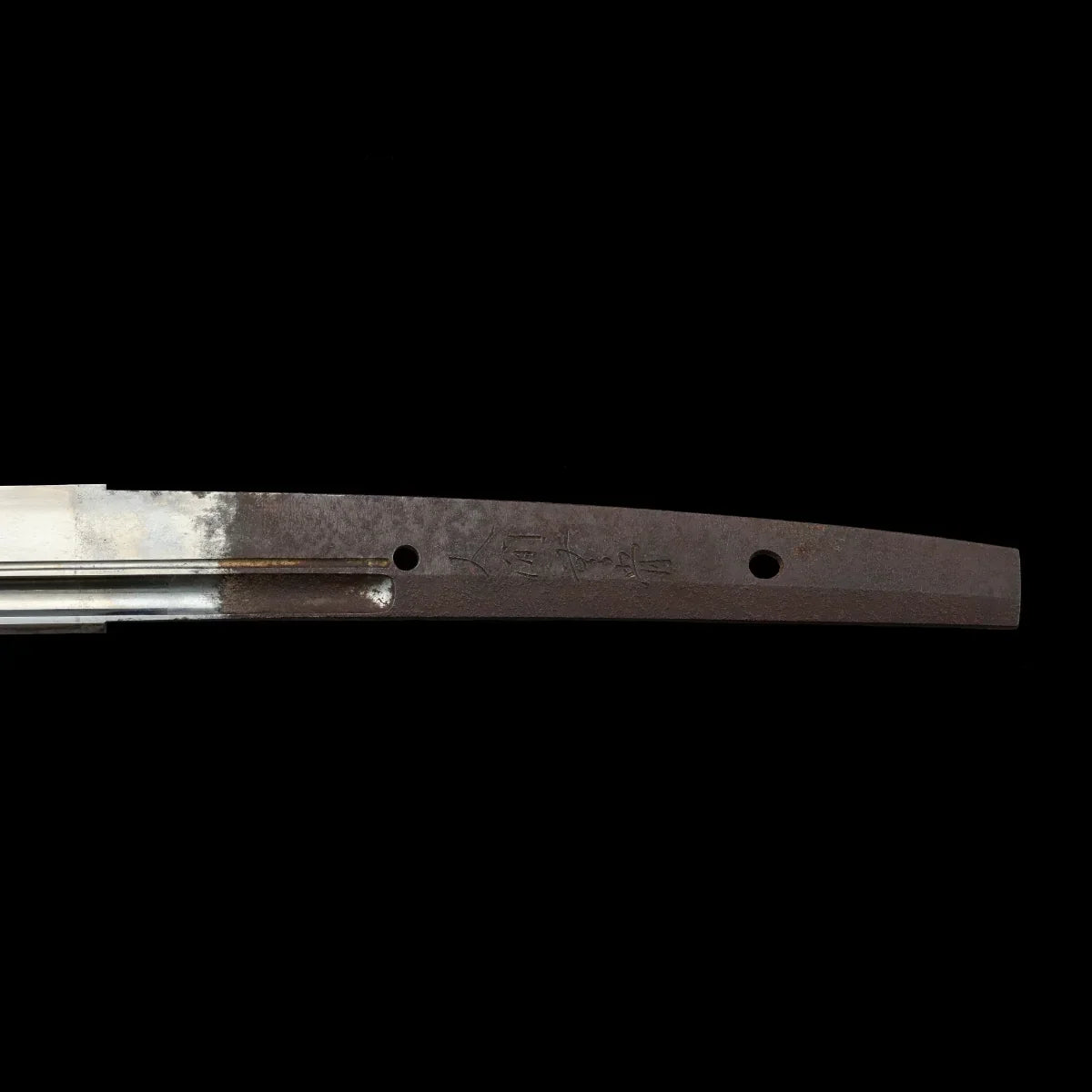
“Full tang” is one of the most common terms on sword and knife product pages. It is often presented as a sign of quality and may appear beside phrases such as “battle ready” or “heavy duty.” It is ...
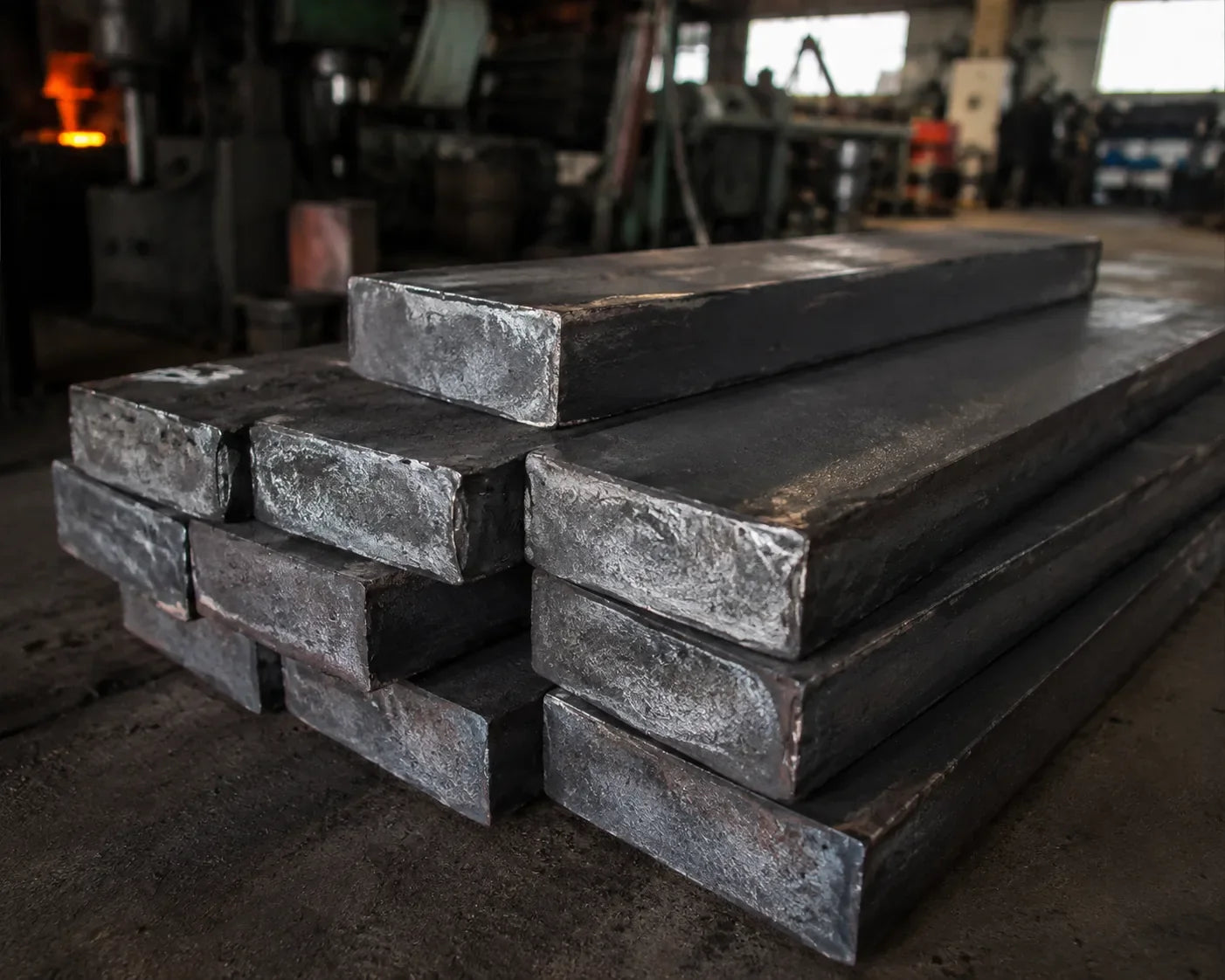
Steel is usually the first thing people notice when they shop for a katana. You see names like 1060, 1095, T10, folded steel, Damascus, or clay tempered, and it is tempting to treat them as a simpl...
Leave a comment
All comments are moderated before being published.
This site is protected by hCaptcha and the hCaptcha Privacy Policy and Terms of Service apply.