
The Complete Guide to Katana Steel and Craftsmanship
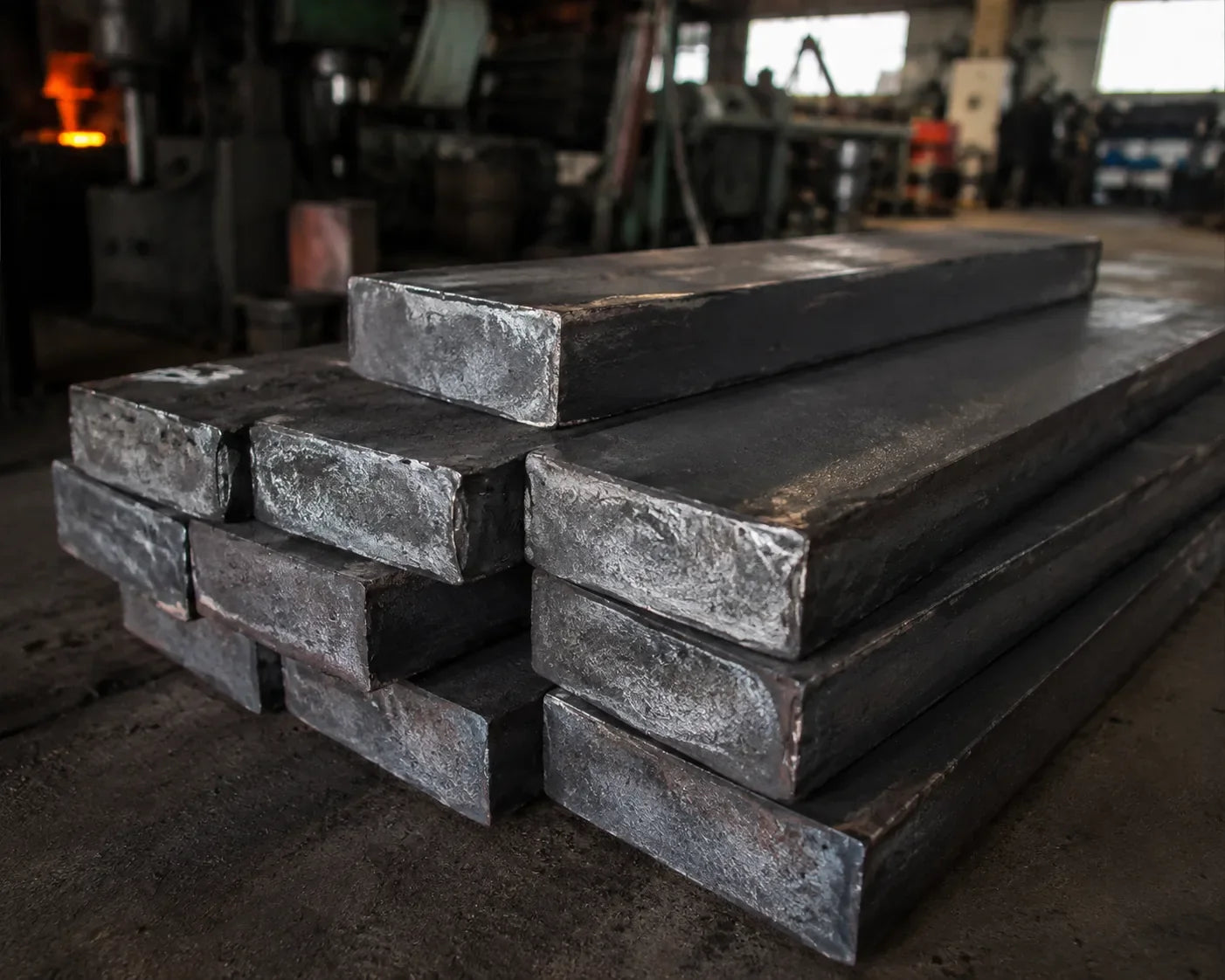
Steel is usually the first thing people notice when they shop for a katana. You see names like 1060, 1095, T10, folded steel, Damascus, or clay tempered, and it is tempting to treat them as a simple ranking.
They are not.
A good katana is not defined by one impressive-sounding label. Steel matters, but so do the way it is heat treated, the shape of the blade, the construction under the surface, and the care taken with the handle, scabbard, and finish. Think of steel as the starting point. Craftsmanship is what turns it into a finished sword.
This guide explains how those pieces fit together, so you can read a product page with a clearer idea of what you are actually looking at.
What a Steel Label Can—and Cannot—Tell You
A steel name gives you useful information about the material chosen for a blade. It can suggest the kind of hardness, toughness, or corrosion resistance a smith may be working toward. It does not, by itself, tell you whether the finished katana has been heat treated well, whether its handle is secure, or whether its geometry suits the way you want to own it.
That is why two swords described with the same steel can still feel very different in the hand.
A 1060 or 1095 label tells you something about the steel family. “T10” is commonly used in the katana market as a high-carbon tool-steel label, but the name alone is not a full specification. “Folded steel” may describe a forging process and a visible layered look. “Clay tempered” describes a heat-treatment approach rather than a steel type. And Damascus often refers to a patterned, layered appearance that can be a major part of a sword’s visual appeal.
Each detail is worth understanding. None is a substitute for looking at the complete blade.
The Traditional Roots of Katana Steel
Many of the words still used around Japanese swords come from traditional swordmaking. Historically, smiths worked with tamahagane, a steel made in a tatara furnace from iron sand. The material did not begin as a perfectly uniform modern alloy. It had to be selected, combined, forged, and refined with care.
That helps explain why folding, layering, and composite construction are so central to the story of the Japanese sword. These were not decorative tricks. They were practical responses to the material, and they also created the subtle surface character known as jihada.
Traditional Japanese swordmaking gives collectors a language for appreciating a blade. It should be understood as context, though—not as a shortcut for judging every modern katana. A modern commercial katana may use industrially produced steel, different equipment, and a different production process. The useful question is not whether a listing sounds traditional. It is whether the seller clearly explains what the finished sword is made from and how it was made.
For a closer look at traditional blade construction, see How the Structure of a Katana Is Forged.
Folding, Layering, and Blade Construction
The phrase “folded steel” has a certain magic around it, and for good reason. In traditional work, repeatedly folding and forge-welding steel could help refine the material and produce a visible grain. That grain is part of the beauty of many Japanese blades.
But more layers do not automatically mean a better katana.
With a modern, consistently produced steel, folding may be chosen for appearance, for a particular style of construction, or because the maker wants to work in a tradition-inspired way. It can be appealing, but it should not be treated as a performance guarantee. A cleanly made monosteel blade can be an excellent choice too.
Construction matters as well. Some traditional-style blades combine harder and softer steels in different areas. Terms such as kawagane, shingane, kobuse, and sanmai describe ways of arranging those materials. The basic idea is straightforward: different parts of a blade can be asked to do different jobs. A harder cutting area may be paired with a more forgiving core or body.
That does not make any one construction automatically superior. The quality of the welds, the heat treatment, and the final blade shape still matter. When you are comparing blades, a clearly documented construction is more useful than a long list of impressive terms.
Heat Treatment: Where Steel Becomes a Blade
The same steel can behave very differently depending on how it is heated, quenched, and tempered. This is why heat treatment deserves as much attention as the steel name itself.
A traditional approach called differential hardening cools the edge and spine at different rates. The edge can become harder, helping it take and hold a fine edge, while the rest of the blade cools more slowly. This contrast is one of the reasons a katana can combine a keen edge with a body that is not hardened in exactly the same way from edge to spine.
The visible temper line, or hamon, is closely associated with this process. A beautiful hamon is worth appreciating, but it is not a standalone certificate of quality. It tells part of the blade’s story. It does not tell you everything about heat treatment, geometry, assembly, or intended use.
If you are drawn to that traditional visual character, explore our Clay Tempered Katana collection and read more about clay tempering in a katana. When comparing any blade, look for a clear description of the heat treatment and avoid treating one visible feature as the whole answer.
Common Katana Steel Types
Carbon steel
Carbon steel is widely used for katana blades because it can be heat treated for the hardness and edge behavior many buyers expect from a functional sword. It also asks for regular care. Moisture, fingerprints, and residue should not be left on the blade, and a clean, dry blade benefits from a light protective oil before it goes back into the saya.
That does not make carbon steel difficult to own. It simply means that the experience includes routine maintenance. If that traditional feel appeals to you, browse our Carbon Steel Katana collection.
1045, 1060, and 1095
These numbers are often the first steel labels buyers learn. In broad terms, they refer to plain-carbon steel grades with different carbon ranges. That matters because carbon affects the way steel can respond to heat treatment. It does not create a universal “best” option.
A higher-carbon label is not a shortcut to a better sword. It can offer more hardness potential, but it also makes the heat-treatment process more important. A lower-carbon option is not automatically poor quality either. The finished blade, not a number on its own, is what you are choosing.
When you compare these steels, ask a practical question: what do I need this katana to be? A display piece, a collector’s piece, and a blade chosen for a particular kind of lawful training do not all demand the same trade-offs. Look at the stated heat treatment, dimensions, blade geometry, and care needs alongside the steel grade.
T10 and manganese steel
T10 appears frequently in modern katana listings. It is generally presented as a high-carbon tool-steel option, and it is often paired with clay tempering in swords that emphasize a visible hamon. Rather than relying on the label alone, look at the complete specification: how is the blade heat treated, what are its dimensions, and what does the actual sword look like?
“Manganese steel” is another broad retail category. It is often chosen by buyers looking for a practical balance of hardness and toughness, but the exact alloy and heat treatment still matter. The label tells you where to begin, not how the finished blade will behave in every situation.
If you are comparing that category, our Manganese Steel Katana collection is a useful place to see the range of designs available. For T10, compare the full product details rather than assuming that every blade with the same label is identical.
Damascus and patterned steel
Damascus-style patterns can be one of the most striking details on a katana. Their flowing lines give the blade a distinct visual identity, which is why they are especially appealing to collectors.
It is useful to keep a few terms separate. Modern Damascus or pattern-welded steel is not the same thing as traditional tamahagane, and it is not simply another name for jihada. They may all involve visible pattern, but the material history and the making process can be different.
A dramatic pattern can absolutely be part of the reason to choose a sword. It should not replace a clear description of the blade itself. If the look is what speaks to you, explore the Damascus collection and then read the product details with the same care you would give any other katana.
Craftsmanship You Can Actually Look For
“Craftsmanship” can sound vague until you know where to look.
Start with the blade’s overall shape. Are the lines clean and balanced? Does the curve feel deliberate? Are the point, ridge line, and transition into the tang handled with care? These details affect both the visual character of a katana and the way it feels in the hand.
Then look beyond the blade. The tsuka should feel secure, the wrapping should be neat, and the mekugi should be properly fitted. The saya should hold the blade safely without being excessively loose or forcing the blade into place. Fittings and polish matter too, not only because they influence appearance, but because they shape the everyday experience of owning the sword.
Blade geometry is another piece of the picture. Thickness, taper, curvature, length, and features such as a bo-hi can all change balance and handling. Two katanas made from the same steel may still feel nothing alike.
Finally, look for honest information. Clear measurements, close product photos, a straightforward description of the steel and heat treatment, and realistic care guidance are far more helpful than broad labels alone. A sword does not need a dramatic promise to be worth considering. It needs to be described well enough for you to understand what you are choosing.
Choosing the Right Combination
The right katana is not necessarily the one with the highest carbon number, the most layers, or the boldest pattern.
For a first katana or a display-focused piece, prioritize clear specifications, a secure assembly, a size you can comfortably store, and a style you will enjoy looking at. For a buyer drawn to traditional details, look for a thoughtful explanation of the hamon, construction, or folded appearance rather than a vague claim of authenticity. For anyone comparing modern functional blades, begin with lawful, safe intended use and then consider whether the steel, heat treatment, geometry, and assembly make sense together.
A well-chosen katana feels coherent. Its material, construction, finish, and purpose all support one another.
Final Thoughts
The best katana steel is not simply the name that sounds most impressive. It is steel used well—matched with thoughtful heat treatment, sound construction, clean geometry, and careful assembly.
Once you know how those parts work together, steel labels become easier to read. You can appreciate the beauty of a hamon, the character of a folded pattern, or the practicality of a modern alloy without asking any one detail to answer every question.
Choose the katana that fits what you value most: traditional character, visual design, straightforward maintenance, or a balanced modern build. Then take the time to read the full specification. That is where the real story of a blade begins.
Related reading
Read more
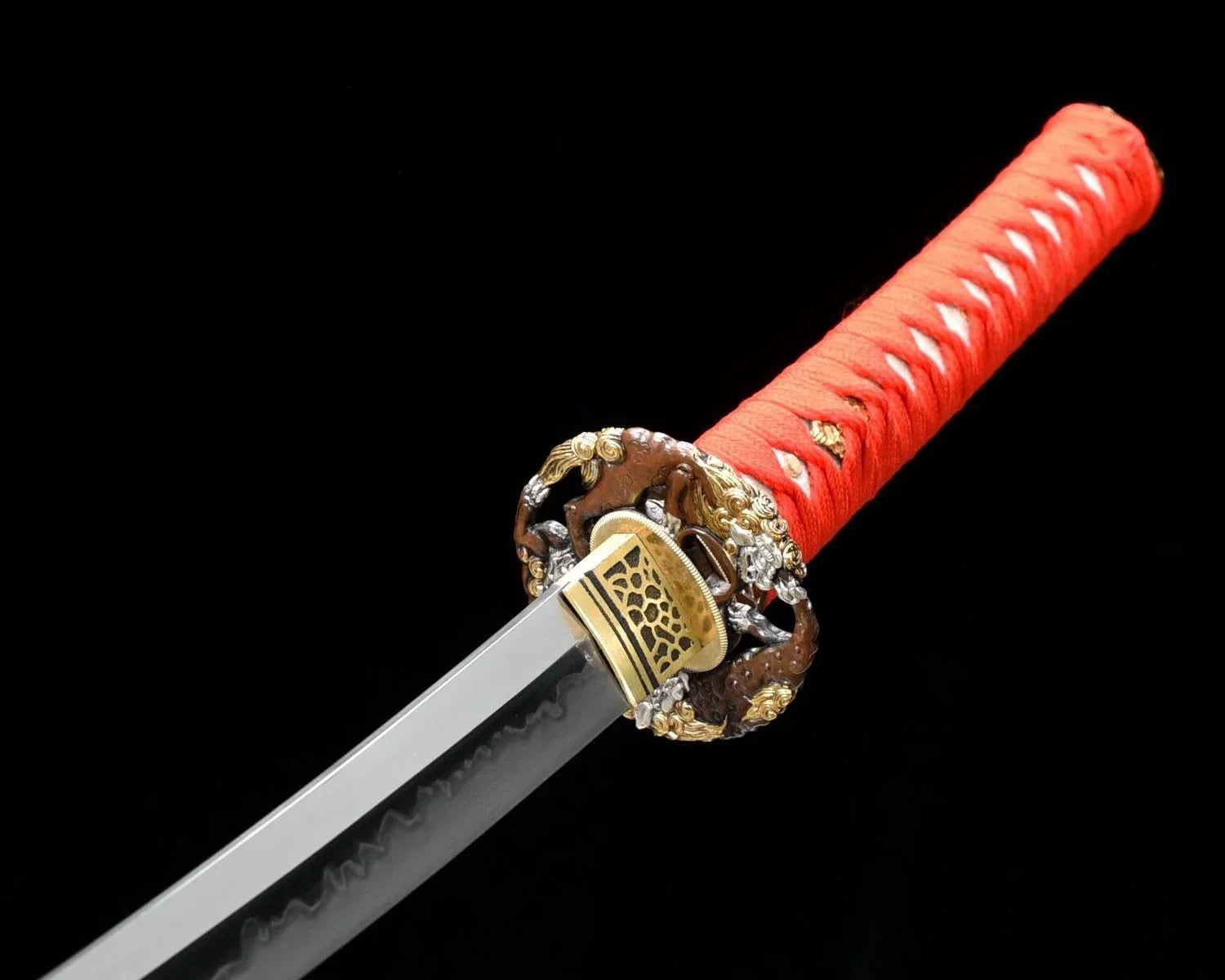
Buying your first katana is easy to overthink. You see a sword with a striking hamon, another with a black saya and gold fittings, then a third described as T10 clay-tempered Full Tang pattern-weld...
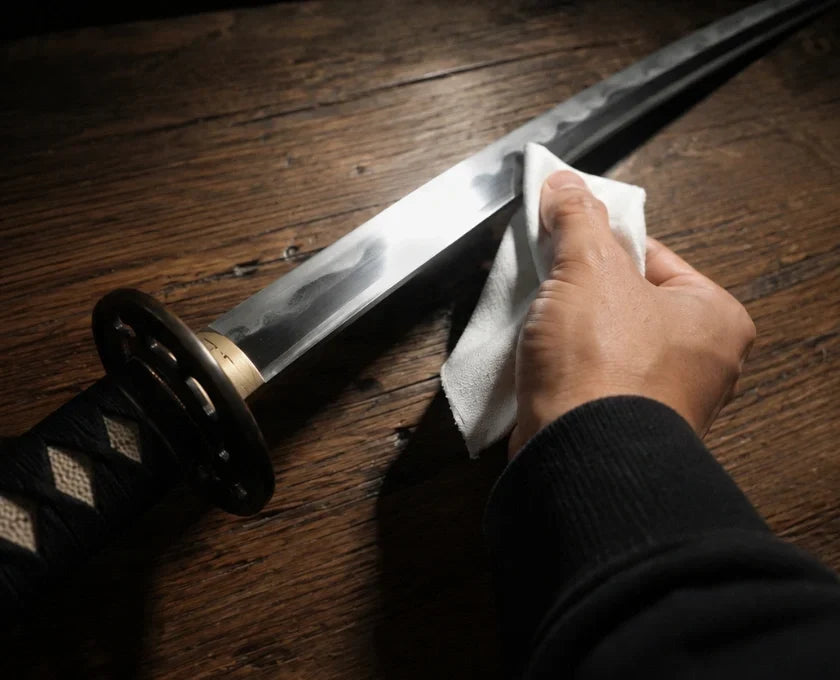
A katana does not need a complicated ritual every time you take it out. It does need regular, careful attention. For most modern katana owners, the basics are simple: keep the blade clean, keep it ...
Leave a comment
All comments are moderated before being published.
This site is protected by hCaptcha and the hCaptcha Privacy Policy and Terms of Service apply.