

Frequently Asked Questions
Our collection covers a wide range of budgets, from entry-level options under $150 to refined and collector-level swords above $1,000.
For a first katana or display-focused sword, the lower price ranges are a good place to start. Move higher when details such as steel, hamon, polish, fittings, materials, or finishing genuinely matter to you.
You do not need to spend more simply for the sake of spending more.
Start with how you plan to keep or use the sword, then compare steel, heat treatment, dimensions, fittings, finish, and whether a sharpened or unsharpened option is available.
For a first purchase, a simpler model is often easier to understand than jumping straight into a premium sword with details you may not yet care about.
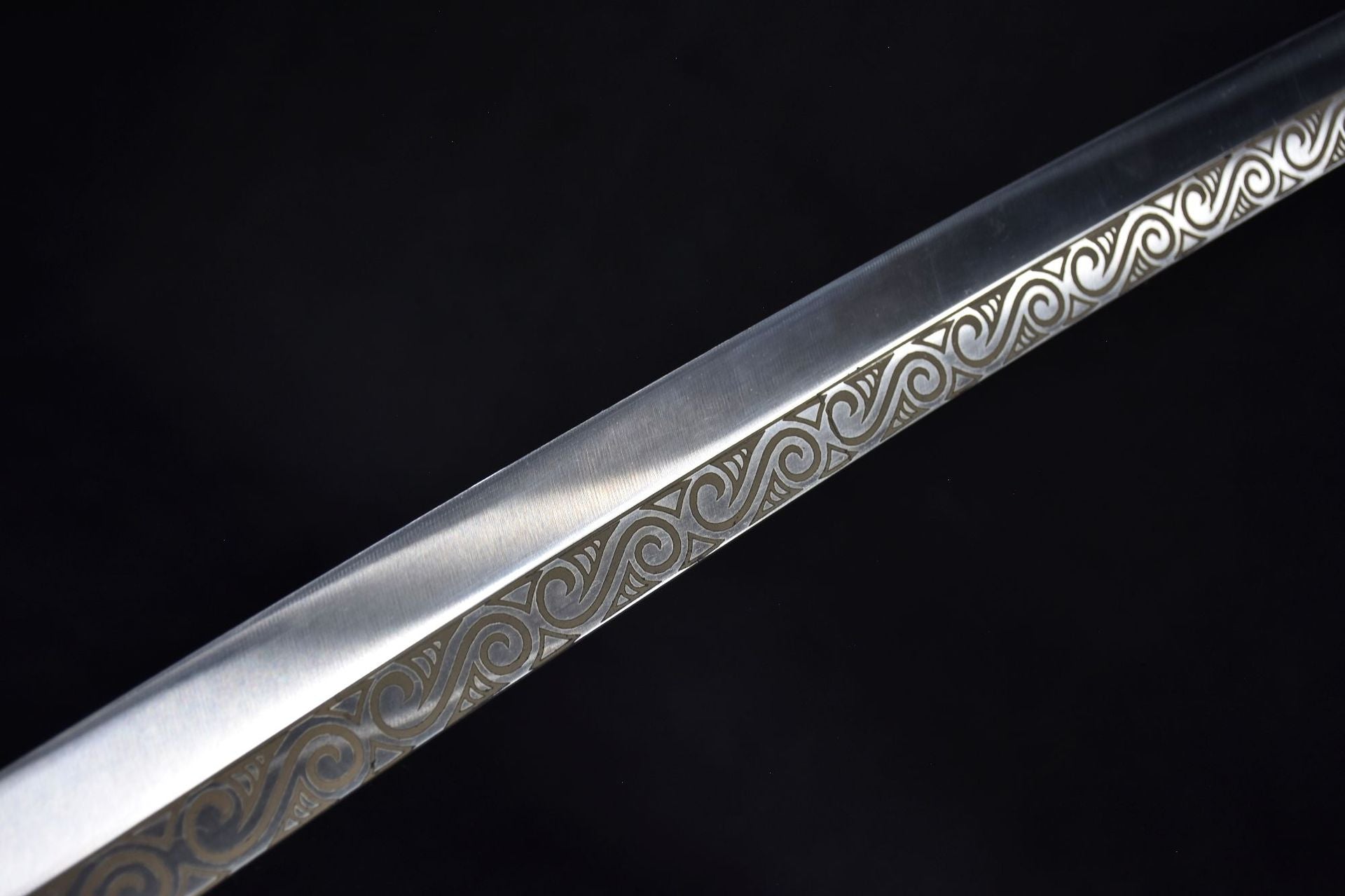
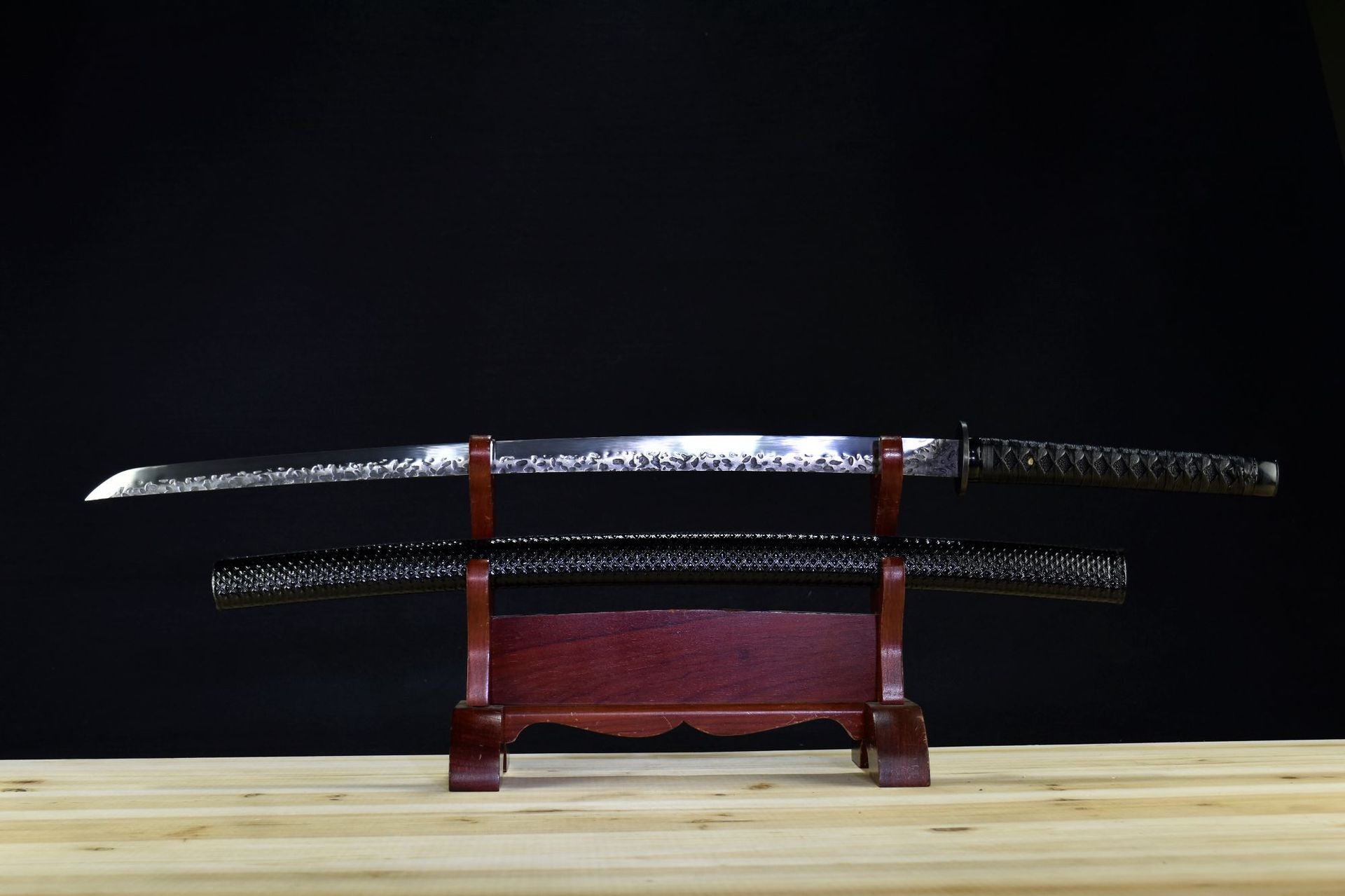
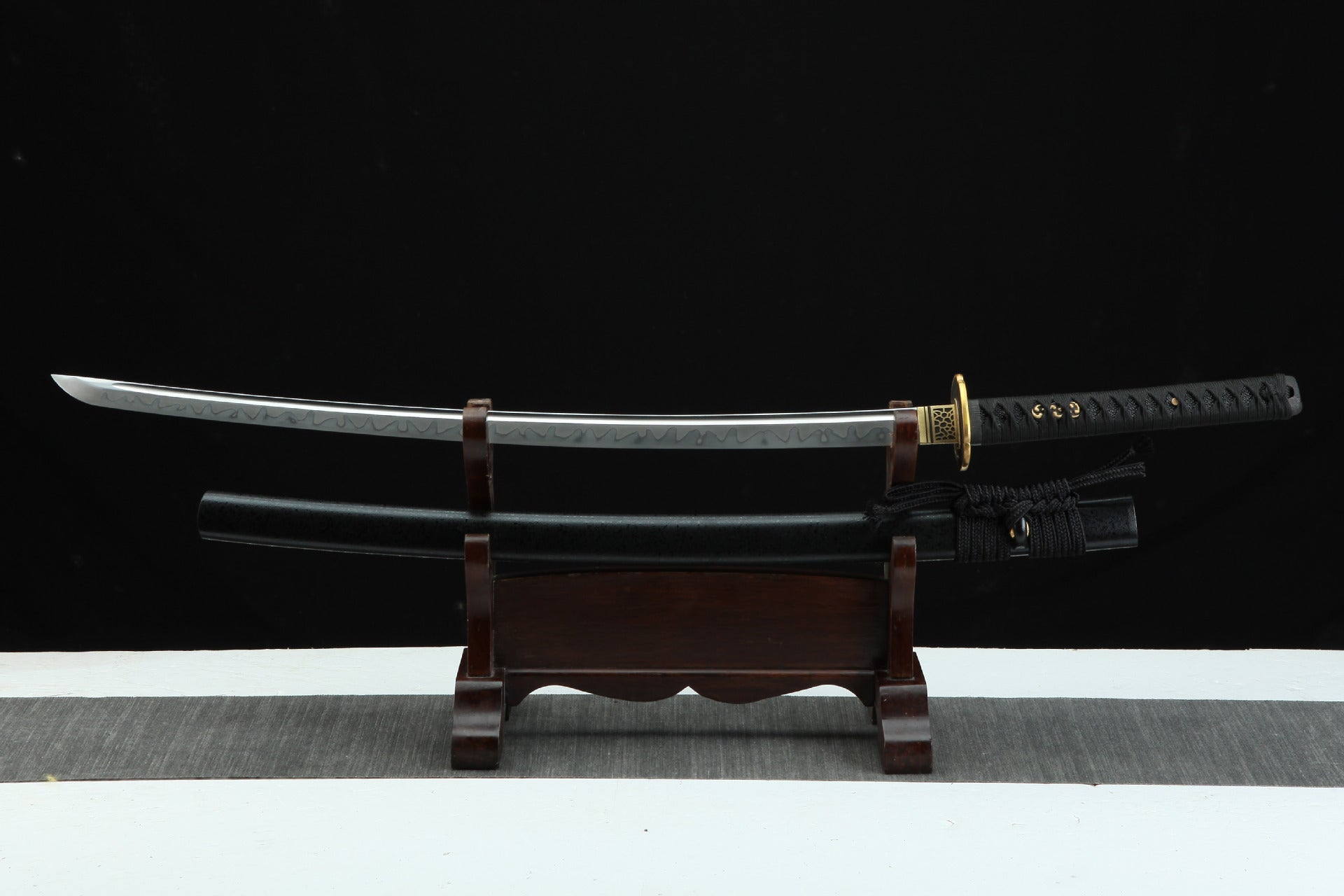
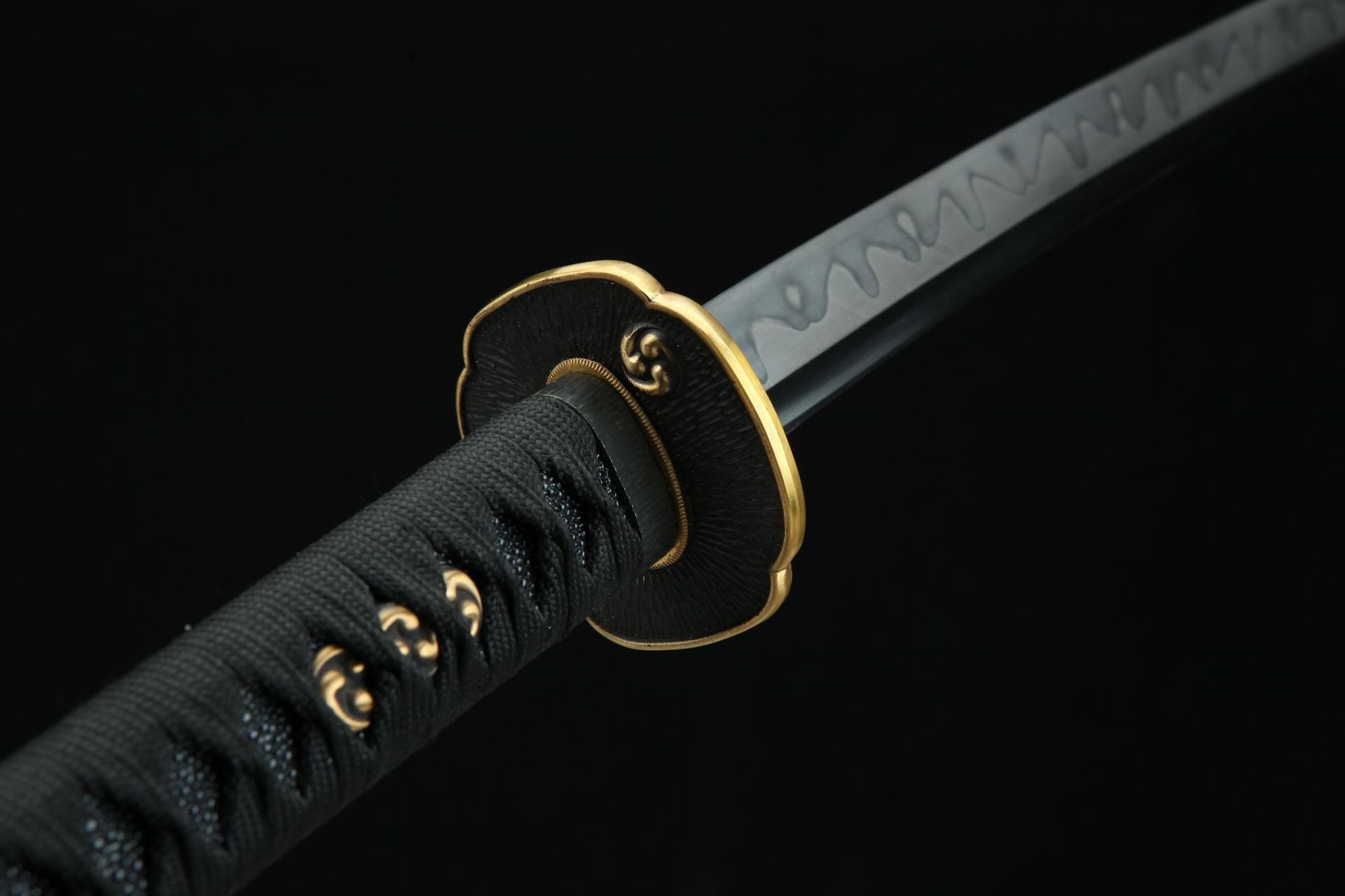
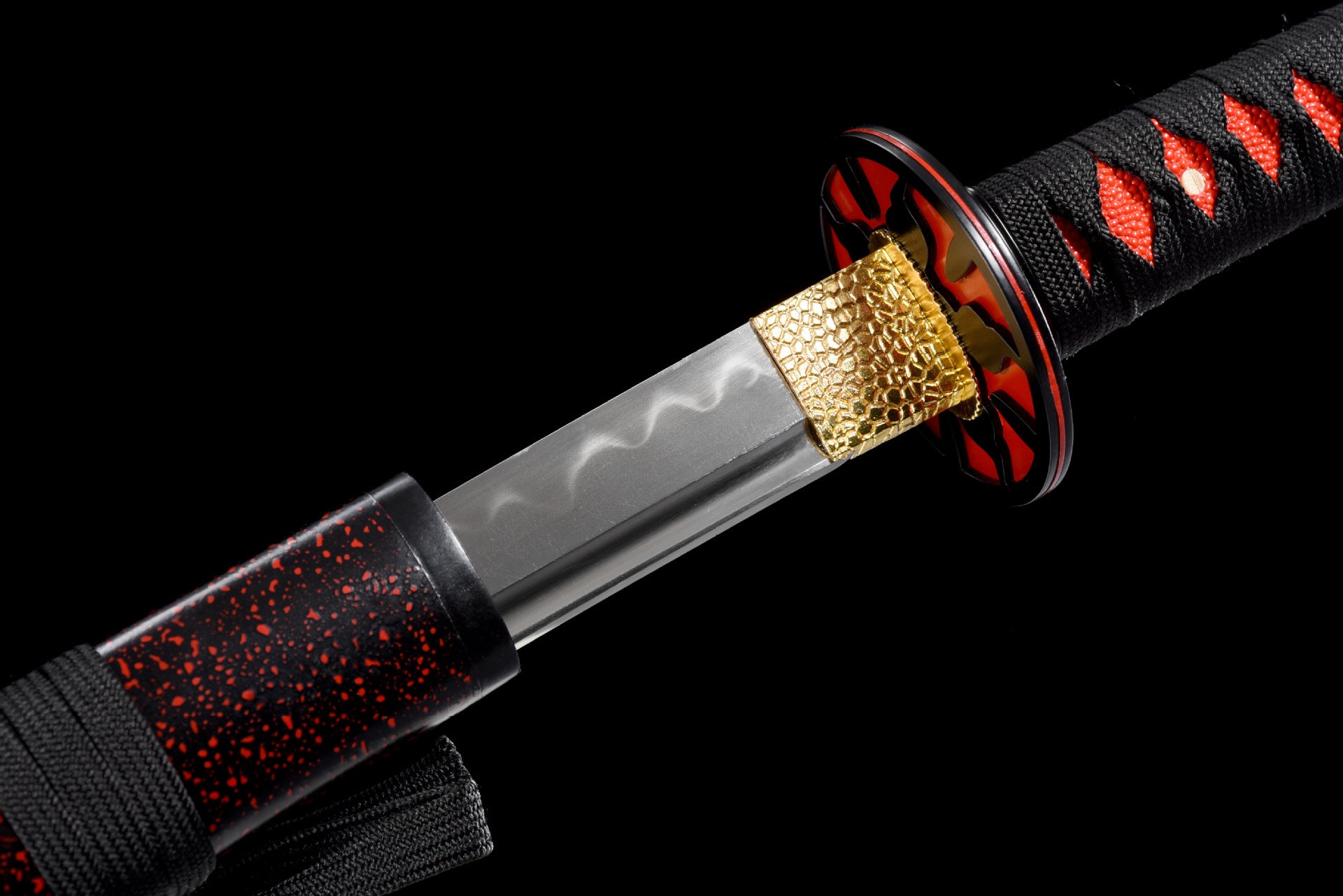
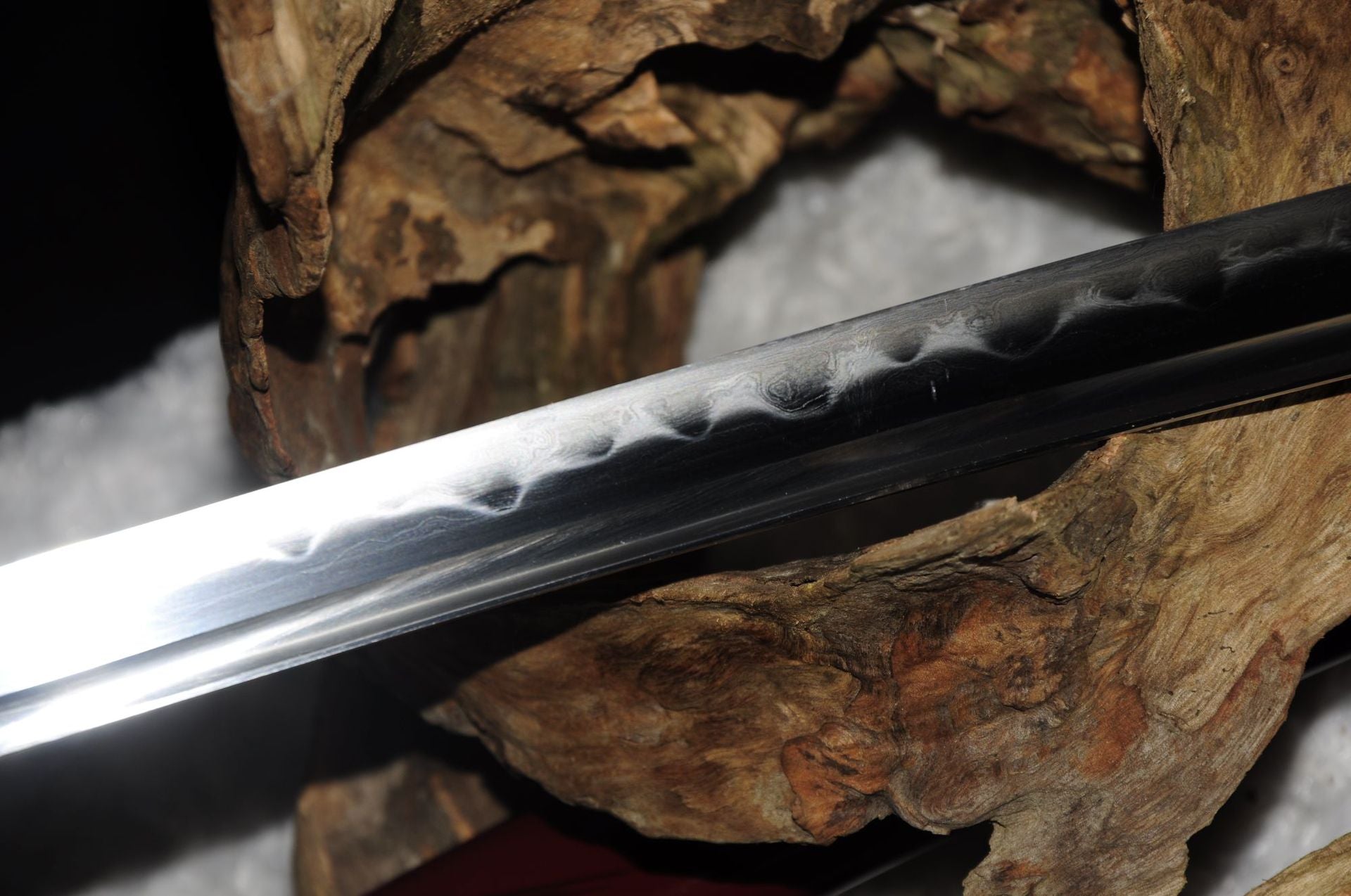
Clay tempering refers to a differential heat-treatment process, while a hamon is the visible temper line associated with that process on a genuinely differentially hardened blade. Because the two ideas are related but not identical, check the heat-treatment details on the individual product page rather than choosing only by the appearance of the blade line.
T10 is a popular modern steel, but there is no single best steel for every katana. Heat treatment, blade geometry, workmanship, and the quality of the complete build are just as important as the steel designation.
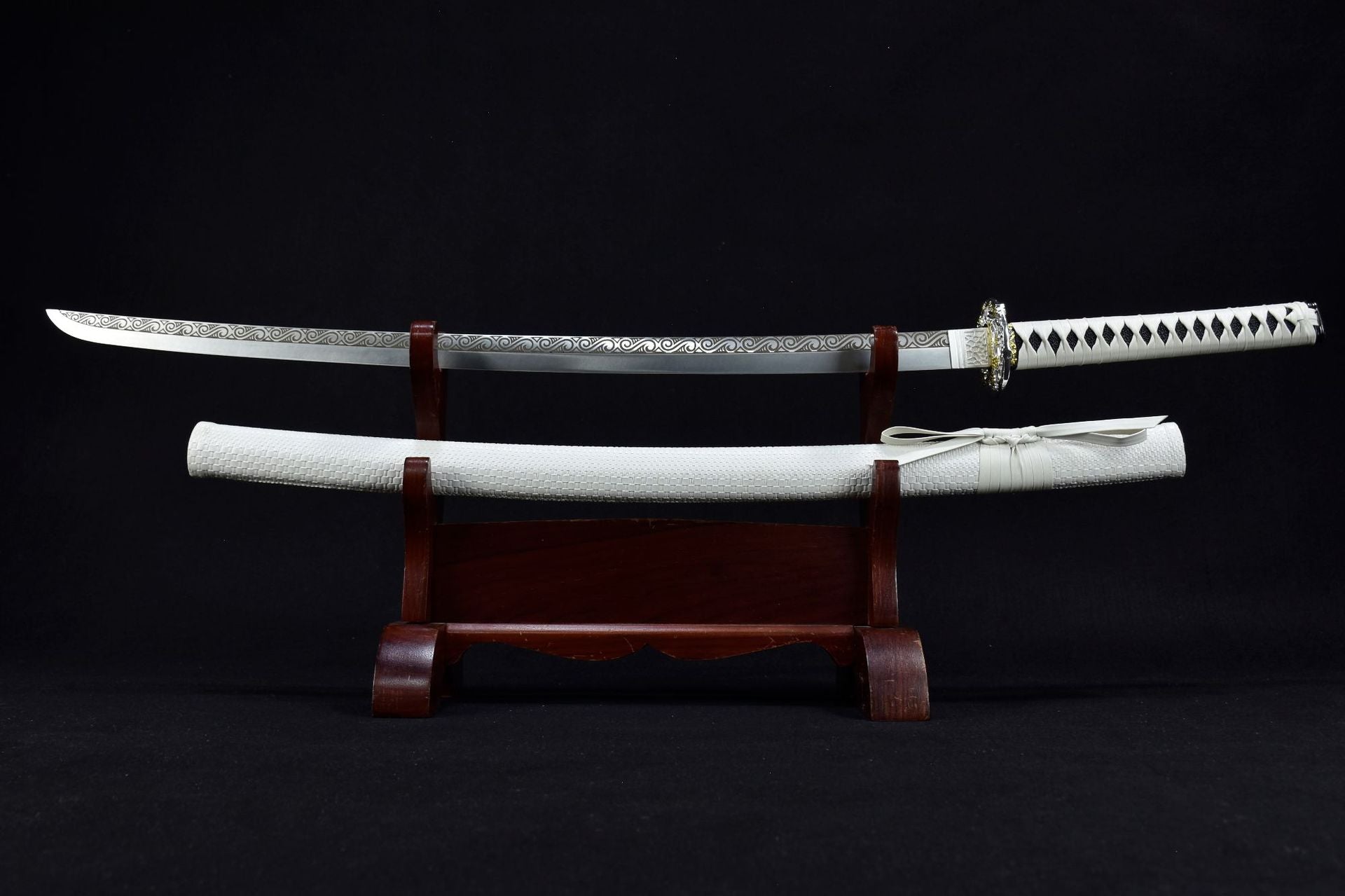
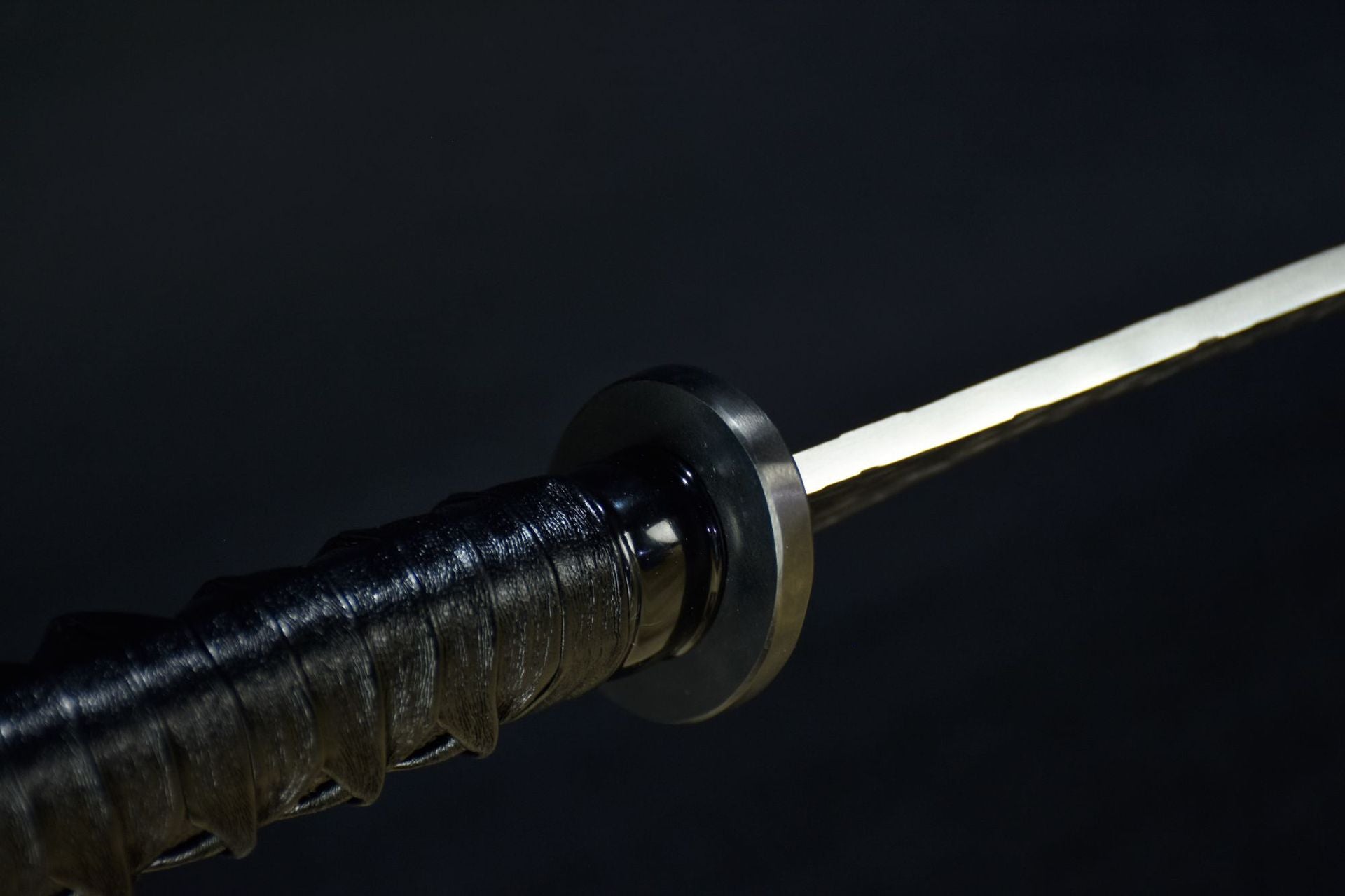
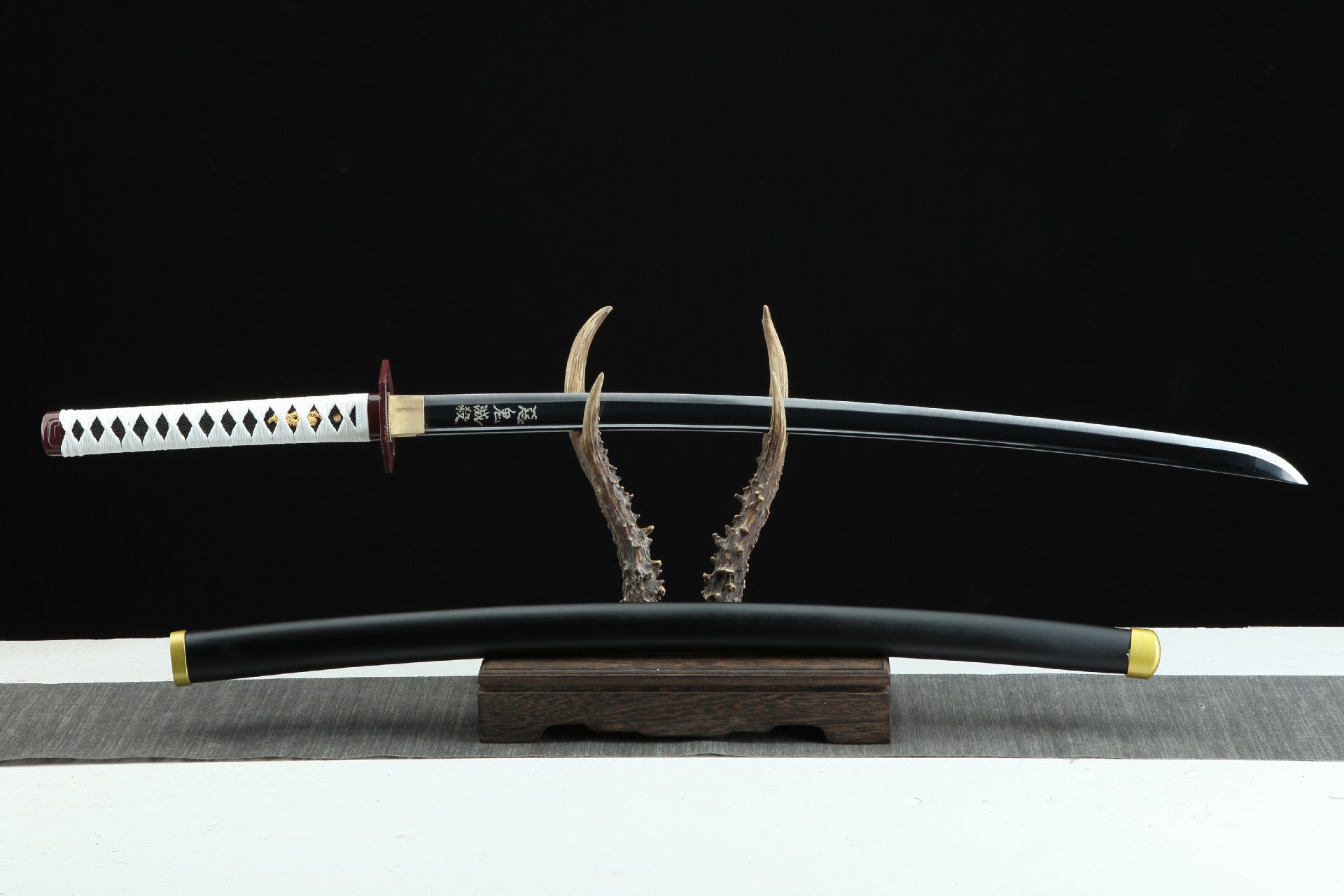
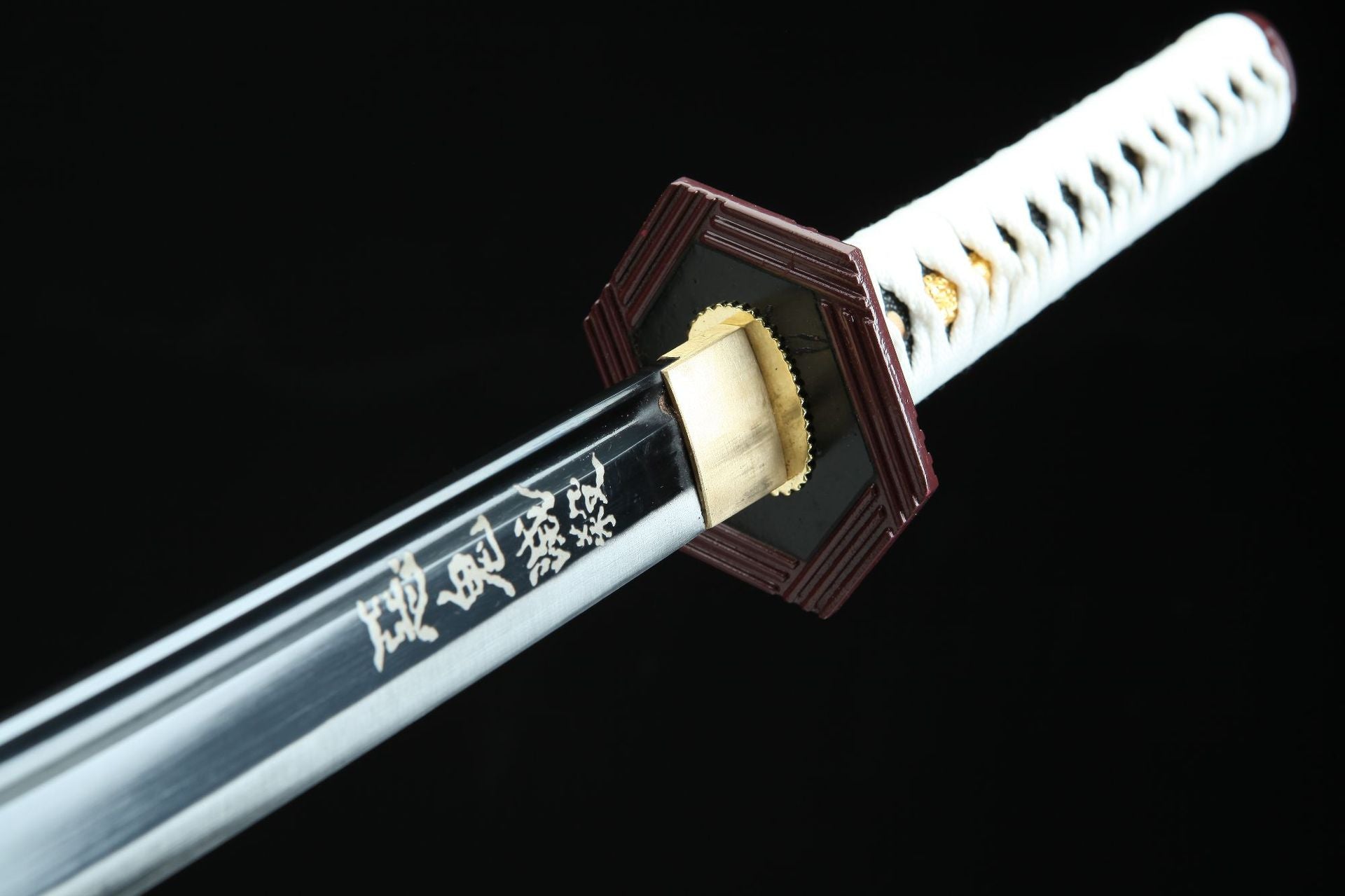
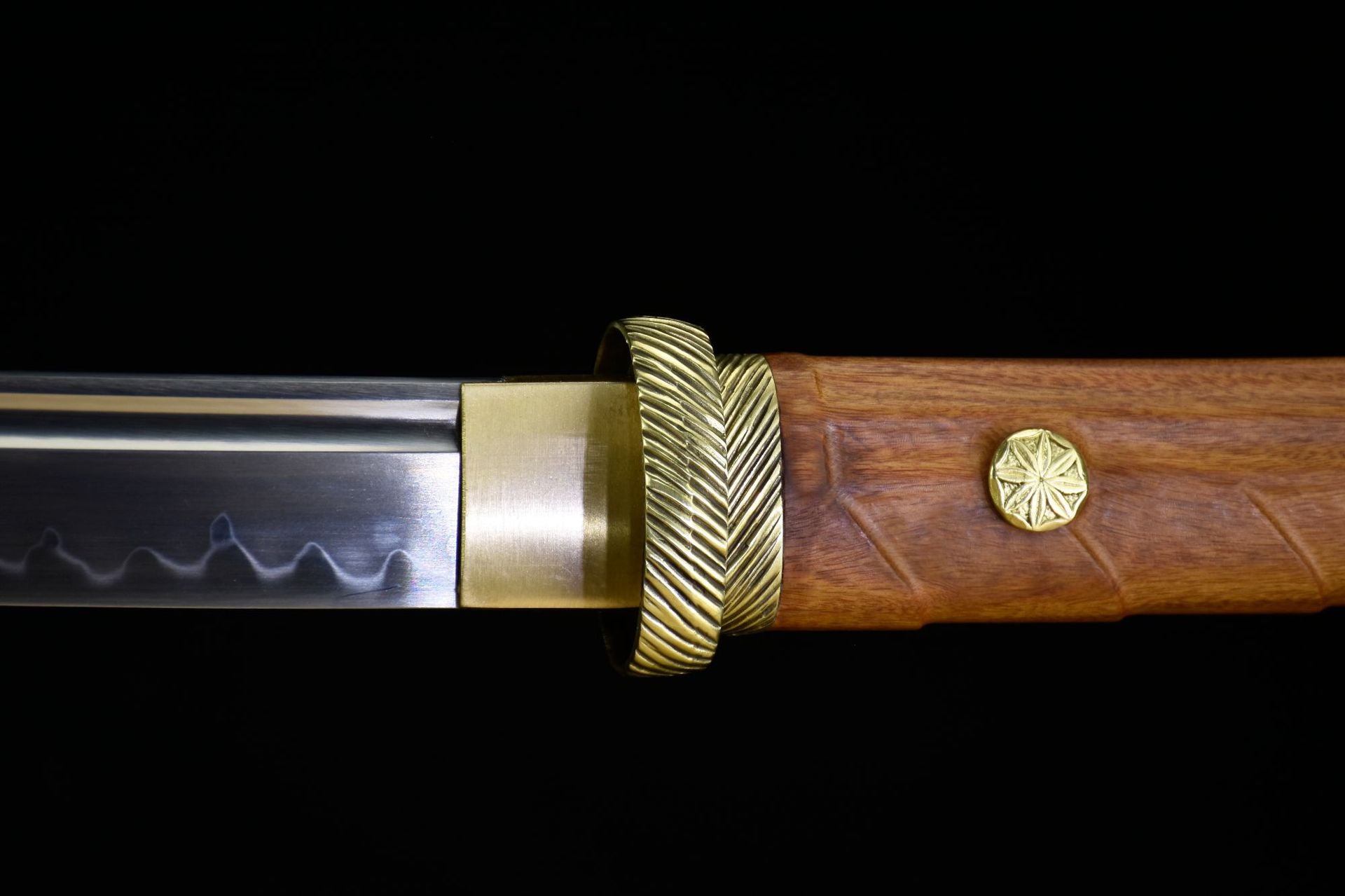
Compare the blade steel, heat treatment, dimensions, fittings, tsuka, saya, polish, hamon, sharpness option, and overall finish.
If one feature matters most to you, use the more focused collections above to narrow the choice before comparing individual products.
No. A higher price usually reflects differences in materials, polish, fittings, finishing, craftsmanship, or rarity. That does not automatically make it the better choice for every buyer.
A simpler katana can still be the better choice if its appearance, construction, and level of finish match what you actually want.