Skip to content

Cart

Your cart is empty

Continue shopping

Hamon Katana

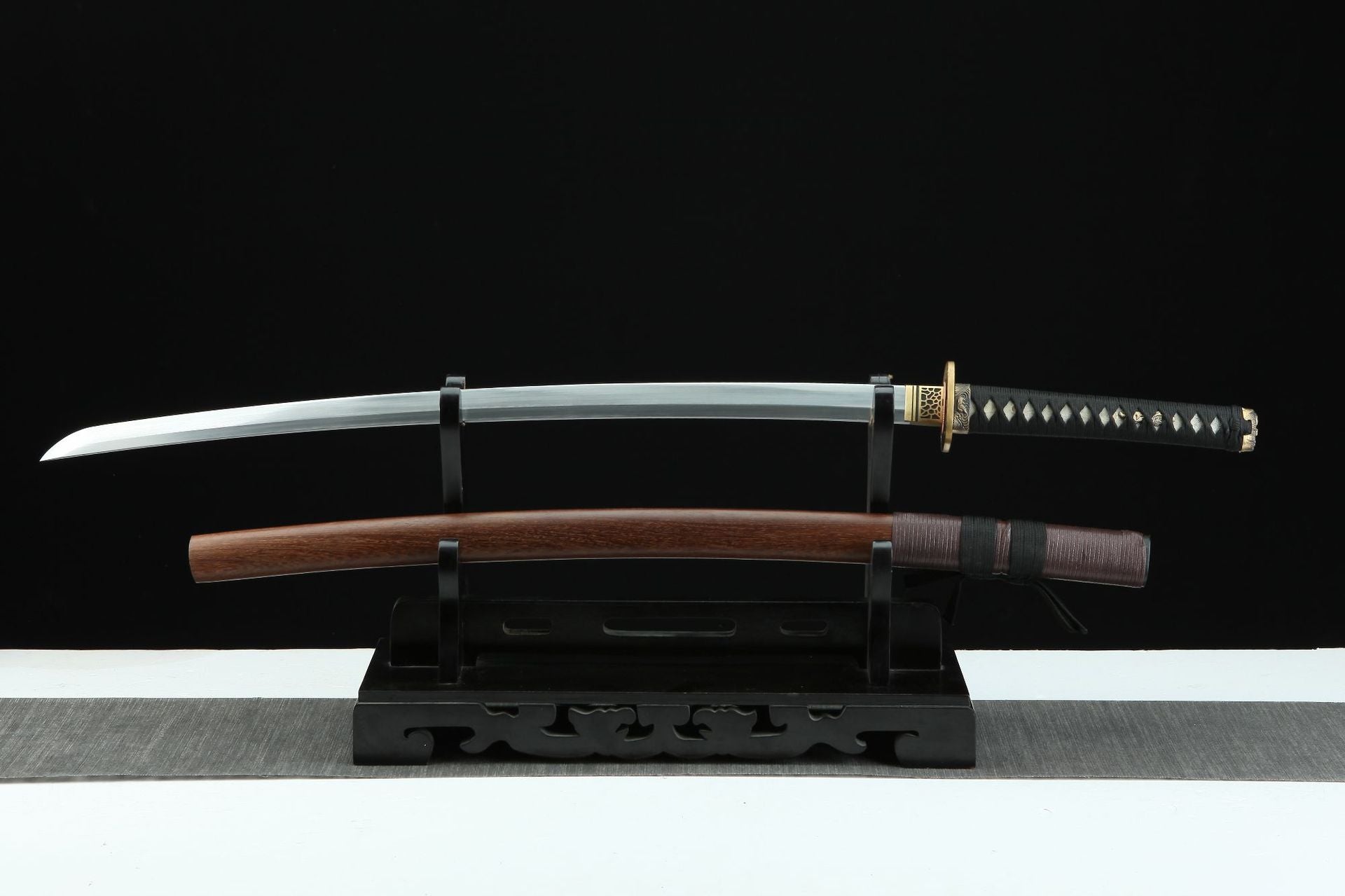
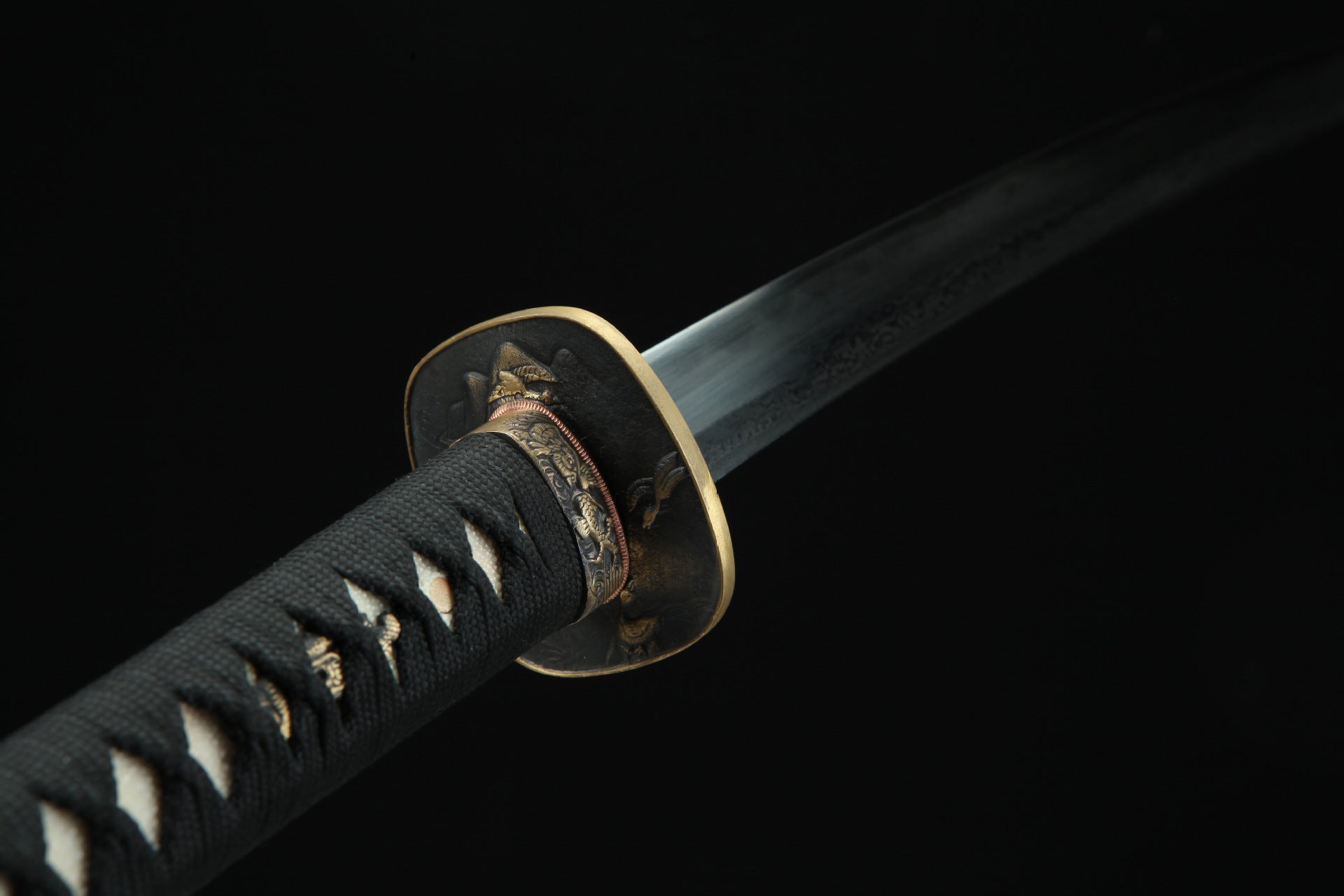
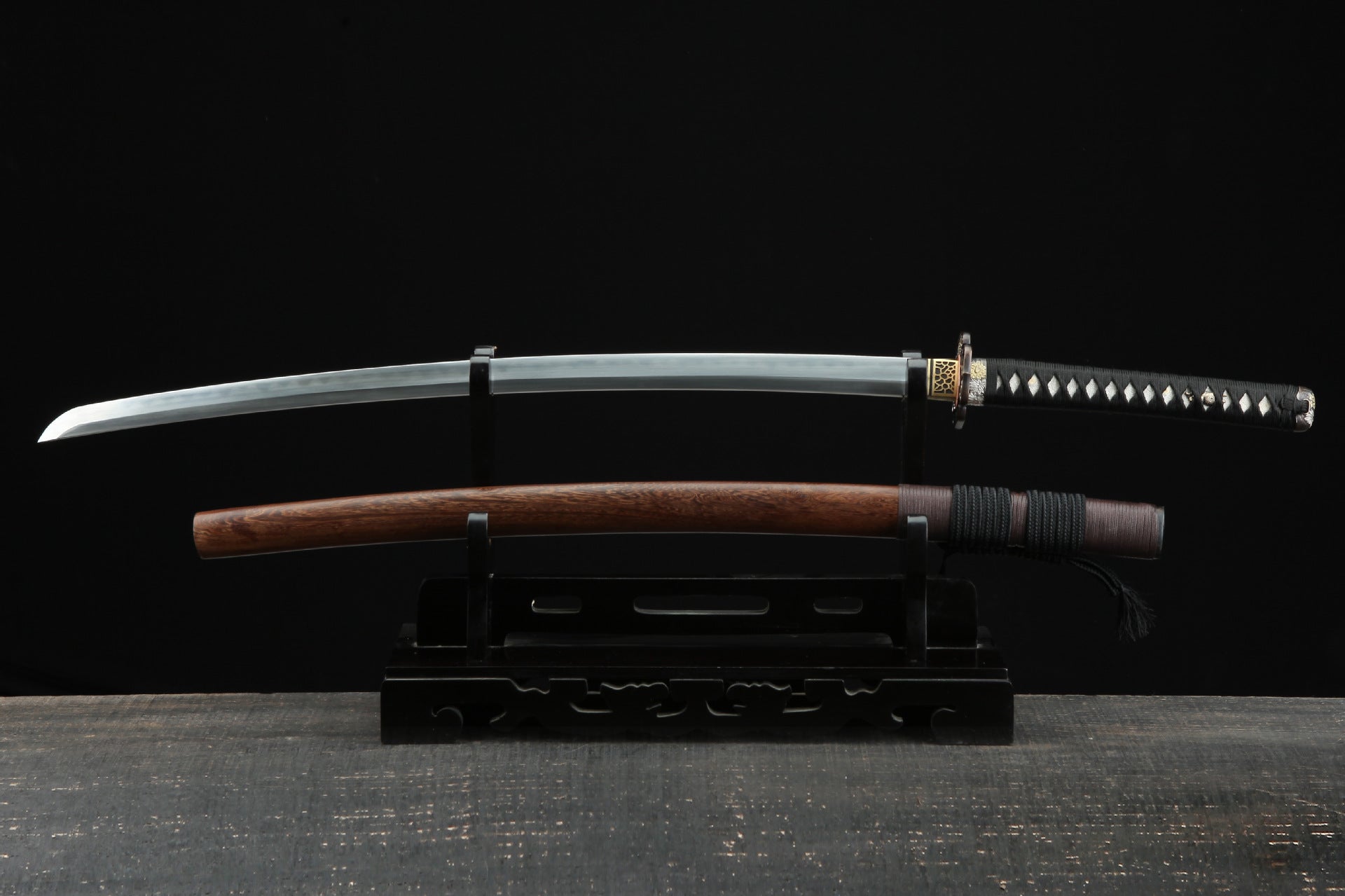
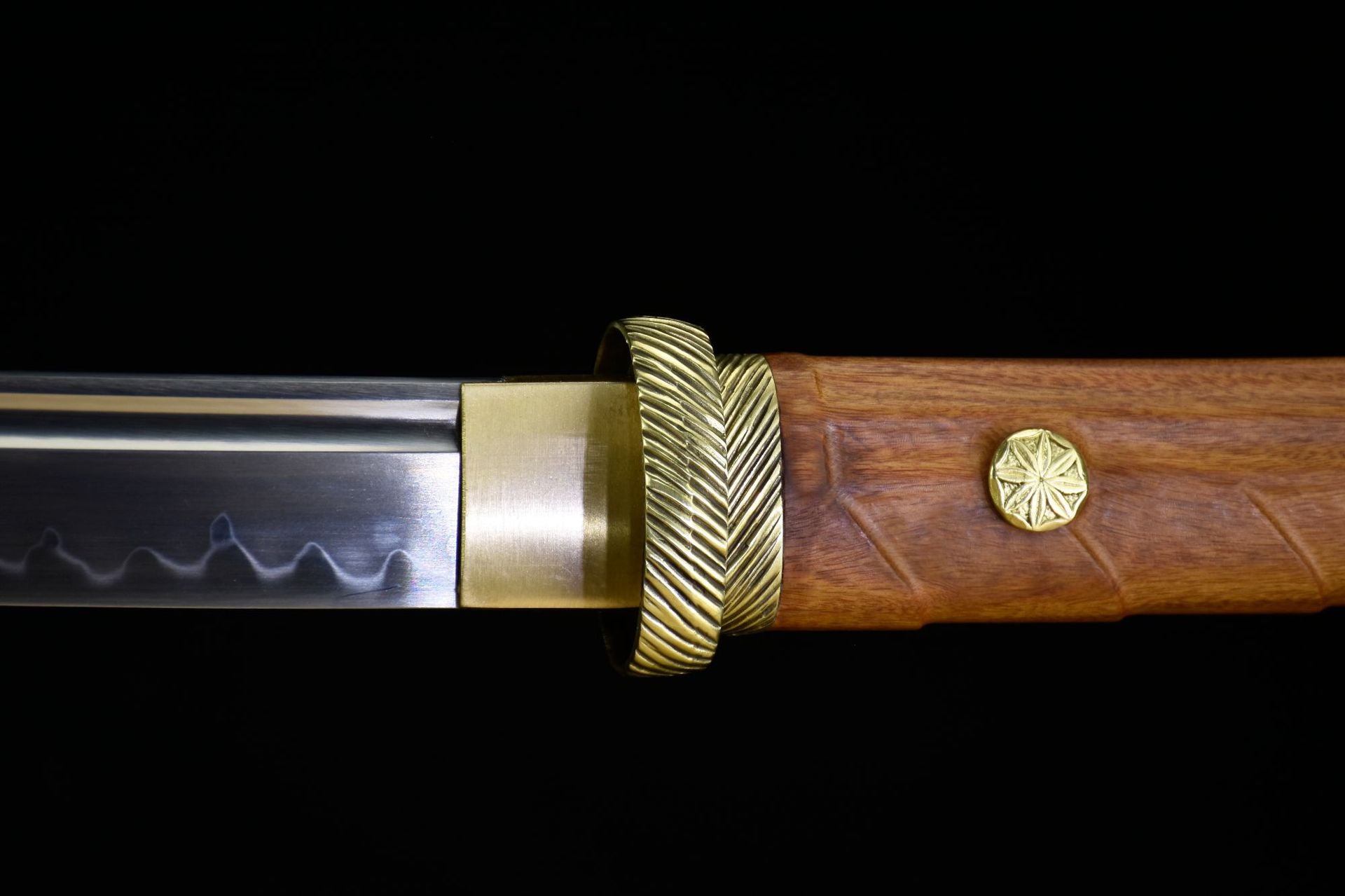
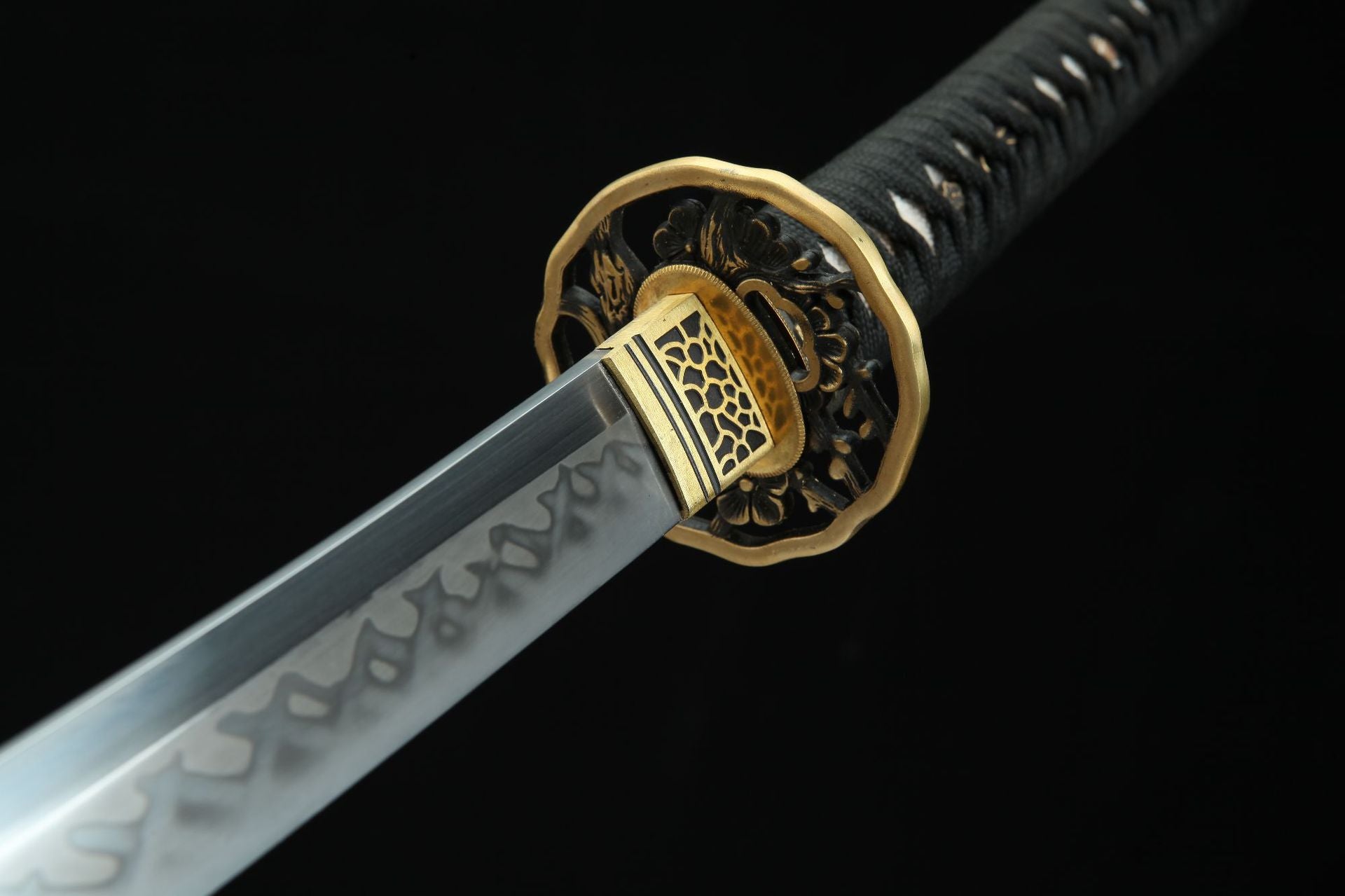
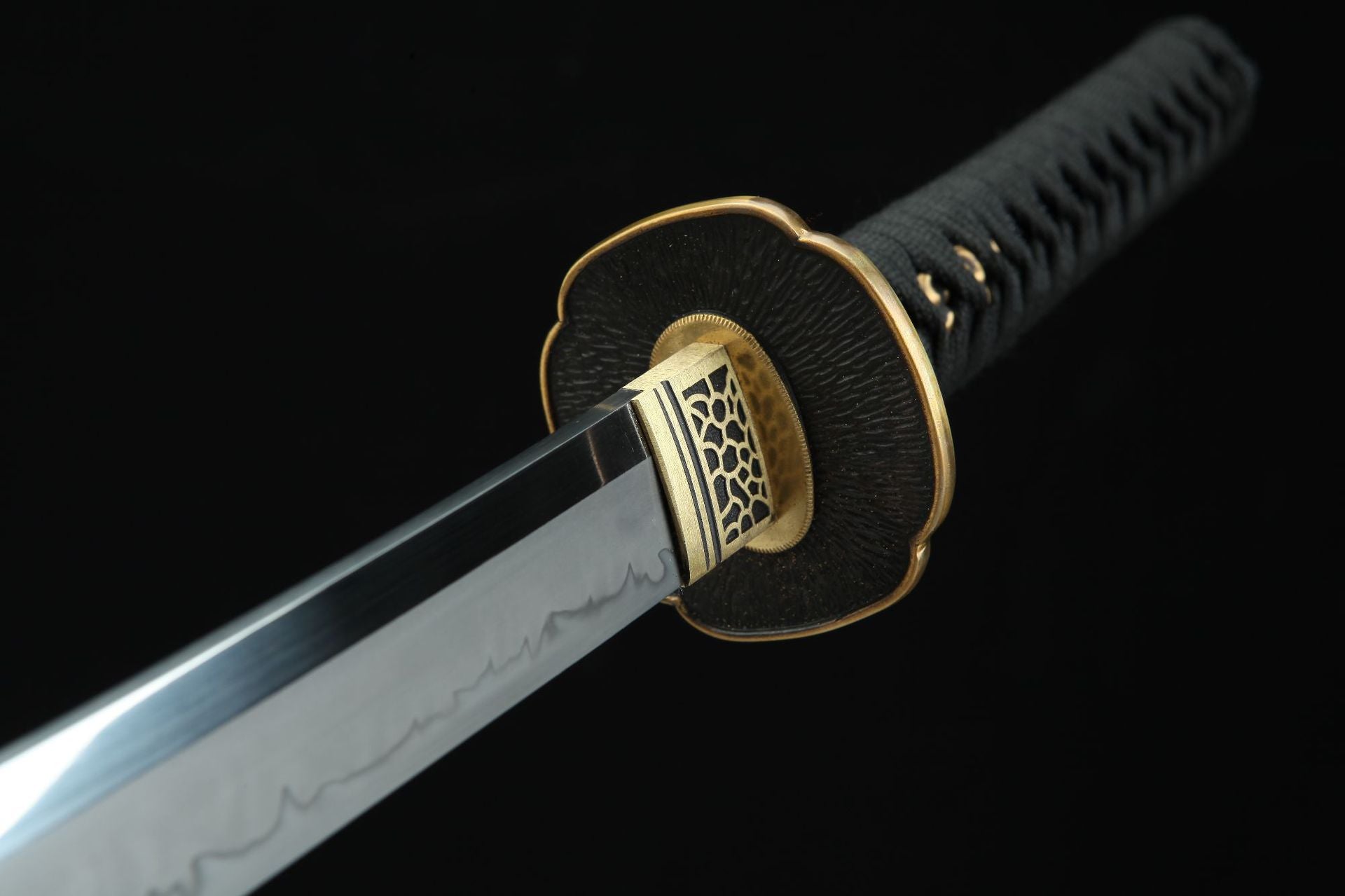
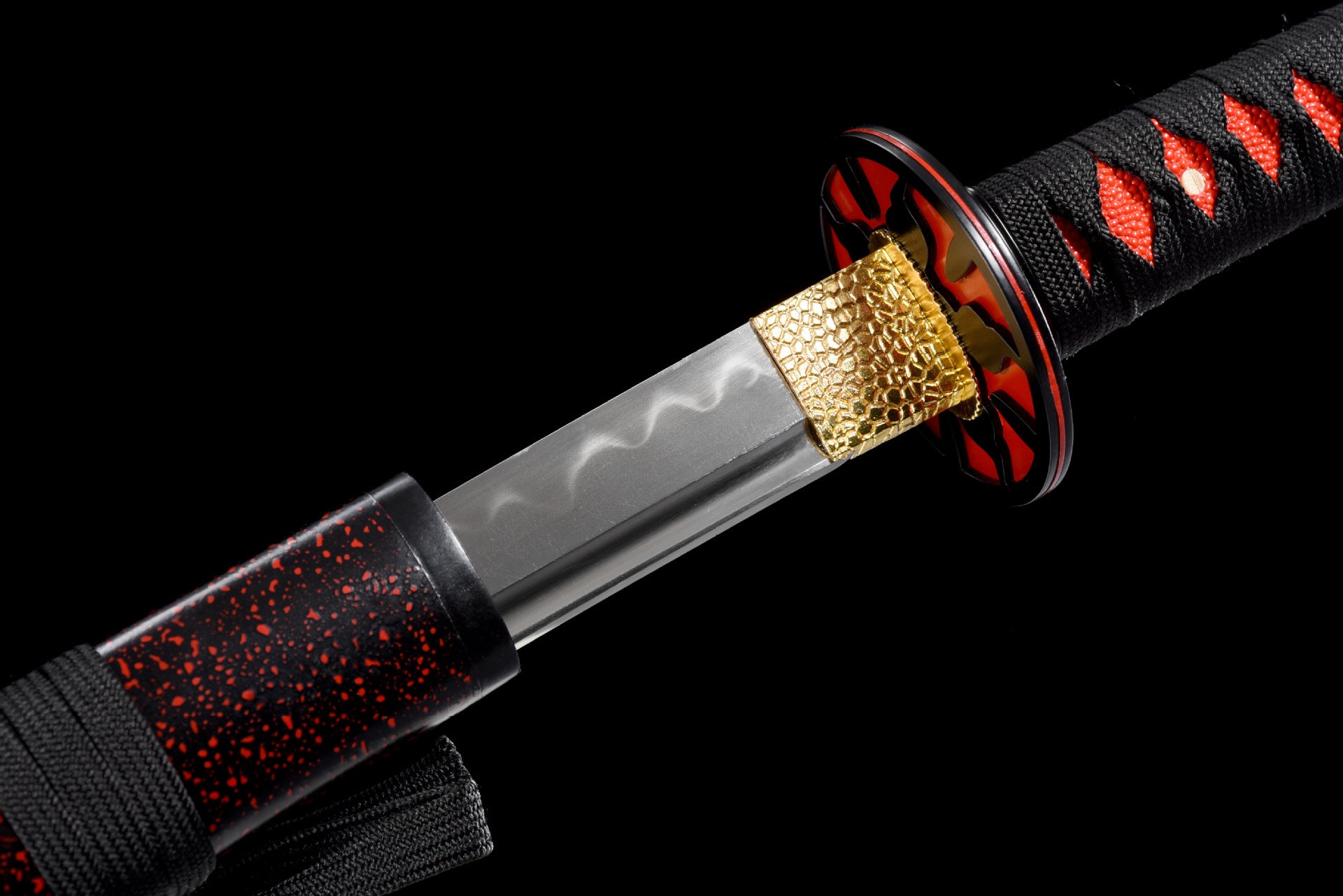
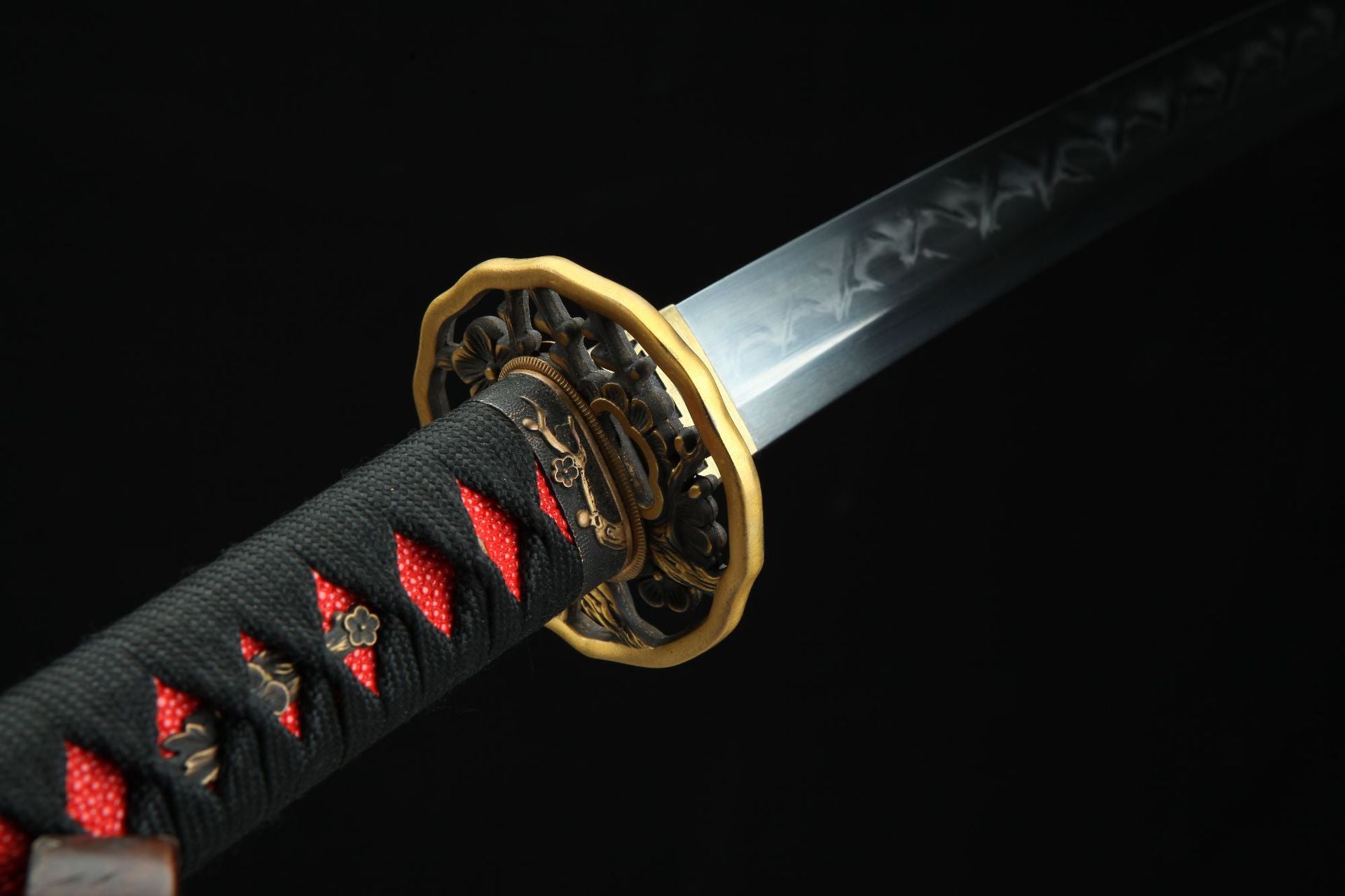
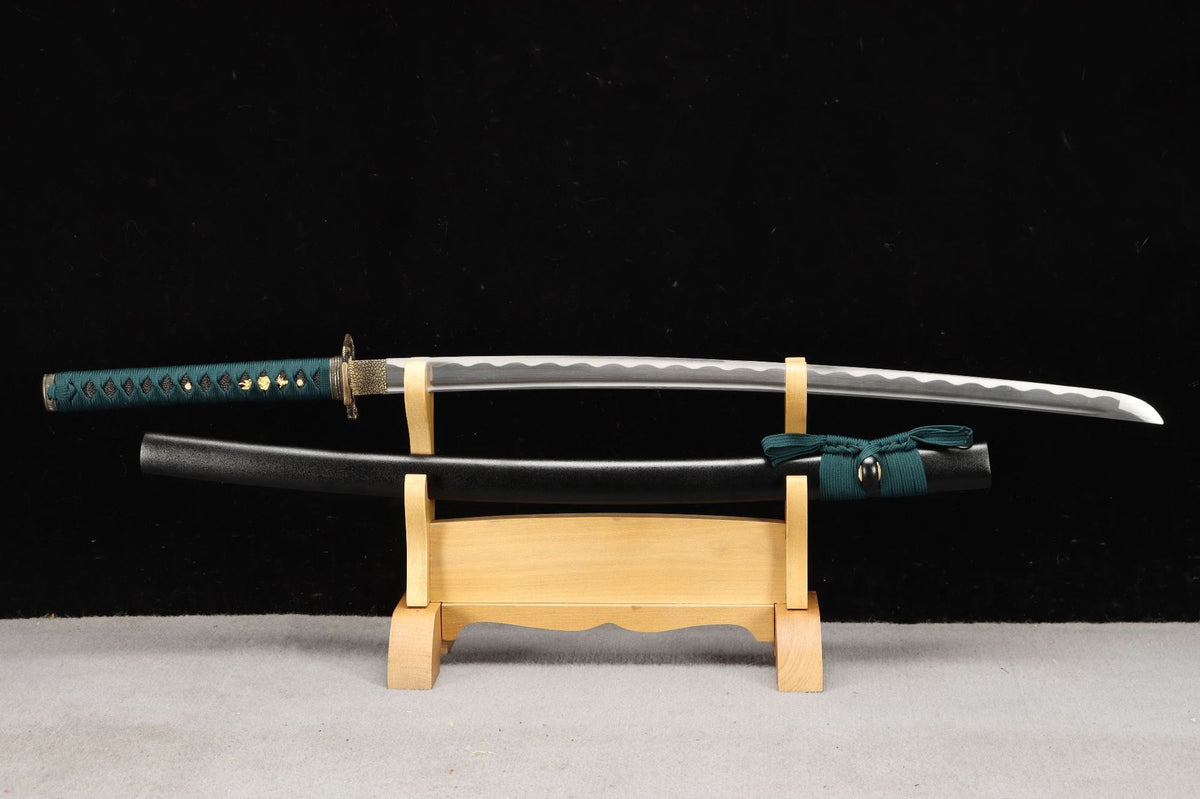
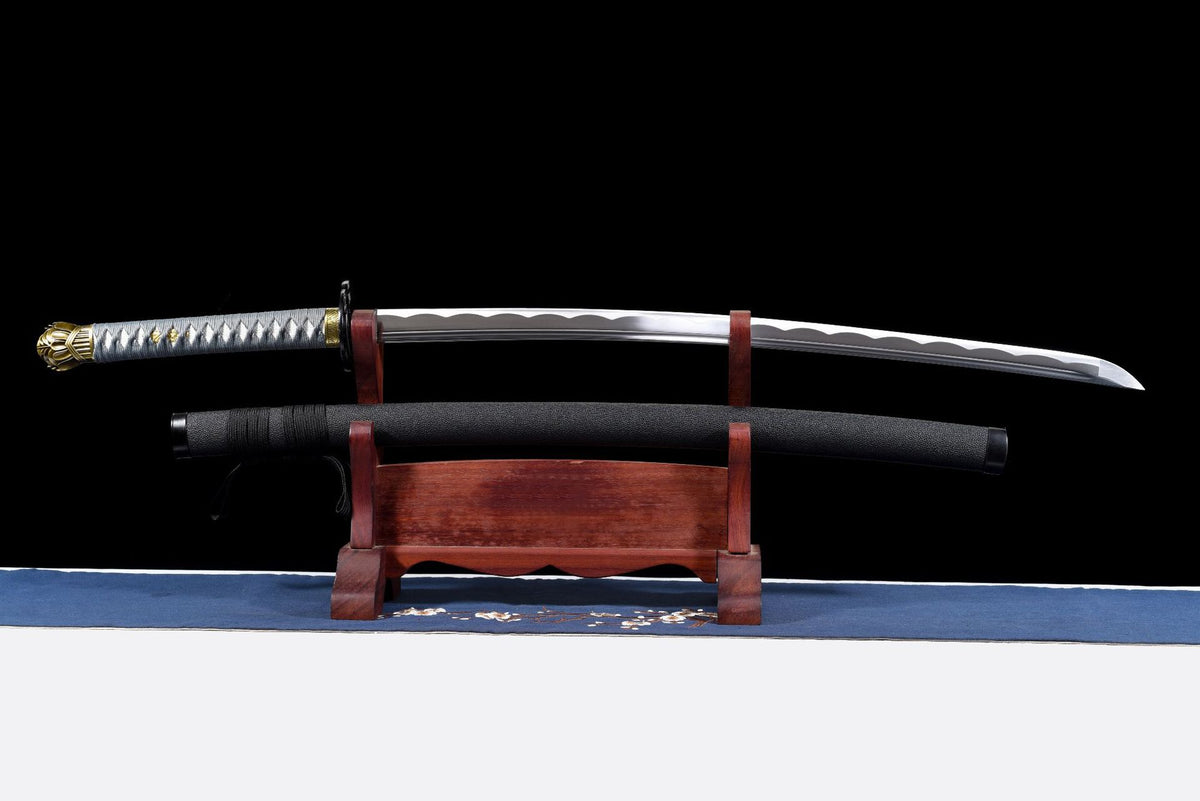
Explore our collection of hamon katana, featuring blades with visible temper lines that add distinctive character to the blade. A genuine hamon is formed through differential hardening, where the edge and spine harden differently during heat treatment.

Not every visible line is formed the same way, so check the individual product description if the hamon process matters to you.

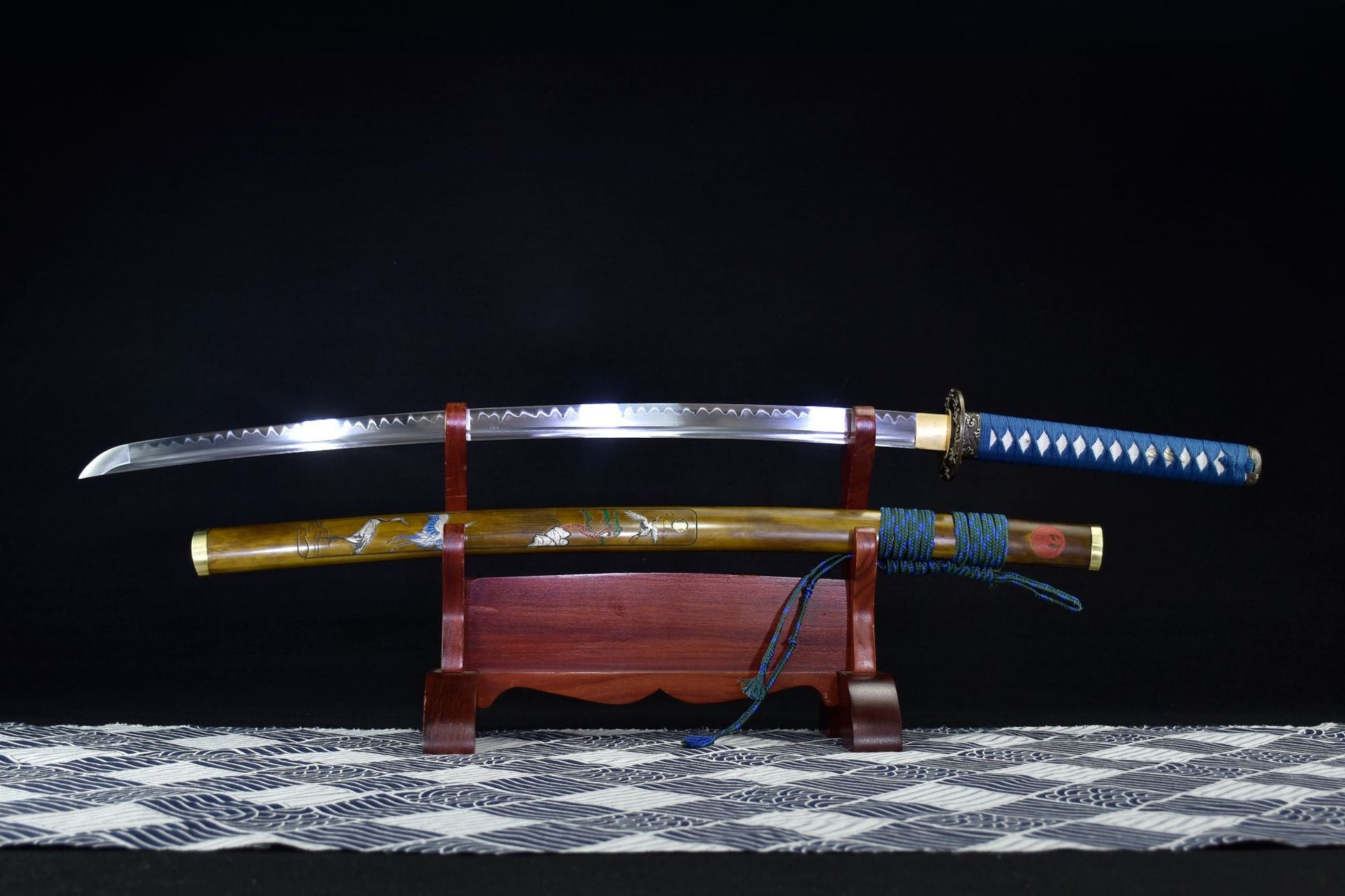
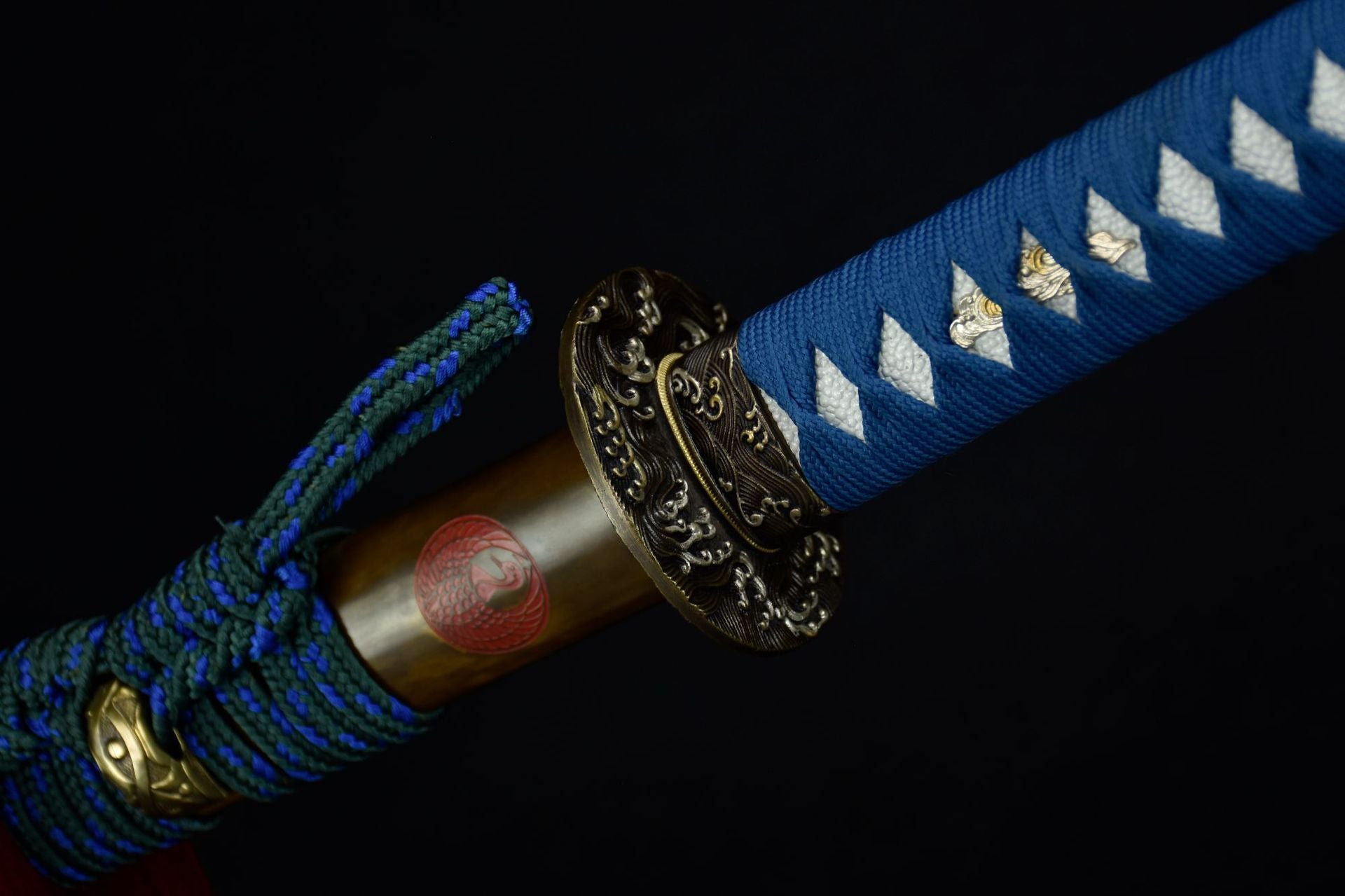
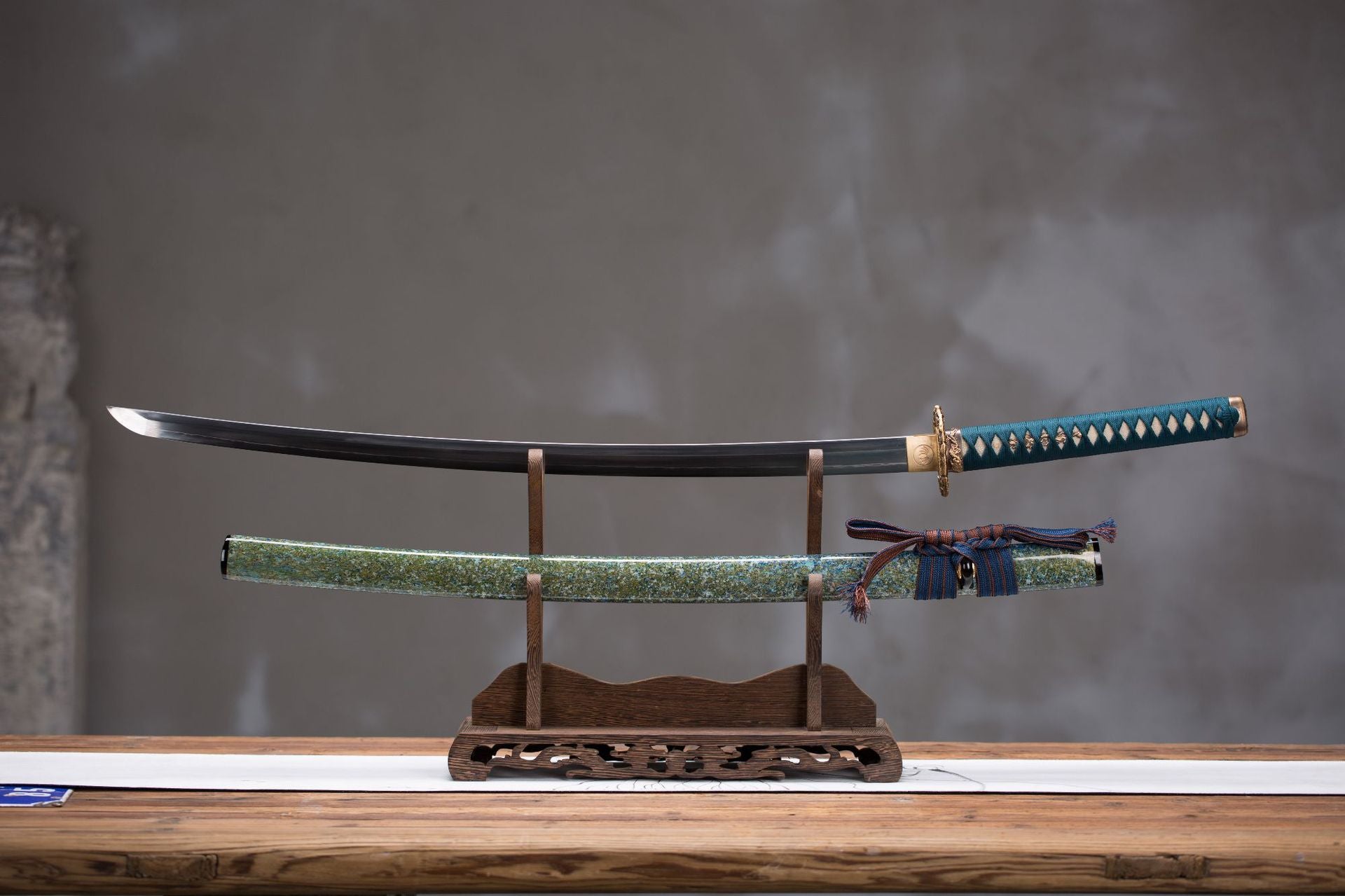
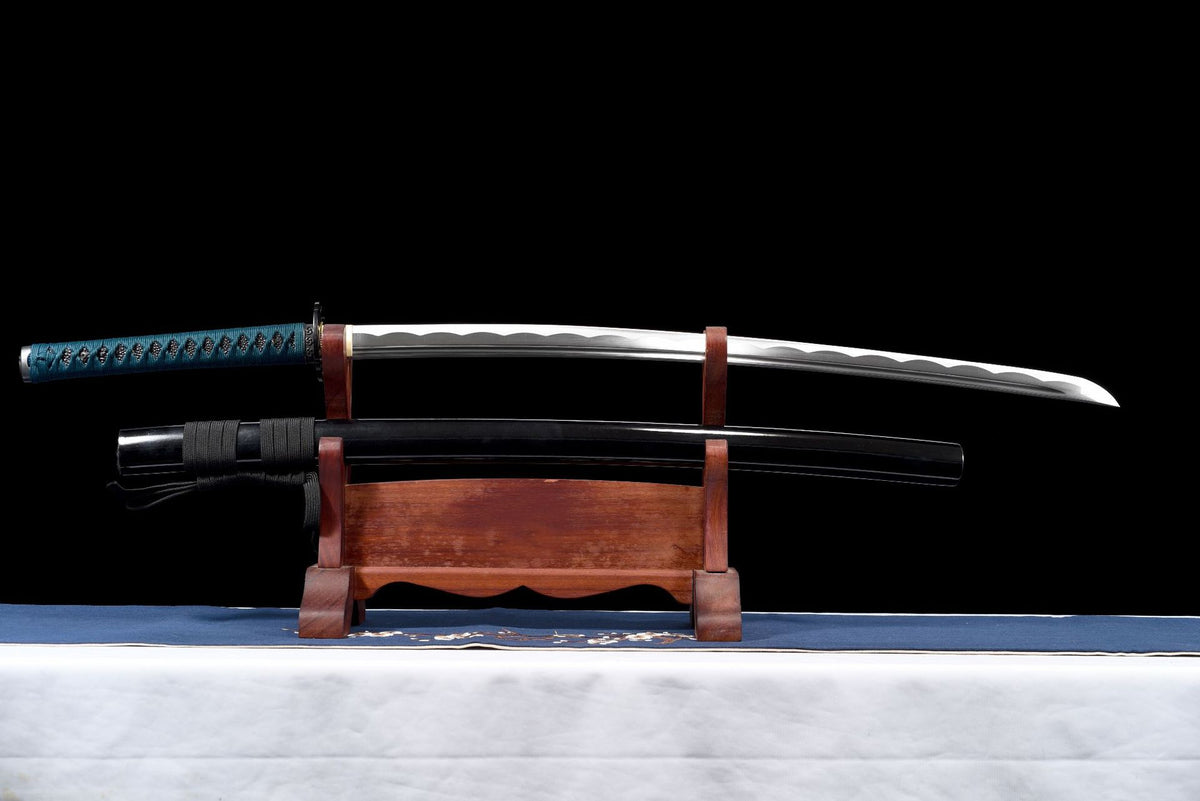
Ichiro Matsuru katana sword with a polished blade, blue wrapped handle, and decorative artistic sheath displayed on a wooden stand.
Sale price$499.00
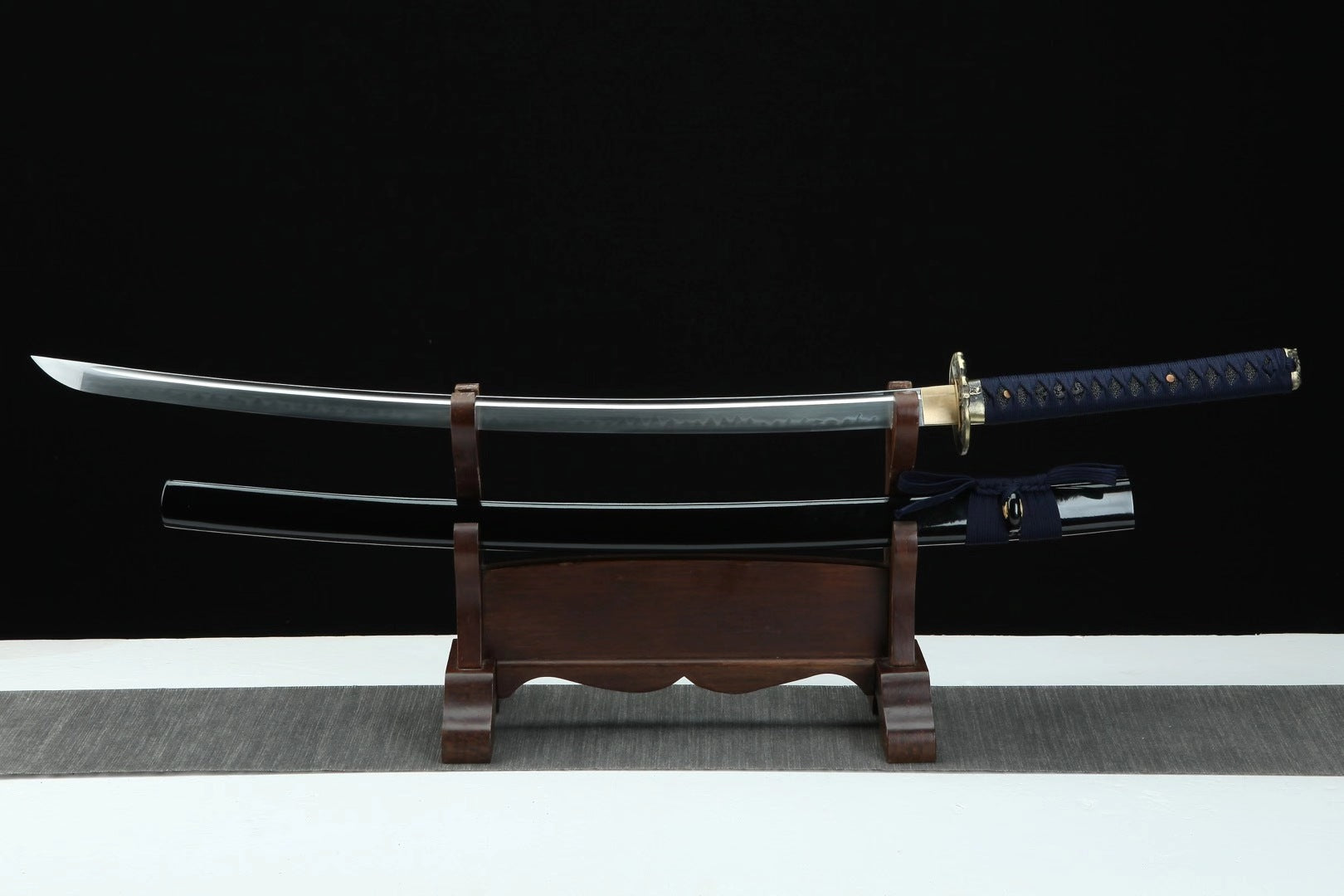
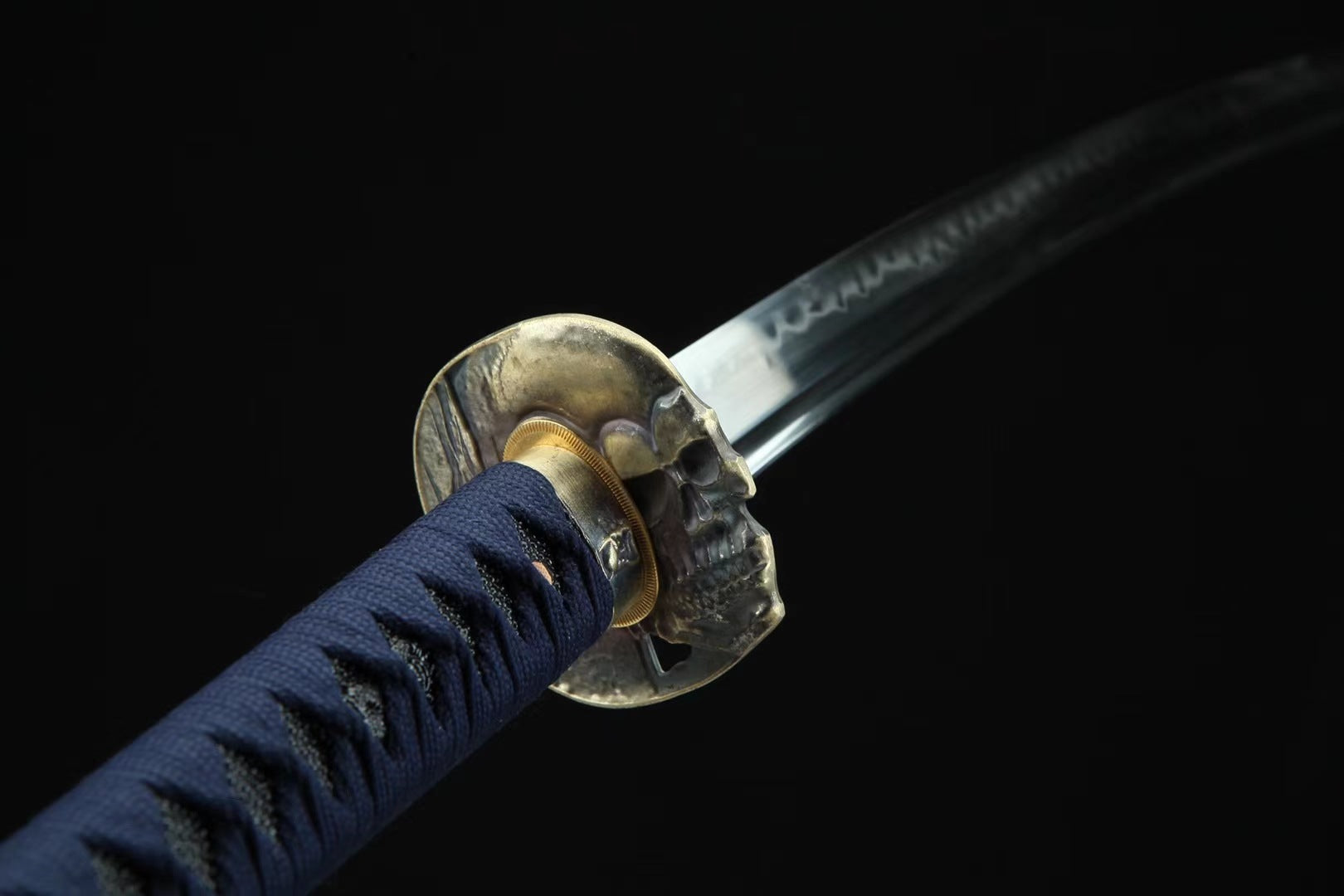
Save 13%The "Devil" clay-tempered true katana, available for purchase in the US, featuring a beautifully crafted blade.
Sale price$199.00 Regular price$228.00
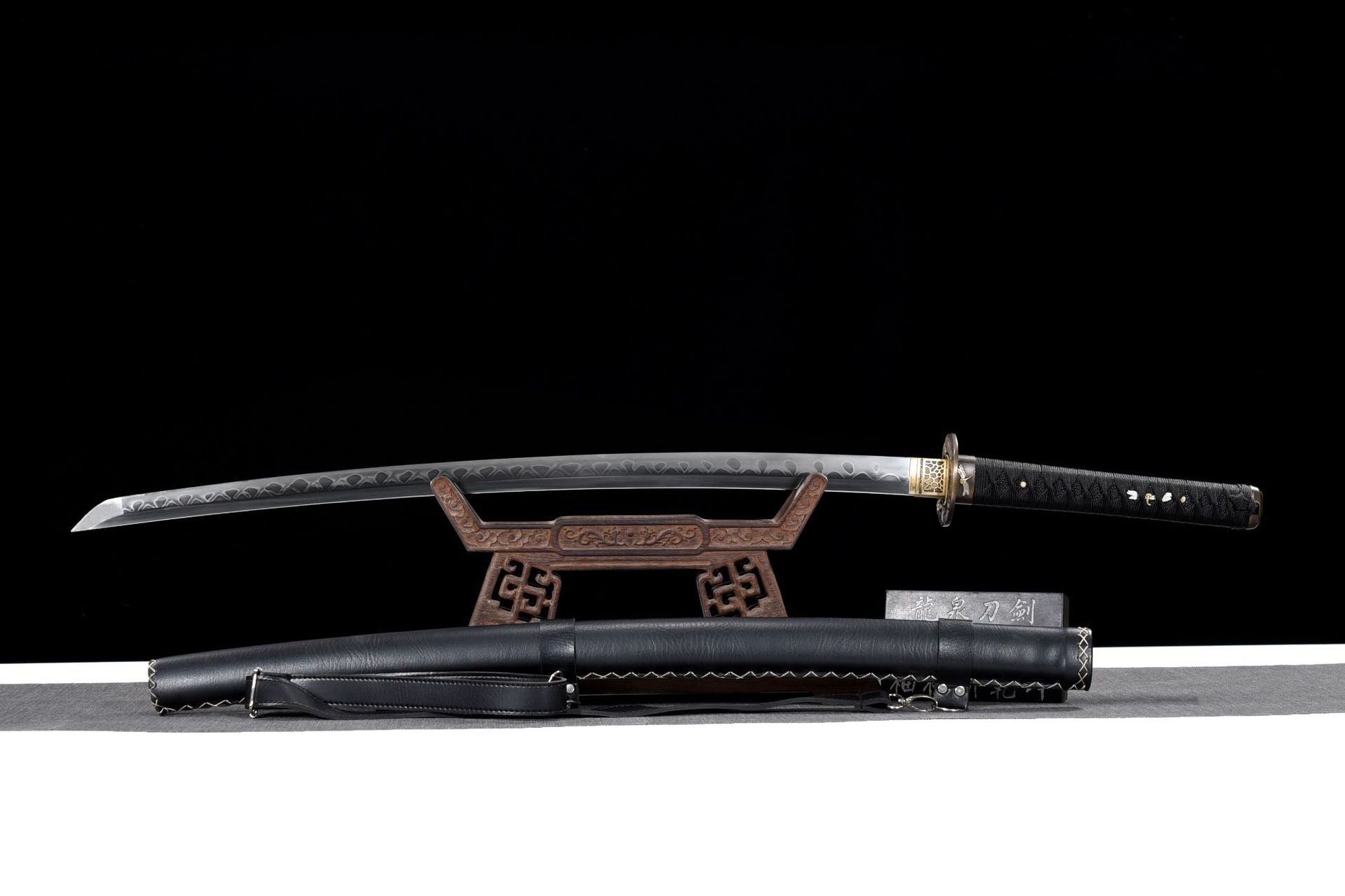
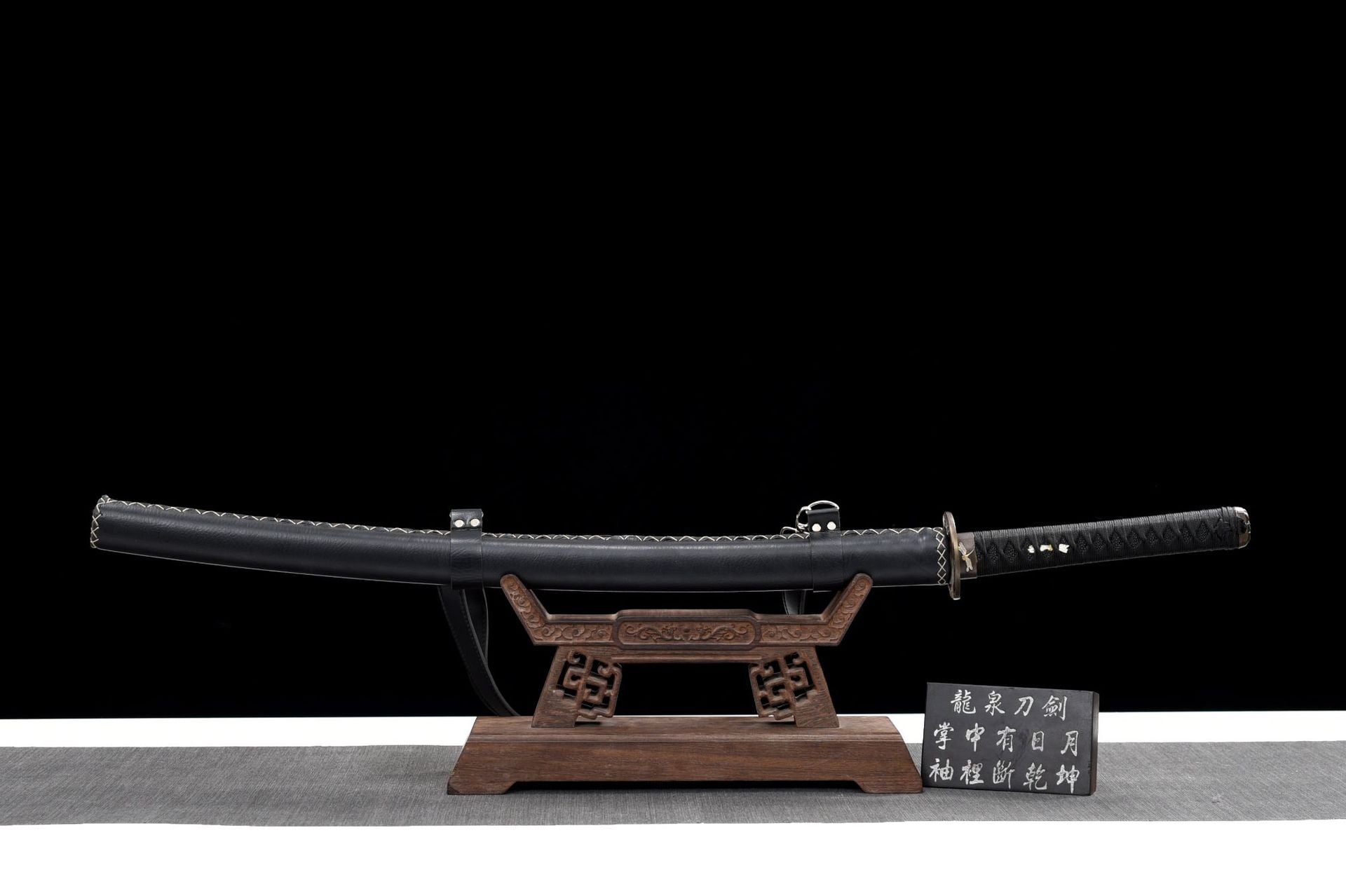
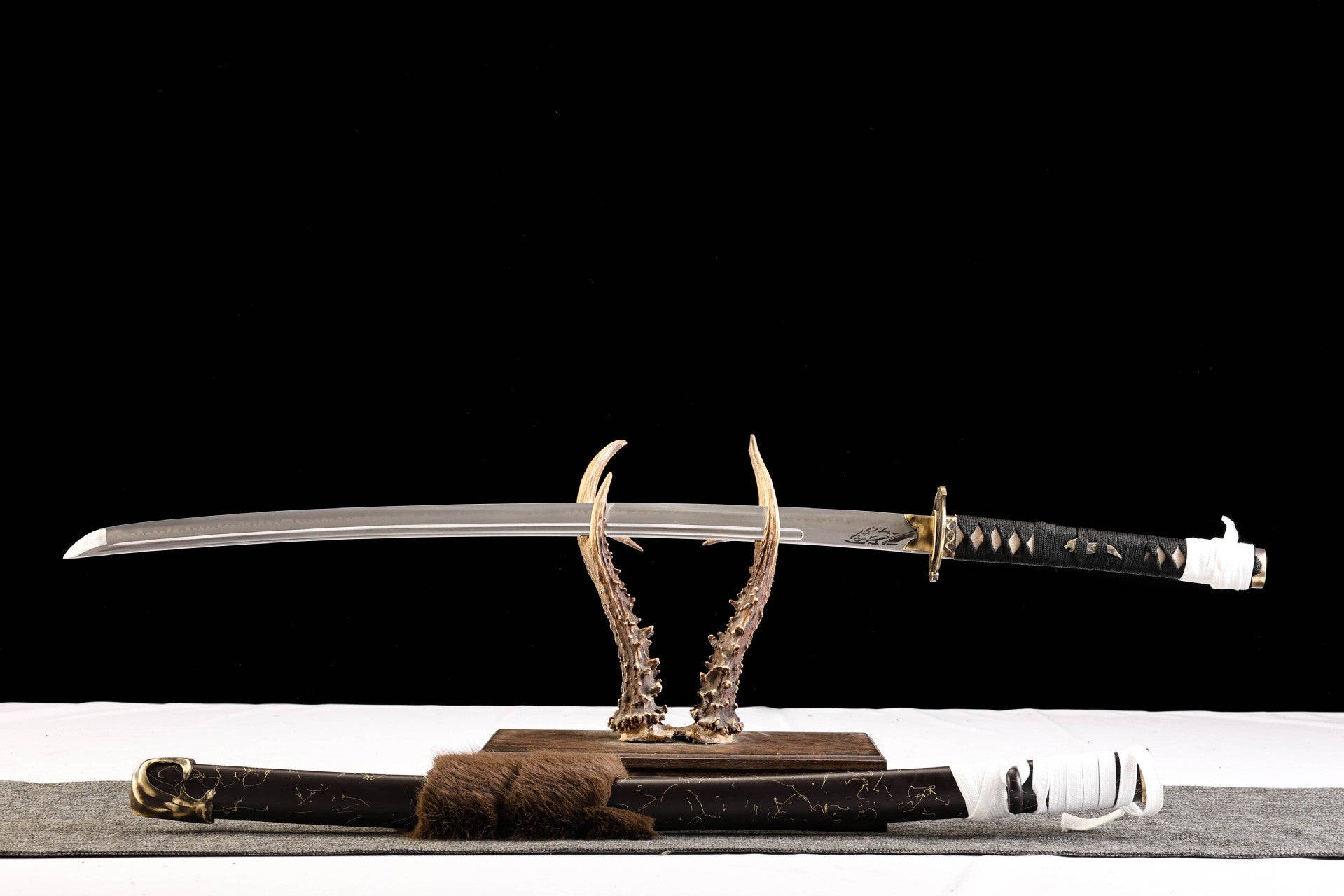
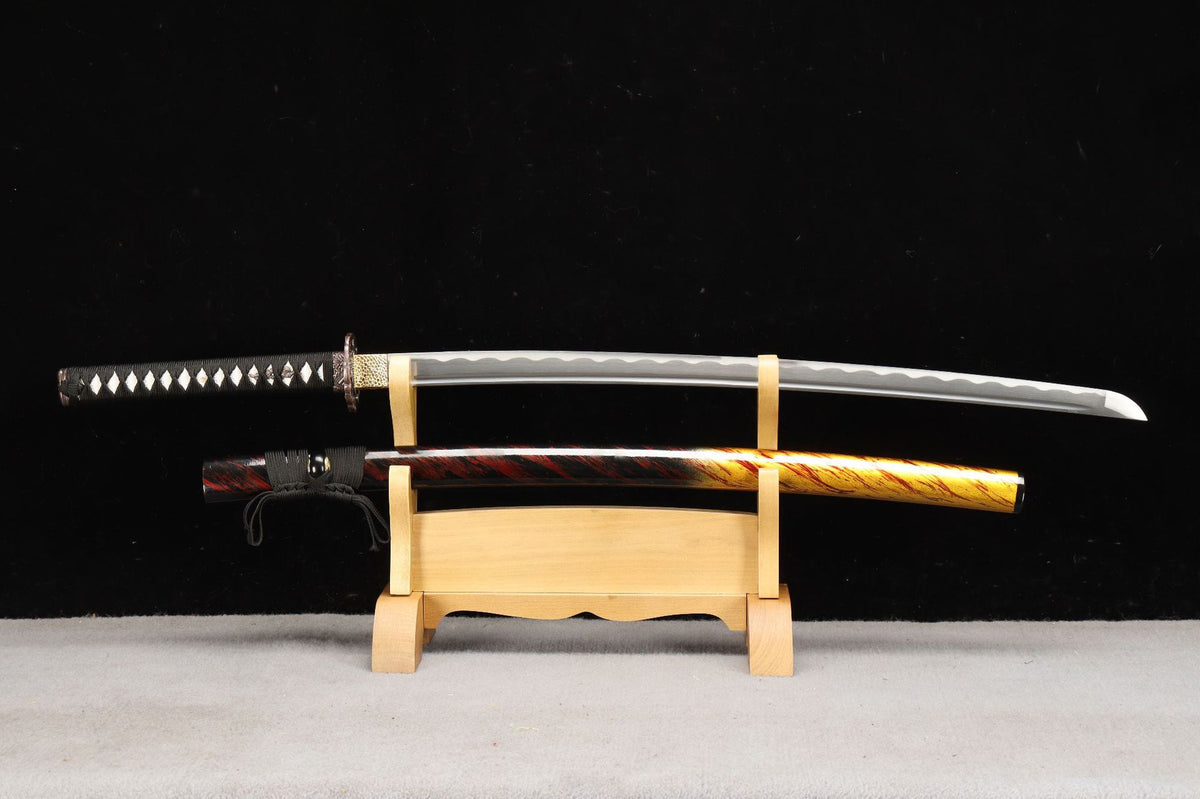
Jiang Tai Gong katana sword featuring a folded steel blade, black tsuka with white details, and a polished wooden saya displayed on a stand.
Sale price$395.00
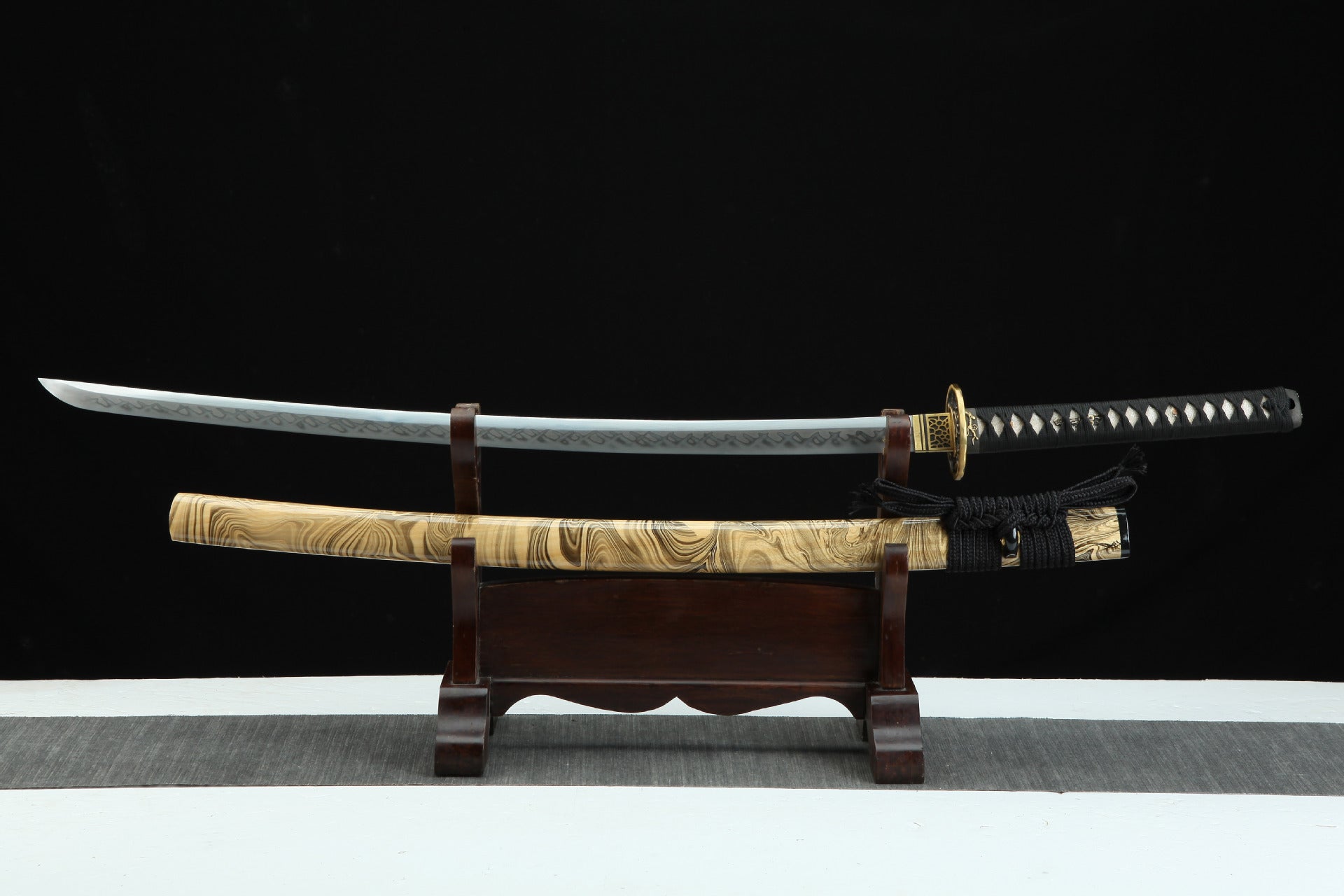
Damascus steel katana with chicken wing wood saya, displayed on a stand
Sale priceFrom $449.00
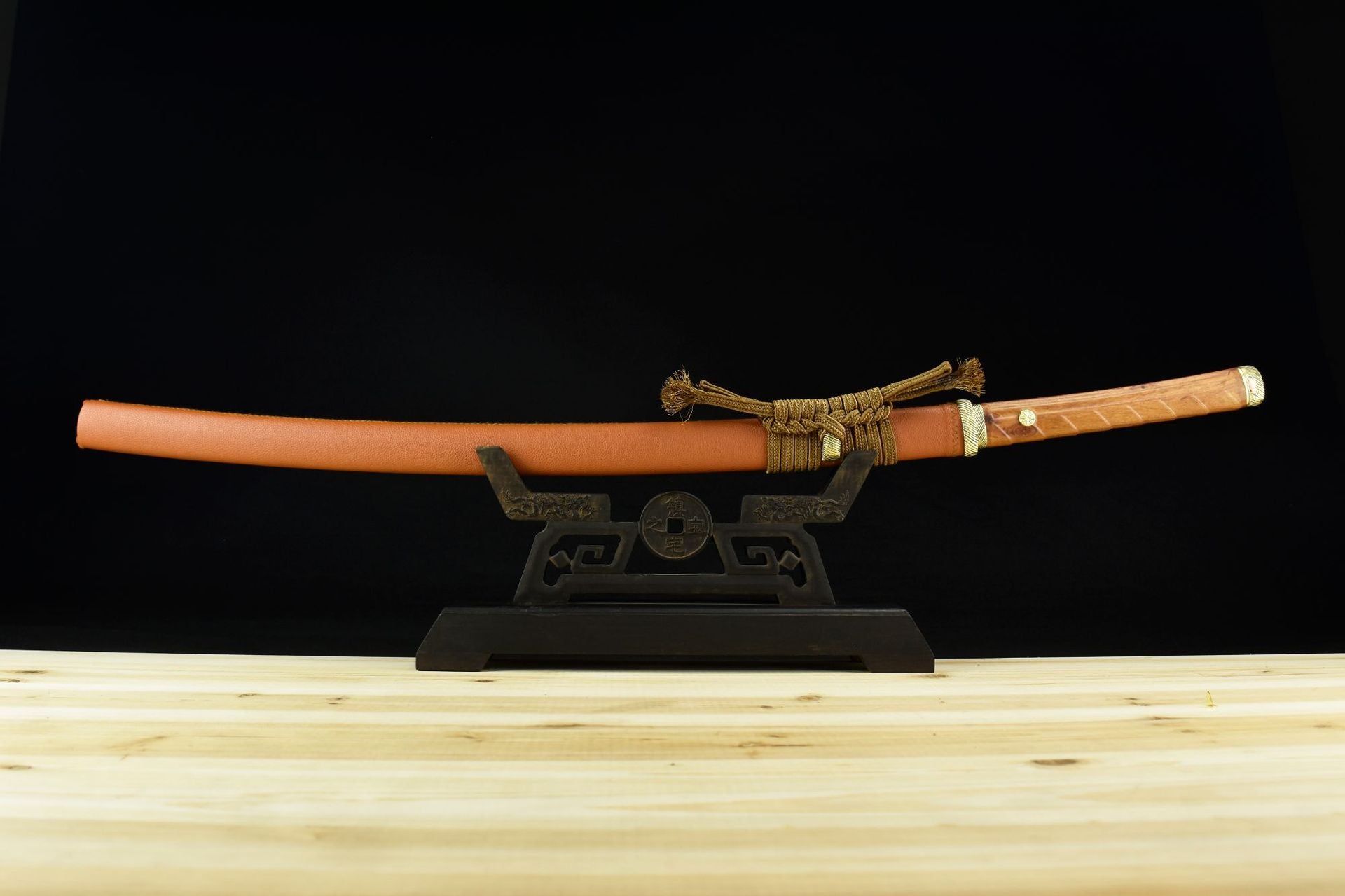
A Japanese sword displayed on a stand, featuring a tan-colored scabbard and a polished wooden handle wrapped in decorative cord.
Sale price$395.00
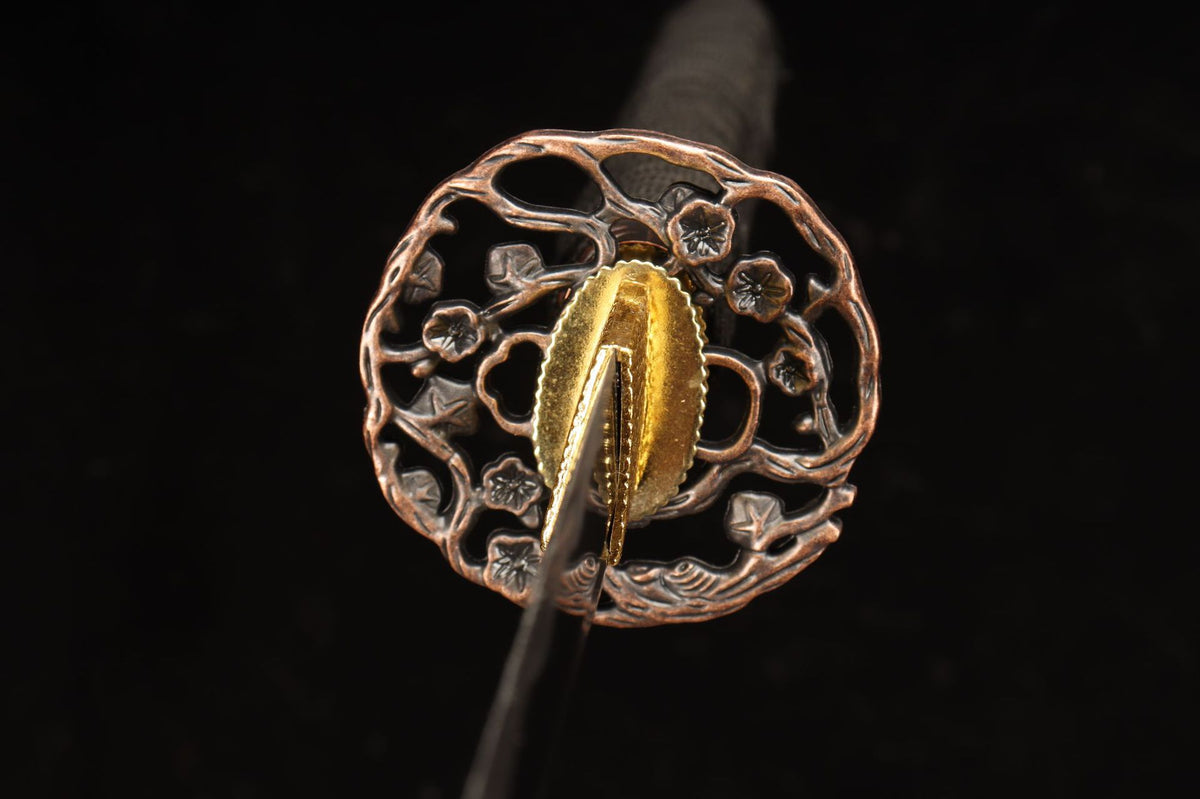
Hand-forged Sakura X katana with T10 high carbon steel blade, featuring copper fittings and a unique hamon created through the clay tempering process.
Sale price$499.00
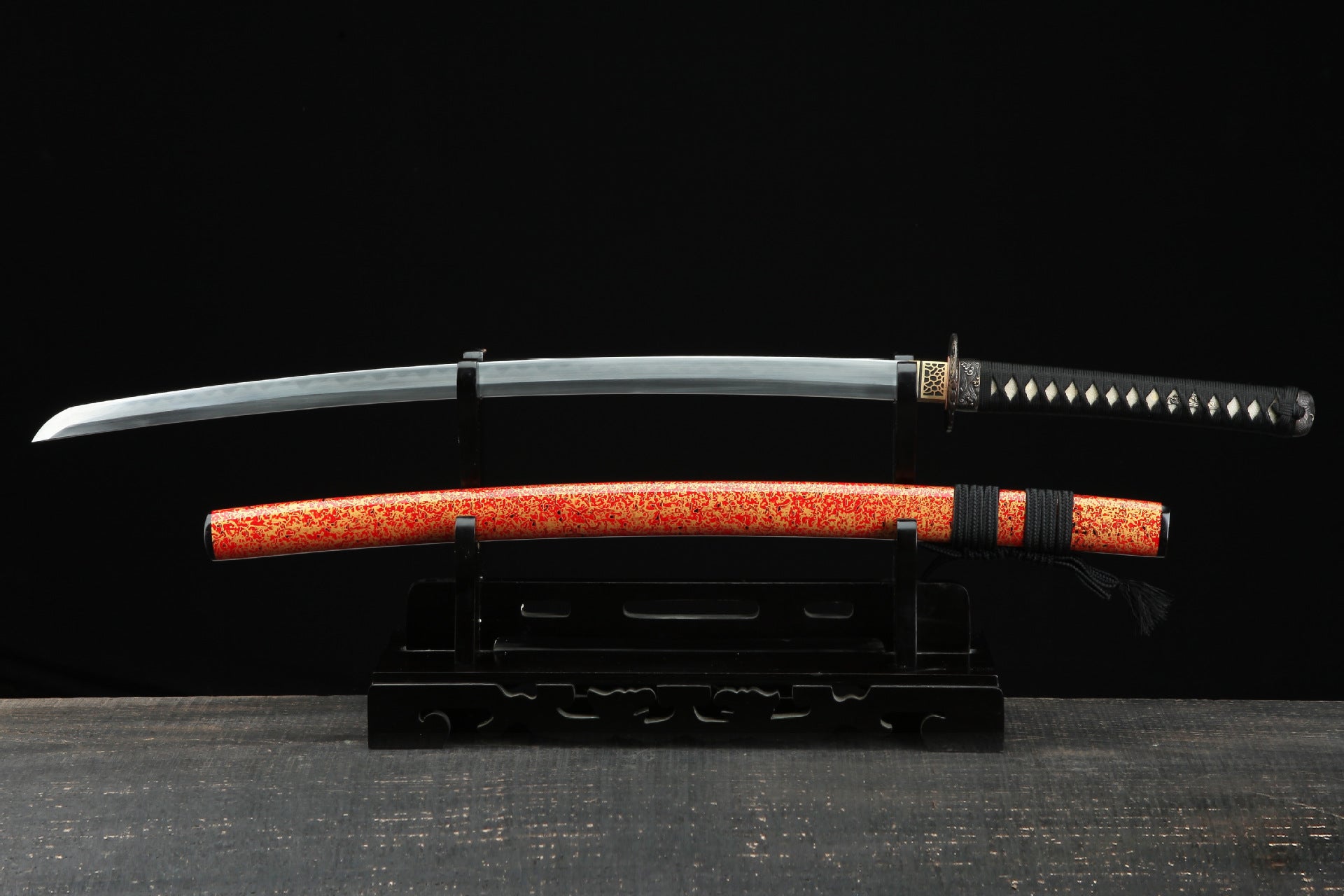
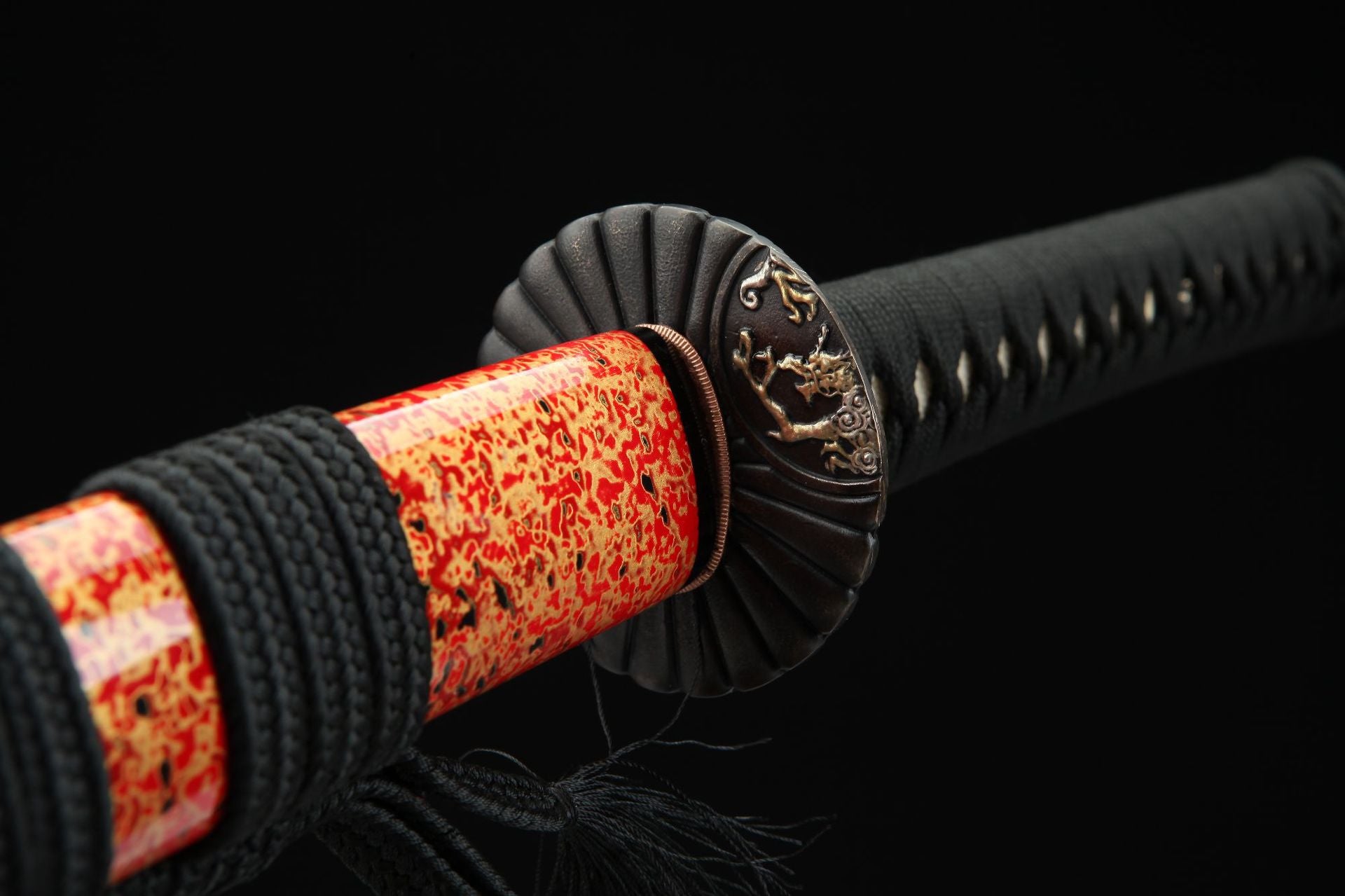
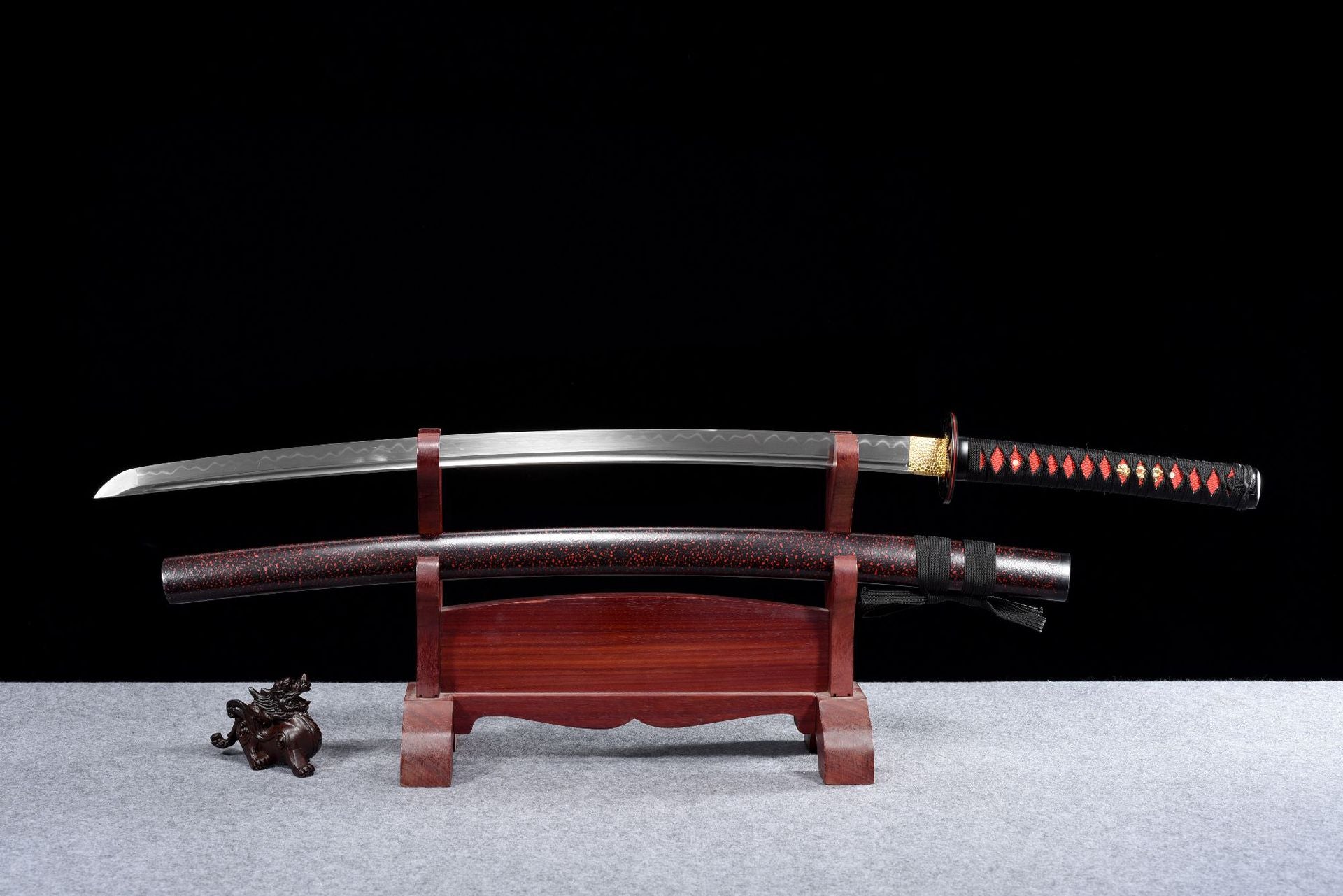
Full view of a samurai sword displayed with a red lacquer saya featuring a unique speckled design, showing the blade and tsuka with a decorative tsuba.
Sale priceFrom $499.00
Full view of Shinrin Samurai Sword with sharp blade, colorful lacquered scabbard, and detailed handle wrapping.
Sale price$449.00
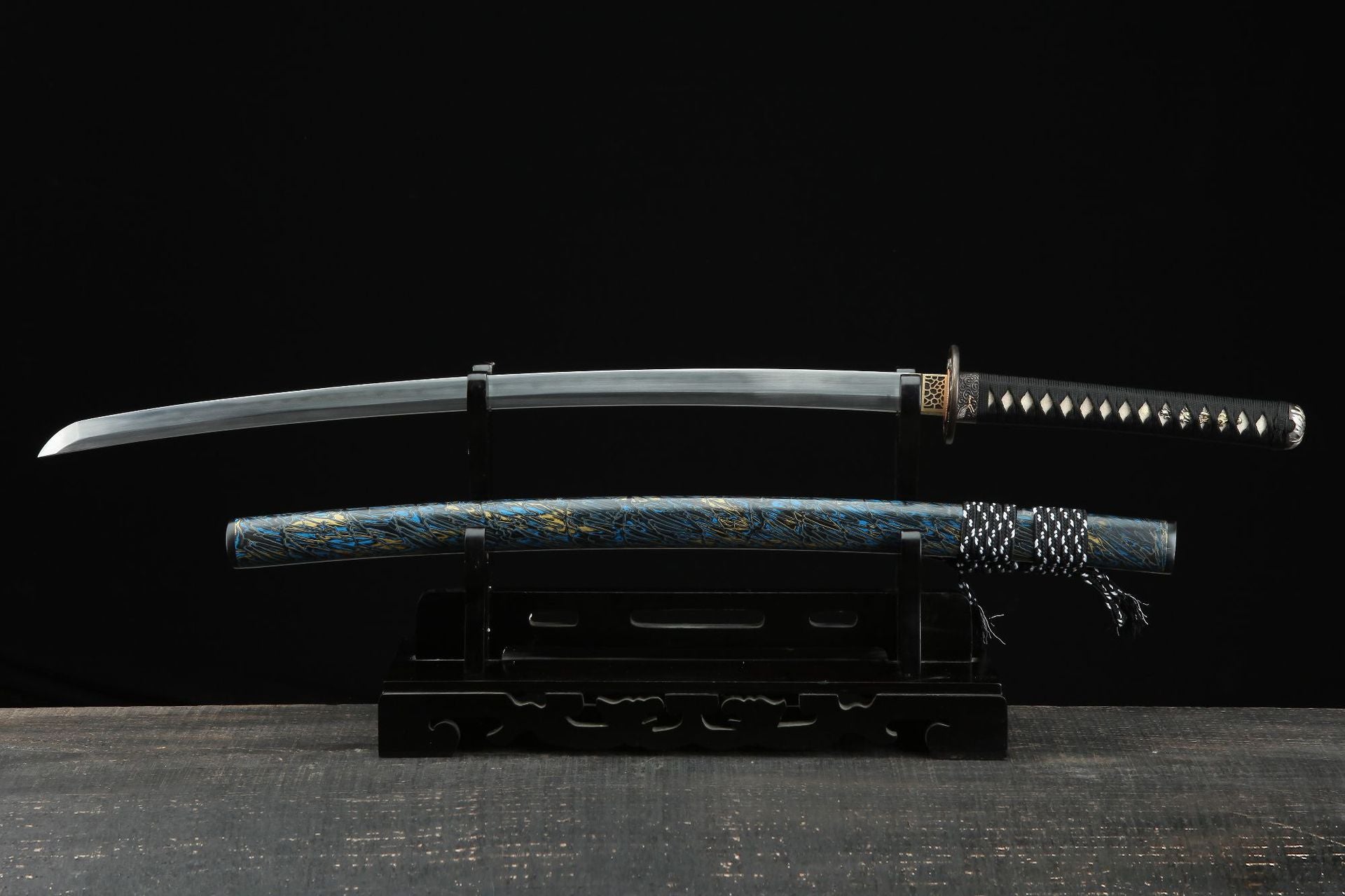
Full view of the Seiryu katana with a unique blue and gold patterned saya and a sharp, curved blade, displayed on a black wooden stand.
Sale priceFrom $449.00
Magatama katana fully displayed on a wooden stand, showing the black blade, decorative saya, and intricate tsuka wrapping.
Sale price$499.00
Save 17%A brown-red clay-tempered carbon steel katana with a polished blade, showcasing traditional craftsmanship.
Sale price$199.00 Regular price$239.00
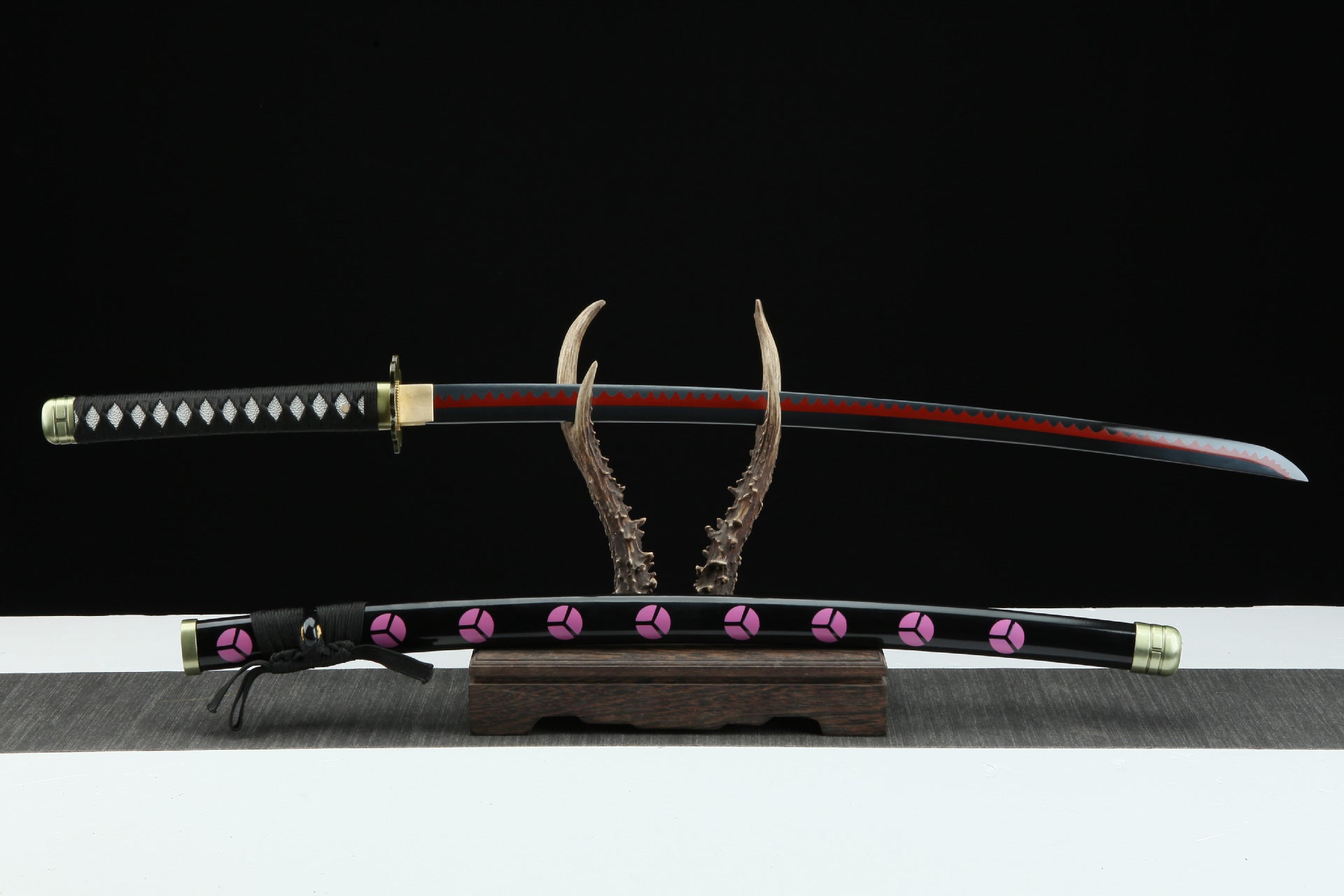
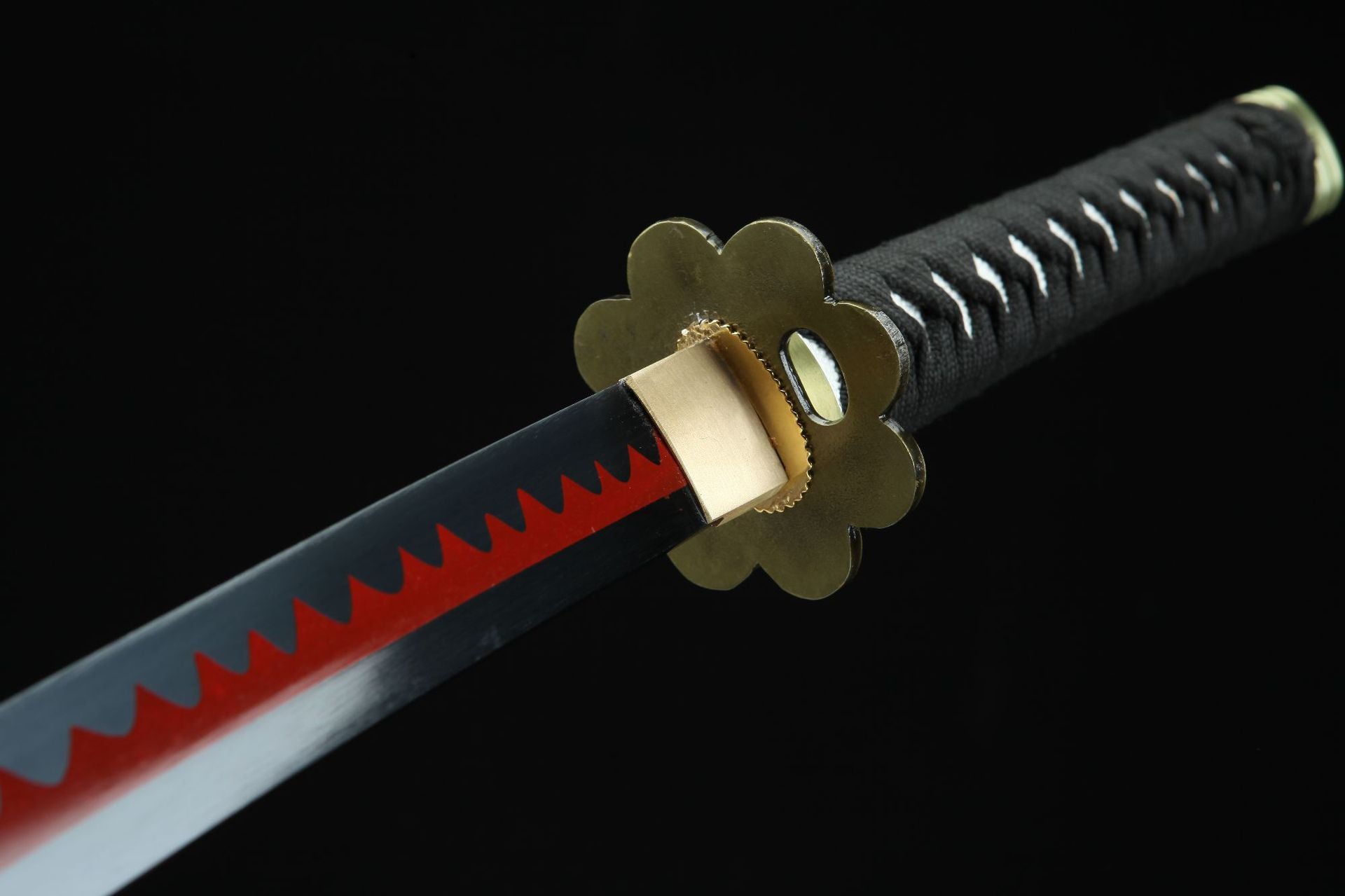
Zoro's Shusui sword and scabbard from One Piece anime displayed on a stand.
Sale price$199.00
Japanese katana sword with a black and red cracked design saya, featuring a polished blade and intricate tsuka with black and red wrapping.
Sale price$449.00
NewKurozakura Katana
Sale price$149.00
A hand-forged katana with a dragonfly motif, paired with a sleek black leather scabbard, showcasing traditional Japanese craftsmanship.
Sale price$499.00
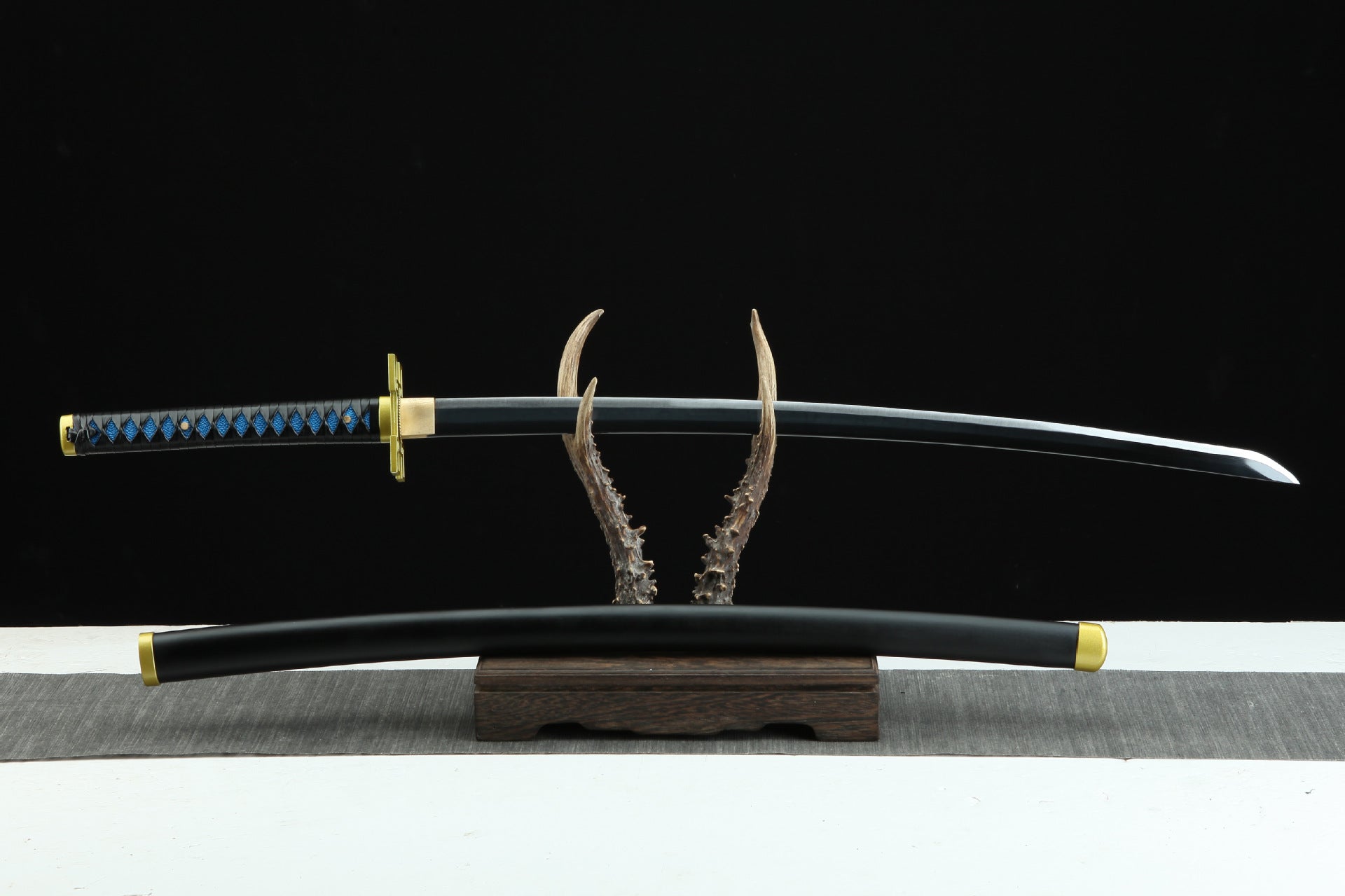
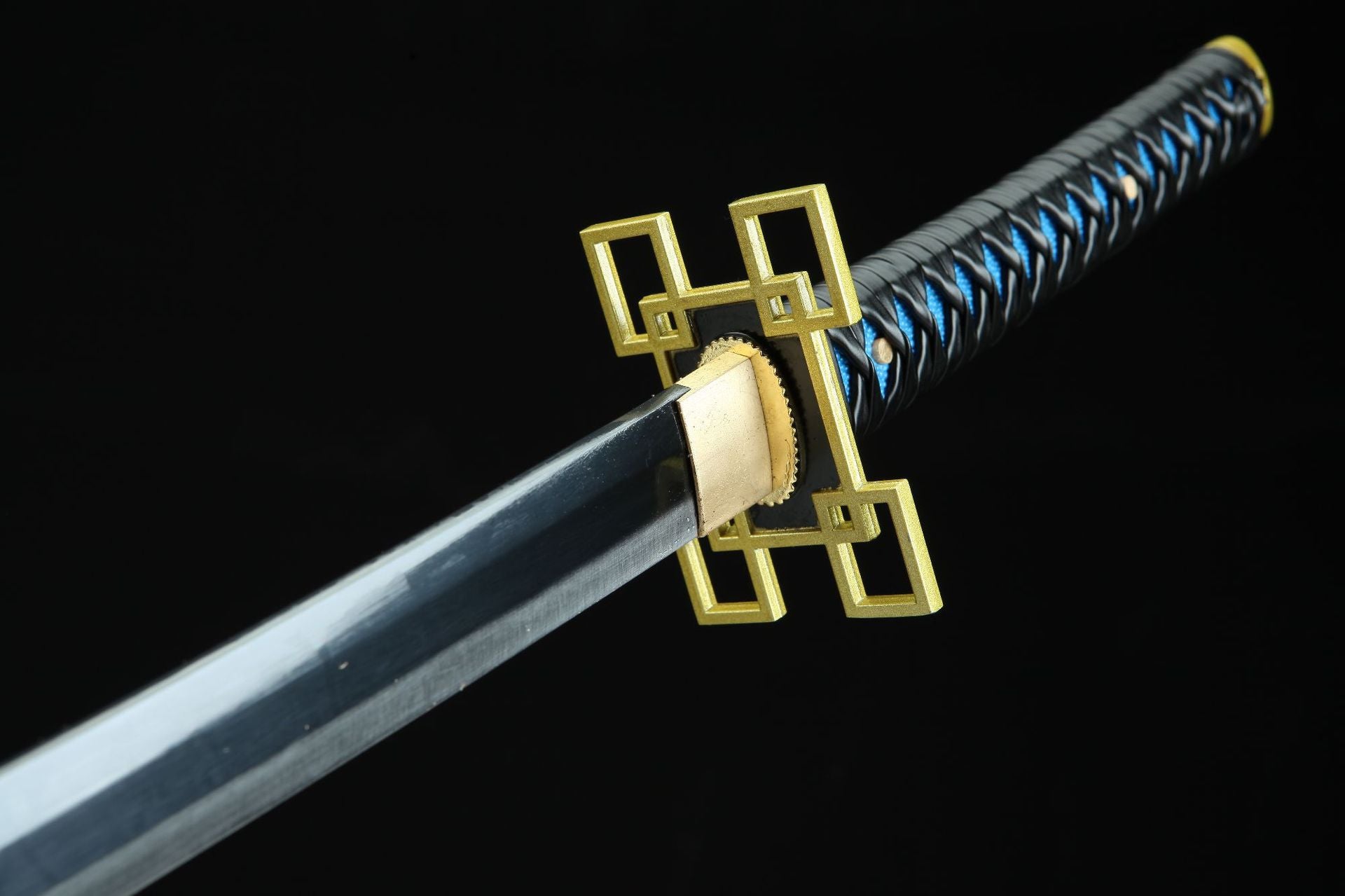
Muichiro's sword in blue and black from Demon Slayer.
Sale price$199.00
A high-end T10 steel katana featuring elegant horn fittings, showcasing premium materials and traditional Japanese craftsmanship.
Sale price$499.00
Wolf Blade Katana - Ghost of Yotei Atsu’s Sword
Jade Dragon Katana displayed unsheathed above its black lacquered saya
Sale price$149.00
Moonlit Veil Katana displayed unsheathed above its black saya
Sale price$149.00
Karahana Katana unsheathed with long bo-hi and decorative wavy blade pattern
Sale price$149.00
Emberflow Katana unsheathed beside its lacquered solid-wood saya
Sale price$149.00
Crimson Katana with 1045 carbon steel blade and patterned saya
Sale price$149.00
Crested Wave Katana
Sale price$209.00

Quick Hamon Katana Buying Guide

What Is a Hamon?

A hamon is the visible pattern along the hardened edge of a differentially hardened blade. It reflects the transition between areas of the steel that hardened differently during heat treatment.

How Is a Genuine Hamon Formed?

A genuine hamon develops during differential hardening rather than being added afterward as a surface pattern. Clay tempering is one method used to produce this effect.

If you want to focus on the heat-treatment process itself, see our Clay Tempered Katana collection.

Genuine Hamon vs. Decorative Hamon

A genuine hamon comes from differential hardening. A decorative or enhanced hamon is created or emphasized through surface finishing instead.

Both can create a visible pattern, so check the individual product description if the method matters to you.

Does Every Hamon Look the Same?

No. Hamon can appear straight, wavy, irregular, or more complex depending on the heat-treatment pattern and how the blade is polished. Even blades made with a similar process can show different visual character.

Is Hamon a Sign of Better Quality?

Not by itself. Hamon is a blade feature associated with heat treatment, not a quality grade. Its presence does not automatically make one katana better than another.

Look at the Hamon in Context

If hamon is one of the main reasons you are choosing a sword, compare how clearly it is described and shown on the individual product page. Then consider the blade and mounting as a complete sword.

You can also browse our wider Katana collection or compare steel-specific options such as T10 Katana.

Frequently Asked Questions

What is the difference between a genuine hamon and a decorative hamon?

A genuine hamon is created by differential hardening during heat treatment. A decorative or enhanced hamon is produced or emphasized through surface finishing instead.

Does every katana with a visible hamon have differential hardening?

No. A visible hamon-style line does not always mean the blade was differentially hardened. Check the product specifications if the heat-treatment method matters to you.

Is hamon the same as clay tempering?

No. Hamon is the visible pattern associated with differential hardening, while clay tempering describes a method used to produce that differential hardening. They are closely related, but one describes the visible result and the other describes the heat-treatment approach.

Can T10 steel have a genuine hamon?

Yes. T10 steel can be differentially hardened and can show a genuine hamon when that heat-treatment process is used. However, T10 describes the steel grade, not the heat treatment, so a T10 blade should not automatically be assumed to have a genuine hamon.

Does hamon make a katana better?

Not automatically. A genuine hamon can tell you something about how the blade was heat-treated, but hamon itself is not a quality grade. Two katana with visible hamon can still differ significantly in construction, polish, fittings, and overall finish.

What should I check when choosing a hamon katana?

Start by confirming how the hamon is described, then compare the blade, polish, dimensions, fittings, saya, and overall finish.