


Frequently Asked Questions
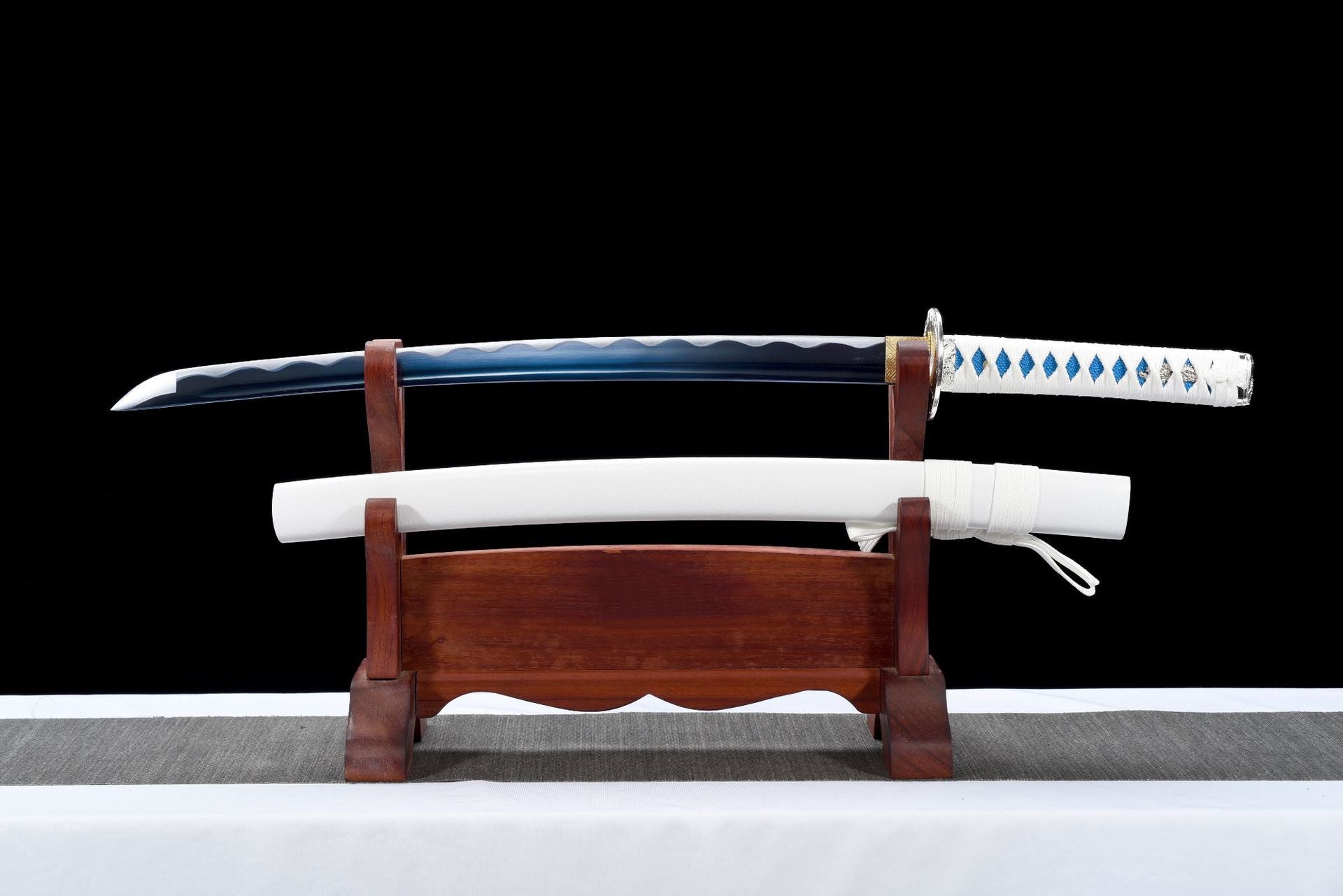
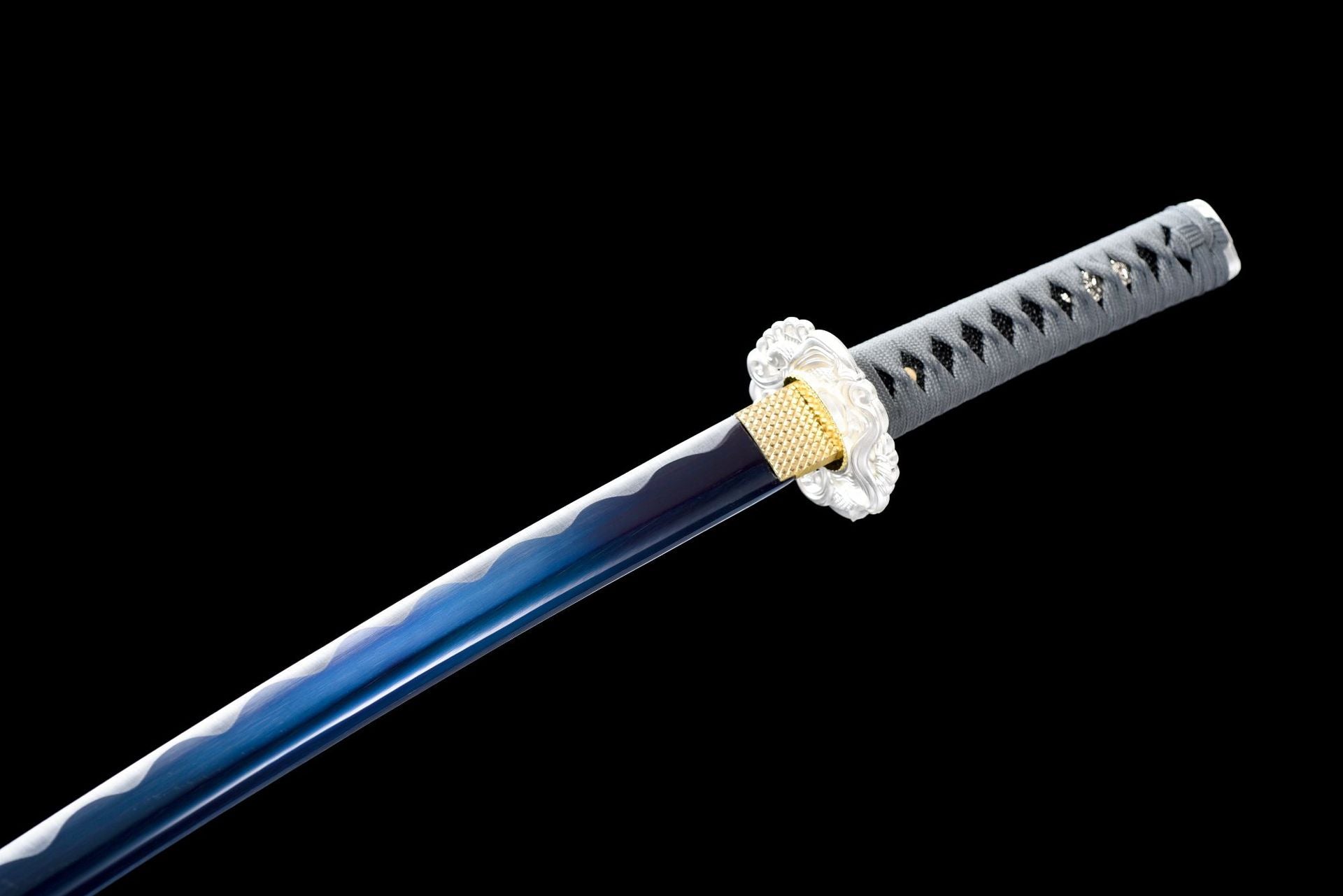
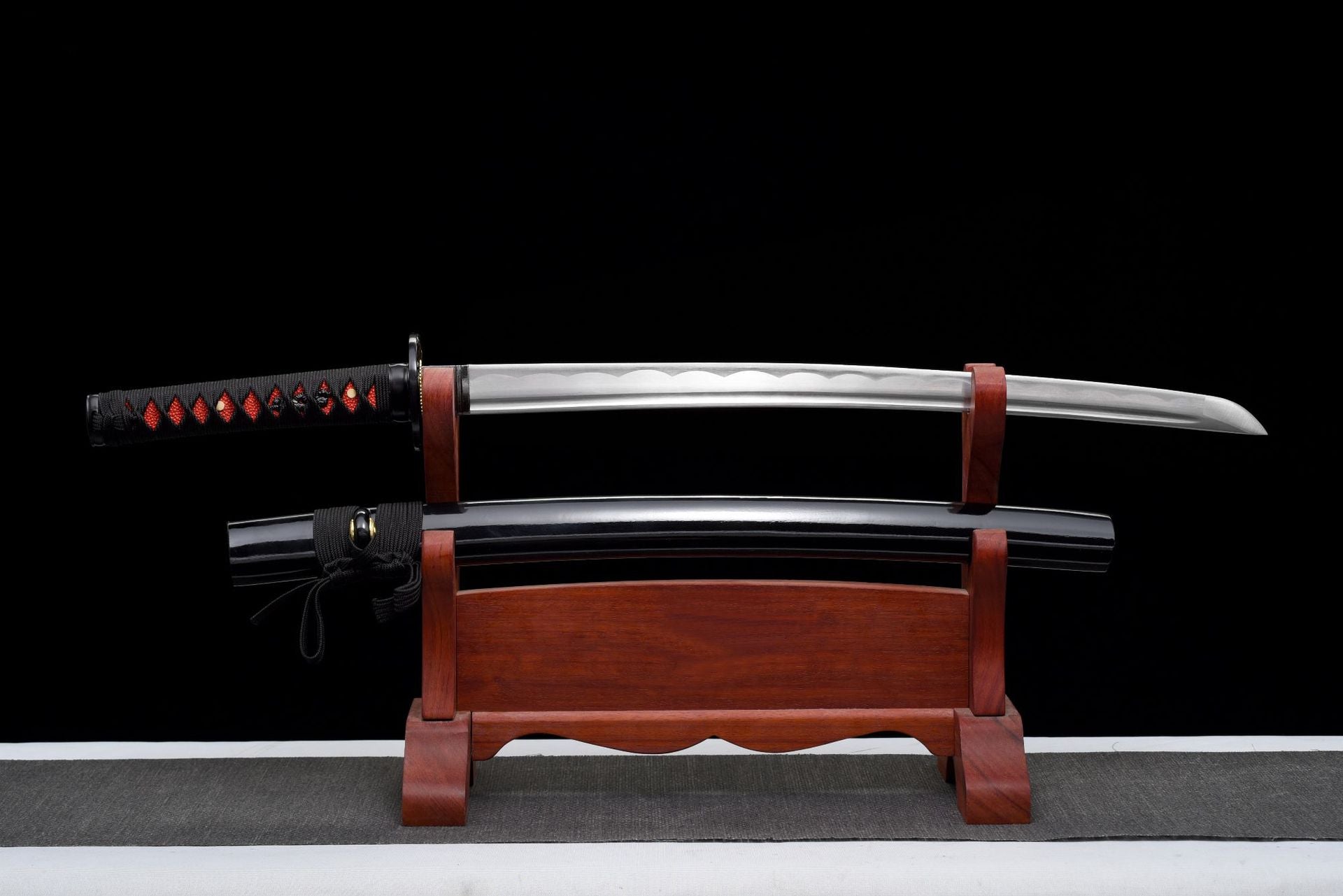
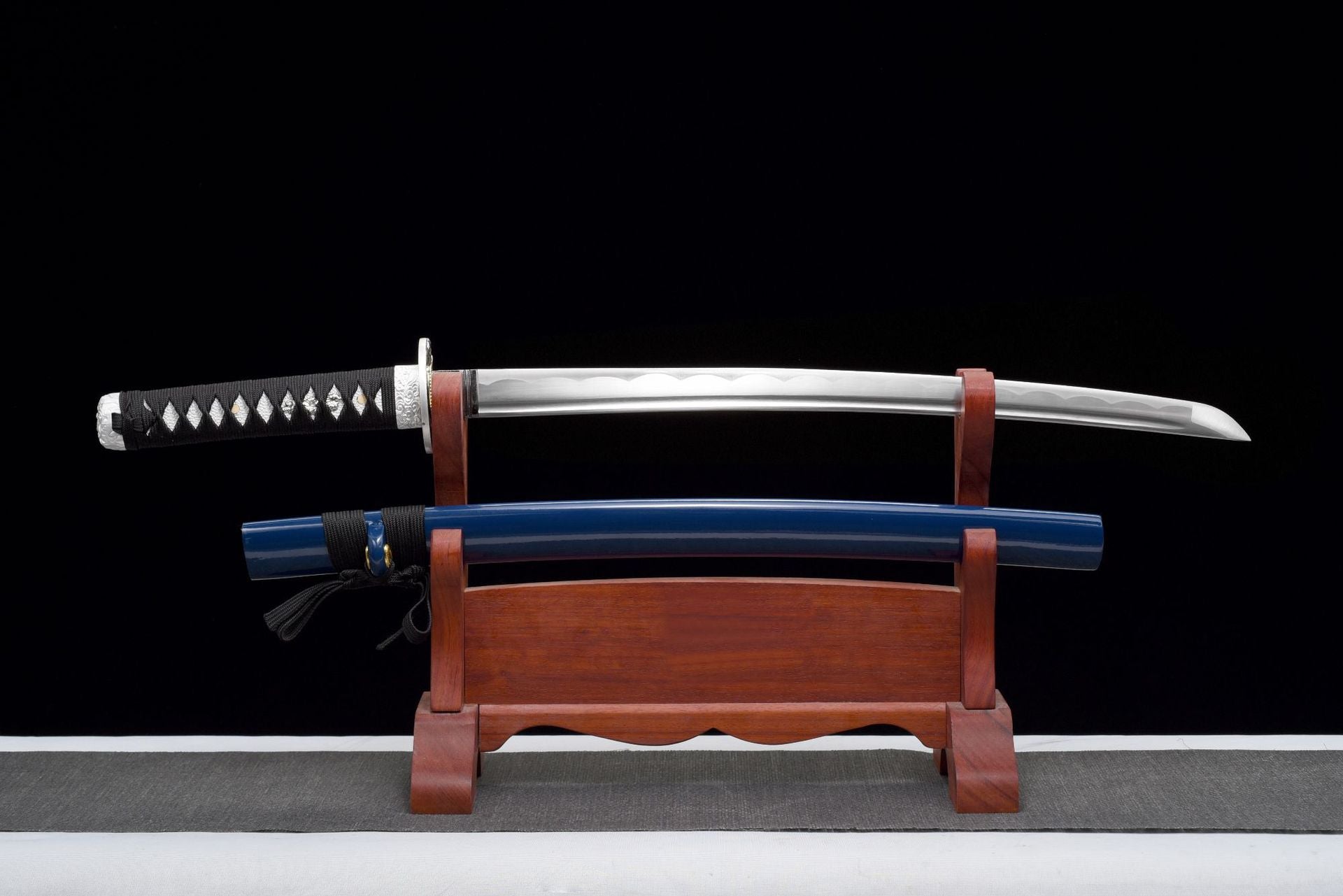
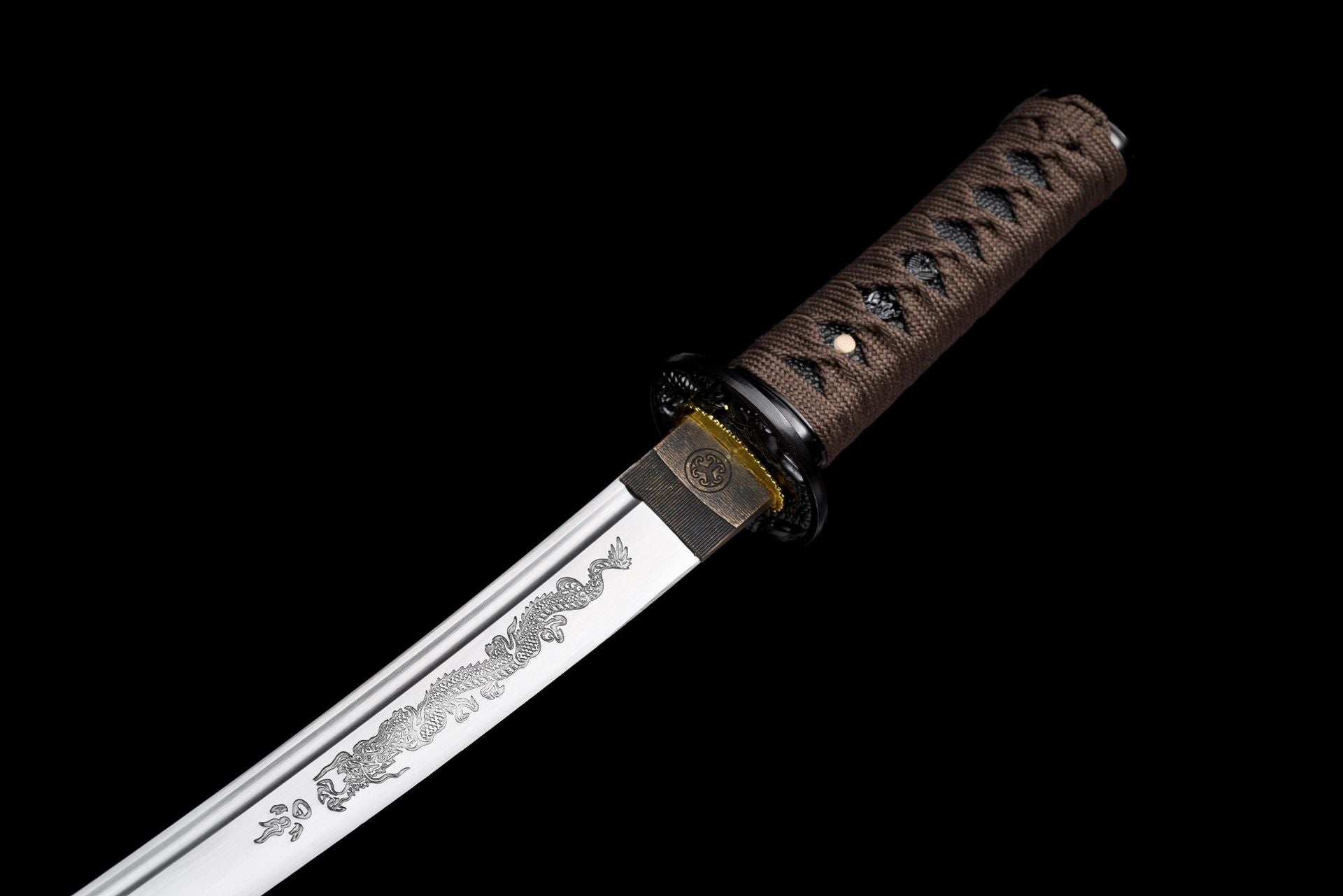
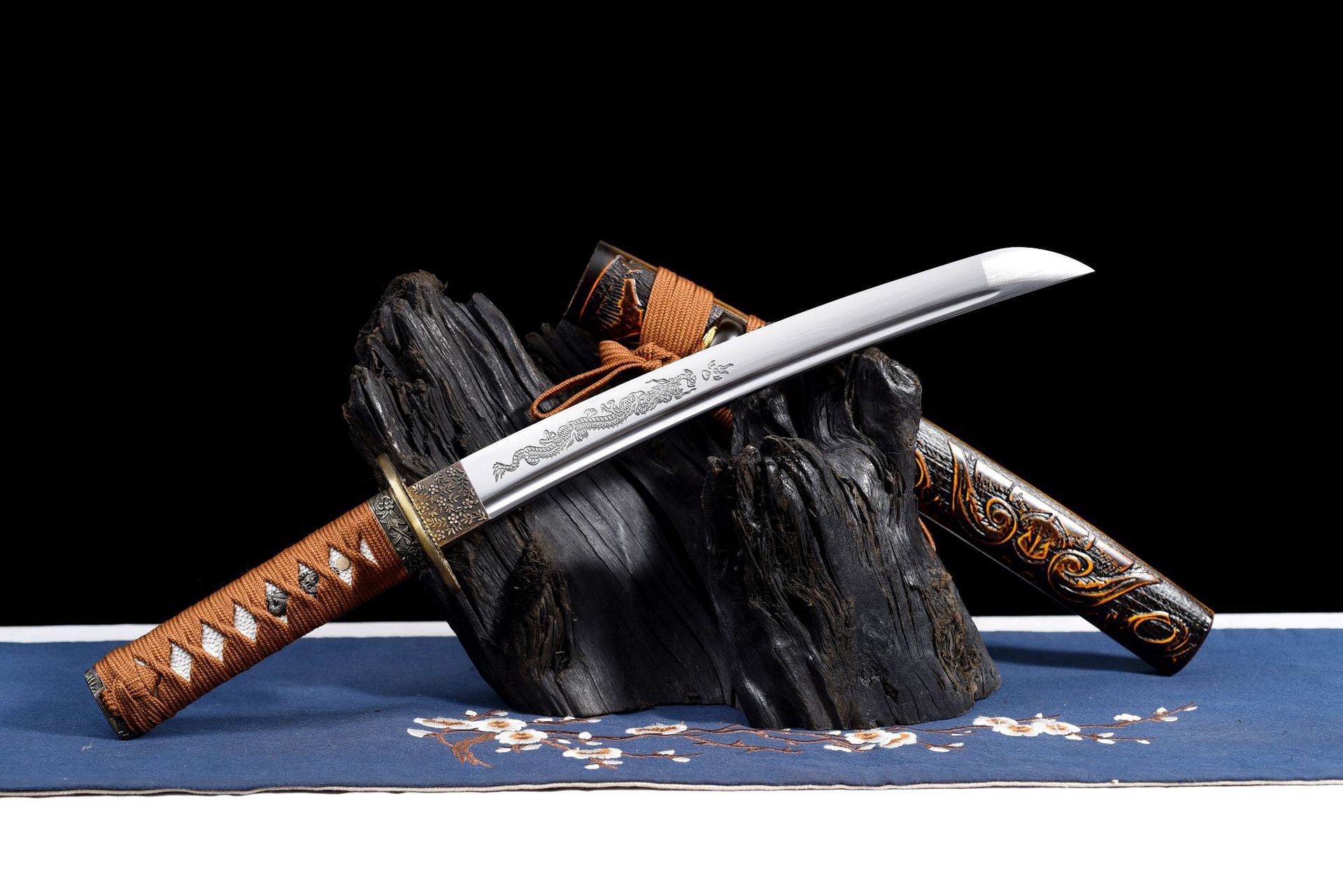
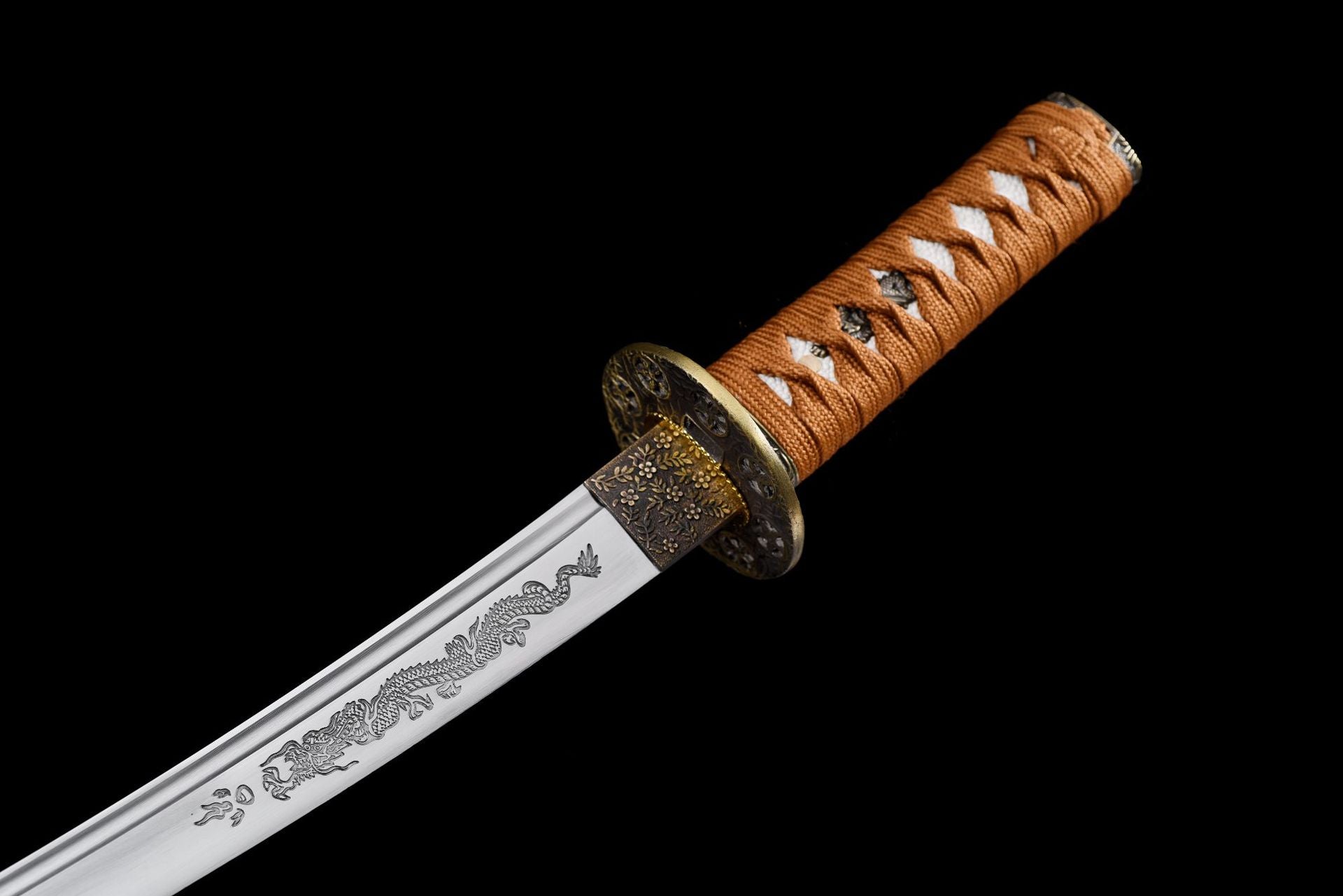
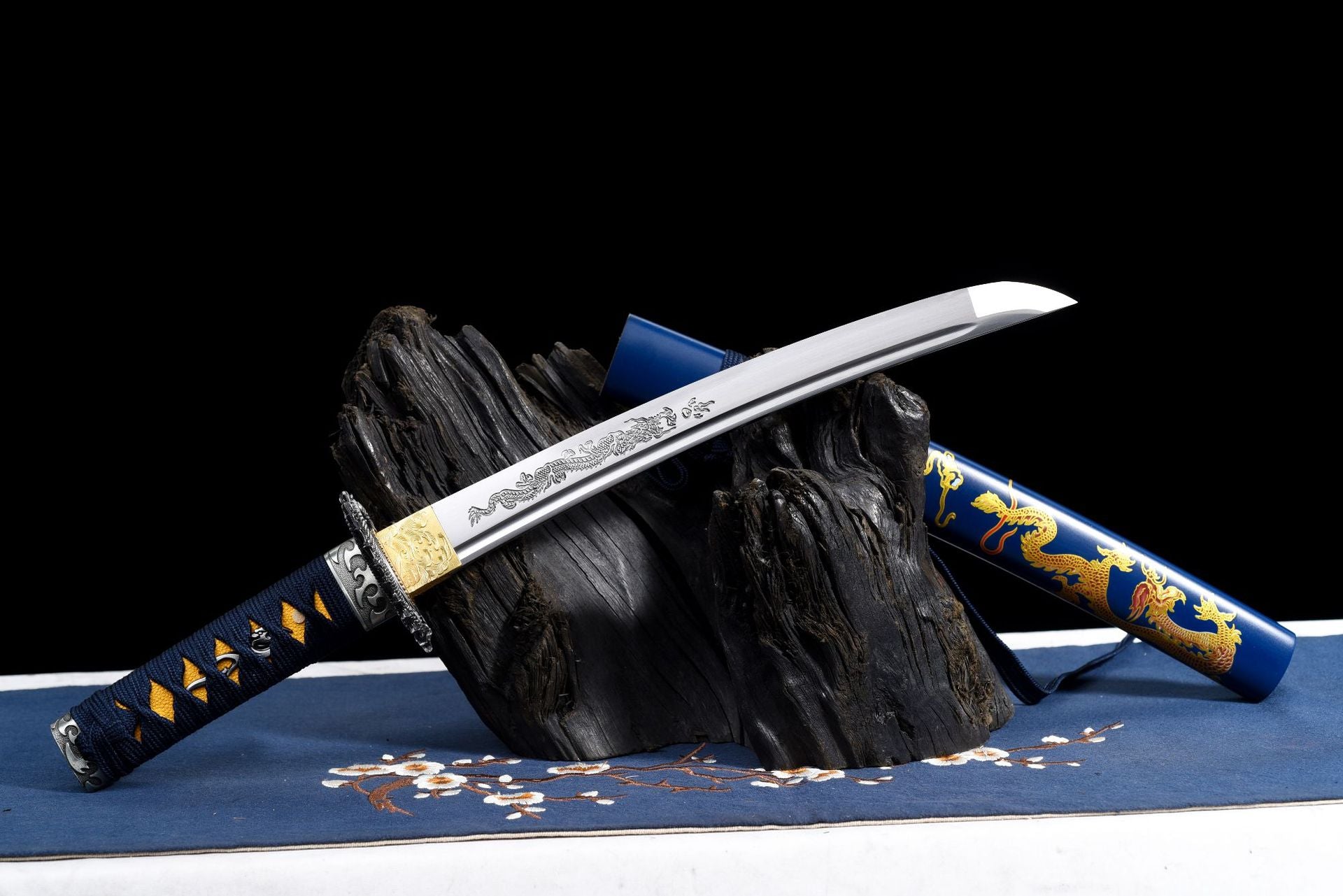
A wakizashi is the shorter of the two. Traditional wakizashi blades are generally around 30–60 cm, while katana are longer. Historically, the wakizashi was often worn together with a katana as part of the daishō. For a modern buyer, the main practical difference is proportion: a wakizashi has a more compact blade and mounting, so compare the exact blade length, tsuka length, and overall dimensions on each product page.
Traditional references generally place wakizashi blade length at about 30–60 cm. Modern reproductions can vary, so use that range as a historical reference rather than assuming every product has the same dimensions. Always check the listed blade length and overall length on the individual product page.
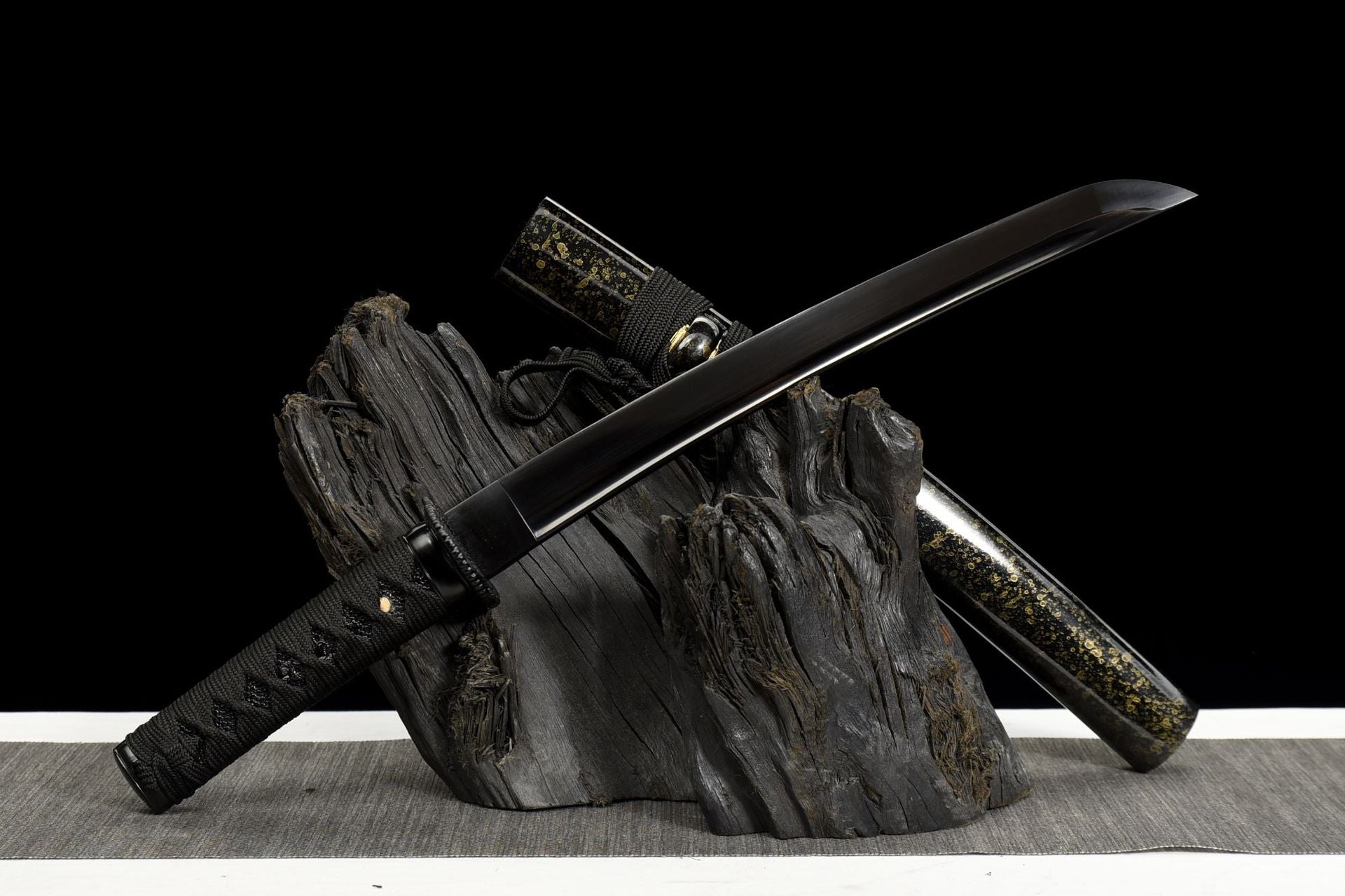
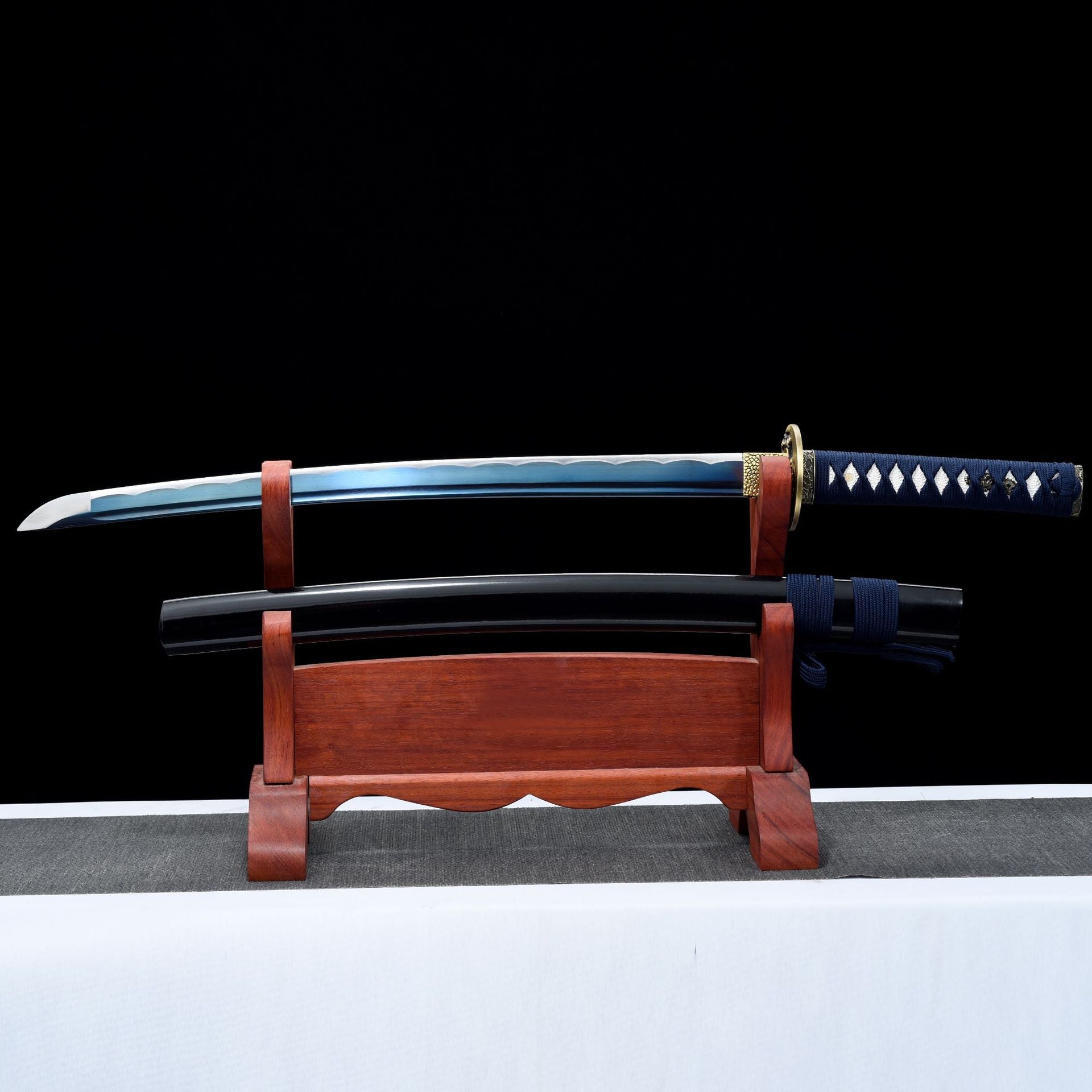
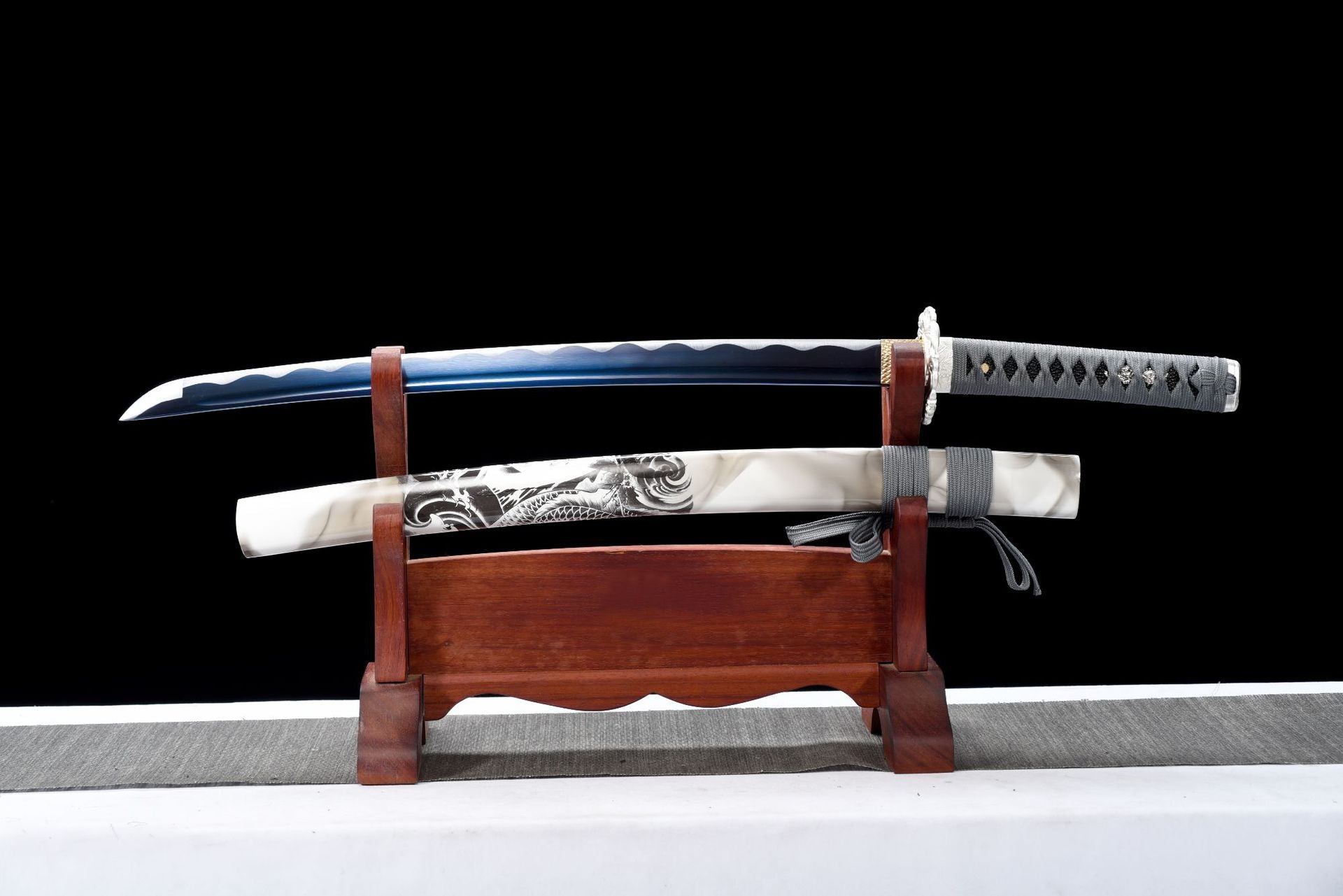
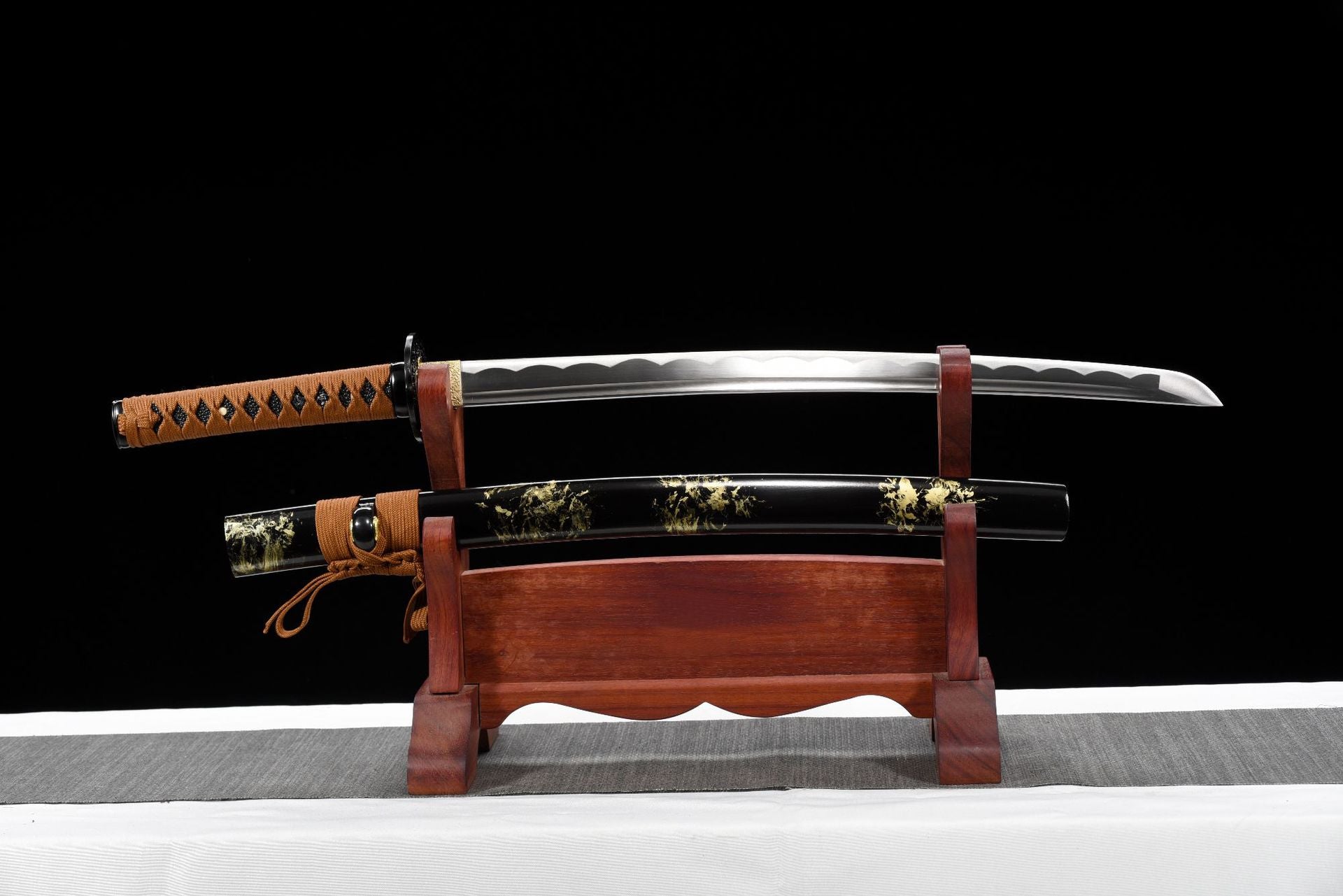
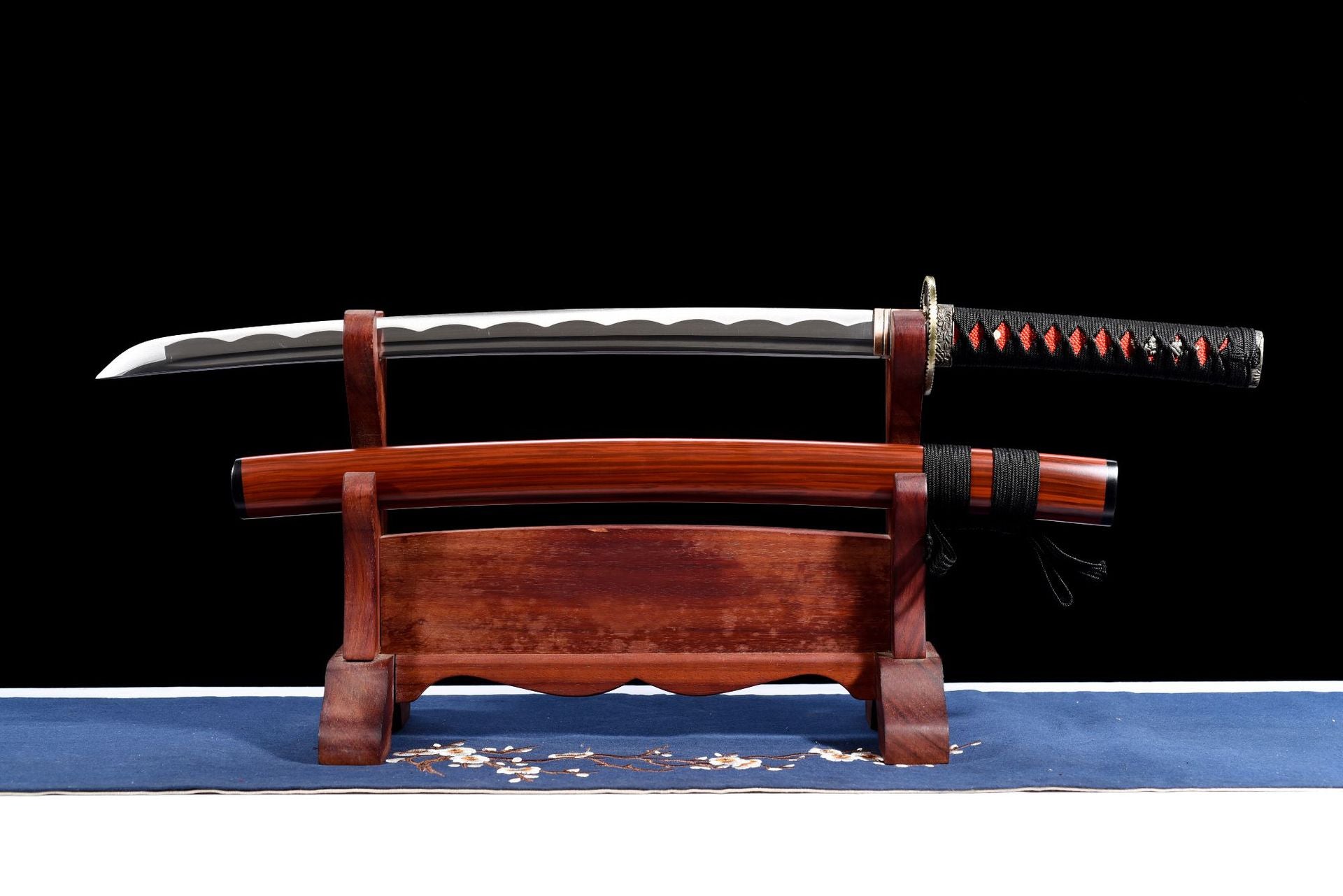
Yes. Historically, a wakizashi was commonly paired with a katana as part of a daishō. For a modern collection, the two do not need to match exactly. Similar saya colors, fittings, blade proportions, or mounting styles can make the pair feel more visually connected.
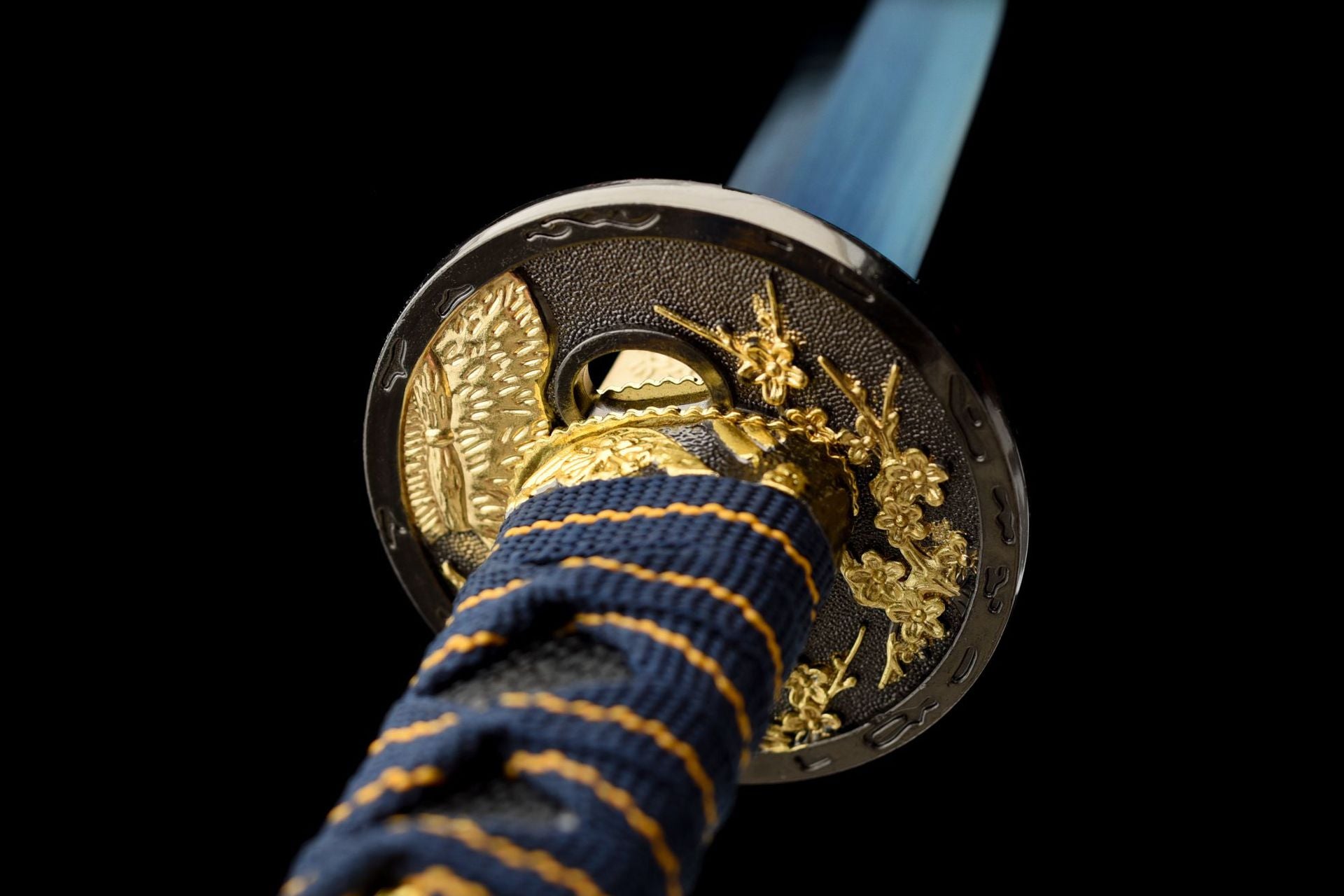
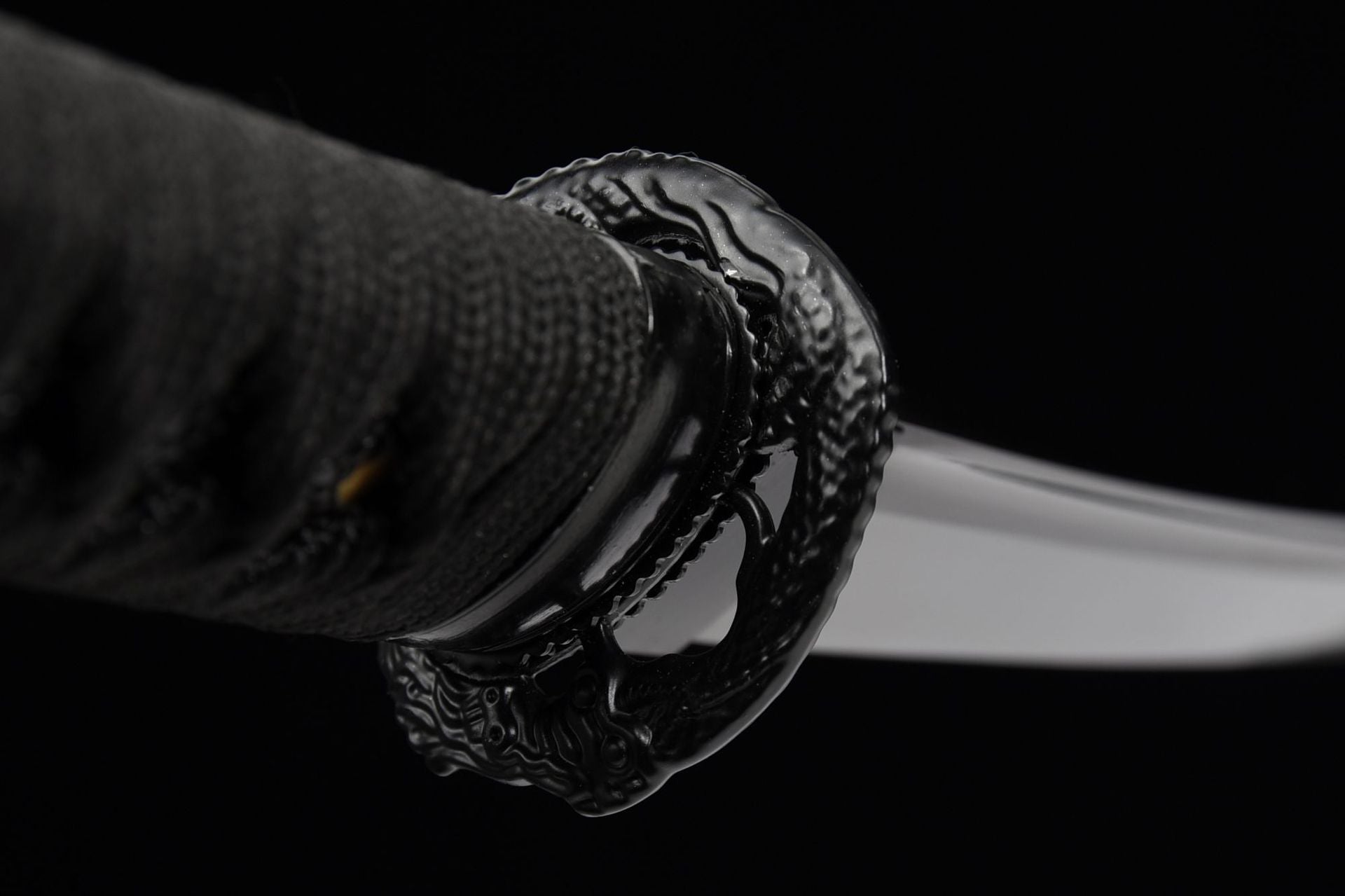
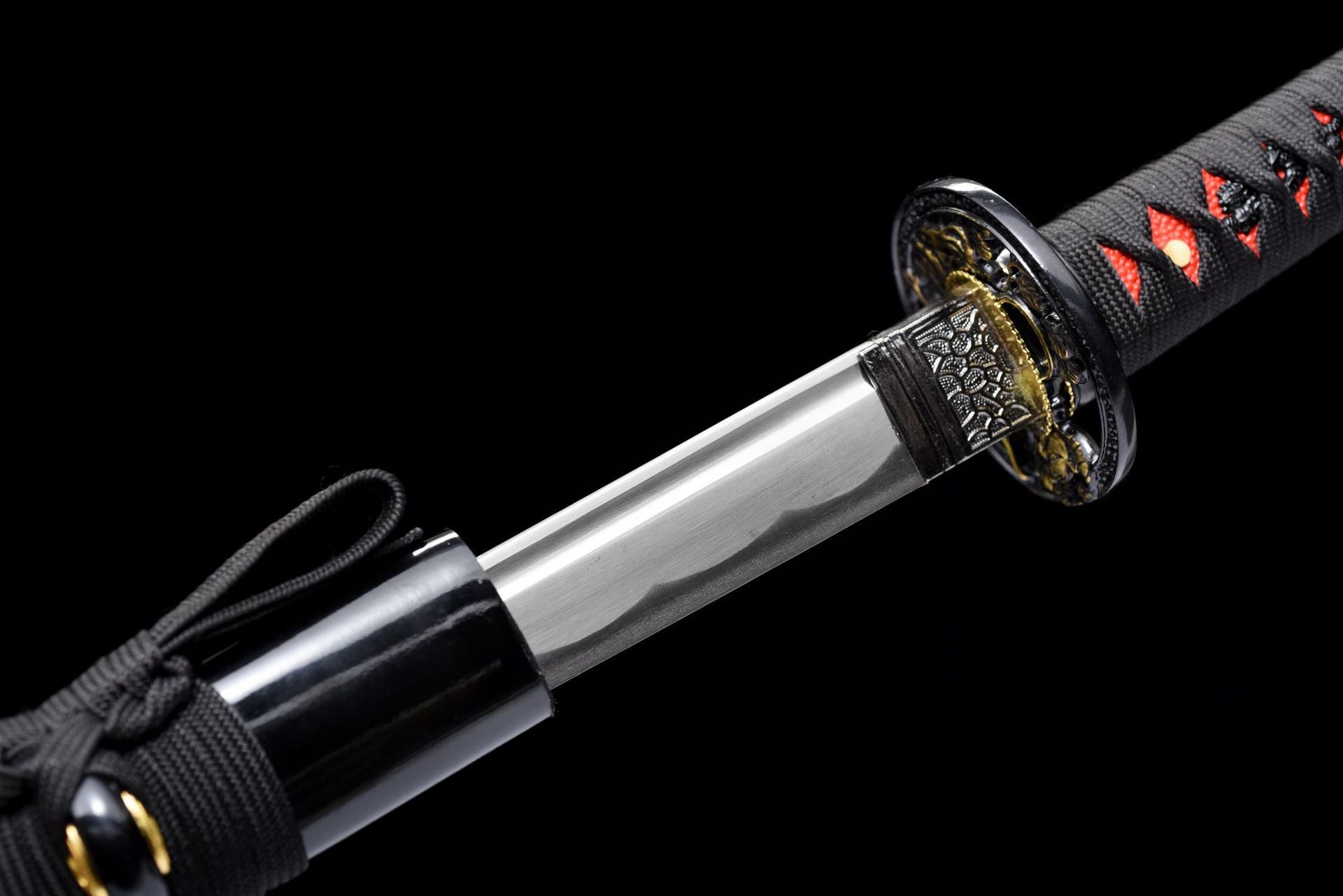
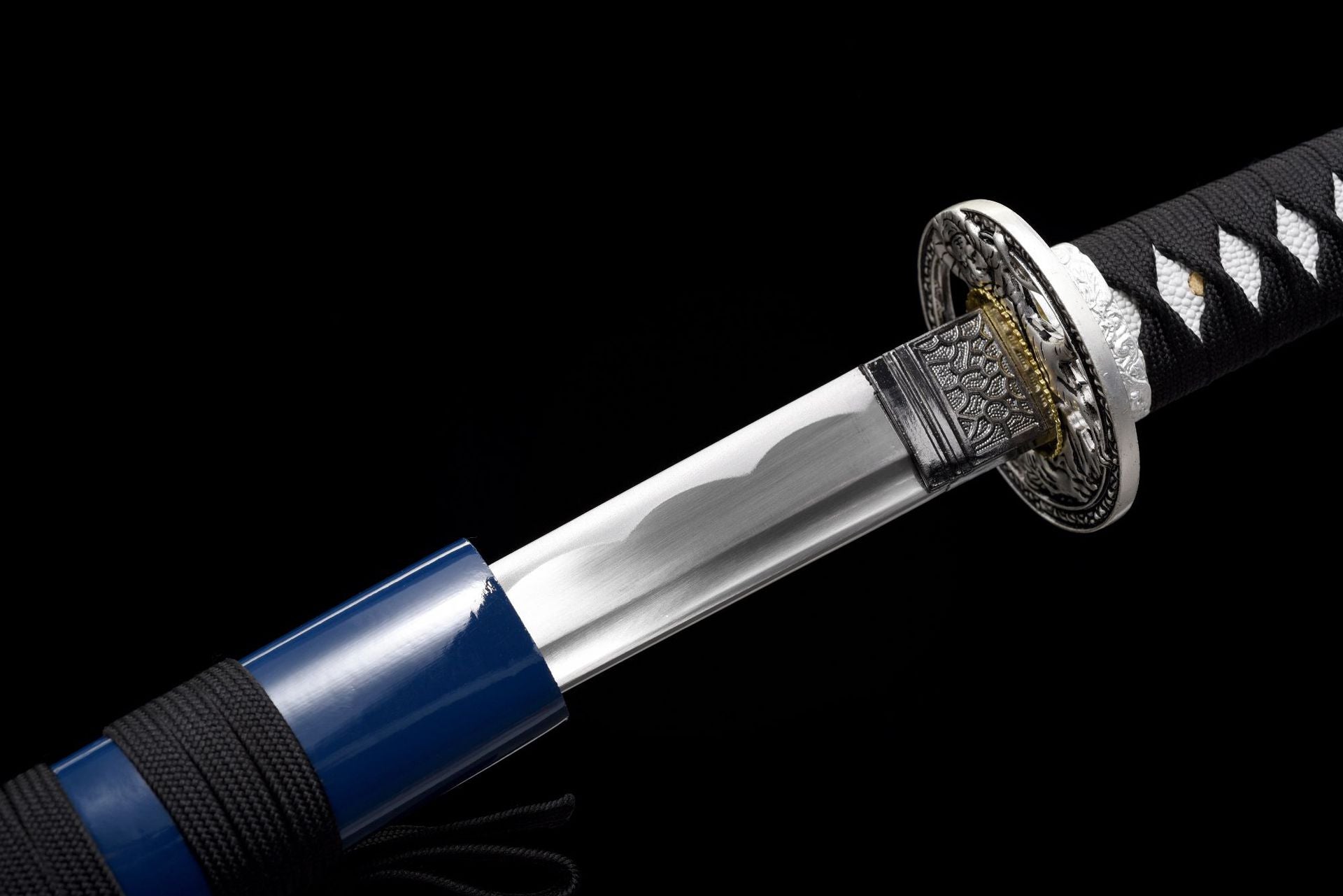
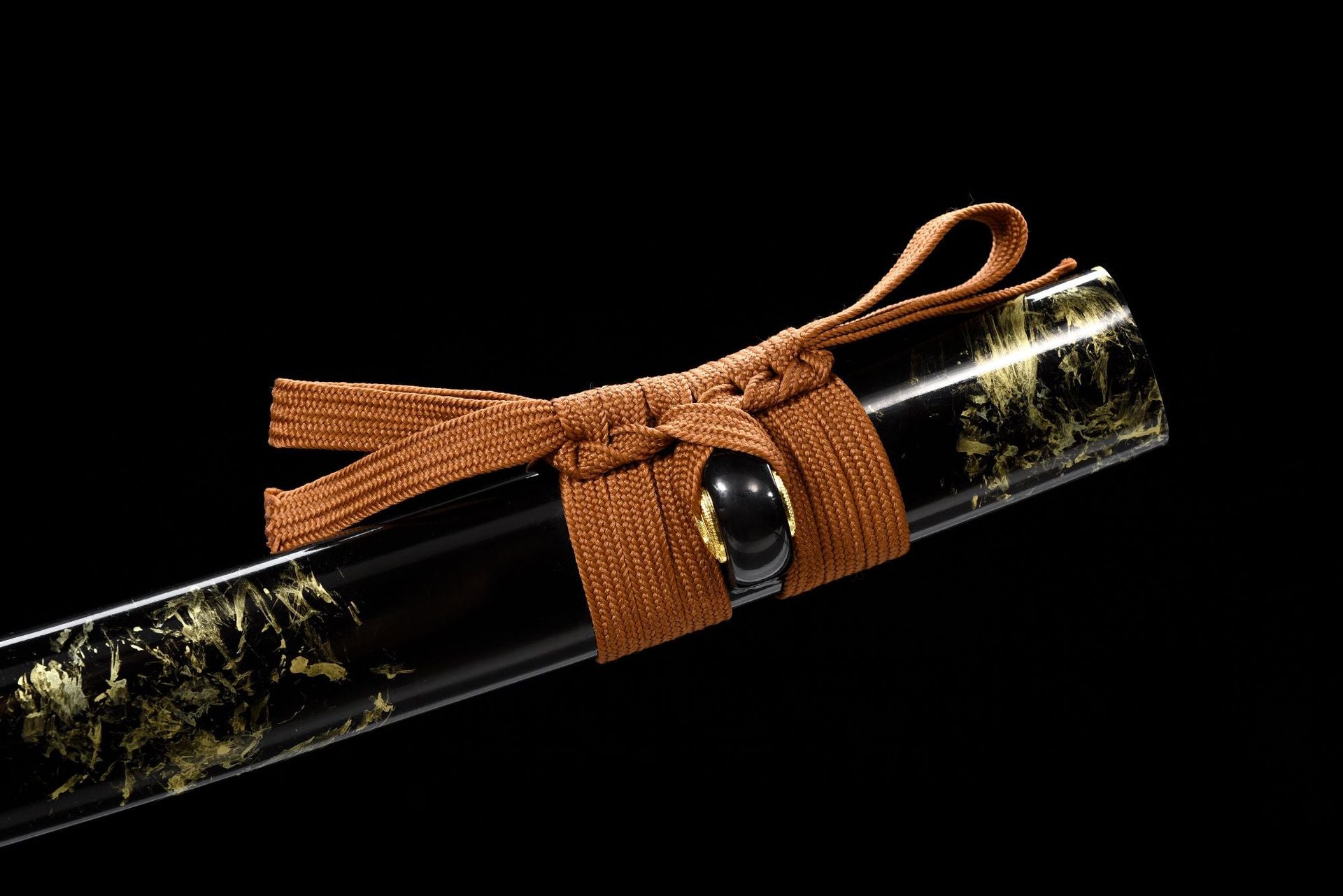
Start with blade length and overall proportion, then compare steel, heat treatment, tsuba, tsuka, saya, fittings, polish, and finish. If appearance matters most, look at how the blade and mounting work together as a whole rather than choosing only by steel name or price.
It can be, especially if you prefer the shorter proportions of a wakizashi. For a first purchase, focus on dimensions, construction, fittings, and overall finish rather than assuming one material or price range is automatically better.
Choose based on how you plan to own and display the sword, and on what is available for the specific model. An unsharpened option can be the more straightforward choice when your priority is display and handling convenience. If sharpness matters to you, confirm the exact option and specifications on the product page before ordering.