Skip to content

Cart

Your cart is empty

Continue shopping

Tachi

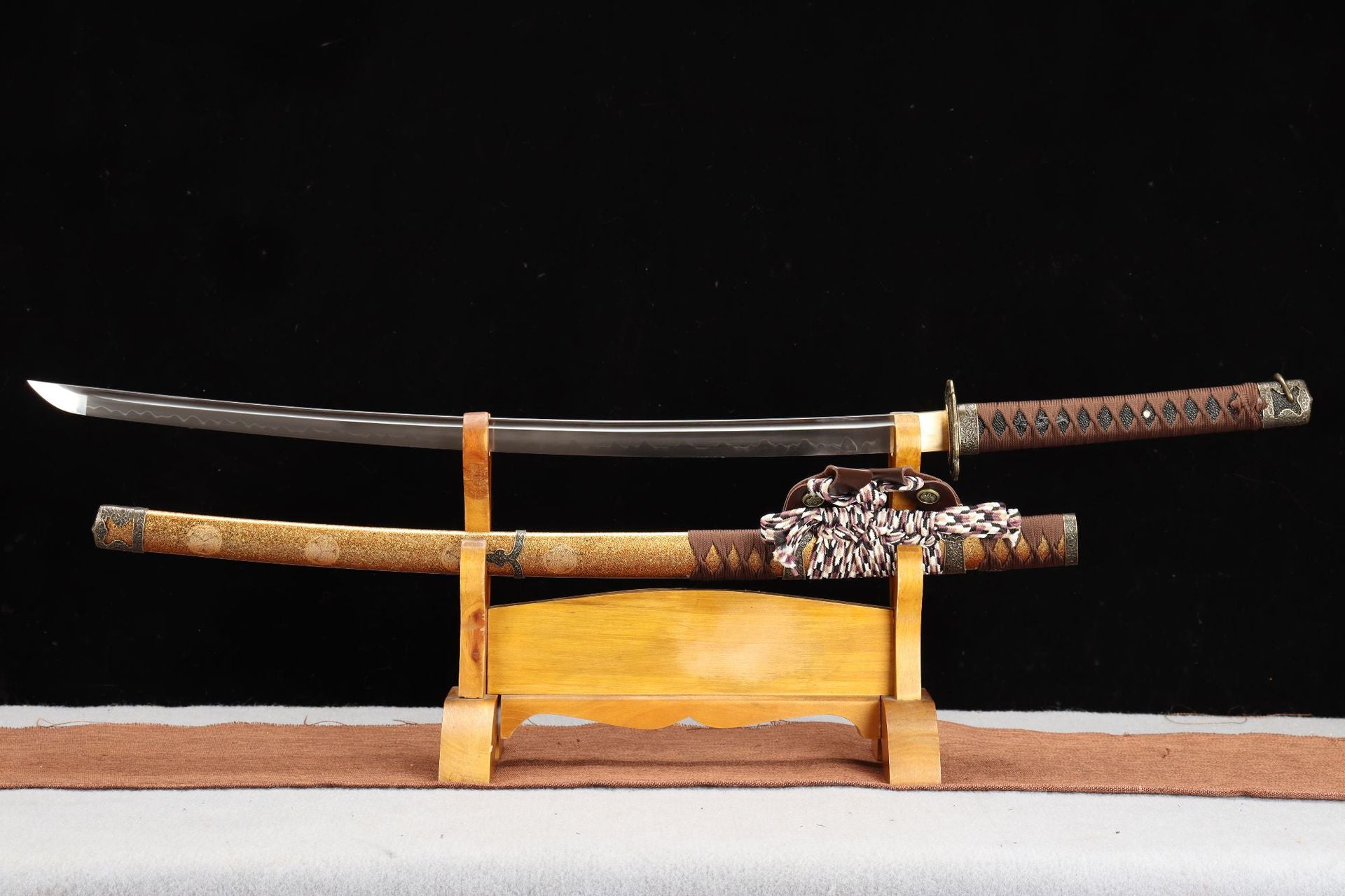
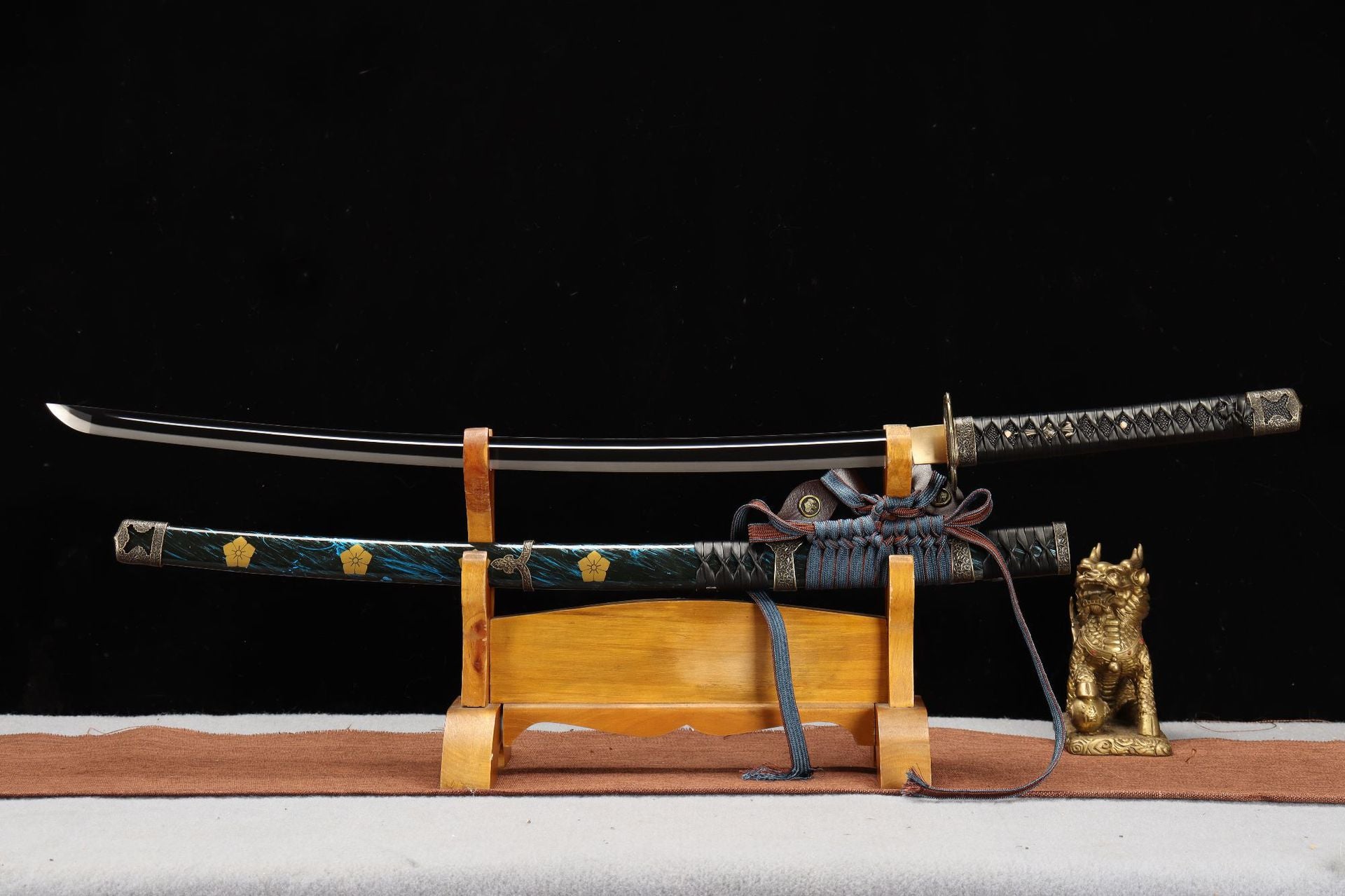
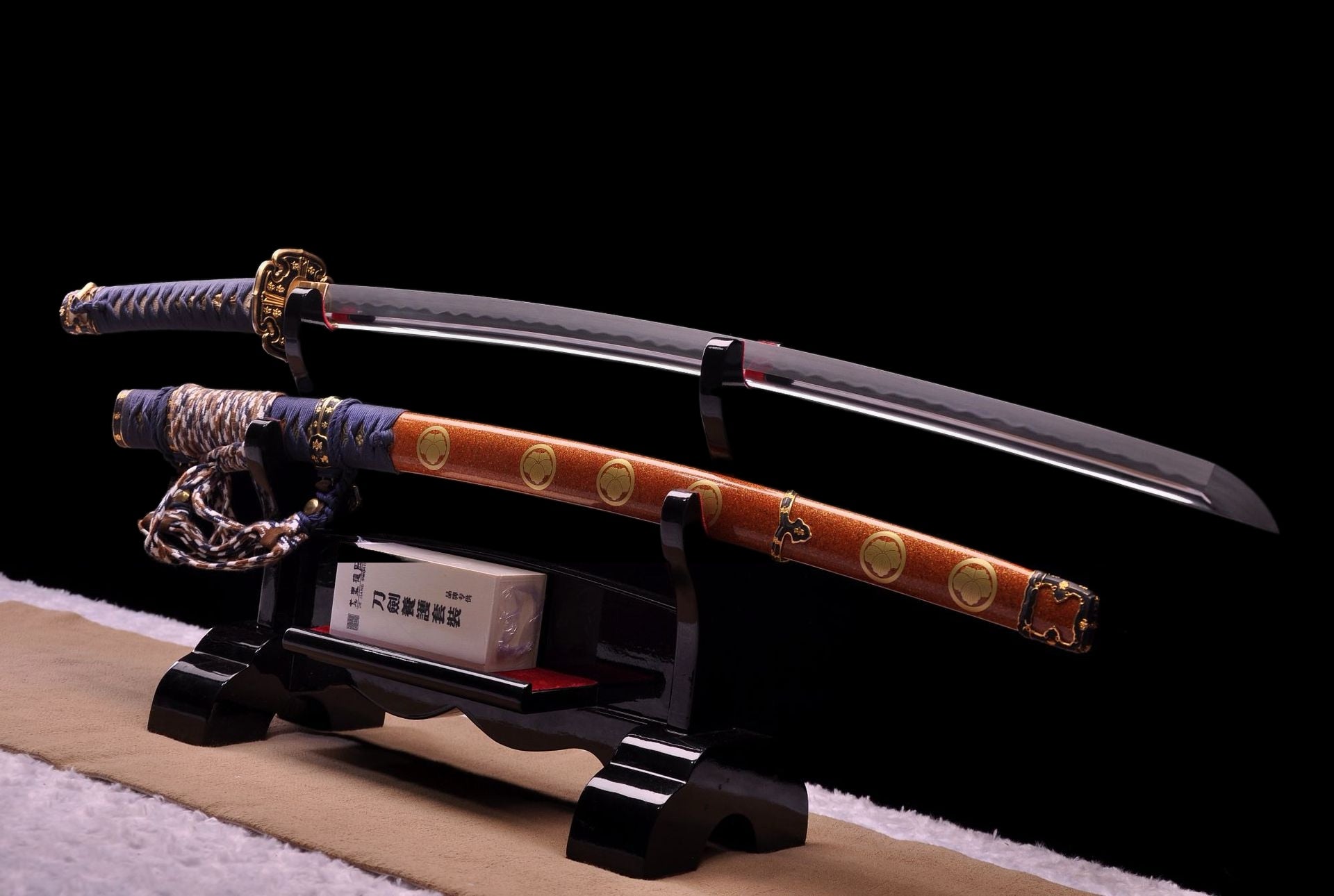
Explore our collection of tachi swords, a distinctive Japanese sword form known for its sweeping curvature, elongated profile, and traditional suspension-style mounting. Compared with the later katana, the tachi is closely associated with an earlier period of Japanese sword design and was traditionally worn edge-down.

If you are comparing modern tachi, look beyond length alone. Blade curvature, proportion, mounting style, fittings, saya, steel, heat treatment, and overall finish all shape how the sword looks and feels as a complete piece.

Quick Tachi Guide

What Is a Tachi?

A tachi is a traditional Japanese sword form that predates the widespread use of the katana. It is often recognized by its more pronounced curvature, elongated profile, and suspension-style mounting. Historically, the tachi was worn suspended from the belt with the cutting edge facing downward.

Modern reproductions vary in dimensions and construction, so the name alone does not tell you everything about a particular sword. Check the individual product page for blade length, curvature, weight, steel, heat treatment, and mounting details.

Tachi vs. Katana

The difference between a tachi and a katana is not simply blade length. Traditional tachi were generally worn edge-down from suspension fittings, while katana later became associated with edge-up wear through the sash. Tachi also tend to be associated with a more sweeping curvature and a different overall silhouette.

For modern buyers, the easiest way to compare them is to look at the complete proportions of the sword: blade shape, curvature, tsuka length, saya, fittings, and mounting style. If you prefer the more compact, familiar profile of a katana, compare our Katana collection as well.

Curvature and Blade Proportion

Curvature is one of the most noticeable features of a tachi, but more curvature does not automatically make a sword more historically accurate or more refined. The position and shape of the curve, together with blade length and width, change the overall silhouette.

When comparing modern tachi, look at blade length, sori where listed, tsuka length, and the relationship between the blade and mounting. Small differences in proportion can make two swords with similar specifications look very different.

How a Tachi Was Traditionally Worn

One of the clearest historical distinctions is the way the sword was mounted and worn. A tachi was traditionally suspended from the belt with the cutting edge facing downward, rather than carried edge-up through the sash in the way later katana are commonly associated with.

That difference influenced more than orientation alone. Suspension fittings, saya decoration, and the overall mounting style became important parts of the tachi's visual identity.

Choosing the Right Tachi

Start with the overall silhouette rather than one specification. Decide whether you are drawn most to curvature, a longer profile, a particular mounting style, or the fittings and finish.

Then compare the practical details on the product page: blade length, steel, heat treatment, tsuka, tsuba, saya, fittings, polish, weight, and overall construction. A higher price may reflect more involved materials, polishing, fittings, or craftsmanship, but price alone should not decide which sword suits you best.

Look at the Mounting as a Whole

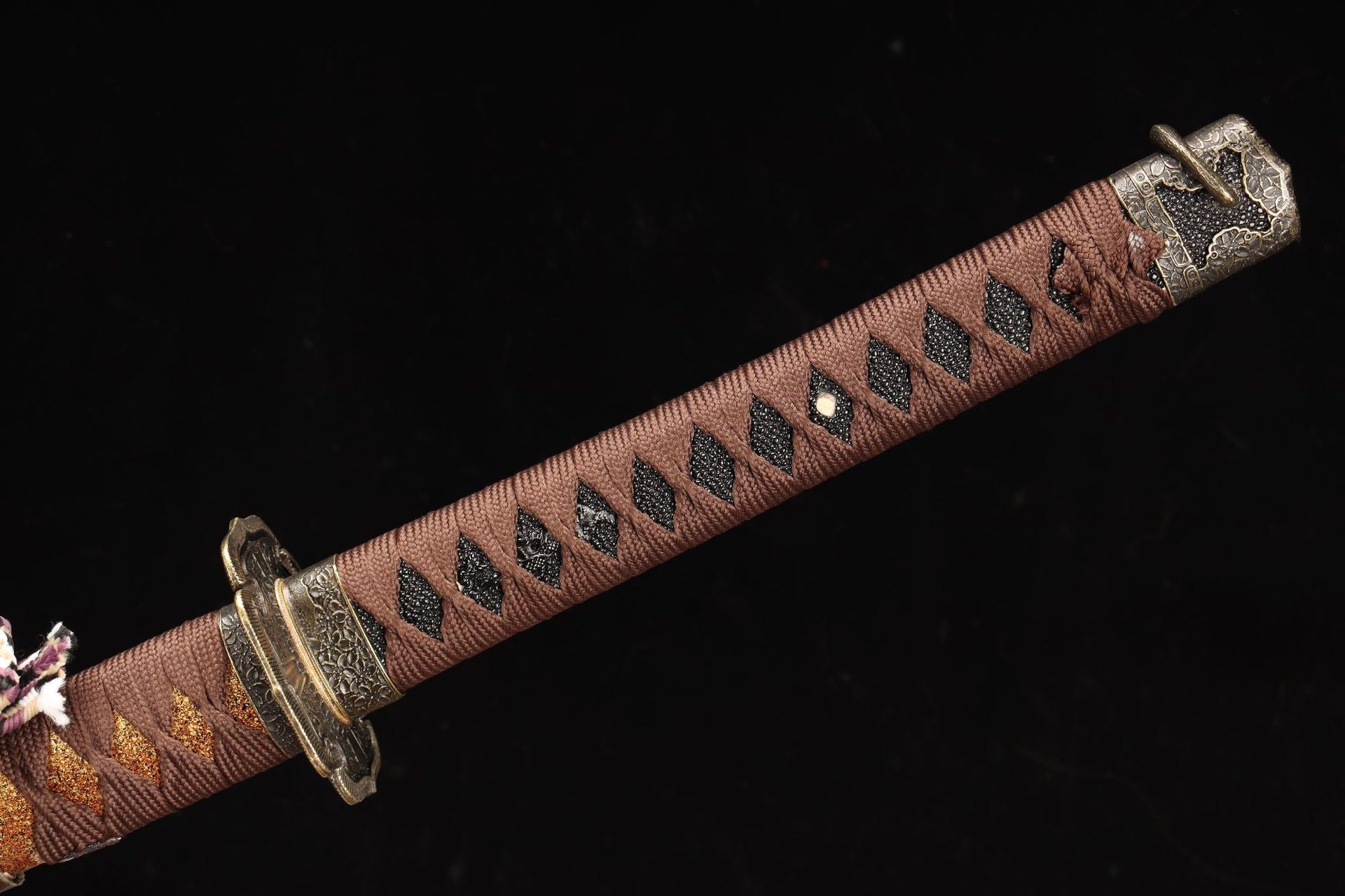
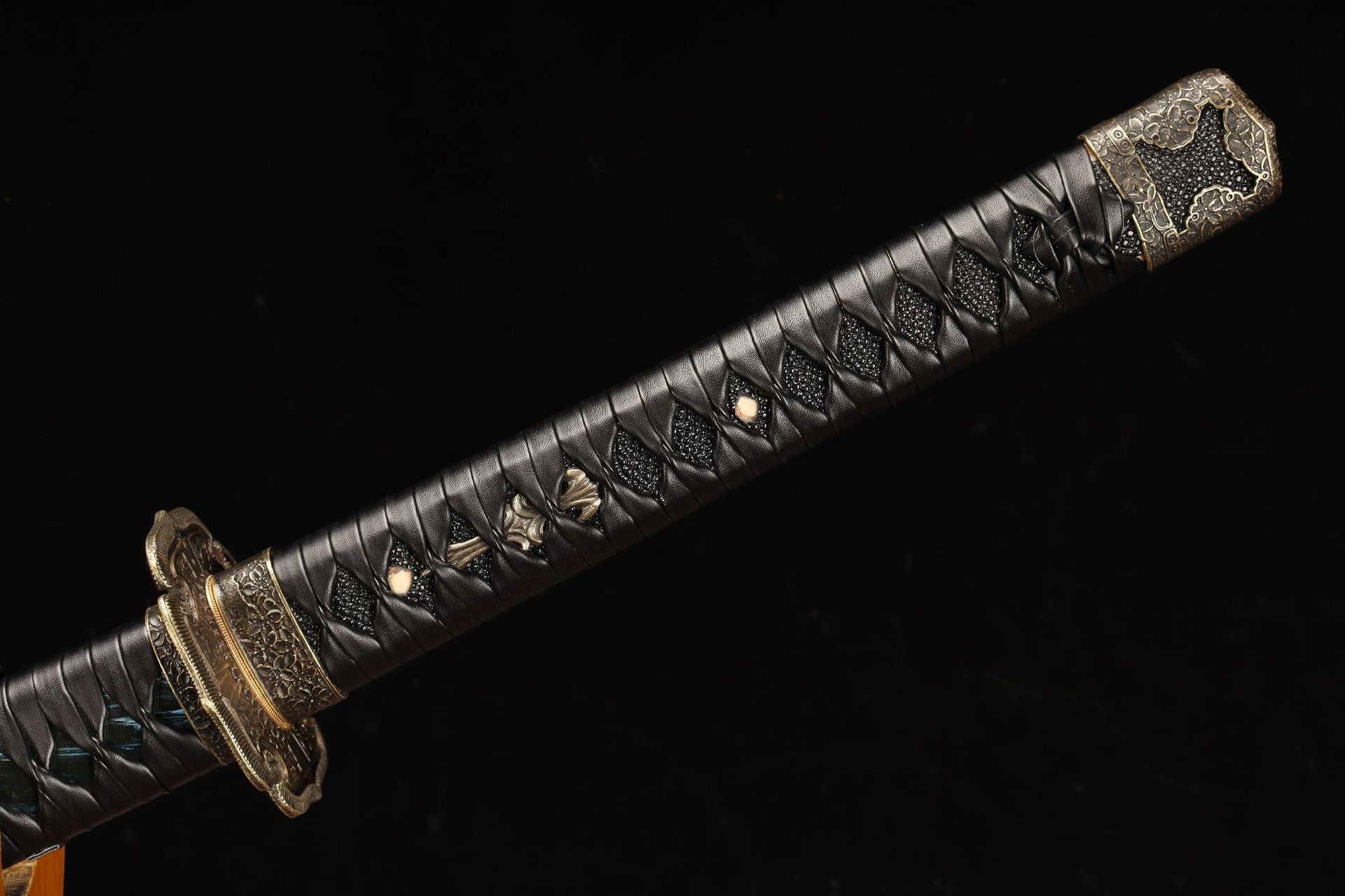
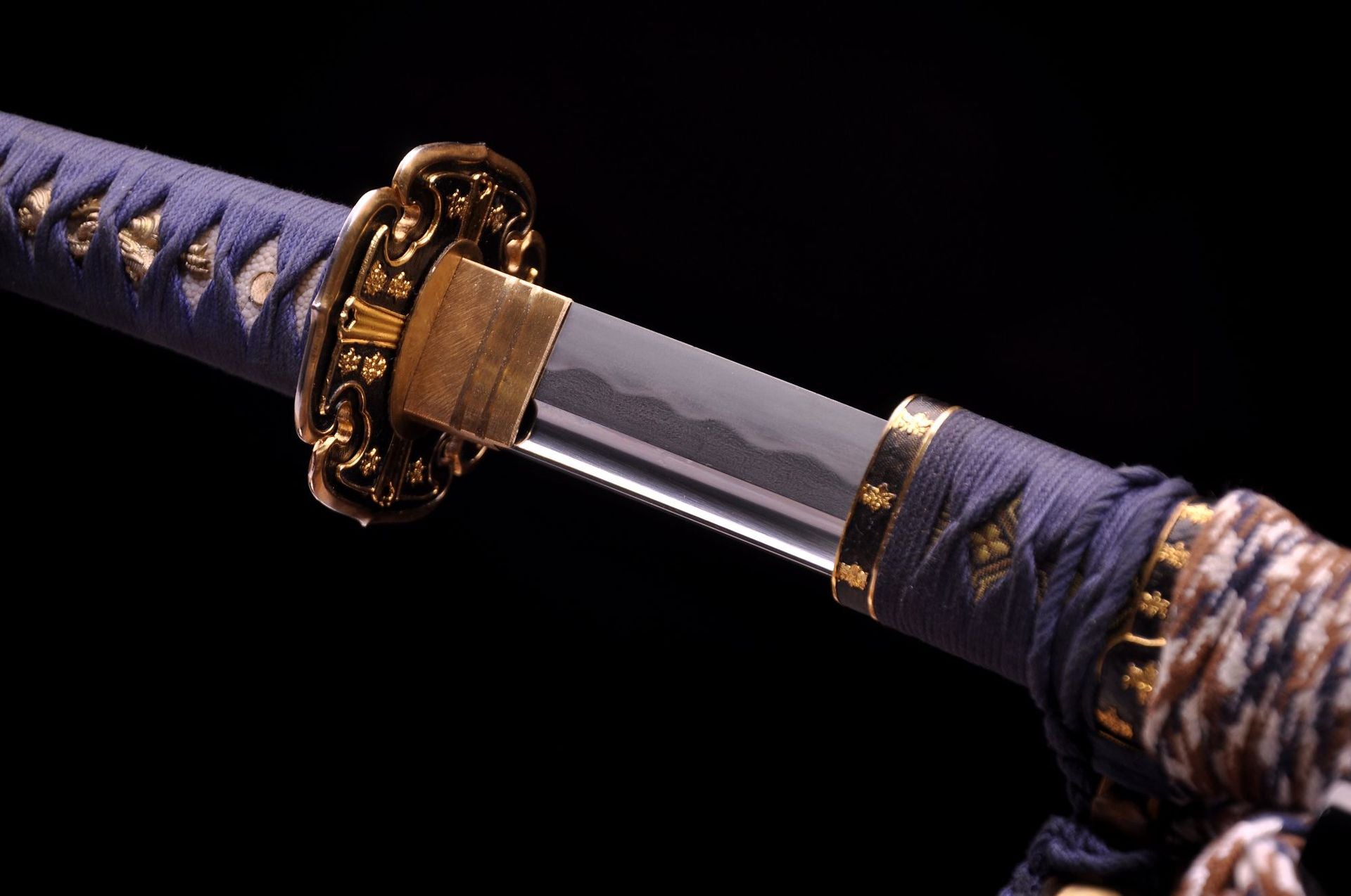
With a tachi, the mounting is a major part of the design. Look at the saya, suspension fittings, tsuba, tsuka, wrapping, metal fittings, polish, and proportions as one complete composition rather than judging the sword by blade steel alone.

Some tachi have restrained mountings, while others use more elaborate fittings and decorative details. Neither approach is automatically better; the important question is whether the blade and mounting feel visually coherent as a whole.

Frequently Asked Questions

What is the difference between a tachi and a katana?

A tachi is traditionally associated with an earlier style of Japanese sword mounting and was commonly worn suspended with the cutting edge facing downward. A katana is more closely associated with edge-up wear through the sash. Tachi also tend to be associated with a more sweeping curvature and elongated silhouette, although modern reproductions vary.

Why are tachi more curved?

Many tachi developed for mounted warriors, and their deeper curvature suited that style of use. The exact curve varies by period and sword, so it is not a fixed rule.

How was a tachi traditionally worn?

A tachi was traditionally suspended from the belt with the cutting edge facing downward. This is one of the clearest differences from the later katana mounting style, which is commonly associated with edge-up wear through the sash.

What should I compare when choosing a tachi?

Start with the overall silhouette, then compare blade length, curvature, steel, heat treatment, tsuka, tsuba, saya, suspension fittings, polish, weight, and finish. If one detail matters most to you, use the individual product specifications to compare models rather than relying on the name or price alone.

Is a tachi longer than a katana?

Often, but not always. Historical tachi are commonly associated with longer, more sweeping proportions, but modern tachi and katana can overlap in blade length. The better comparison is the complete profile: blade length, curvature, tsuka length, mounting, and overall proportions.

Is a more expensive tachi always better?

No. A higher price can reflect more involved polishing, fittings, materials, decorative work, or craftsmanship, but that does not automatically make it the right choice for every buyer. Compare the details that matter to you and check the specifications on the individual product page.