Skip to content

Cart

Your cart is empty

Continue shopping

Carbon Steel Katana

Explore our collection of carbon steel katana, featuring blades made from one of the most widely used material categories in modern sword production. Carbon steel is valued for its suitability for heat treatment and its traditional blade character, while still requiring proper care to keep the surface in good condition.

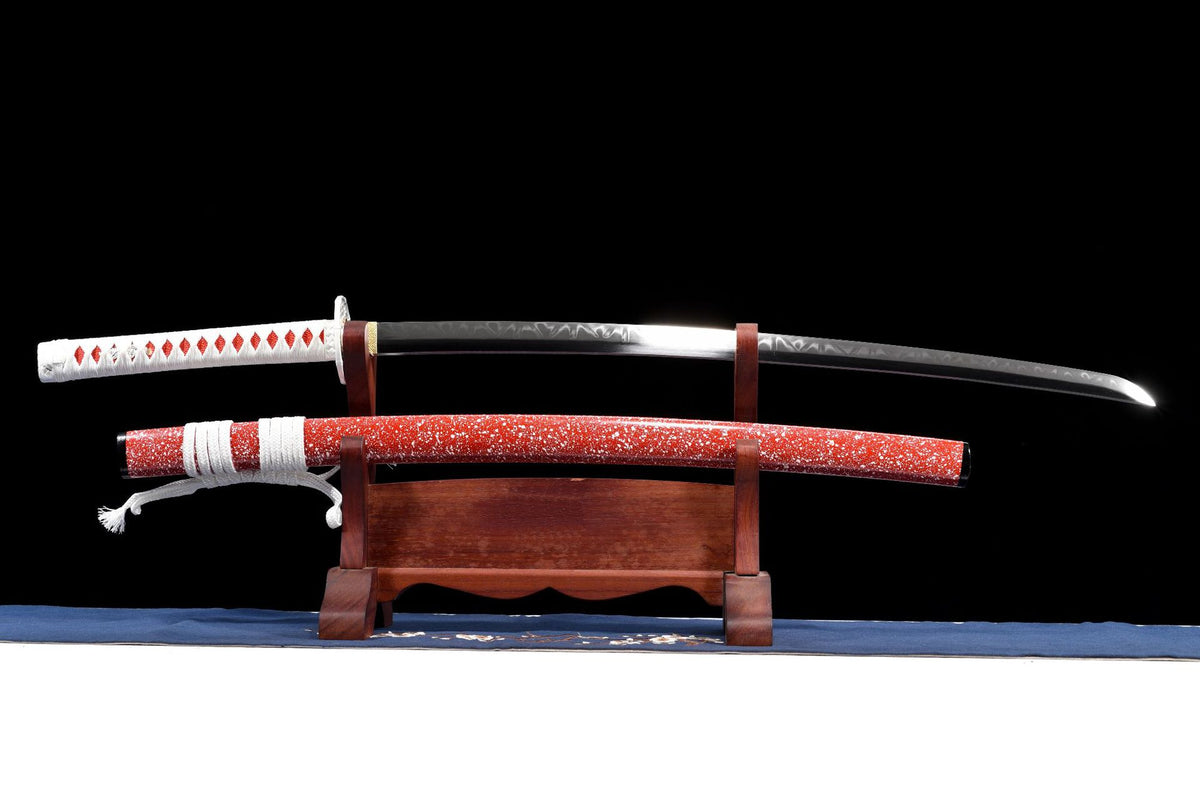
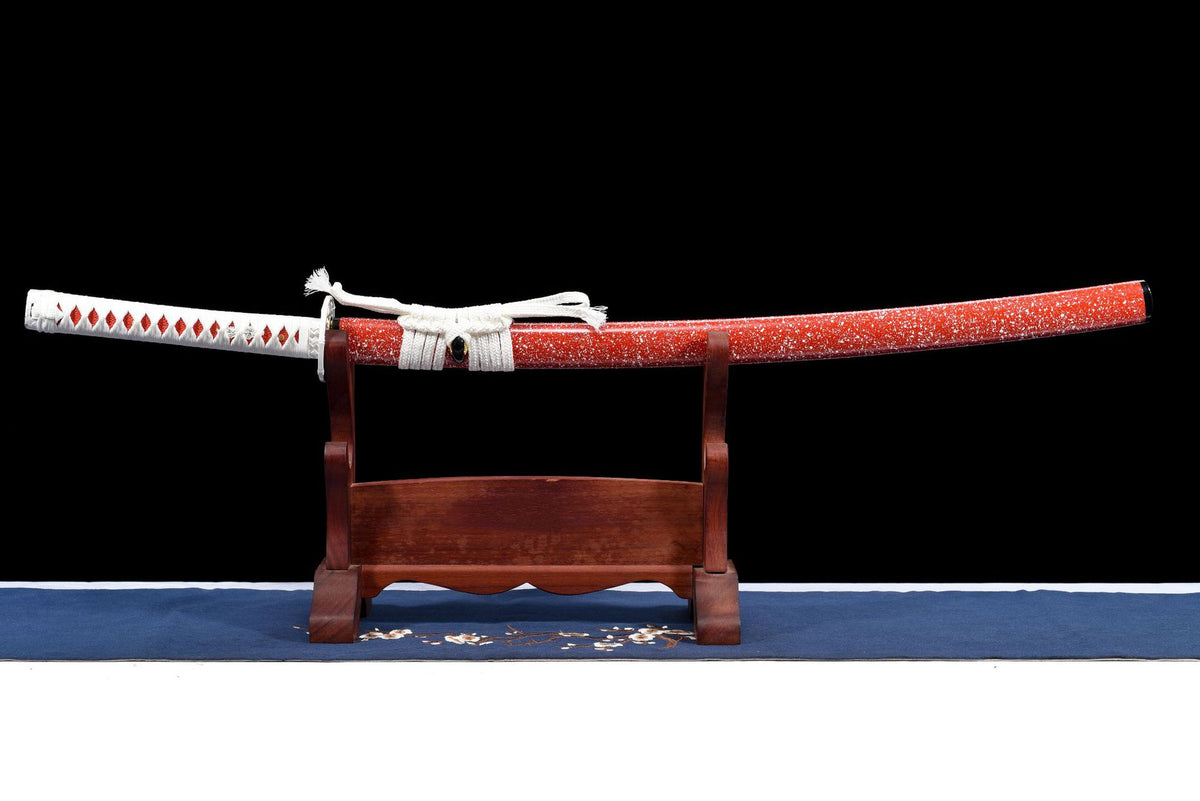
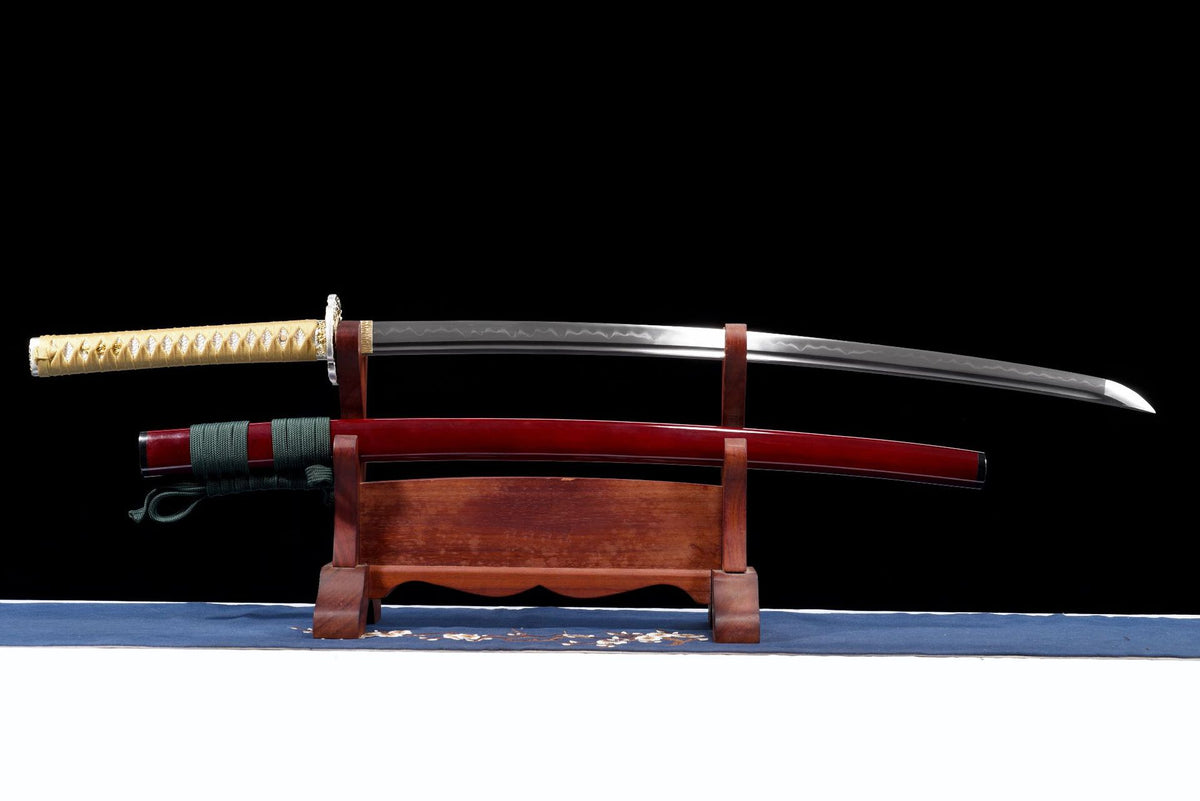
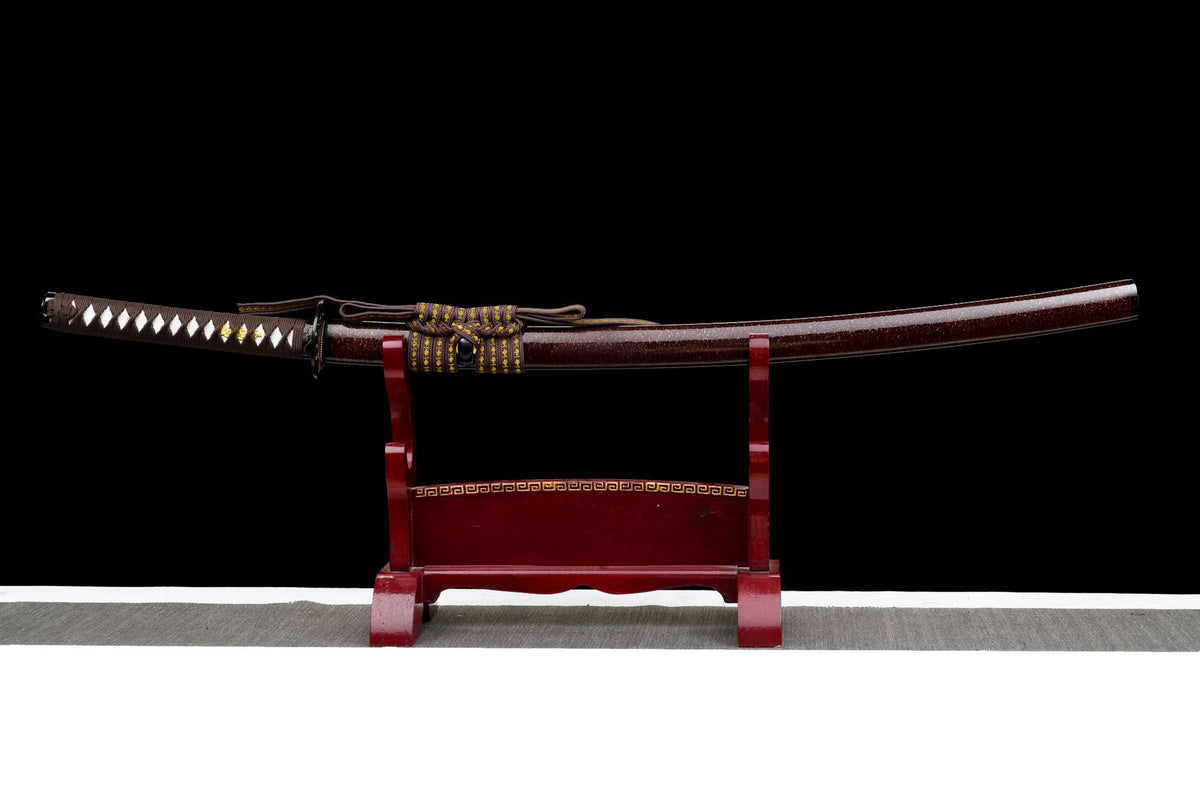
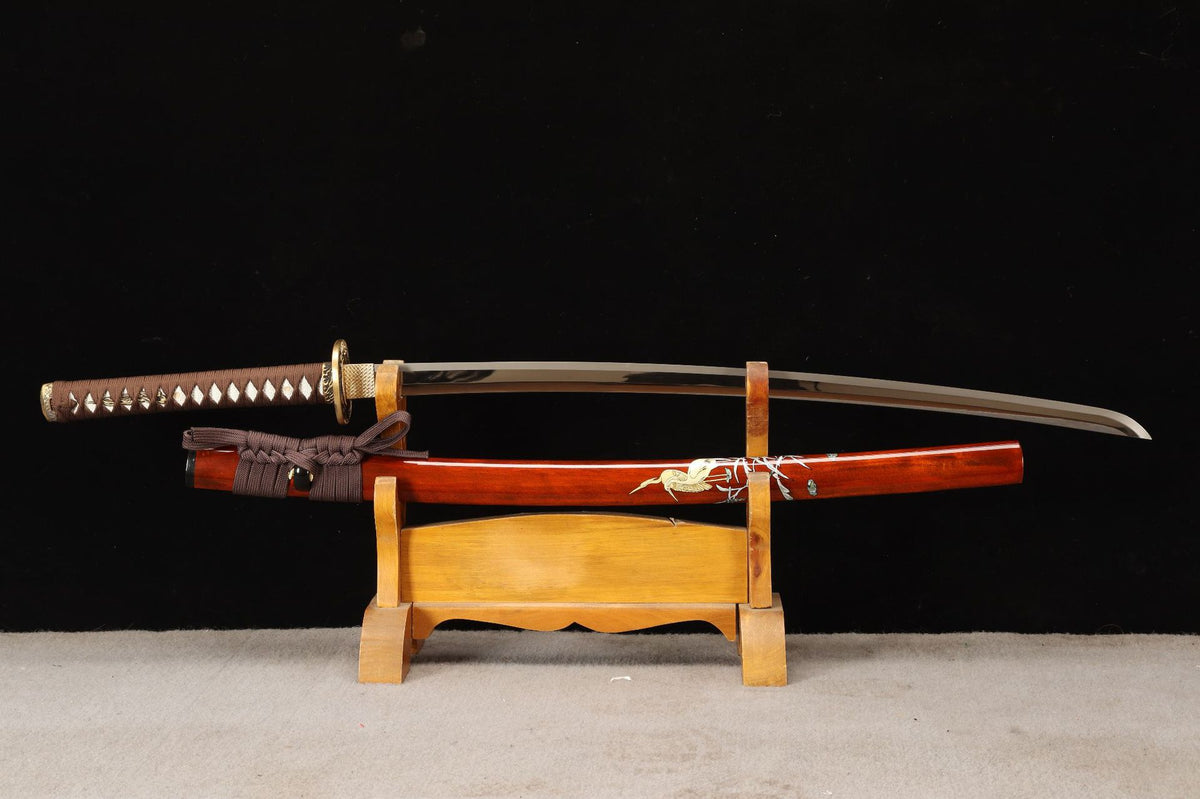
Red Speckle Katana and red speckled saya shown on a wooden display stand
Sale price$279.00
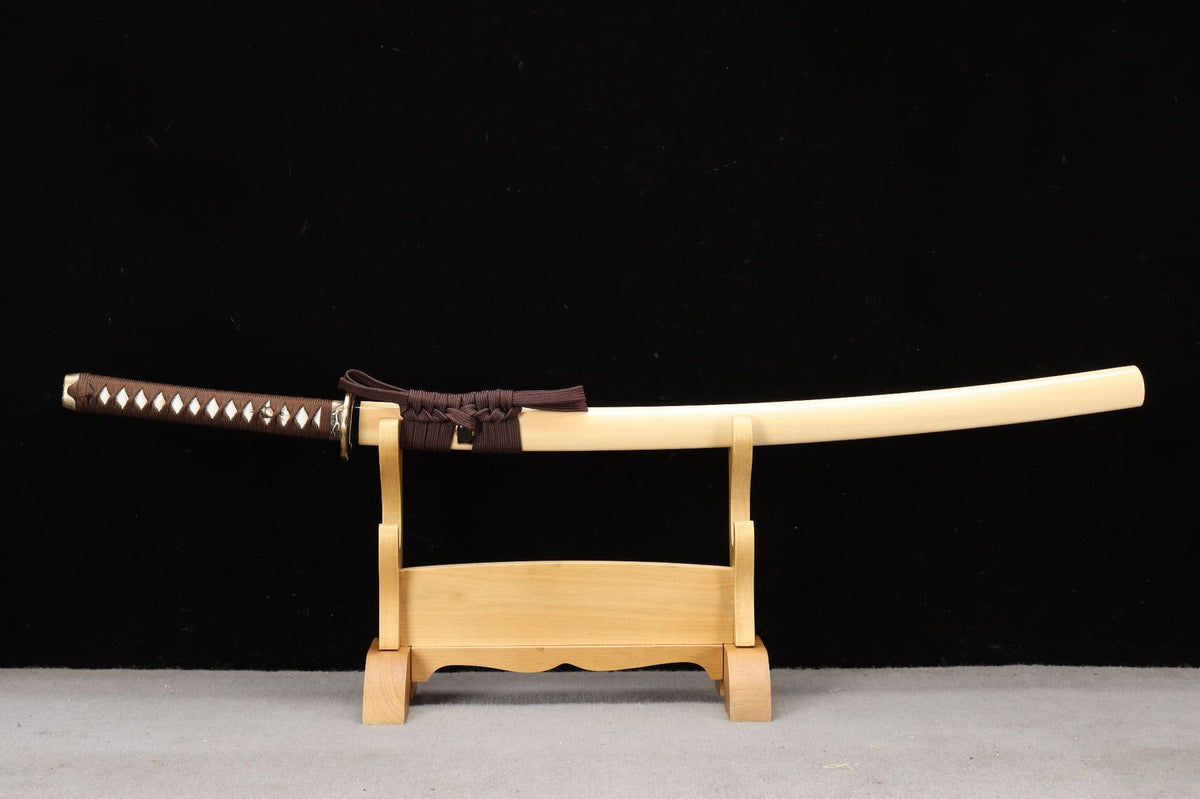
White Smoke Katana
Sale price$279.00
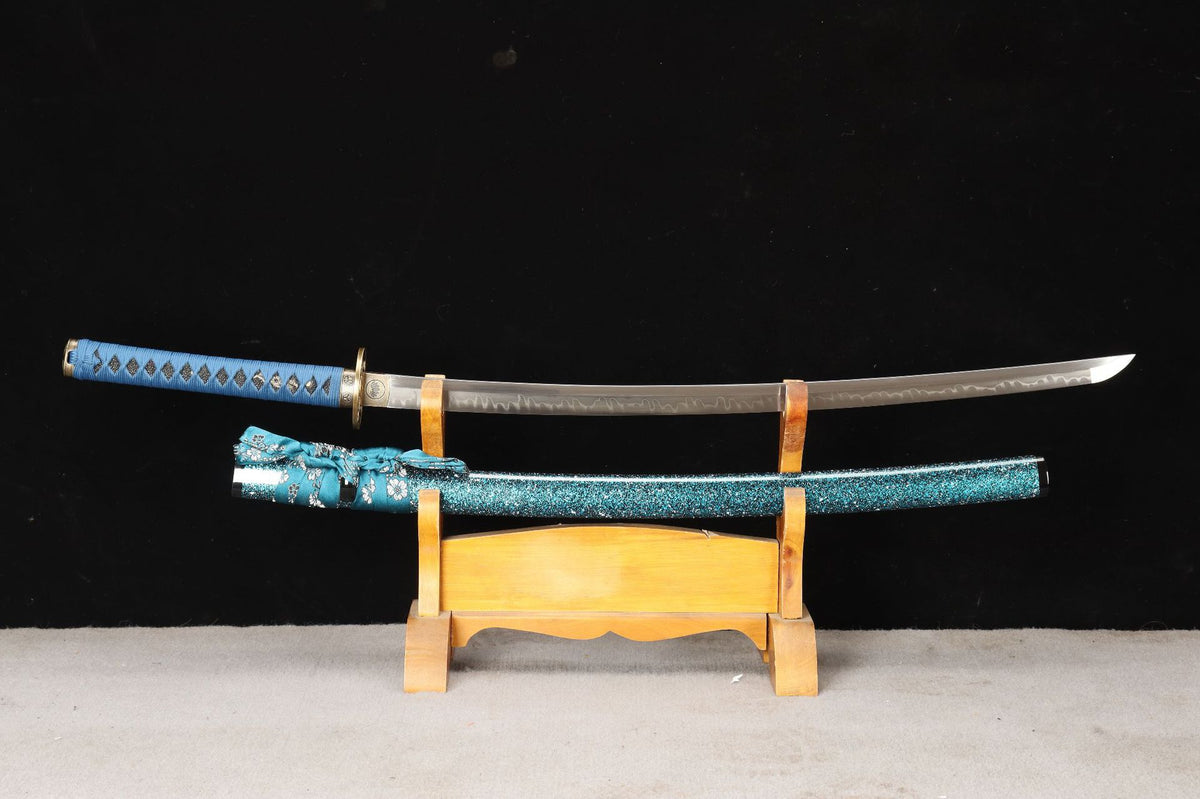
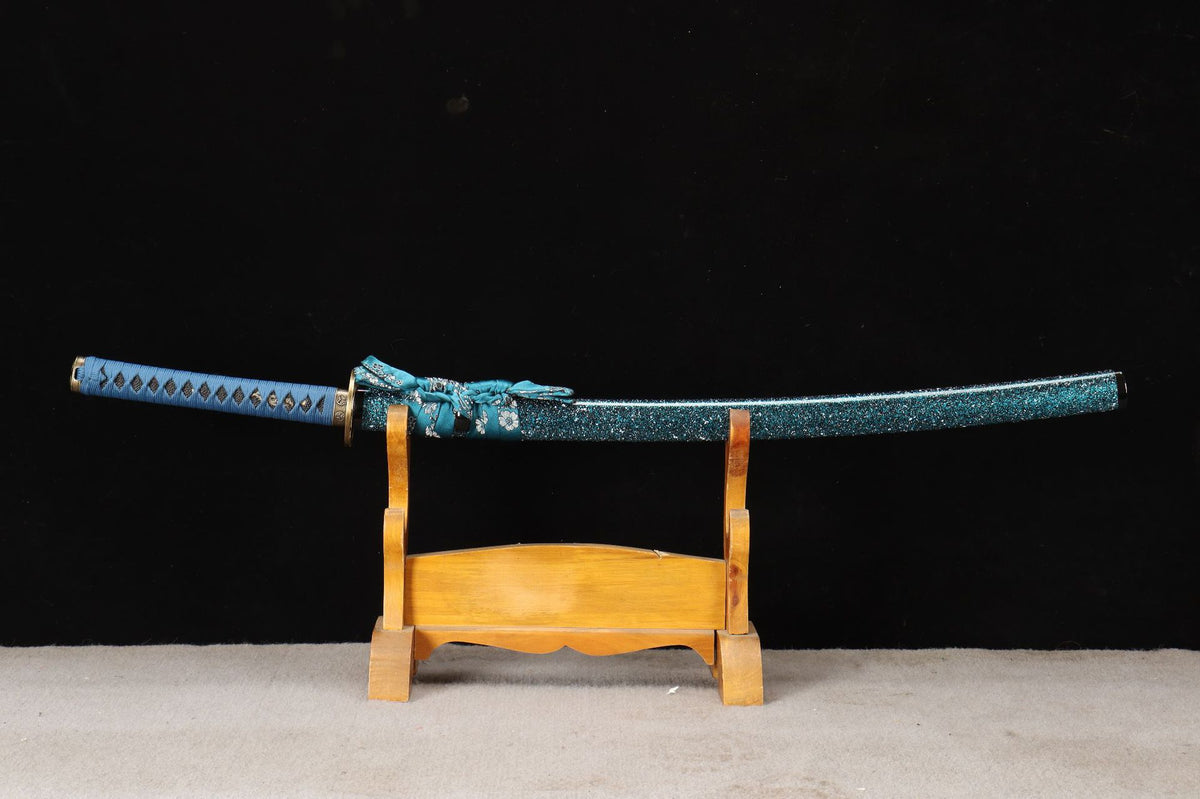
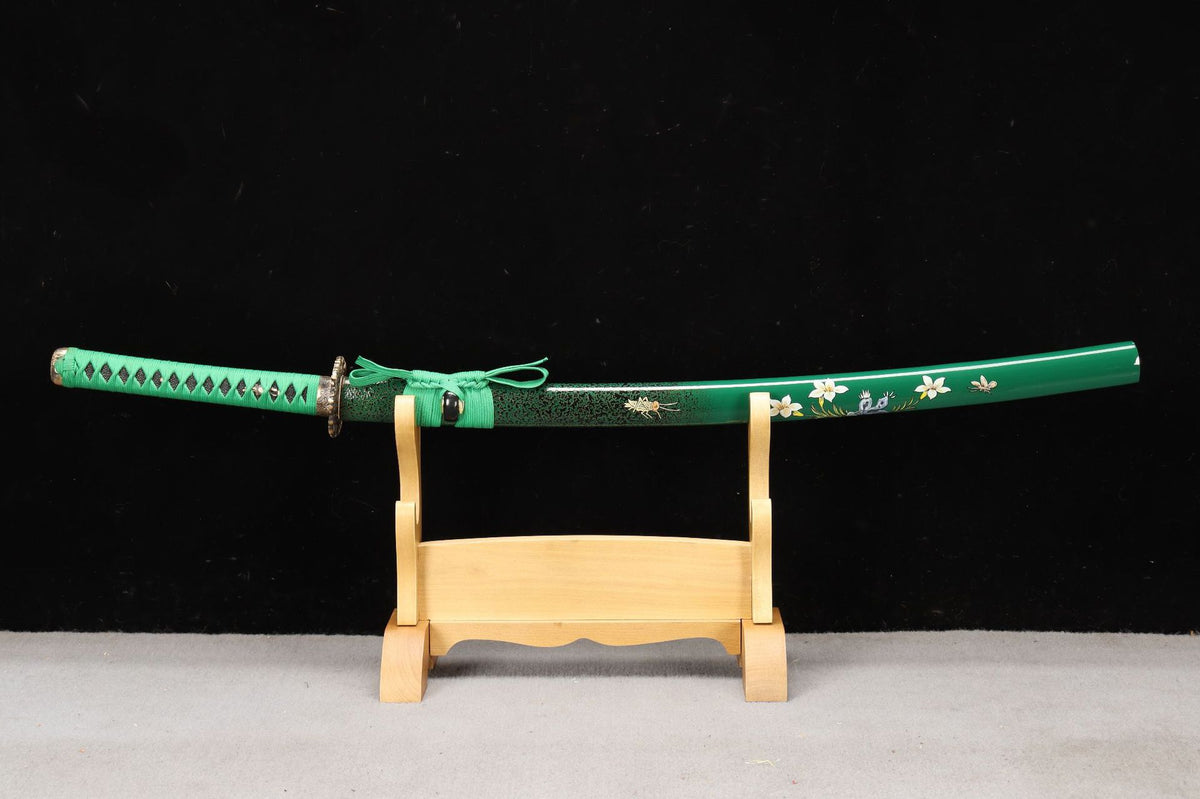
Jade Tide Katana
Sale price$279.00
Red Crest Katana
Sale price$279.00
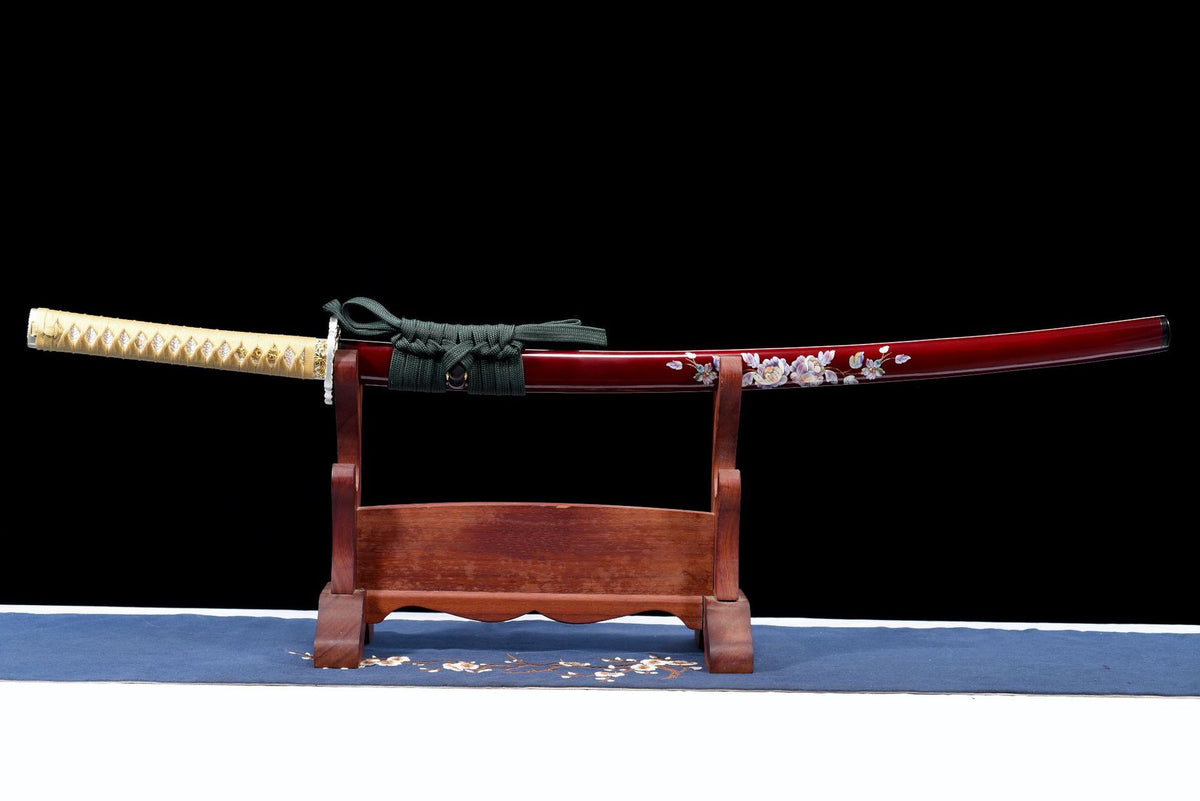
Crimson Petal Katana
Sale price$279.00
The Storm of Clan Sakai Katana - Ghost of Tsushima Jin's Sword
Silver Current Katana
Sale price$299.00
Ember Veil Katana
Sale price$299.00
Raven Gate Katana
Sale price$299.00
The Walking Dead Katana
Sale price$299.00
Crimson Wave Katana
Sale price$299.00
Indigo Rain Katana
Sale price$299.00
Ivory Dawn Katana
Sale price$319.00
Jade Blossom Katana
Sale price$319.00
Verdant Moon Katana
Sale price$319.00
Green Willow Katana
Sale price$319.00
Cedar Night Katana
Sale price$319.00
Autumn Gold Katana
Sale price$319.00
Straight Line Katana
Sale price$319.00
Winter Reed Katana
Sale price$319.00
Umber Moon Katana
Sale price$319.00
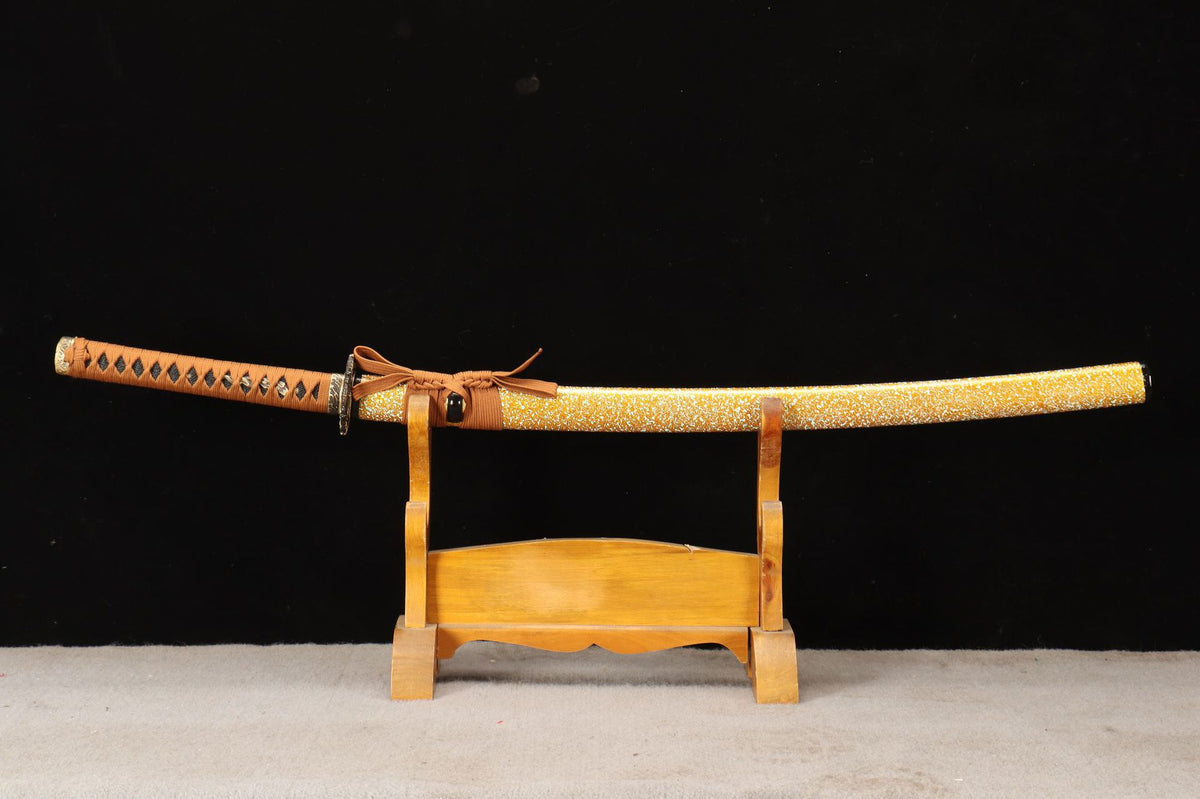
Saffron Katana
Sale price$319.00
Indigo Veil Katana
Sale price$319.00
Red Lantern Katana
Sale price$319.00

Quick Carbon Steel Katana Guide

What Is a Carbon Steel Katana?

A carbon steel katana uses a blade made from carbon steel rather than stainless steel or another blade material. Carbon steel is commonly used in modern katana production because it can be heat treated for functional blade applications.

Why Is Carbon Steel Used for Katana?

Carbon steel is well suited to blade making because heat treatment can be used to develop the hardness and toughness needed for a sword blade. The final result depends on how the blade is processed, which is why heat treatment is an important part of understanding any carbon steel katana.

How Does Heat Treatment Affect Carbon Steel?

Heat treatment changes how the steel behaves by controlling how the blade hardens during production. Different heat-treatment methods can produce different blade characteristics, so the process matters alongside the material itself.

For blades made with a clay-assisted differential hardening process, see our Clay Tempered Katana collection.

Can Carbon Steel Katana Have a Hamon?

Yes. Carbon steel can be differentially hardened, and that process can produce a visible hamon along the blade. A visible hamon, however, should be understood through the individual product description rather than assumed from the material alone.

For hamon-focused options, browse our Hamon Katana collection.

Frequently Asked Questions

Is carbon steel good for a katana?

Yes. Carbon steel is commonly used for modern katana because it responds well to heat treatment and can be made into a functional sword blade. The material itself is only one part of the finished sword, but it is a well-established choice for katana production.

Does carbon steel rust?

Yes. Carbon steel can develop surface rust or corrosion when exposed to moisture, fingerprints, or poor storage conditions. Keeping the blade clean, dry, and lightly protected helps preserve the surface over time.

Is carbon steel the same as stainless steel?

No. Carbon steel and stainless steel are different material categories with different alloy compositions and corrosion behavior. Stainless steel generally offers greater corrosion resistance, while carbon steel typically requires more regular care.

How should I care for a carbon steel katana?

Keep the blade dry and avoid leaving fingerprints or moisture on the steel. After handling, wipe the blade clean and apply a light protective oil when appropriate for storage.

What should I look for when choosing a carbon steel katana?

Look at the information provided for the individual sword, especially its heat treatment, blade finish, dimensions, and mounting. If hamon or differential hardening is important to you, check that those features are specifically described on the product page.